
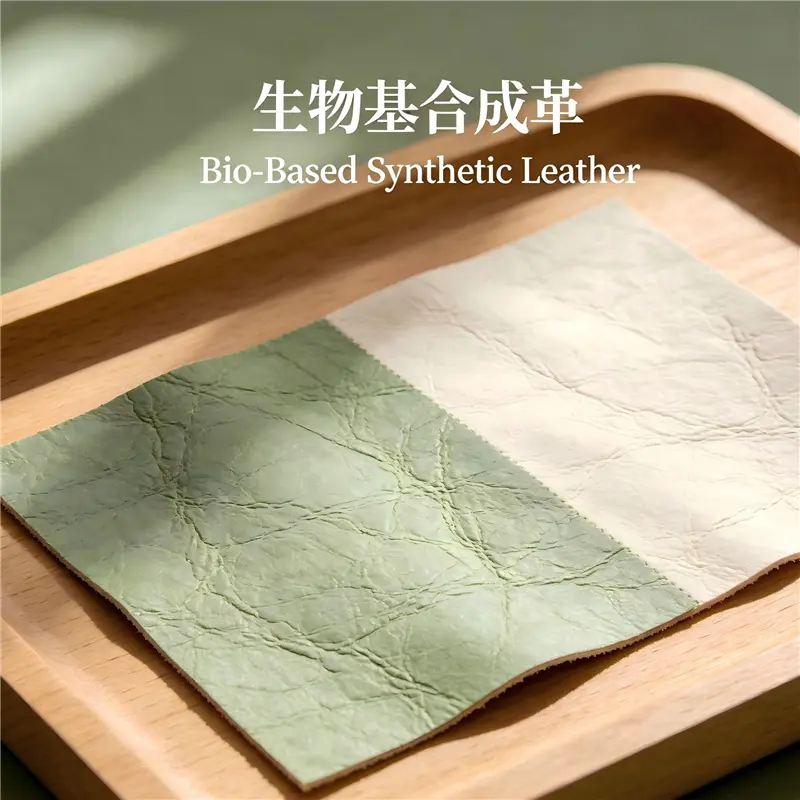

Wholesale Bio-Based Renewable Synthetic Leather Supplier, Factory
Product Description
Product Features
Made from bio-based polyols derived from renewable resources such as corn, sugarcane, and castor oil, it reduces reliance on fossil fuels and lowers the product’s overall carbon footprint. The bio-based content is traceable and verified for transparency.
With a microporous structure, this bio-based leather offers enhanced breathability compared to traditional synthetic leather, preventing stuffiness and sweat buildup. It has a soft, natural feel, making it comfortable for direct skin contact in footwear and apparel.
Engineered to maintain the durability of high-quality synthetic leather, it offers good wear resistance, stretch recovery, and dimensional stability. At the same time, it is produced with eco-friendly processes that reduce environmental impact.
Product Advantages
Derived from renewable resources, this material supports a cradle-to-cradle lifecycle. It is designed to reduce waste and promote sustainable consumption, aligning with global trends toward circular and low-carbon manufacturing.
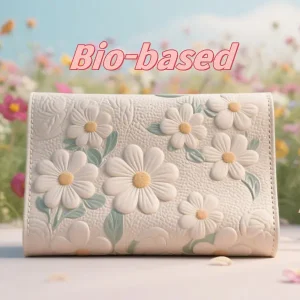
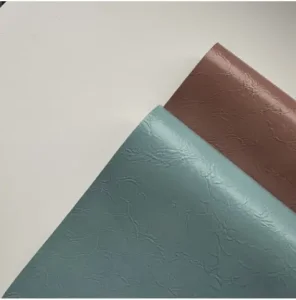
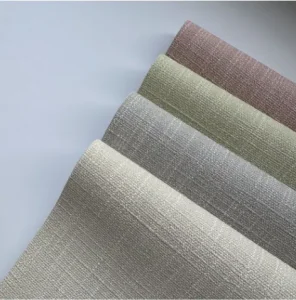
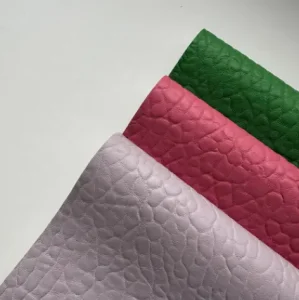
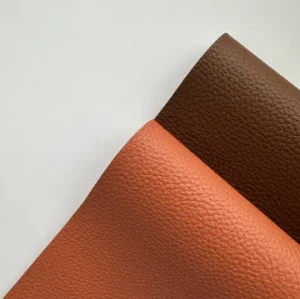
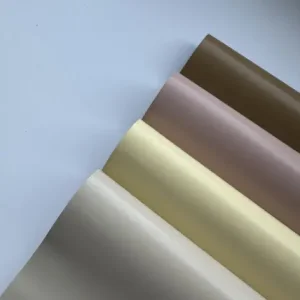
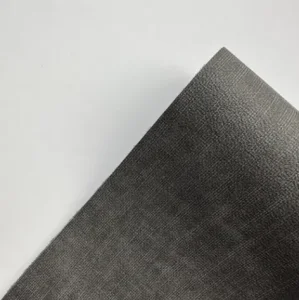
Available in natural grain textures, soft finishes, and earthy tones that mimic genuine leather, it offers premium aesthetics without the ethical concerns. It can be customized with embossing, dyeing, and coating to suit high-end fashion and home decor needs.
From raw material sourcing to production, every step is optimized to minimize resource use and emissions. It is biodegradable under appropriate conditions, reducing long-term environmental waste compared to traditional synthetic materials.
Application
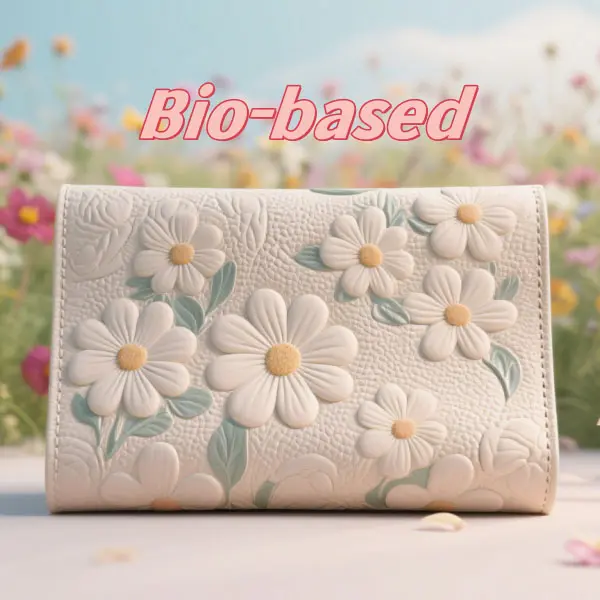
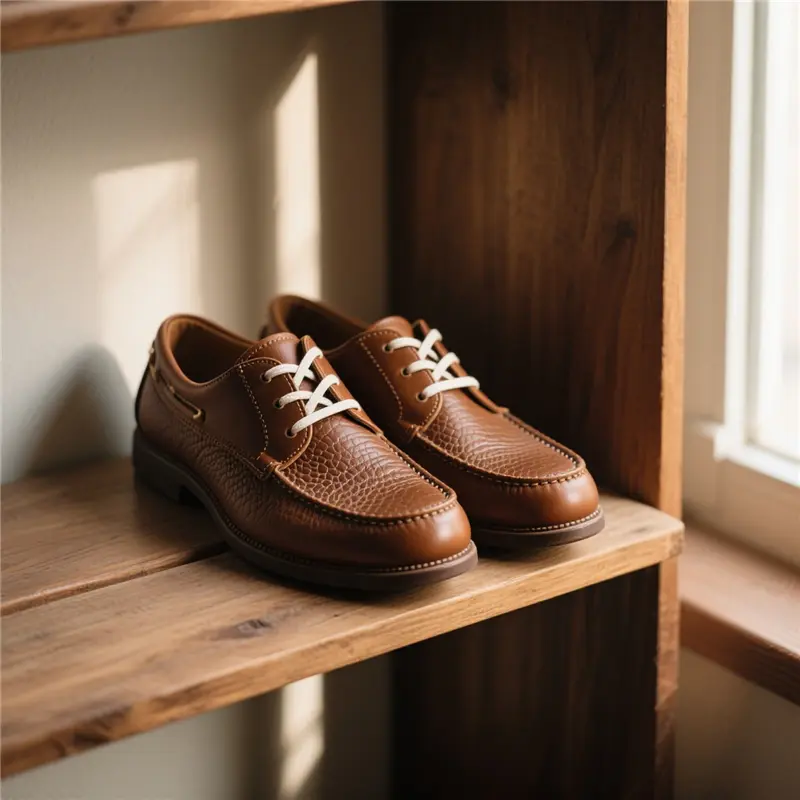
- High-End Fashion: Luxury handbags, designer wallets, and premium footwear
- Sustainable Apparel: Eco-friendly jackets, skirts, and accessories
- Home & Lifestyle: Sustainable furniture upholstery, bedding accents, and decor
- Automotive & Marine: Eco-friendly car interiors and yacht upholstery
- Green Brand Packaging: Premium gift boxes and product packaging
It is the perfect material for brands aiming to lead in sustainability while delivering premium quality, helping you appeal to environmentally conscious consumers and differentiate your products in the market.
Detail Pictures

Frequently Asked Questions (FAQ)
It is made using bio-based polyols extracted from renewable agricultural sources including corn, sugarcane, and castor oil, ensuring lower dependency on fossil resources and a reduced carbon footprint.
Due to its engineered microporous structure, this material delivers superior breathability over standard synthetic alternatives, preventing sweat accumulation and providing a skin-friendly, soft feel ideal for close-contact wear.
Yes. The material is formulated to match top-tier synthetic leather durability, maintaining high wear resistance, reliable stretch recovery, and strong dimensional stability without compromising ecological integrity.
Yes. It comes in a wide range of natural grain patterns, soft surface finishes, and earthy colors, and supports custom embossing, dyeing, and top-coating to fulfill high-end fashion and lifestyle project specifications.
By utilizing traceable plant-based feedstock, optimizing low-emission manufacturing steps, and offering biodegradability under defined conditions, the material helps minimize post-consumer waste and fosters a cradle-to-cradle lifecycle.