
Custom Plant-Derived Renewable Bio-Based Synthetic Leather-9081 Manufacturers, Factories
Product Description
Product Features
Renewable Plant-Sourced Raw Materials
Produced with bio-based polyols extracted from renewable resources including corn, sugarcane and castor oil, it reduces dependence on fossil fuels and lowers the product’s carbon footprint. All bio-based content is traceable and verified to guarantee material transparency.
Breathable & Comfortable Against Skin
Thanks to its microporous framework, this bio-based leather achieves better air permeability than conventional synthetic leather and prevents stuffiness and sweat buildup. Its soft organic texture delivers pleasant skin contact for footwear and apparel.
Balanced Functionality & Environmental Value
Specially engineered to retain the durability of premium synthetic leather, it delivers great wear resistance, stretch recovery and dimensional stability. Meanwhile, eco-optimized production processes lessen environmental harm.
Product Advantages
Aligns with Circular Economy Framework
Originating from renewable plant resources, this material supports a complete cradle-to-cradle lifecycle. It cuts waste output and promotes sustainable consumption, keeping in line with global circular and low-carbon manufacturing trends.
Premium Appearance & Great Adaptability
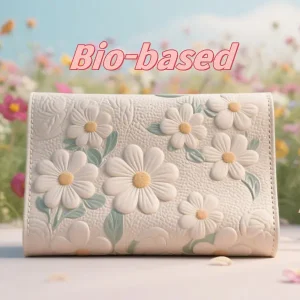
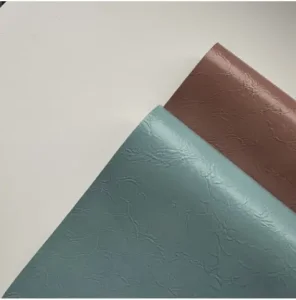
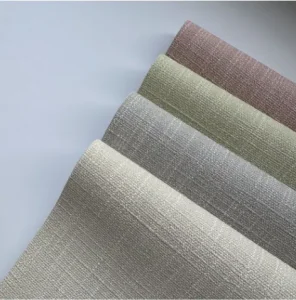
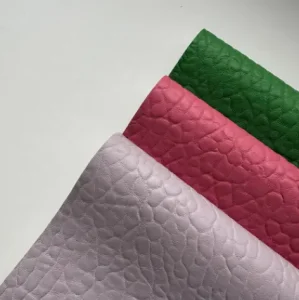
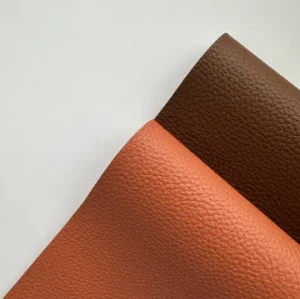
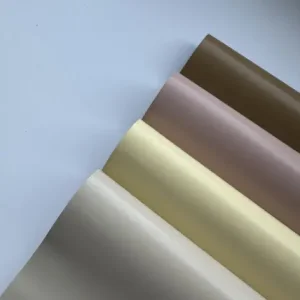
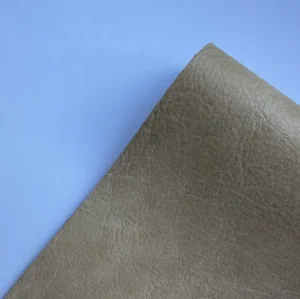
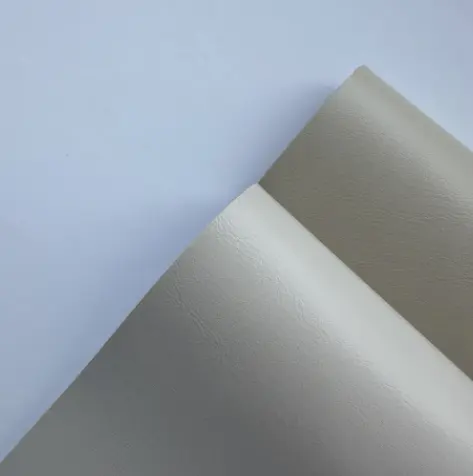
Natural grain textures, gentle finishes and earthy tones replicate genuine leather aesthetics without ethical concerns. Embossing, dyeing and coating customization meet design requirements for high-end fashion and home decor.
Reduced Long-Term Ecological Waste
Every procedure from raw material procurement to finished production is optimized to save resources and limit emissions. It can biodegrade under proper conditions, generating far less persistent waste than traditional synthetic leather.
Application
Frequently Asked Questions
This material is synthesized using bio-based polyols extracted directly from renewable plant crops such as corn, sugarcane, and castor oil, reducing dependence on petroleum fuels.
Featuring a microporous architectural framework, it provides significantly higher air permeability than standard synthetic alternatives, preventing stuffiness and moisture accumulation.
Yes. It is engineered to maintain high wear resistance, excellent stretch recovery, and dimensional stability, ensuring the identical longevity expected of high-end synthetic materials.
Yes, it fully supports custom embossing, dyeing, and surface coating processes to emulate natural grain finishes, earthy tones, or customized fashion textures according to specific project requirements.
Under designated industrial conditions, the plant-derived components can biodegrade, which minimizes long-term persistence and significantly lowers landfill waste compared to standard petroleum plastics.
It is widely suitable for luxury goods, designer footwear and accessories, sustainable clothing, vehicle and yacht interiors, home furnishings, and high-end eco-friendly packaging.