
High-Efficiency Biobased Synthetic Leather Formulations
Verified plant-origin synthetic substrates featuring 30% to 75% USDA-certified renewable biological carbon, engineered to replace petro-derived resins without compromising tensile yield, peel adhesion, or grain memory.

Wholesale Bio-Based Renewable Synthetic Leather Supplier, Factory
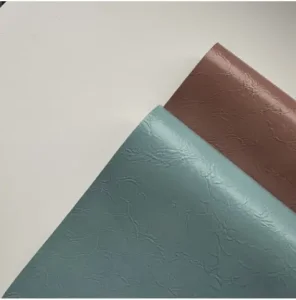
Wholesale Bio-Based Renewable Synthetic Leather-0177 Manufacturers, Factories
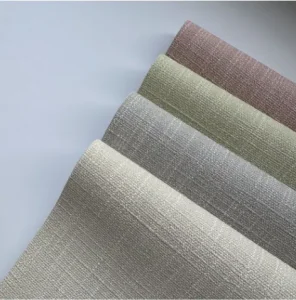
Wholesale Bio-Based Renewable Synthetic Leather-9384 Manufacturer, Supplier
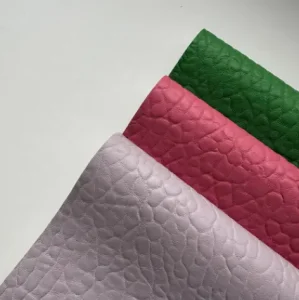
Wholesale Bio-Based Renewable Synthetic Leather-9293 Supplier, Factories
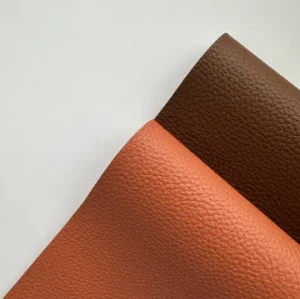
Custom Bio-Based Renewable Synthetic Leather-9109 Supplier, Factory
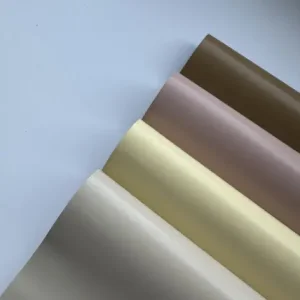
Custom Bio-Based Renewable Synthetic Leather-2056 Manufacturers, Manufacturer

OEM Plant-Derived Renewable Bio-Based Synthetic Leather-2071 Manufacturers, Factory
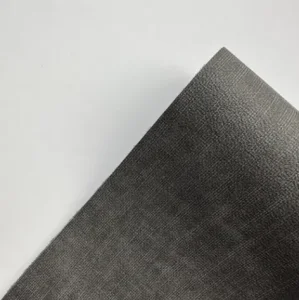
High-Quality Plant-Sourced Bio-Based Renewable Synthetic Leather-9103 Suppliers, Factories
The Global Bio-Economy Transition in Polymer Materials
Examining structural procurement shifts, Scope 3 greenhouse gas mitigation mandates, and the displacement of petrochemical feedstocks with non-food agricultural biomass.
Stringent Regulatory Mandates
The accelerated implementation of the European Union Corporate Sustainability Due Diligence Directive (CSDDD) and the EU Deforestation Regulation (EUDR) has fundamentally altered polymer sourcing criteria. Brands are legally accountable for supply chain decarbonization.
- Mandatory Scope 3 emissions reporting across supply networks.
- Enforcement of carbon border adjustment tariffs penalizing fossil resins.
- Restricted substance lists (RSL) eliminating volatile organic carriers like DMF and toluene.
Life Cycle Assessment (LCA) Gains
Replacing crude oil-derived polyols with castor bean and industrial corn biomass delivers scientifically measurable LCA benefits. Radiocarbon dating via ASTM D6866 confirms biogenic carbon sequestration during crop cultivation.
- 42% to 68% reduction in cradle-to-gate Global Warming Potential (GWP).
- Significant reduction in non-renewable energy demand (CED Fossil).
- Closed-loop agricultural residues that avoid direct competition with food security.
Zero Greenwashing Verification
Third-party radiocarbon tracing has dismantled unverified marketing claims. Enterprise procurement teams demand definitive laboratory certifications confirming authentic biogenic content in the polymer matrix.
- Standardized ASTM D6866 Method B carbon isotope counting.
- USDA BioPreferred certification with transparent % content ratings.
- Higg Facility Environmental Module (FEM) verified manufacturing origins.
The Chinese Factory Advantage in Biobased Synthesis
How Yingde City JiangXin New Material Co., Ltd. (JX.ECO) integrates agricultural upstream supply chains, specialized reactor chemistry, and renewable solar power to deliver cost-competitive sustainable leather at scale.
Vertical Upstream Integration
Unlike assembly-only coaters, our Guangdong campus operates continuous polymer reactors that synthesize proprietary bio-polyol resins directly on-site. By controlling raw biomass esterification, we ensure unmatched batch-to-batch molecular weight consistency.
- Immediate access to refined vegetable and castor oil streams.
- In-house formulation of solvent-free and waterborne topcoats.
- Zero reliance on volatile third-party intermediate compounders.
Clean Energy Decarbonization
Our manufacturing facility incorporates a massive 4.68 MW rooftop photovoltaic array, driving electric calendaring lines and heat recovery systems. We mitigate energy spikes while passing carbon credits through transparent environmental reporting.
- On-site solar generation offsets heavy grid dependency.
- Closed-loop catalytic oxidizers capturing 99.4% of process heat.
- Advanced biochemical wastewater treatment returning clean effluent.
Mass Production Parity
Historically, eco-leather faced severe price premiums. Our 16,000,000-meter annual capacity brings economies of scale that reduce biobased material costs to near parity with conventional petrochemical polyurethane, enabling high-volume adoption.
- Rapid high-speed coating lines handling widths up to 152cm.
- Standardized MOQs starting from 500 meters per custom shade.
- Fully equipped colorimetric lab targeting strict Delta-E < 0.5.
Comparative Material Science & Physical Properties
A comprehensive technical comparison establishing how biobased polyurethane matches or exceeds petroleum PU, PVC faux leather, and chrome-tanned bovine hide across physical and environmental indices.
| Performance Parameter | Biobased PU (JX.ECO Series) | Conventional Fossil PU | Standard Vinyl (PVC) | Chrome Bovine Leather |
|---|---|---|---|---|
| Biogenic Carbon (ASTM D6866) | 30% – 75% Certified | 0% (Petroleum Only) | 0% (Petroleum Only) | 100% Animal Protein |
| Cradle-to-Gate Carbon (kg CO₂e/m²) | 2.8 – 4.2 | 7.5 – 11.2 | 9.8 – 14.5 | 35.0 – 68.0 |
| Volatile Solvents (DMF / Toluene) | 0% (Solvent-Free / Waterborne) | Often Present in Wet-Coating | Phthalate Plasticizers | Chromium Salts, Formaldehyde |
| Bally Flex Resistance (-10°C) | > 100,000 Cycles (No Cracking) | 50,000 – 80,000 Cycles | < 20,000 (Brittle Fail) | Variable / Grain Dependent |
| Martindale Abrasion (12 kPa) | > 50,000 Revolutions | 30,000 Revolutions | 25,000 Revolutions | 40,000 Revolutions |
| Hydrolysis Resistance (Jungle Test) | 5 – 10 Years Tropical (70°C, 95% RH) | 2 – 5 Years | Poor Plasticizer Bleed | Moisture Sensitive (Mold) |
| Backing Substrate Versatility | RCS Recycled PET / Tencel / Bamboo | Virgin Polyester / Cotton | Knitted Virgin Polyester | Natural Suede Split |
Specialized Sector Solutions & Application Matrices
Tailoring polymer resin rheology, mechanical elongation, and custom grain embossings to address rigorous tier-1 commercial standards across diverse market segments.
Automotive Cabins
Engineered for seats, door panels, and dashboard skins. Meets ultra-low VOC emissions (GB 27630 / VDA 278) with negligible fogging and passes severe heat aging (120°C for 500h).
- FMVSS 302 Flame Retardancy
- Anti-soiling surface topcoat
- Ultra-low odor score < 2.5
Athletic Footwear
Delivers lightweight tensile strength, high tear propagation resistance, and dynamic high-frequency welding properties for performance soccer boots, runners, and skate sneakers.
- Extreme low-temp flexibility
- High peel strength (> 3.5 kg/3cm)
- Breathable micro-porous skin
Bags & Luxury Goods
Offers rich, supple draping, bespoke hand feel, and immaculate surface grain reproduction (from fine toothpick and napa grains to dimensional stitched textures) with superior corner abrasion.
- Exquisite dry-milled drape
- Edge-paint compatibility
- Color fastness to wet crocking
Smart Consumer Tech
Formulated for protective tablet folios, phone cases, and smart headphone ear-cushions. Fully resistant to synthetic perspiration, cosmetic lotions, sebum oils, and UV light yellowing.
- UV Xenon Arc stability (Grade 4-5)
- Skin-safe OEKO-TEX Class 1
- Thermal dissipation support
International Regulatory Compliance & Certifications
How JiangXin ensures frictionless customs clearance and supply chain validation for tier-1 enterprises across North America, the European Union, Japan, and the United Kingdom.
USDA BioPreferred Program
Certified under the USDA BioPreferred Program with transparent ASTM D6866 radiocarbon reporting. Sourcing teams receive lot-specific carbon-14 documentation to substantiate consumer-facing packaging and hangtag claims.
- Independent beta-analytic testing protocol.
- Clear biogenic vs. fossil carbon ratio disclosure.
- Direct alignment with corporate ESG goals.
EU REACH & RoHS Zero SVHC
Formulated in strict adherence to EU Regulation (EC) No 1907/2006. Completely free from Substances of Very High Concern (SVHC), carcinogenic azo dyes, organotin compounds, DMFa, and restricted flame retardants.
- Zero 6P / 16P phthalate plasticizers.
- Fully compliant with RoHS Directive 2011/65/EU.
- Clean air working environment certification.
Traceable Chain of Custody
Operating with dual Recycled Claim Standard (RCS) and Global Recycled Standard (GRS) scope certificates for hybrid products combining biobased PU surfaces with 100% post-consumer recycled PET backing fabrics.
- Audited Transaction Certificates (TC) per shipment.
- amfori BSCI social compliance audit rating.
- ISO 9001, ISO 14001, & ISO 45001 certified campus.
Turnkey Plant-Derived & Eco PU Specifications
Explore specialized industrial references engineered for custom tensile specifications, bespoke grain structures, and stringent cold-flex thresholds across enterprise supply chains.

Custom Plant-Derived Renewable Bio-Based Synthetic Leather-9081 Manufacturers, Factories
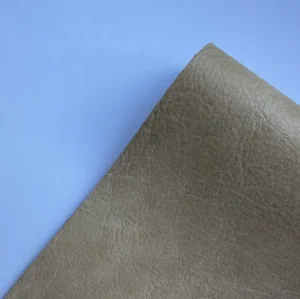
Wholesale Plant‑Origin Renewable Bio‑Based Synthetic Leather-9271 Manufacturer, Suppliers
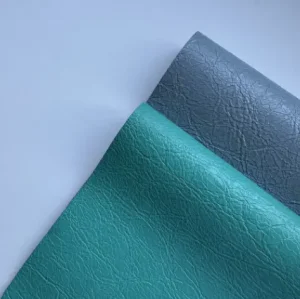
High-Quality Plant‑Derived Renewable Bio‑Based Synthetic Leather-9213 Supplier, Suppliers
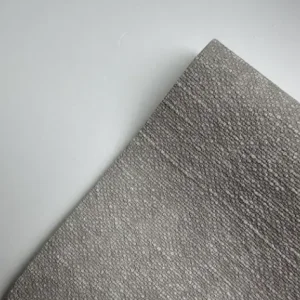
High-Quality Plant‑Derived Bio‑Based Synthetic Leather-9020 Manufacturer, Supplier
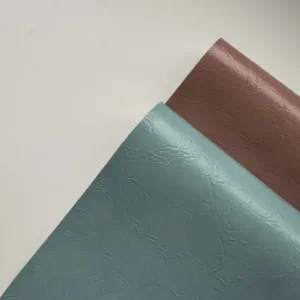
OEM Industrial‑Grade Bio‑Derived Renewable Synthetic Leather-0177 Suppliers, Factories
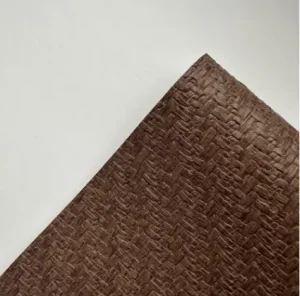
High-Quality Plant‑Origin Renewable Bio‑Based Synthetic Leather-9339 Manufacturers, Suppliers
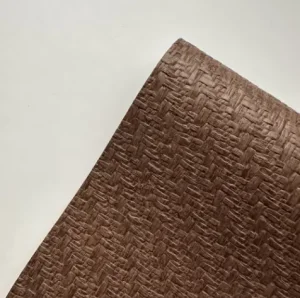
Wholesale Bio‑Based Renewable Synthetic Leather-9339 Manufacturers, Supplier
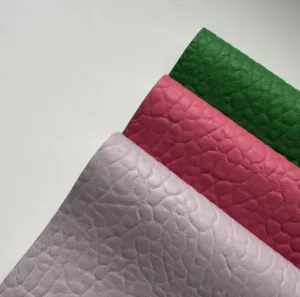
High-Quality Eco‑Friendly Sustainable Synthetic Leather-9239 Supplier, Suppliers
Enterprise Sourcing Matrix & Supply Chain Safeguards
De-risking offshore custom bio-synthetic leather manufacturing through systematic lot validation, pilot line sampling, and guaranteed containerized shipping schedules.
Phase 1: Spec Matching & Lab-Dips
Procurement begins with your target tech pack. Share thickness (0.5mm – 2.2mm), required backing (recycled circular knit, twill, microfiber), target bio-percentage, and grain preference. We deliver A4 swatches and 3-meter pilot rolls within 5 business days.
- Digital spectrophotometer lab-dip analysis.
- Initial Bally flex and scratch testing proof.
- Full mechanical spec sheet alignment.
Phase 2: Pilot Trials & Certification Lock
Before commercial line loading, trial cutting runs at your footwear or bag assembly factory verify seam burst, skiving capability, and adhesion to industrial cements. Bio-carbon formulations are frozen to ensure exact repeatability in high-volume runs.
- Third-party ASTM D6866 lot qualification.
- Custom texture roll embossing verification.
- RSL confirmation according to brand limits.
Phase 3: Automated Bulk QC & Logistics
Every roll produced on our Yingde lines passes 100% automated optical camera inspection to eliminate pinholes, streak defects, and color shifts. Export documentation includes COA, TC certificates, and freight clearance support to worldwide ports.
- Roll-by-roll thickness consistency tracking.
- Moisture-barrier vacuum export packaging.
- FOB Guangzhou/Shenzhen or DDP delivery terms.
Frequently Asked Questions: Biobased Sourcing & Engineering
In-depth technical answers addressing polymer chemistry, durability benchmarks, regulatory documentation, and custom OEM manufacturing parameters.
What precise chemical difference separates biobased synthetic leather from conventional petro-chemical PU?
Conventional polyurethane leather relies 100% on crude oil-derived polyester or polyether polyols reacted with diisocyanates (such as MDI or TDI). In contrast, biobased polyurethane synthesizes polyols derived from non-food agricultural feedstocks—predominantly industrial castor oil (ricinoleic acid derivatives), industrial corn starch, or vegetable agricultural residues. These biogenic polyols contain active hydroxyl groups that cross-link identically with isocyanates to form urethane polymers. Depending on your formulation tier, 30% to 75% of the total carbon mass in the polyurethane layer is contemporary biogenic carbon rather than fossil-origin carbon, validated through carbon-14 isotopic analysis.
Does biobased synthetic leather biodegrade prematurely during product usage or warehouse storage?
No. There is a frequent industry misconception conflating "biobased" with "biodegradable." JX.ECO biobased synthetic leather is engineered specifically for durable, long-life applications such as automotive seating, premium footwear, and luggage. The polymer structure is fully polymerized and cured; it exhibits identical or superior hydrolysis resistance (tested up to 10 years in tropical chamber simulations at 70°C and 95% relative humidity) and Bally flex performance exceeding 100,000 cycles at -10°C. The bio-carbon backbone remains mechanically and chemically stable under ambient environmental conditions throughout the lifetime of the finished consumer good.
How is biogenic content tested and officially audited for regulatory marketing claims?
Biogenic content is measured through radiocarbon dating in strict compliance with ASTM D6866 (Standard Test Methods for Determining the Biobased Content of Solid, Liquid, and Gas Samples Using Radiocarbon Analysis) or EN 16640. Because living plants continuously assimilate atmospheric carbon-14 (14C) while fossil crude oil has been buried for millions of years and possesses zero active 14C, accelerated mass spectrometry (AMS) measures the precise ratio of 14C to 12C. This yields an exact mathematical percentage of contemporary renewable carbon. JiangXin provides certified ASTM D6866 test reports from accredited laboratories (such as Beta Analytic) for our production lots, satisfying USDA BioPreferred hangtag requirements.
Can biobased PU coatings be paired with recycled or circular backing substrates?
Yes. Modern sustainable tech packs routinely specify hybrid circular constructions. At our Yingde manufacturing facility, we laminate biobased polyurethane top skins onto 100% Recycled Claim Standard (RCS) or Global Recycled Standard (GRS) certified post-consumer recycled PET knits, recycled microfibers, or plant-based cellulose backings like FSC-certified viscose, lyocell (Tencel), and organic cotton. This creates an end-to-end sustainable composite fabric that eliminates virgin fossil plastics across both the skin and the backing fabric layer.
Are hazardous solvents such as DMF (Dimethylformamide) used during synthesis?
Our premium biobased product lines are manufactured using 100% solvent-free hot melt polyurethane coating systems or advanced waterborne (PUD) dispersion lines. This process completely eliminates the historical usage of dimethylformamide (DMF / DMFa), toluene, and methyl ethyl ketone (MEK). Consequently, our biobased synthetic leather meets the most stringent zero-detection thresholds under EU REACH Annex XVII, California Proposition 65, and OEKO-TEX Standard 100 Class I (safe for skin contact with infants).
What are JiangXin's standard factory production capacities, minimum order quantities (MOQ), and turnaround times?
Yingde City JiangXin New Material Co., Ltd. operates a 135,733 m² campus producing over 16,000,000 meters of synthetic leather annually across modern dry-process and solvent-free coating lines. Our standard commercial MOQ for customized formulations (custom Pantone shade, grain pattern, and thickness) is 500 meters per color/specification. Lab-dips and A4 swatches are dispatched within 3 to 5 business days; pilot sampling yardage (50 to 100 meters) takes approximately 7 to 10 days; and bulk container production runs typically ship within 15 to 20 working days post lab-dip confirmation.
Can JiangXin replicate the tactile hand feel, skiving behavior, and grain depth of genuine leather?
Yes. Through advanced micro-cellular foam interlayer chemistry and hundreds of precision laser-etched silicone and steel embossing rollers, we achieve precise tactile feedback ranging from soft, buttery lambskin to rigid, structured pull-up and full-grain bovine textures. The material offers uniform thickness (tolerances within ±0.03mm across the roll), eliminating the irregular cutting waste inherent to natural animal hides. It skives cleanly on standard Fortuna skiving machinery and accepts water-based edge-coating sealants without delamination.
What export documentation and shipping terms are supported for international tier-1 procurement?
We provide full commercial export clearance support for shipments leaving our Guangdong factory. Standard logistics options include FOB Guangzhou, FOB Shenzhen, CIF global hub ports, and DDP (Delivered Duty Paid) via ocean container or air courier. Accompanying export documentation includes certified Commercial Invoices, Packing Lists with individual roll serial numbers and yardage logs, Certificate of Origin (Form E, CO, etc.), Material Safety Data Sheets (MSDS), Certificate of Analysis (COA), and third-party compliance verification dossier (REACH, RoHS, ASTM D6866).