
High-Efficiency Biobased Synthetic Leather Formulations
Engineered with agricultural biopolymer feedstocks, offering exceptional tensile elasticity, sub-zero cold crack resilience, and rigorous VOC minimization for Moscow regional contract manufacturers.
-
Moscow Footwear & Upholstery Grade

Wholesale Bio-Based Renewable Synthetic Leather (Moscow Heavy-Duty Series)
USDA BioPreferred and ASTM D6866 certified polyols delivering 30–50% renewable biocarbon content.
Explore Specifications » -
Winter Grade -35°C Flex Tested
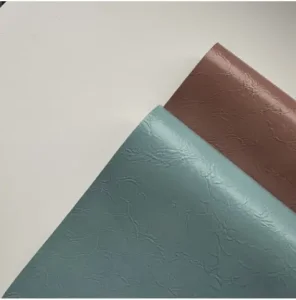
Wholesale Bio-Based Renewable Synthetic Leather-0177 (Moscow Winter Spec)
Engineered for severe Eurasian cold climates with superior Bally flex endurance and zero surface flaking.
Explore Specifications » -
Moscow Automotive Interior Ready
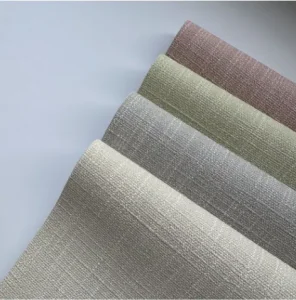
Wholesale Bio-Based Renewable Synthetic Leather-9384 (Tier-1 Auto Grade)
Low-fogging DIN 75201 compliant formulation tailored for Russian automotive interior applications.
Explore Specifications » -
Abrasion & Hydrolysis Resistant
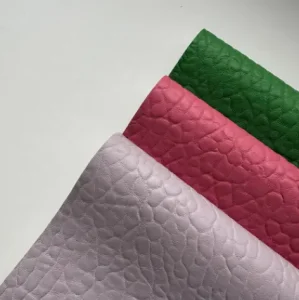
Wholesale Bio-Based Renewable Synthetic Leather-9293 (High-Tactile Finish)
Jungle test certified for 8-10 years equivalent durability in premium hospitality and luxury bag production.
Explore Specifications »
Biobased Materials in the Moscow Industrial Matrix: Market Dynamics & Import Evolution
A comprehensive examination of how shifting trade routes, strict cold-weather demands, and modernization programs in the Central Federal District are redefining advanced synthetic leather procurement.
The Moscow Metropolitan Supply Shift: From Legacy Petrochemical to Bio-Sourced Polymers
The greater Moscow industrial ecosystem—spanning the Moscow Oblast manufacturing ring, the Technopolis Moscow special economic zones, and adjacent production centers in Vladimir, Ivanovo, Kaluga, and Tver—is undergoing a rapid technological reconfiguration. Historically dependent on conventional fossil-based Polyvinyl Chloride (PVC) and dimethylformamide (DMF)-based solvent polyurethanes imported from European distributors, Moscow convertors and tier-suppliers now face double pressure: the need for independent, resilient supply chains via direct Chinese OEM partnerships and the necessity of complying with modern non-toxic, eco-responsible product standards.
As Russian industrial groups prioritize long-term durability, non-phthalate plasticizers, and reduced carbon footprints under emerging national environmental directives, our plant-derived renewable polyurethane systems provide a drop-in replacement that eliminates reliance on legacy petroleum chains while radically increasing mechanical lifespan.
Climatic Reality: The -30°C to -40°C Moscow Cold Test
Material failure in the Russian Federation is overwhelmingly driven by thermo-mechanical fatigue in sub-zero winters. Standard synthetic leathers experience severe glass transition shifts ($T_g$) below -15°C, resulting in polyurethane micro-cracking, resin peeling, and delamination.
Our biobased polyols derived from non-food agricultural feedstock (including castor and industrial starch) maintain exceptional chain flexibility, preserving elasticity past 80,000 Bally flex cycles at -30°C.
Macro-Industry Solutions: Harmonizing International Standards with Eurasian Demands
Decarbonizing industrial polymer supply lines through certified biogenic carbon tracing, solvent-free hot-melt extrusion, and circular raw material architectures.
ASTM D6866 Radiocarbon Tracing
Every biobased batch manufactured in our 135,733 m² clean-tech production campus is verified using Accelerator Mass Spectrometry (AMS) according to ASTM D6866. This quantifies exact Carbon-14 ($^{14}\text{C}$) isotope signatures, confirming verifiable bio-content up to 65% for unassailable brand integrity in corporate ESG audits.
100% Solvent-Free & Water-Based PU
Eliminating volatile organic compounds (VOCs) such as DMFa, toluene, and methyl ethyl ketone (MEK). Our high-solid and solvent-free reactive polyurethane coating systems guarantee zero hazardous airborne worker exposure and comply comprehensively with both European REACH/RoHS thresholds and Russian SanPiN occupational safety regulations.
RCS & GRS Traceable Substrates
Biobased surface layers are paired with structural backings forged from Recycled Claim Standard (RCS) certified post-consumer recycled PET microfiber, rPET jersey knit, or sustainably produced organic cotton drills, engineering circularity from base fleece to surface skin.
Need Custom Technical Formulations for Moscow Contract Manufacturing?
Our OEM polymer lab formulates tailor-made biobased synthetic leather rolls matched to specific tear strengths, cold-flex thresholds, flame retardancy (GOST 12.1.044), and embossing grains.
High-Performance Application Scenarios Across Moscow & Federal Clusters
Engineered to resolve performance pain-points across the primary consumption and production sectors of the Russian economic heartland.
1. Automotive Seating & Cockpit Trims (Central & Volga Corridors)
Automotive assembly plants and aftermarket tier-1/tier-2 restyling houses around Moscow, Kaluga, and Nizhny Novgorod demand materials meeting strict flammability and low-condensation criteria. Our biobased PU meets FMVSS 302 / GOST 25076 horizontal burn resistance, emits no chemical odor even under aggressive summer solar baking, and guarantees zero windshield fogging (DIN 75201-B gravimetric factor > 95%).
2. Heavy-Duty Winter Footwear & Tactical Leather Goods
Supplying shoe factories throughout Ivanovo, Ryazan, and the Moscow industrial periphery. Footwear uppers must withstand continuous salt brine exposure, abrasive slush, and repeated walking flexes at -30°C. Our biobased synthetic leather incorporates hydrophobic plant-based polyether chains that resist water infiltration (>100 kPa hydrostatic pressure) while remaining supple and breathable.
3. Contract Furniture, Hospitality (HoReCa) & Commercial Interiors
Moscow’s high-end restaurant, hotel, and premium office design scene demands high Martindale abrasion resistance (>100,000 rubs under ISO 12947-2). Our bio-coatings offer high stain resistance against hot coffee, alcohol sanitizers, and oily spills without surface erosion, outlasting conventional PVC which becomes brittle due to plasticizer migration.
Comparative Performance Matrix: Biobased PU vs. Legacy Polymers
Engineered data illustrating the structural and environmental superiority of our plant-derived synthetic leathers over conventional alternatives in cold-climate commercial operations.
| Performance Parameter | JX.ECO Biobased PU (Castor/Corn) | Conventional Solvent PU (DMF-based) | Standard Heavy PVC (Fossil-based) | Traditional Chrome-Tanned Leather |
|---|---|---|---|---|
| Biocarbon Content (ASTM D6866) | 30% – 65% Verifiable | 0% (100% Fossil Fuel) | 0% (100% Petrochemical) | Organic Origin (High Chem Burden) |
| Cold Crack Temperature Threshold | -35°C to -45°C (Stable) | -15°C to -20°C (Micro-cracking) | -10°C (Severe Stiffening/Splits) | -25°C (Requires heavy fatliquoring) |
| VOC Emissions & Odor Rating | Zero DMFa / VDA 270 < 2.5 | High residual solvents (DMFa > 30ppm) | Phthalate odor / High Plasticizer Fog | Distinct tanning chemistry odor |
| Martindale Abrasion (ISO 12947-2) | > 100,000 cycles | 40,000 – 60,000 cycles | 50,000 cycles (surface glazes) | 80,000+ cycles (inconsistent grain) |
| Hydrolysis Resistance (Jungle Test) | 8 to 10+ Years Equivalent | 3 to 5 Years | 5 to 7 Years (Deplasticizes) | Prone to mold under 85%+ RH |
| Eurasian Regulatory Status (EAC / TR CU) | Exceeds TR CU 017/2011 | Subject to restricted substance limits | Restricted due to orthophthalates | Strict veterinary sanitary certs needed |
Localized Support, Customs Protocols & Regulatory Compliance for Russia
Seamless execution from our Guangdong clean-tech manufacturing base to warehouse hubs in Moscow, Kotelniki, and St. Petersburg.
Full EAC Declaration & Technical Regulations (TR CU)
Our biobased materials are engineered to comply directly with TR CU 017/2011 ("On safety of light industry products") and TR CU 018/2011 ("On safety of wheeled vehicles"). We supply accredited laboratory testing protocols covering biological and mechanical safety, tear strength, formaldehyde levels, and skin-contact cytotoxicity tests.
Direct Railway & Multimodal Freight Corridors
Orders destined for the Moscow cargo logistics perimeter (including Vorosino and Bely Rast terminals) are dispatched via reliable container train routes (Manzhouli/Zabaikalsk and Erenhot corridors) with transit windows averaging 14–22 days, or through multimodal maritime-rail via Vladivostok to ensure uninterrupted continuity for serial assembly lines.
Direct RMB / Ruble Trade Settlement Support
To eliminate currency friction and third-country payment bottlenecks, our export operations support direct non-SWIFT cross-border settlements via cross-border interbank payment channels, allowing Moscow corporate procurement teams to stabilize budgetary margins against exchange volatility.
Technology Roadmap: Next-Generation Green Polymers for 2026–2030
A strategic preview of our ongoing R&D breakthroughs in agricultural residue biopolymers, non-isocyanate polyurethanes (NIPU), and closed-loop recyclability.
Phase 1: Lignocellulose & Castor-Oil Polyol Synthesis
By extracting polyols from non-edible timber harvest by-products and dry-crop castor plants, we achieve 40–60% plant-carbon content without competing with human food supply. These polyols enhance tensile elasticity and offer natural fungal-growth resistance (ISO 846 Method A).
Phase 2: Non-Isocyanate Polyurethane (NIPU) Systems
Transitioning toward cyclical carbonate and diamine reaction pathways that completely remove toxic phosgene and monomeric isocyanates from the synthesis process. This leap eliminates occupational skin-sensitization hazards and sets a new world standard for safe artificial leather.
Phase 3: Enzymatic Degradability & Closed-Loop Depolymerization
Developing engineered ester links designed to break down under specific industrial composting enzymes into non-hazardous biomass within 180 days, allowing converters to divert off-cuts and trim scrap away from Russian landfills.
OEM Plant-Derived Synthetic Leather Series for Moscow Industrial Lines
Browse our core reference series engineered for diverse manufacturing specifications, custom textures, colors, and backing cloth options.
-
Custom Moscow Order Reference
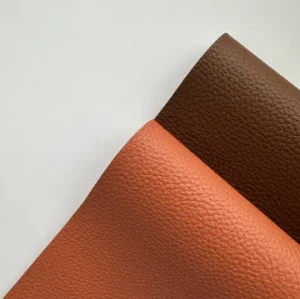
Custom Bio-Based Renewable Synthetic Leather-9109
Ultra-fine nappa grain formulated for automotive dashboards, consoles, and interior armrests.
Request Moscow Swatch » -
High Flexibility & Elasticity
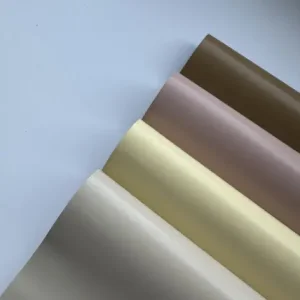
Custom Bio-Based Renewable Synthetic Leather-2056
Microfiber suede backing engineered for high-end cold-weather outerwear and accessories.
Request Moscow Swatch » -
OEM Industrial Direct Spec

OEM Plant-Derived Renewable Synthetic Leather-2071
High-thickness pebble grain providing superior abrasion resistance for commercial seating and sofas.
Request Moscow Swatch » -
USDA BioPreferred Verified
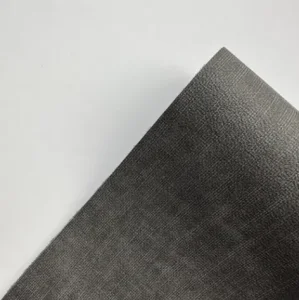
High-Quality Plant-Sourced Renewable Leather-9103
Silky soft touch calibrated for designer handbags, wallets, and premium tech sleeve accessories.
Request Moscow Swatch » -
Reinforced Tear Strength

Custom Plant-Derived Renewable Leather-9081
Heavy-duty cross-stretch woven backing for high-tension upholstery work and aviation interiors.
Request Moscow Swatch » -
Wholesale Supply Volume Ready
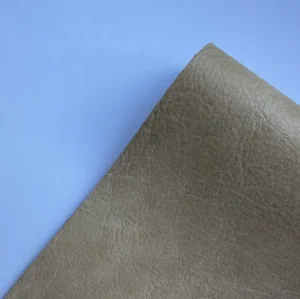
Wholesale Plant-Origin Renewable Leather-9271
High yield roll cutting performance with flawless width uniformity (137cm / 54" standard).
Request Moscow Swatch » -
High Durability & Anti-Fouling
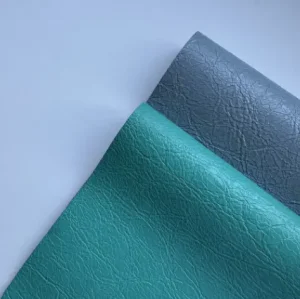
High-Quality Plant-Derived Bio-Based Leather-9213
Water-repellent anti-scratch PU top coat engineered for daily public transport applications.
Request Moscow Swatch » -
Clean-Tech Lab Certified
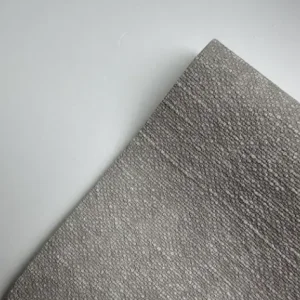
High-Quality Plant-Derived Bio-Based Leather-9020
Exceptional color-fastness to light (Grade 4-5 ISO 105-B02) preventing winter-to-summer UV fading.
Request Moscow Swatch »
Frequently Asked Questions: Sourcing Biobased Materials for Moscow
Detailed technical, compliance, and supply chain answers compiled by our international trade engineering desk.
What differentiates your biobased PU from conventional synthetic leather sold in Moscow?
How is biobased carbon content officially validated and proven for Russian customs and brand claims?
Can these materials pass the Technical Regulations of the Eurasian Customs Union (TR CU)?
What is the typical lead time and shipping route for deliveries to Moscow industrial hubs?
How does the material perform in extreme sub-zero cold climates?
What customization parameters are available for Tier-1 automotive and furniture manufacturing?
What is the Minimum Order Quantity (MOQ) for custom biobased formulations?
How can Russian clients settle payments given international currency volatility?
Accelerate Your Moscow Sustainable Product Development
Request physical sample swatches, full technical TDS dossiers, and EAC regulatory compliance packages directly from our polymer engineering team.