
High-Performance Biobased Solutions for Île-de-France
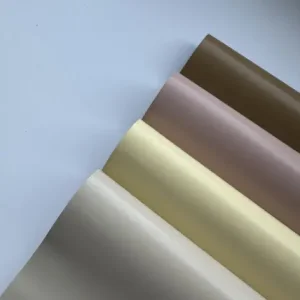
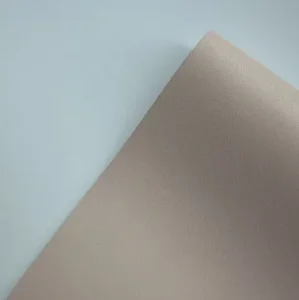
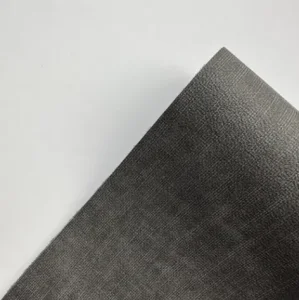
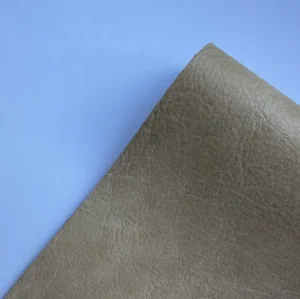
Engineered to satisfy the aesthetic rigors of Parisian ateliers and the operational requirements of tier-1 manufacturers. These primary four grades balance tactile softness with rigorous abrasion metrics.

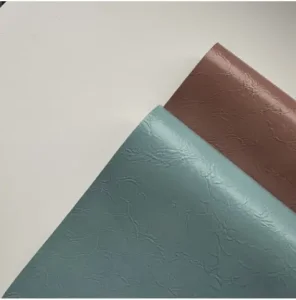
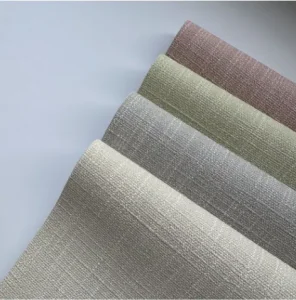
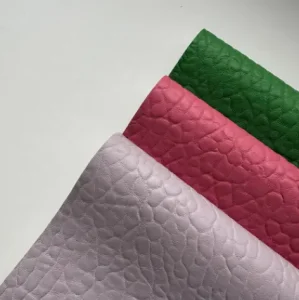
Sampling Biobased PU for a Paris Fashion Week Collection or Automotive Tier-1 Run?
Custom polyol formulation swatches dispatched to Paris within 72 hours with certified radiocarbon analytics.
Paris Market Realities: Climate Decrees, Fashion Week, & The Decarbonization Mandate
Paris is no longer merely the aesthetic epicenter of global luxury; it is the regulatory vanguard of circular manufacturing. French legislation and the aggressive sustainability benchmarks of luxury syndicates require OEMs to rethink core material inputs.
AGEC Law & Traceability Compliance
France’s anti-waste law (Loi AGEC) imposes stringent requirements on transparency, consumer environmental labeling, and end-of-life accountability. Our biobased polymers replace petrochemical derivatives without utilizing persistent halogenated compounds, facilitating full alignment with French product passports.
Haute Couture & Leather Goods
From the historic workshops of Rue Saint-Honoré to production facilities across Île-de-France, luxury houses require alternatives to bovine hides with uncompromised drape, flex-crack resistance (Bally flex tests exceeding 100,000 cycles), and impeccable edge-paint compatibility.
Île-de-France Automotive EV Clusters
Automotive technical design studios in Poissy, Guyancourt, and Vélizy-Villacoublay are rapidly engineering non-animal, low-VOC passenger cabins. Our waterborne biobased PU series surpasses strict European automotive fogging, scratch, and flammability parameters (FMVSS 302).
The Technological Bridge: From Agro-Waste to High-Purity Polymer Chains
Conventional synthetic leathers rely on fossil-fuel-derived polyols and organic solvents such as N,N-Dimethylformamide (DMFa). Our specialized manufacturing process implements a closed-loop synthesis that substitutes fossil carbon with polyols synthesized from agricultural by-products (corn starch, castor seed oil, and plant cellulose) without disrupting global food supply architectures.
- Hydrolytic Resistance: Validated via tropical chamber tests (Jungle Test at 70°C and 95% RH) up to 10 years without micro-fissuring or peeling.
- Thermal Stability: Glass transition temperatures (Tg) engineered to retain pliable luxury hand-feel down to -30°C for winter outerwear and transport seating.
- Backing Substrate Interlock: High-density non-woven matrices utilizing RCS-certified recycled polyester or GOTS organic cotton to maximize cohesion.
Supply Chain Resilience: Guangdong Scale Powered by Clean Photovoltaics
While design prototypes germinate in Parisian luxury design studios, industrial scale demands an uninterrupted supply chain, uncompromising batch-to-batch color repeatability (Delta E < 0.5), and robust cost efficiency. JiangXin New Material operates as a strategic mega-hub bridging these ecosystems.
Integrated Mega-Campus Scale
Spanning 135,733 m² in Yingde, Guangdong, our facility centralizes polymerization, dry-process PU coating, calendering, and laser grain texturing under one roof. We eliminate third-party processing markups and latency.
Green Energy Manufacturing
Our 4.68 MW rooftop photovoltaic solar system supplies a significant portion of daytime manufacturing energy. Combined with in-house heat exchange recovery and biological wastewater scrubbers, we slash the baseline footprint of every linear meter shipped to France.
Reliable Logistics to Le Havre & CDG
Direct multimodal logistics channels facilitate seamless sea shipments to the Port of Le Havre (gateway to the Paris Seine axis) within 28 days, alongside expedited air freight directly to Paris-Charles de Gaulle (CDG) for critical sample validation and Fashion Week drops.
Next-Generation Bio-Polymer Architecture (2026–2030)
Our persistent R&D allocations advance bio-content thresholds, closed-loop circularity, and self-healing functional surfaces tailored to international standards.
Solvent-Free Waterborne PU
30%–50% certified plant-polyol base integration across footwear and luxury goods, completely eliminating organic solvents and harmful plasticizers.
Mycelium & Lignin Blends
Hybrids combining plant-derived PU with micro-fungal mycelium structures, improving tensile strength and achieving bio-content fractions above 70%.
Enzymatic Depolymerization
Integration of circular chemistry allowing post-consumer finished synthetic leathers to break down enzymatically into base resins for re-extrusion.
Carbon Capture Resins
Direct conversion of captured industrial CO₂ emissions into polyols, yielding net-negative emissions leathers engineered for Paris urban transport seating.
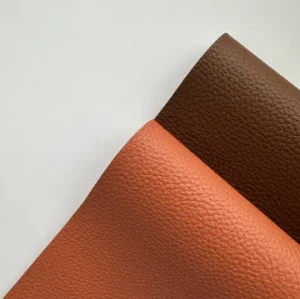
Paris Wholesale & Custom Biobased Series
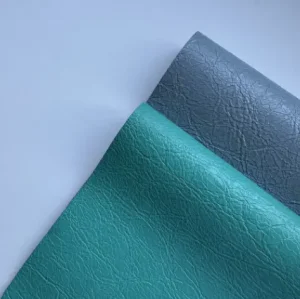
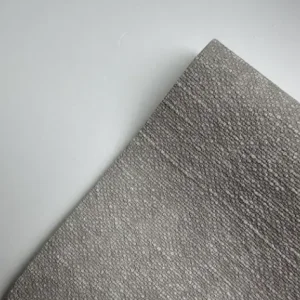
Original equipment manufacturer catalogue grades available for customized caliper, hand-feel, and emboss grains.

Frequently Addressed Inquiries for Paris Sourcing Teams
Definitive technical responses regarding biobased percentages, chemical validation, factory audits, and freight handling.