
Biobased Formulations Tailored for Brazilian Manufacturing
Engineered to withstand high ambient tropical humidity and intense mechanical stress, certified under USDA BioPreferred and ASTM D6866 radiocarbon analytical metrics.

Wholesale Bio-Based Renewable Synthetic Leather - Brazil Industrial Series
View Technical Data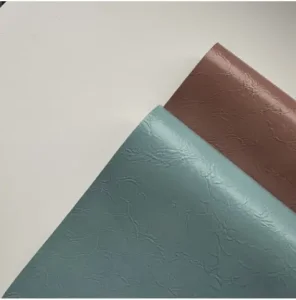
Bio-Based Renewable Synthetic Leather-0177 (Hydrolysis-Resistant Brazil Spec)
View Technical Data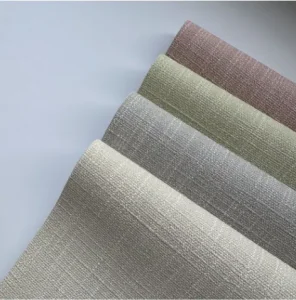
Wholesale Bio-Based Renewable Synthetic Leather-9384 for Franca Footwear Hub
View Technical Data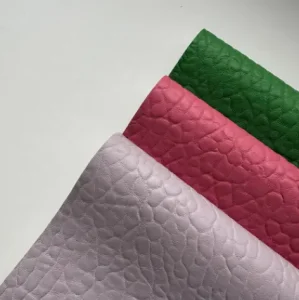
High-Tensile Bio-Based Renewable Synthetic Leather-9293 Brazil Automotive & Furniture
View Technical DataThe Brazilian Industrial Bio-Economy Transformation
Strategic alignment between industrial decarbonization mandates, export pressures, and the evolving material consumption matrix in Latin America's largest economic hub.
Footwear & Leather Goods Restructuring
Traditional manufacturing hubs in Rio Grande do Sul (Novo Hamburgo, Vale do Sinos) and São Paulo (Franca) face rigorous international scrutiny regarding supply chain deforestation. Brands require verifiable, plant-derived synthetic materials that circumvent bovine leather certification risks without compromising tensile strength or traditional stitchability.
Automotive Tier-1 Decarbonization Mandates
Brazil's major automotive plants across São Paulo and Paraná are aligning with national Green Mobility directives (such as the Mover initiative). OEM suppliers demand low-VOC, high-bio-content surface materials that pass rigorous climate aging, Martindale rub cycles, and passenger cabin air quality assessments.
Stringent Regional Weatherability Demands
The Latin American climate spectrum—from high tropical humidity in northern coastal regions to extreme thermal cycling across central plateaus—causes rapid chemical degradation in generic PU materials. JiangXin integrates proprietary bio-polyol lattices engineered explicitly for long-cycle anti-hydrolysis protection.
Solving Supply Chain Vulnerabilities for Brazilian Converters
Global consumer product brands face immense regulatory and functional friction when transitioning from legacy fossil-fuel polymers to certified bio-derived chemistries.
Overcoming Batch Inconsistency in Natural Polymers
Natural agricultural yields vary by season, typically resulting in inconsistent polyol purity and unpredictable elongation in bio-based PU coatings. JiangXin utilizes tightly stabilized molecular fractionation, ensuring uniform viscosity, thickness, and color rendering from roll to roll, preventing costly factory line stoppages.
Defeating "Greenwashing" Risks with Radiocarbon Auditing
Global brands operating in Brazil require bulletproof audit trails to prevent legal vulnerabilities under international advertising codes and consumer protection laws. Every lot produced by JiangXin correlates with quantifiable carbon-14 tests (ASTM D6866 / USDA BioPreferred) tracking renewable biomass ratios precisely.
Custom Substrate & Backing Matrix
Biobased surface layers are chemically paired with tailored structural backings—including GRS-certified recycled rPET fleece, organic woven canvas, or solvent-free microfiber. This structural cohesion prevents delamination under extreme mechanical shearing and deep die-stamping processes.
End-to-End Compliance for Mercosur Trade Entry
Streamlined logistics and documentation architectures designed to navigate Brazilian customs complexities (Siscomex, NCM tariff alignments) and stringent chemical safety standards.
Zero Hazardous Plasticizers & VOC Safety
Our biobased formulations are 100% free of DMFa, toluene, organotins, and the 6P phthalate family. This directly satisfies both Brazilian ABNT chemical safety requirements and EU REACH/RoHS export criteria for Brazilian manufacturers shipping finished goods to Europe.
Port-Direct Logistics to Santos & Itajaí
JiangXin's direct intermodal dispatch from Guangdong enables stable container transit times to the Port of Santos (São Paulo) and Port of Itajaí/Navegantes (Santa Catarina). We supply pre-cleared NCM documentation and complete physical-chemical certificates of analysis to eliminate port demurrage.
Dedicated Technical Translation & Rapid Swatch Desk
Our international support engineering division works hand-in-hand with Brazilian product development teams. We provide bilingual technical documentation, Portuguese RSL alignment guides, and 48-hour prototype swatch dispatch for sampling.
Accelerate Your Biobased Product Development
Request material spec sheets, full physical performance dossiers, and customized sample swatches formulated specifically for Brazilian production requirements.
Send Inquiry NowBio-Polymer Innovation Roadmap (2025–2030)
Continuous investment in green polymer chemistry, industrial heat recovery, and circular lifecycle design to maintain long-term competitive advantages for our global partner network.
Second-Generation Biomass Feedstocks
Shifting from first-generation agricultural resources to non-food biomass, agricultural waste, and industrial bio-residues to eliminate land-competition impacts.
85%+ Biocarbon Saturation
Overcoming current chemical limitations to introduce commercial-grade synthetic leathers reaching up to 85% renewable carbon without losing flexural fatigue endurance.
Closed-Loop Monomaterial Recyclability
Synthesizing bio-polyols and backings into unified chemical families, allowing mechanical or chemical depolymerization at end-of-life for 100% circularity.
Net-Negative Production Campus
Expanding on-site 4.68 MW solar capacity, water reclamation loops, and carbon-negative polyol inputs to achieve net-negative cradle-to-gate material emissions.
Frequently Asked Questions for Sourcing Directors
Detailed clarity on certifications, tropical performance parameters, minimum order quantities, and Brazilian port deliveries.
How does biobased synthetic leather compare to conventional PU in high-humidity Brazilian environments?
What third-party certifications substantiate your biobased carbon content claims?
Can JiangXin manage direct shipping to Brazilian maritime ports such as Santos or Rio Grande?
What is your production MOQ and lead time for customized biobased surface grains and colors?
Are your biobased synthetic materials compliant with footwear stitching and assembly equipment used in Brazil?
High-Performance Biobased Synthetic Leather Catalog
Explore custom textures, sustainable plant-derived polyurethane substrates, and high-durability synthetic leathers ready for export to Brazilian manufacturing clusters.
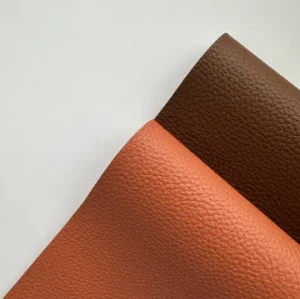
Custom Bio-Based Renewable Synthetic Leather-9109 for Brazil Footwear
View Technical Data
Custom Bio-Based Renewable Synthetic Leather-2056 Commercial Grade Brazil
View Technical Data
OEM Plant-Derived Renewable Bio-Based Leather-2071 Handbag Collection Brazil
View Technical Data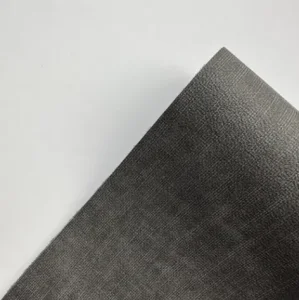
High-Quality Plant-Sourced Bio-Based Synthetic Leather-9103 Brazil Series
View Technical Data
Custom Plant-Derived Bio-Based Synthetic Leather-9081 Automotive Grade Brazil
View Technical Data
Wholesale Plant-Origin Bio-Based Synthetic Leather-9271 Apparel Spec Brazil
View Technical Data
High-Quality Plant-Derived Bio-Based Leather-9213 Brazil Upholstery
View Technical Data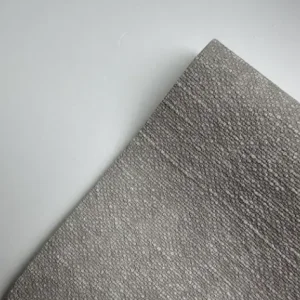
High-Quality Plant-Derived Bio-Based Synthetic Leather-9020 Brazil Premium Line
View Technical DataInitiate Your Material Request with Our Engineering Team
Direct supply from our 135,733 m² solar-powered clean manufacturing campus to your production facilities across Brazil and South America.
Send Inquiry Now