
Priority Biobased Specifications for HCMC Contract Assemblers
Engineered to satisfy strict tensile, elongation, and cold-crack thresholds across Southern Vietnam manufacturing clusters.

Wholesale Bio-Based Renewable Synthetic Leather (HCMC Footwear Series)
Explore Specification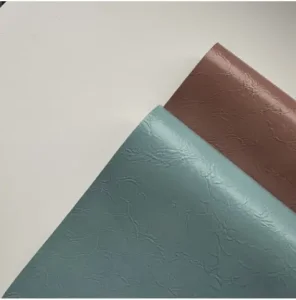
Wholesale Bio-Based Synthetic Leather-0177 for Handbag OEMs
Explore Specification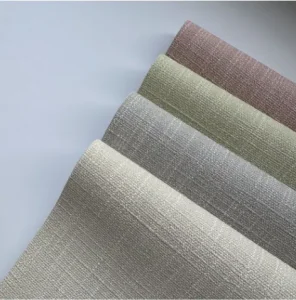
Bio-Based Renewable Synthetic Leather-9384 Athletic Grade
Explore Specification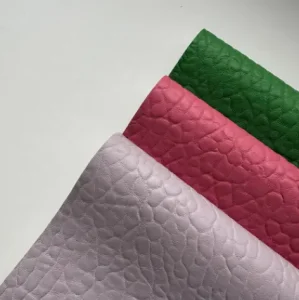
Renewable Synthetic Leather-9293 for Precision Accessories
Explore SpecificationThe Decarbonization Imperative in the Ho Chi Minh City Industrial Ecosystem
The Greater Ho Chi Minh City (HCMC) metropolitan area, anchored by adjacent industrial mega-clusters across Bình Dương, Đồng Nai, and Long An provinces, represents the global beating heart of contract footwear, performance sporting goods, and premium leathercraft assembly. Operating within major export processing zones such as Tân Thuận, Linh Trung, and the broader Amata Bien Hoa basin, enterprise manufacturers have long dominated global supply chains for multi-billion-dollar athletic brands and luxury groups.
However, the macroeconomic landscape across Southern Vietnam is experiencing a profound paradigm shift. Facing the strict implementation of the European Union Corporate Sustainability Due Diligence Directive (CSDDD), the EU Deforestation Regulation (EUDR), and tightening US SEC Climate Disclosures, OEM and ODM facilities in HCMC can no longer rely on conventional, petrochemical-heavy virgin Polyvinyl Chloride (PVC) or fossil-based Polyurethane (PU). Global retail brands have mandated absolute Scope 3 upstream decarbonization targets for 2026–2030, transforming biobased synthetic leather from an experimental differentiator into an uncompromising condition of procurement.
"For Vietnam-based contract exporters, integrating certified bio-based materials is no longer merely an ESG vanity exercise—it is a mandatory passport to maintain Tier-1 supplier status with international sporting, fashion, and automotive conglomerates."
HCMC Hub Regional Market Pressures
- 1. EUDR Compliance: Leather-origin audit requirements push brands toward zero-deforestation bio-synthetics.
- 2. Cát Lái Port Velocity: Direct transit lane demand for upstream functional raw feeds to reduce deadweight inventory.
- 3. Carbon Border Tax (CBAM): Targeted minimization of embedded carbon in ready-to-ship export goods from Long An and Bình Dương.
- 4. Zero VOC Mandates: Strict transition in Vietnamese cut-and-sew workshops away from toxic DMF solvent residues.
Global Enterprise Sourcing Trends: From Petrochemicals to USDA BioPreferred Resins
Procurement directors across Frankfurt, Oregon, and Tokyo are establishing quantifiable metrics to evaluate bio-derived synthetic leathers, transitioning from broad sustainability claims to empirical, carbon-dated laboratory data.
ASTM D6866 Radiocarbon Isotope Tracing
Modern compliance teams reject vague claims of "green leather". Sourcing specifications demand empirical Carbon-14 (¹&sup4;C) isotope testing via ASTM D6866 standards. This methodology verifies the exact fraction of modern biogenic carbon originating from rapidly renewable agricultural crops (corn, castor beans, bio-succinic acid) versus fossil fuel-derived hydrocarbon feedstocks.
Elimination of VOCs & Solvent-Free PU Systems
Traditional wet-coagulation PU relied heavily on Dimethylformamide (DMFa), Dimethylacetamide (DMAc), and toluene. Progressive HCMC factory floors now require complete solvent-free Polyurethane coatings or 100% waterborne PU dispersions that comply fully with ZDHC MRSL Level 3, OEKO-TEX Eco-Passport, and EU REACH candidate lists.
Full Life Cycle Assessment (LCA) Transparency
Brands require cradle-to-gate Life Cycle Assessments aligned with ISO 14040/14044 protocols. By displacing fossil-derived polyols with agricultural side-stream extracts, high-purity biobased synthetic leather delivers verifiable Greenhouse Gas (GHG) reductions ranging from 35% to 68% compared to virgin petroleum-derived PU or chromium-tanned animal hides.
China Factory 4.0 Advanced Synthesis
Our Yingde campus (135,733 m²) harnesses centralized chemical automation, smart DCS reactor control, and a 4.68 MW rooftop photovoltaic matrix to power low-carbon synthetic leather synthesis at an annual scale surpassing 16,000,000 linear meters.
Inline radiometric thickness calibration (±0.02mm), automated computer-vision defect scanning, and closed-loop heat recovery reduce batch variance to near-zero levels.
China Factory 4.0 × HCMC Assembly: The Dual-Engine Advantage
Global supply chain architects increasingly leverage a powerful industrial model: Upstream High-Tech Synthesis in Guangdong combined with Downstream Labor-Intensive Assembly in the Greater Ho Chi Minh City basin. While Vietnam offers unparalleled cut-and-sew craftsmanship and favorable FTAs (CPTPP, EVFTA), local sourcing of specialized, bio-synthesized chemical resins remains highly constrained.
Our intelligent manufacturing facility in Yingde, Guangdong acts as the upstream technological engine for the Ho Chi Minh City processing corridor. Situated within seamless logistical proximity to major shipping terminals, our automated production systems synthesize biobased resins, laminate performance-engineered backing fabrics (recycled RCS polyester, bamboo viscoses, organic cotton), and export high-yield roll goods straight into Cát Lái and Cái Mép deep-water ports within 3 to 5 transit days.
- Absolute Batch Repeatability: Continuous smart-batching ensures that delta-E color variance across multi-thousand-meter bulk shipments remains under 0.5.
- Optimized Tariffs & Compliance: Comprehensive documentation packages, Form E / RCEP Certificate of Origin support, and complete testing dossiers streamline cross-border customs clearing.
- Inventory Agility: Buffer stocking schemes and customized roll slitting mitigate warehouse bottlenecks for contract manufacturers across Bình Dương and Long An.
Biobased Performance Metrics vs. Legacy Substrates
A rigorous empirical comparison demonstrating how modern biobased polyurethanes match or exceed the mechanical and chemical parameters of animal-derived hides and petrochemical plastics.
| Evaluation Parameter | Advanced Biobased Synthetic Leather | Traditional Fossil-Based PU | Chromium-Tanned Cowhide | Test Standard / Method |
|---|---|---|---|---|
| Biogenic Carbon Content | 20% – 50% Verified | 0% (100% Fossil Hydrocarbon) | 100% Animal Protein | ASTM D6866-22 Method B |
| Hydrolysis Resistance (Jungle Test) | 5 to 10+ Years (Non-Flaking) | 1 to 3 Years (Prone to Peeling) | Sensitive to Rot / Mold | ISO 1419 Tropical Chamber (70°C, 95% RH) |
| Bally Flexural Fatigue Resistance | >100,000 Cycles (Room Temp) / 50k (-10°C) | 30,000 – 50,000 Cycles | 50,000 – 80,000 Cycles | ISO 5402 / SATRA TM55 |
| Hazardous Solvent Emissions | Zero DMFa, Zero DMAc, Low VOC | High residual DMF risk | Chromium VI, Formaldehyde Risk | EN 14602 / OEKO-TEX Eco-Passport |
| Roll Yield & Cutting Efficiency | Uniform Continuous Rolls (>98% Yield) | Continuous Rolls (>95% Yield) | Irregular Shapes, Defects (65%–75% Yield) | Automated CNC Die-Cutting Analysis |
| Embodied Carbon Footprint | Low (35–65% reduction vs fossil) | High (Crude oil refining upstream) | Extremely High (Cattle ranching & tanning) | ISO 14044 Life Cycle Assessment |
High-Precision Applications Across Southern Vietnam Manufacturing Clusters
Our biobased synthetic leather portfolio is custom-engineered to drop seamlessly into existing high-speed production lines without tooling modifications.
Tier-1 Athletic Footwear Uppers (Bình Dương & Đồng Nai)
Contract shoe assemblers serving leading sportswear brands require composite upper materials that deliver high tensile tear resistance (≥35 N/mm), precise laser-cutting edges, and compatibility with water-based hot-melt polyurethane adhesive film systems during lasting and pressing.
Designer Luggage, Handbags & Small Leather Goods (HCMC Exporters)
Luxury and contemporary bag studios in Tân Bình and District 7 demand supple hand feel, micro-pebble grain clarity, edge-paint sealing adherence, and zero oil migration. Our bio-resins replicate the tactile drape of premium calfskin with superior stain and colorfastness ratings.
Automotive Seating & Contract Upholstery (Long An Assemblers)
Automotive trim and commercial furniture projects in Southern industrial hubs enforce strict flame retardancy (FMVSS 302), extreme UV resistance (xenon arc weatherometer testing), and low-fogging characteristics to ensure premium indoor air quality within luxury cockpits and hospitality interiors.
Technical Questions Procurement Directors Ask Before Sampling
In-depth engineering answers addressing quality control, sustainability compliance, and logistical workflows into Ho Chi Minh City ports.
How is biobased content verified for Vietnam-based export clearance?
Biobased authenticity cannot be verified through visual or olfactory testing; it requires Carbon-14 radiocarbon analysis conducted according to ASTM D6866 or ISO 16620-2 standards. We supply full testing documentation from accredited global third-party laboratories (such as Beta Analytic) for every manufactured master-batch, giving your international retail buyers undisputed empirical validation for their marketing claims and customs declarations.
What is the standard lead time for roll delivery to Ho Chi Minh City?
Sample yardage and swatch books are dispatched via express air courier within 24–48 hours, reaching HCMC sample rooms in 2 to 3 days. For bulk production orders, typical manufacturing lead time spans 10 to 14 business days. Ocean transit from South China maritime ports (such as Nansha or Yantian) directly to Cát Lái or Cái Mép terminals requires only 3 to 5 sailing days, ensuring unmatched inventory turnaround compared to European competitors.
Can your bio-leather replace genuine animal leather on automated cutting tables?
Yes. Genuine bovine hides have substantial irregular shapes, perimeter neck/belly stretch variations, and natural surface scarring, resulting in significant scrap loss (often 25%–35%). Our biobased synthetic leather is produced in consistent 1.37-meter (54-inch) usable continuous widths with zero internal scar defects, elevating automated CNC vacuum-table cutting efficiency to over 98% while reducing overall waste.
What backing fabrics are paired with the biobased PU surface layer?
True circularity requires holistic engineering. In addition to the plant-derived polyurethane top-skin, we laminate substrates using RCS (Recycled Claim Standard) certified post-consumer recycled PET microfiber, GOTS-certified organic cotton twill, or closed-loop bamboo viscoses. This ensures that the finished multi-layer roll achieves high sustainability integrity across both chemical and structural components.
Does your formulation meet extreme tropical hydrolysis conditions?
Yes. Southern Vietnam's high humidity and temperatures can quickly degrade low-grade polyurethanes through premature hydrolysis. Our biobased polyurethane systems incorporate advanced polycarbonate or specialized polyether polyol blends that successfully pass rigorous Jungle Chamber testing (70°C at 95% relative humidity) for up to 10 weeks without softening, tackiness, or micro-cracking.
What are the minimum order quantities (MOQ) for custom color/grain matching?
Standard catalog references maintained in buffer inventory have an MOQ starting at 300 linear meters per color. For bespoke client-specified formulations—including custom Pantone hue matching, proprietary embossing grain development, or customized flame-retardant chemistry—the baseline production MOQ is 500 to 1,000 meters per production run.
High-Performance Biobased References Available for Bulk Order
Explore our certified plant-origin and bio-synthetic references designed for footwear, fashion apparel, luxury upholstery, and technical goods.
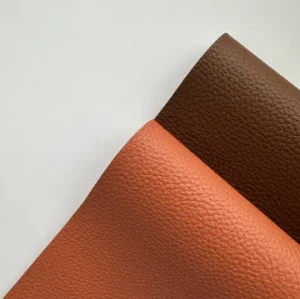
Custom Bio-Based Renewable Synthetic Leather-9109
View Product Specs
Custom Bio-Based Synthetic Leather-2056 for Garments
View Product Specs
OEM Plant-Derived Bio-Based Synthetic Leather-2071
View Product Specs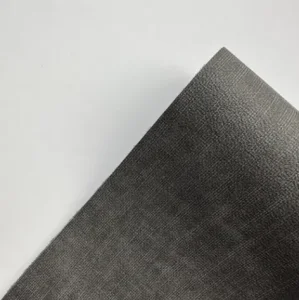
High-Quality Plant-Sourced Bio-Based Leather-9103
View Product Specs
Custom Plant-Derived Synthetic Leather-9081
View Product Specs
Wholesale Plant-Origin Bio-Based Leather-9271
View Product Specs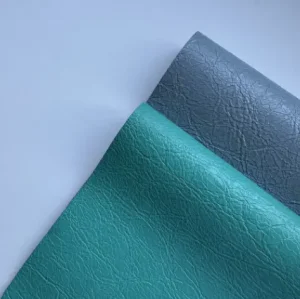
High-Quality Plant-Derived Bio-Based Leather-9213
View Product Specs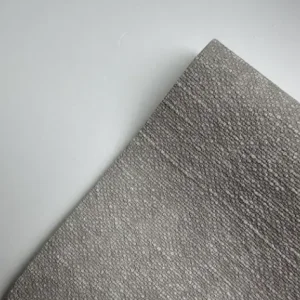
Plant-Derived Bio-Based Synthetic Leather-9020
View Product SpecsPartner with an Audited Biobased Material Manufacturer
Whether you require physical swatch books delivered directly to your Ho Chi Minh City development center, full ASTM D6866 carbon test reports, or custom formulation quotes for upcoming production runs, our technical sales engineers are ready to assist.