
Primary Biobased Articles for Industrial Qualification
Direct factory production lines engineered for Tier-1 supply chains across Southeast Asia, verified under ASTM D6866 radiocarbon metrics.
-

Thailand Wholesale Bio-Based Renewable Synthetic Leather Supply
Product Details & Datasheet → -
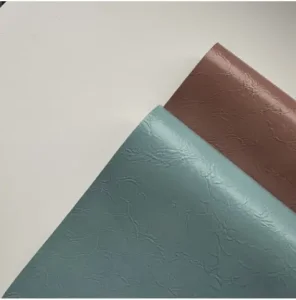
Thailand Bio-Based Renewable Synthetic Leather-0177 Production
Product Details & Datasheet → -
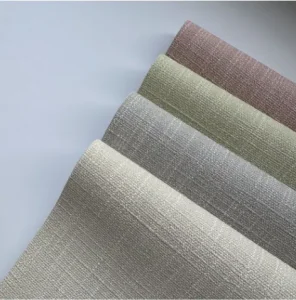
Thailand Plant-Origin Bio-Based Renewable Synthetic Leather-9384
Product Details & Datasheet → -
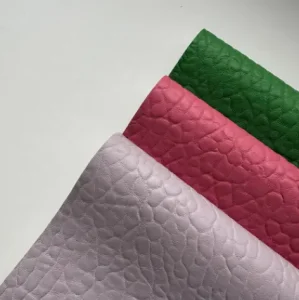
Thailand Bio-Based Renewable Synthetic Leather-9293 Industrial Grade
Product Details & Datasheet →
The Rise of Thailand as Southeast Asia's Premier Biobased Manufacturing Hub
The transformation of the Kingdom of Thailand into an advanced bio-manufacturing powerhouse represents one of the most critical structural shifts in the global synthetic materials landscape. Anchored by the Royal Thai Government's flagship Bio-Circular-Green (BCG) Economy Model and fortified by substantial infrastructure investments within the Eastern Economic Corridor (EEC), Thailand has ceased to be solely an agricultural exporter. Instead, it has emerged as the epicentre of upstream biopolymer refining, advanced green chemical syntheses, and downstream precision coating conversions.
For global enterprise procurement leaders, brand developers, and Tier-1 automotive and apparel suppliers, sourcing custom biobased synthetic leathers and renewable polymer fabrics directly from modern production lines servicing the Thai corridor represents a critical competitive advantage. Historically, polymer synthesis relied heavily on petroleum-derived petrochem polyols and isocyanates. Today, regional bioprocessing infrastructure transforms Thailand's vast renewable biomass reserves—specifically non-food agricultural biomass, industrial cassava starch fractions, and sugarcane molasses derivatives—into complex bio-based polyester and polyether polyols. These bio-feedstocks serve as the primary chemical precursors for next-generation solvent-free and waterborne polyurethane (PU) synthetic leathers.
Navigating Scope 3 Decarbonization & Global Compliance Mandates
Multinational procurement groups are transitioning away from conventional PU and PVC leathers toward audited, traceable bio-synthetic polymers due to tightening international environmental frameworks.
EU CBAM & CSRD Preparedness
With the implementation of the European Union's Carbon Border Adjustment Mechanism (CBAM) and the Corporate Sustainability Due Diligence Directive (CSDDD), supply chains face mandatory product carbon footprint (PCF) audits. Plant-derived polyols inherently sequester biogenic atmospheric carbon during botanical growth, yielding lifecycle global warming potential (GWP) reductions of 35% to 68% relative to virgin petrochemical equivalents.
Stringent RSL & Chemical Safety
Global brands must eliminate persistent hazardous chemicals. Custom biobased polyurethane manufactured via zero-solvent or aqueous dispersion processes avoids DMFa, DMAC, toluene, and halogenated flame retardants, ensuring total compatibility with EU REACH Candidate List (SVHC), RoHS, California Proposition 65, and OEKO-TEX Standard 100 Class I thresholds.
Defensible Third-Party Claims
Vague claims of 'eco-friendliness' expose global enterprises to greenwashing litigation. Biobased products manufactured under verified industrial regimens are backed by ASTM D6866 or DIN EN 16785-1 radiocarbon isotope validation, enabling brands to legitimately license the USDA BioPreferred label and achieve ISO 14040/14044 Life Cycle Assessment accreditation.
Custom Formulation Chemistry: Translating Biomass to Industrial Performance
Engineered polymers must match or exceed the mechanical wear resistance, tensile tear strength, and thermal longevity of traditional fossil-based urethanes.
The central engineering challenge in formulating custom bio-based synthetic leather lies in synthesizing bio-polyols with accurate hydroxyl numbers, controlled molecular weights, and narrow polydispersity indices. Conventional bio-oils often feature unsaturated fatty acid chains that introduce steric hindrance and oxidative susceptibility if unrefined. Advanced precision synthesis utilized in modern contract manufacturing utilizes controlled transesterification, ozonolysis, or enzymatic fermentation routes to generate reactive primary hydroxyl terminations.
When reacted with aliphatic or cycloaliphatic diisocyanates, these engineered plant-origin polyols create durable polyurethane backbones exhibiting outstanding hydrolytic stability. Below is the multi-layered material architecture applied across our Thailand industrial production matrix:
| Layer Structural Position | Chemical Architecture | Renewable / Bio Content | Functional Performance Attributes | Standard Testing Protocol |
|---|---|---|---|---|
| Top Skin Coat (Wear Layer) | Aliphatic Bio-Polycarbonate / Bio-PU Hybrid with fluorocarbon-free anti-fouling siloxane | 30% – 65% Bio-Carbon | Superior scratch resistance, UV fade resistance (QUV 1,000h), zero sticky plasticizer migration | Taber Abrasion CS-10 (1,000g > 5,000 cycles) / Martindale > 100,000 revs |
| Foam Interlayer (Cushioning) | High-resilience waterblown bio-polyether microcellular urethane foam | 40% – 75% Bio-Carbon | Plush hand feel, excellent elastic recovery, dynamic flex fatigue endurance at -20°C | Bally Flexometer ISO 5402 (> 150,000 cycles dry / > 50,000 cycles wet) |
| Adhesive Tie Layer | Aqueous solvent-free bio-polyurethane dispersion (PUD) hotmelt formulation | 35% – 60% Bio-Carbon | High peel strength, high thermal delamination resistance, zero VOC off-gassing | Peel Strength ASTM D903 (> 3.5 N/mm to woven/non-woven substrates) |
| Substrate Base Fabric | 100% Recycled Post-Consumer PET (GRS/RCS Certified) or Bamboo / Tencel Cellulosic Fabric | Up to 100% Recycled / Bio | Directional tensile integrity, seam burst resistance, dimensional stability during cutting | Tensile Strength ISO 1421 / Tear Strength ISO 4674-1 (Peak > 35 N) |
This molecular configuration eliminates the primary failure mode of early-generation bio-leathers—namely, premature surface embrittlement under accelerated tropical weathering. By utilizing specialized antioxidant packages and sterically hindered amine light stabilizers (HALS), these technical biobased membranes withstand standardized Jungle Tests (70°C at 95% relative humidity for 10 to 14 weeks), equating to more than 8 years of actual operational life in demanding high-heat and humid microclimates.
Engineered Application Verticals
From automotive seating to high-abrasion footwear uppers, custom formulations deliver precision performance metrics tailored to OEM tech packs.
Automotive & Transportation Interiors
Engineered to comply with stringent OEM standards (including VDA 270 odour testing, VDA 278 thermal desorption VOC metrics, and FMVSS 302 flame retardancy). Perfectly calibrated for steering wheel wraps, perforated ventilated seating panels, door bolsters, and instrument consoles without foggy window haze.
Performance Athletic & Lifestyle Footwear
High-frequency weldable, scuff-resistant, and high-tensile bio-PU leather built for cleat uppers, skate shoes, and trail-running sneakers. Features enhanced puncture resistance, seamless laser-cutting edge retention, and compatibility with water-based polyurethane shoe bottom assembly cements.
Luxury Handbags, Luggage & Accessories
Delivering an ultra-supple nappa grain or bespoke embossed pebble textures with natural drape and premium recovery. Replaces traditional calfskin and exotic hides with 100% animal-free vegan biobased leather that retains crisp stitch lines, resists edge crack under repetitive flexing, and accepts foil stamping.
Contract Hospitality & Commercial Furniture
Engineered for commercial hotel seating, public transport berths, and architectural paneling requiring Wyzenbeek abrasion resistance exceeding 100,000 double rubs, bleach-cleanable surfaces, resistance to alcohol disinfectants, and CAL 117 / BS 5852 Section 0/1 flame barrier performance.
Consumer Tech Sleeves & Wearables
Formulated with ultra-thin profiles (down to 0.55mm) featuring precise dielectric high-frequency embossing capabilities. Highly resistant to sebum oils, cosmetic sunscreen stains, and localized thermal loads from portable electronic battery enclosures.
Sustainable OEM Brand Customization
Every chemical and mechanical parameter can be tailored: custom PMS / Pantone color matching with Delta E ≤ 0.5 tolerances, bespoke embossing rollers, tailored stretch moduli for vacuum-wrapping complex contours, and adjustable bio-carbon percentages (20% to 75%).
Localized Supply Chain Integration & Compliance Safeguards
Procuring custom biobased materials through Thailand's specialized industrial framework unlocks major geopolitical, economic, and operational advantages. Positioned centrally in the ASEAN economic zone, Thailand provides an integrated industrial bridge that connects feedstock harvesting directly to high-throughput port logistics.
Under Thailand's Board of Investment (BOI) Category 8 incentives, enterprises engaged in the manufacture of eco-friendly chemicals and bio-plastics enjoy statutory duty exemptions on imported capital equipment and streamlined export clearances. For international buyers, this regulatory support directly translates into transparent cost structures, reduced tariff exposure, and resilience against sudden global shipping bottlenecks.
Furthermore, our manufacturing partnerships integrate rigorous Chain of Custody (CoC) documentation. Whether utilizing certified bio-content verified via ASTM D6866 radiocarbon mass spectrometry or post-consumer recycled substrates audited under the Recycled Claim Standard (RCS) and Global Recycled Standard (GRS), every production run is accompanied by lot-specific Transaction Certificates (TC), Certificate of Analysis (COA) dossiers, and Comprehensive Chemical Compliance Statements.
Technological Roadmap: The Evolution of Bio-Synthetic Leather
Strategic research milestones guiding our material synthesis, process carbon optimization, and circular loop recovery.
Drop-In Bio-Polyol Integration
Industrial substitution of petroleum polyols with non-edible plant oil and carbohydrate-derived polyols achieving 30% to 50% ASTM D6866 certified carbon levels in solvent-free polyurethane architectures.
100% Waterborne Bio-PUD
Transitioning complete coating lines to aqueous bio-polyurethane dispersions containing zero hazardous solvents, coupled with post-consumer recycled textile yarn backings for total circularity.
Bio-Isocyanate Commercialization
Synthesizing aliphatic diisocyanates from biobased diamines, pushing total material bio-carbon fraction beyond 85% across both resin coats and adhesive bonding systems.
Monolithic Closed-Loop Circularity
Developing mono-material bio-polyurethane structures capable of end-of-life enzymatic de-polymerization or chemical recycling back into virgin-grade bio-monomers without downcycling.
Frequently Asked Technical & Sourcing Questions
Direct answers addressing compliance, testing procedures, minimum order volumes, and custom formulation parameters.
What precisely defines "Biobased Synthetic Leather," and how is it verified against greenwashing?
Does biobased synthetic leather sacrifice durability, tensile strength, or UV stability compared to standard PU?
Can biobased synthetic leather meet Tier-1 automotive interior cabin air quality specifications?
What are the typical Minimum Order Quantities (MOQ) and production lead times for custom formulations?
How does Thailand's industrial ecosystem assist international brands in reducing Scope 3 supply chain risks?
Which backing fabric substrates can be laminated with the biobased polyurethane resin layer?
What chemical compliance test reports are furnished with each commercial shipment?
Can this biobased leather be recycled or biodegraded at the end of its product lifecycle?
Advanced Biobased & Renewable Technical Reference Series
High-specification custom grain references engineered for footwear, luxury leathergoods, consumer electronics, and contract seating.
-
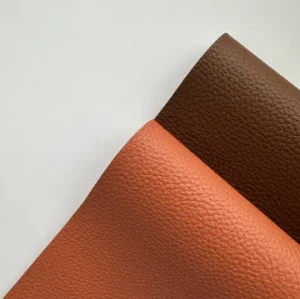
Custom Bio-Based Renewable Synthetic Leather-9109 Thailand Tier-1
Product Details & Datasheet → -
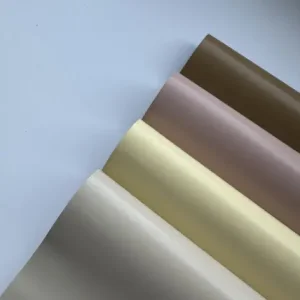
Custom Bio-Based Renewable Synthetic Leather-2056 EEC Specification
Product Details & Datasheet → -

OEM Plant-Derived Renewable Bio-Based Leather-2071 Thailand Line
Product Details & Datasheet → -
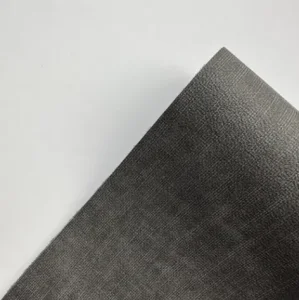
High-Quality Plant-Sourced Bio-Based Leather-9103 Automotive Spec
Product Details & Datasheet → -

Custom Plant-Derived Renewable Bio-Based Leather-9081 Footwear Grade
Product Details & Datasheet → -
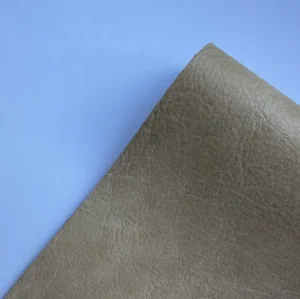
Wholesale Plant-Origin Renewable Biobased Synthetic Leather-9271
Product Details & Datasheet → -
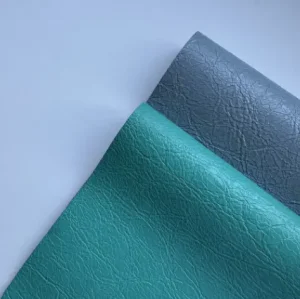
High-Quality Plant-Derived Renewable Biobased Leather-9213 Contract Grade
Product Details & Datasheet → -
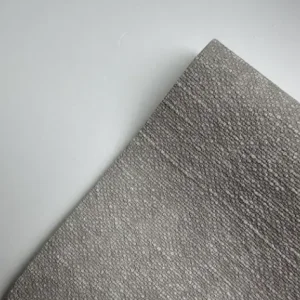
High-Quality Plant-Derived Biobased Synthetic Leather-9020 Export Solution
Product Details & Datasheet →
Accelerate Your Sustainable Material Transition
Request custom sample swatch books, ASTM D6866 certified radiocarbon test reports, or schedule an engineering consultation with our chemical development team.