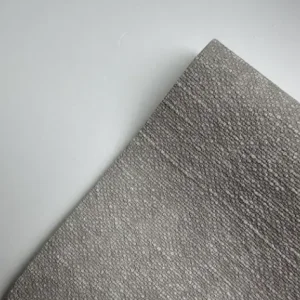
High-Performance Biobased Solutions for Finland
Direct supply from our smart clean-tech manufacturing base to Helsinki, Tampere, and Turku industrial clusters. Verified carbon displacement and industrial-grade mechanical integrity.

Wholesale Bio-Based Renewable Synthetic Leather for Finland
Explore Article Spec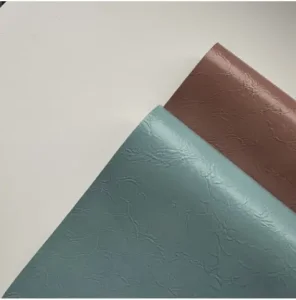
Bio-Based Renewable Synthetic Leather-0177 (Finland Spec)
Explore Article Spec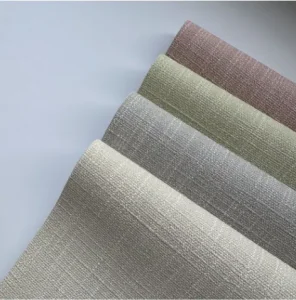
Bio-Based Renewable Synthetic Leather-9384 (Nordic Grade)
Explore Article Spec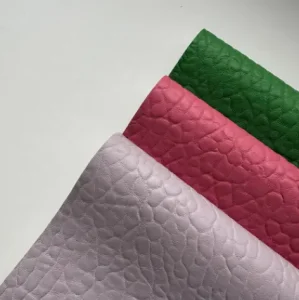
Bio-Based Renewable Synthetic Leather-9293 (Industrial Class)
Explore Article SpecFinland’s Carbon Neutral 2035 Target: The Materials Imperative
How the Nordic frontrunner in circular economy drives global demand for drop-in biobased polymer alternatives.
Aggressive Decarbonization Mandates
Finland aims to become carbon neutral by 2035 under its Climate Act. Finnish manufacturers across marine, automotive interior, specialized workwear, and contract furniture are aggressively phasing out 100% petroleum-derived PU and PVC, mandating biobased carbon content verified through radiocarbon analytical protocols.
Severe Sub-Zero Environmental Demands
Materials utilized in the Finnish market must operate consistently down to -35°C to -40°C without interfacial delamination, matrix micro-cracking, or loss of tactile flexibility. Our customized bio-polyol matrix ensures cold flexural durability and crack resistance (ISO 5402-1 testing certified).
Corporate Scope 3 Traceability
Nordic Tier-1 suppliers and OEMs subject to the EU Corporate Sustainability Due Diligence Directive (CSDDD) and CSRD require granular Life Cycle Assessment (LCA) tracking. We provide gate-to-gate verified Carbon Footprint declarations and raw material chain-of-custody data for every production batch.
Direct Factory Scalability: Mitigating the Nordic Green Premium
While Finland excels in biomaterials research and green tech architecture, domestic production often faces exorbitant energy and operating expenditures, leading to a high "green premium" on commercial finished goods. Yingde City JiangXin New Material Co., Ltd. (JX.ECO) bridges the gap between clean lab formulation and industrial-scale delivery.
Operating from our integrated 135,733 m² clean-tech production campus powered by an on-site 4.68 MW rooftop photovoltaic array, we maintain complete control over polyol blending, water-based synthesis, surface micro-embossing, and backing-fabric laminated composite assembly.
- Raw Material Hedging: Direct sourcing of non-food plant feedstocks (castor, corn, bio-succinic acid) to eliminate supply volatility.
- Solvent-Free & Water-Based: Zero DMF, zero toluene, and ultra-low VOC emissions compliant with European indoor air standards.
- Rapid Color & Grain Prototyping: Dedicated sample workshop ensuring rapid dispatch of custom swatches to Helsinki within 4 to 6 business days.
Technical Performance Comparison
Comparing traditional petrochemical PU with JiangXin cold-climate biobased alternatives engineered for Finland.
| Property | Petroleum PU | JX.ECO Biobased PU |
|---|---|---|
| Bio-Carbon Share | 0% | 30% – 75% (ASTM D6866) |
| Cold Crack (-30°C) | Failure < 20k cycles | Passed > 100k cycles |
| DMF/Solvent Content | 50–300 ppm | 0 ppm (DMF-Free) |
| Hydrolysis Resistance | 3–5 Years (Jungle Test) | 7–10 Years (Polycarbonate base) |
| Carbon Footprint (Cradle-to-Gate) | High baseline | 35%–52% Reduction |
Tailored Engineering for Finnish Industrial Sectors
From ice-class marine vessels sailing the Gulf of Bothnia to ergonomic commercial interiors in Espoo.
Nordic Marine & Cruise Interiors
Supplying the Turku shipbuilding cluster with biobased upholstery engineered for stringent IMO FTPC fire retardancy standards. Features exceptional resistance to salt-spray mist, microbial degradation, and intense UV yellowing without compromising luxury grain feel.
Forestry & Heavy Equipment Seating
Tough, puncture-resistant synthetic surfaces for heavy vehicle cabs manufactured in central and western Finland. Validated for high-cycle Martindale abrasion (>150,000 revs) combined with elastic recovery during freezing Nordic operating seasons.
Architectural Contract Furniture & Public Spaces
Designed for public institutions, healthcare environments, and Nordic design studios in Helsinki. Surface coatings resist rigorous hospital-grade alcohol disinfectants and detergent sanitization without plasticizer leaching or micro-fissuring.
Strict Regulatory Assurances for the European Union
End-to-end certification packages verifying that materials cross Finnish borders without customs clearance delays or chemical scrutiny bottlenecks.
EU REACH SVHC Compliance
Regularly updated third-party testing via SGS/TÜV confirming absence of substances on the Candidate List of Substances of Very High Concern (SVHC), including short-chain chlorinated paraffins and restricted organotins.
6P Phthalate-Free Guarantee
Formulated using bio-plasticizers and reactive cross-linking agents, entirely bypassing regulated ortho-phthalates (DEHP, DBP, BBP, DINP, DIDP, DnOP) for safe consumer tactile interaction.
OEKO-TEX Standard 100 & Higg FEM
Clean manufacturing processes verified by factory-level Higg Facility Environmental Module scores and skin-contact harmlessness certification, facilitating seamless corporate ESG compliance reporting.
Frequently Asked Sourcing Questions: Finland Market
Specific technical, logistic, and testing inquiries addressed by our material engineers.
How does your factory substantiate bio-based claims for Finnish customs and auditors?
Every biobased production lot can be accompanied by an analytical test certificate executed in accordance with ASTM D6866 (Method B, AMS) radiocarbon analysis. This definitively differentiates between fossil-derived modern carbon and plant-derived renewable carbon. We also supply raw material origin traceability records to fulfill supply-chain due diligence criteria.
Can your biobased materials endure northern Finland's winter road conditions and salt?
Yes. Our cold-climate formulations incorporate specialized polycarbonate-polyether modified bio-polyols that inhibit crystallization at low temperatures. In testing, our materials endure over 100,000 cycles on the Bally Flexometer at -30°C without surface rupturing, alongside salt-fog exposure testing up to 1,000 hours per ASTM B117.
What are your Minimum Order Quantities (MOQ) and lead times to Finnish ports?
For custom custom color-matched and grain-embossed articles, our standard MOQ is 500 to 1,000 linear meters per specification. Production lead time is typically 12 to 18 days. Ocean transit to Helsinki or Kotka via Hamburg or direct transshipment takes approximately 30 to 35 days, while air couriers handle sampling swatches in 4 to 6 business days.
Can your biobased synthetic leather be laminated with sustainable backing fabrics?
Yes. We offer fully integrated backings including 100% GRS/RCS-certified post-consumer recycled PET (polyester), certified organic cotton, TENCEL™ lyocell, or plant-derived viscose, providing Finnish brands with a cohesive, eco-balanced substrate from face to backing.
Extended Biobased Synthetic Leather Catalog for Nordic Buyers
Explore our complete spectrum of plant-derived renewable grains, custom engineered for diverse upholstery, apparel, luggage, and specialized equipment manufacturing.
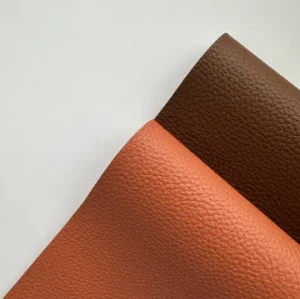
Custom Bio-Based Renewable Synthetic Leather-9109 (Finland Spec)
Explore Article Spec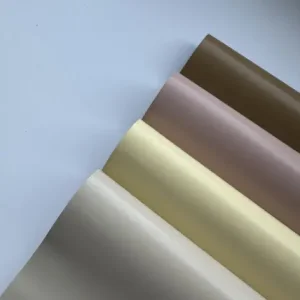
Custom Bio-Based Renewable Synthetic Leather-2056 (Helsinki Edition)
Explore Article Spec
OEM Plant-Derived Renewable Bio-Based Synthetic Leather-2071
Explore Article Spec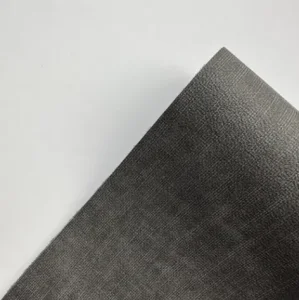
Plant-Sourced Bio-Based Renewable Synthetic Leather-9103
Explore Article Spec
Custom Plant-Derived Renewable Bio-Based Synthetic Leather-9081
Explore Article Spec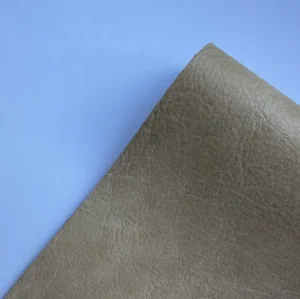
Plant-Origin Renewable Bio-Based Synthetic Leather-9271
Explore Article Spec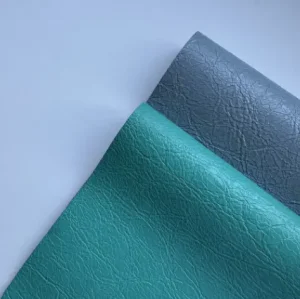
Plant-Derived Renewable Bio-Based Synthetic Leather-9213
Explore Article Spec