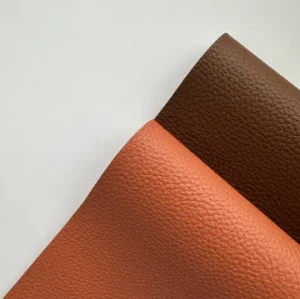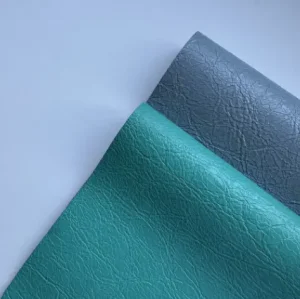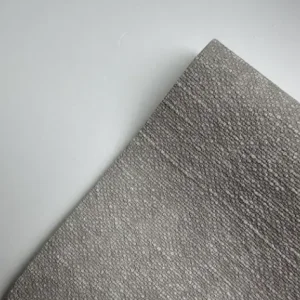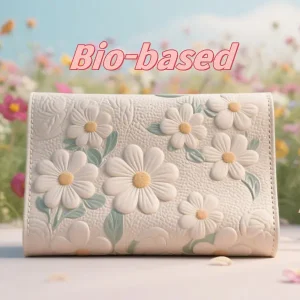
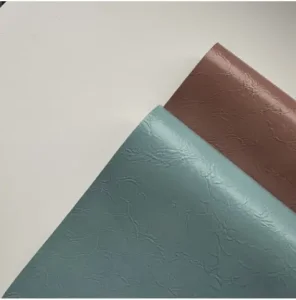
Iraq is experiencing an unprecedented structural transition. With major national infrastructure rebuilds centered in Baghdad, Basra, and the Kurdistan Region (Erbil and Sulaymaniyah), there is an intensifying legislative and commercial pivot toward green construction, low-VOC polymers, and decarbonized supply chains. Historically dependent on direct hydrocarbon refining, Iraqi domestic industrial sectors are modernizing procurement mandates to align with international ESG benchmarks.
Traditional petrochemical derivatives such as pure PVC (polyvinyl chloride) and conventional solvent-heavy DMF PU coatings present profound operational challenges under Iraq's severe climatic stressors—where daytime operational temperatures frequently exceed 50°C. In such hyper-arid, high-UV environments, traditional synthetic surfaces suffer from plasticizer migration, brittleness, micro-cracking, and volatile chemical outgassing. The transition to advanced biobased synthetic leather provides Iraqi fabricators with resilient, ecologically certified, plant-derived alternatives that outperform legacy polymers.