
Featured Bio-Based Renewable Solutions
Audited ASTM D6866 certified polyols ready for immediate factory sampling in Bangladesh.
-
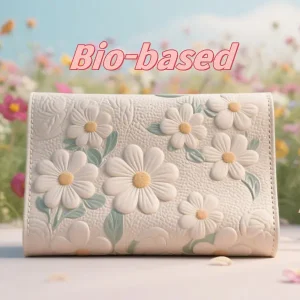
Wholesale Bio-Based Renewable Synthetic Leather for Bangladesh Footwear & Apparel
View Product Specs -
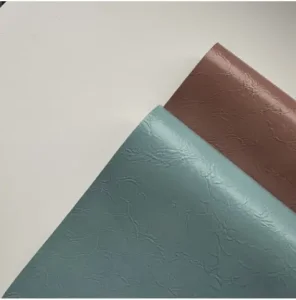
Bio-Based Renewable Synthetic Leather-0177 (High-Tensile Grade for Savar & Gazipur)
View Product Specs -
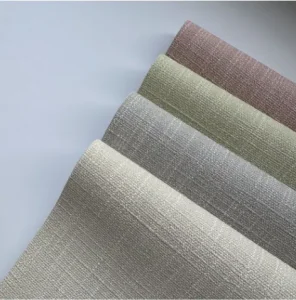
Plant-Derived Synthetic Leather-9384 (Engineered for LFMEAB Export Standard)
View Product Specs -
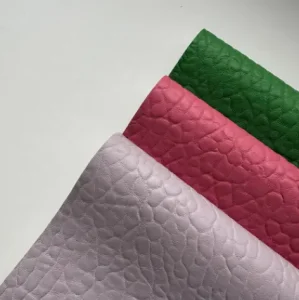
Renewable Synthetic Leather-9293 (Hydrolysis-Resistant for Monsoon Climates)
View Product Specs
The Green Shift: Transforming Bangladesh's RMG and Leather Goods Ecosystem
As the world's second-largest apparel exporter, Bangladesh is at a defining crossroads. The confluence of the Savar Tannery Estate transformation, tightened EU environmental directives (CSDDD, ESPR), and stringent zero-discharge standards makes biobased non-animal leather an urgent operational imperative rather than a luxury niche.
Overcoming the Savar Tannery Paradigm
The historic migration from Dhaka's congested Hazaribagh cluster to the dedicated Savar Tannery Industrial Estate underscored Bangladesh’s commitment to industrial environmental compliance. However, operational hurdles with Central Effluent Treatment Plants (CETPs), solid waste management, and Chromium-VI discharge thresholds continue to challenge traditional bovine leather processors.
Forward-thinking manufacturers affiliated with the Leathergoods And Footwear Manufacturers & Exporters Association of Bangladesh (LFMEAB) and BGMEA are actively mitigating environmental risks by onboarding solvent-free, biobased synthetic alternatives. Replacing animal hide and fossil-derived polyurethanes with bio-polyols ensures zero chromium runoff, drastically lowers chemical oxygen demand (COD), and aligns factory footprints with global zero-discharge targets.
Conquering EU CBAM & Supply Chain Decarbonization
With more than 50% of Bangladesh’s finished footwear, apparel, and fashion accessories targeted for European Union and North American retail distribution, local supply chains face unprecedented scrutiny. The impending rollout of the EU Carbon Border Adjustment Mechanism (CBAM) and digital product passports (DPPs) penalizes high-carbon inputs.
By integrating biobased leather synthesized from agricultural feedstocks (such as industrial corn-starch polyols and castor oil derivatives), tier-1 and tier-2 exporters in Gazipur, Narayanganj, and Chittagong achieve up to a 42% reduction in Scope 3 greenhouse gas emissions compared to legacy petrochemical PU or chrome-tanned cattle skins.
Molecular Architecture: High-Performance Biobased PU Systems
Modern Tier-1 fashion brands do not compromise on tactile sensation, breaking strength, or hydrolytic durability. Our biobased synthetic polymers solve the historic dichotomy between sustainability and mechanical performance.
Renewable Feedstock Origin
Instead of crack-distilling fossil crude oil to formulate ethylene and propylene glycols, our synthesis incorporates non-food-grade botanical resources. Castor seed oils, fermented agricultural starches, and sugarcane waste biomass are transesterified into functional bio-polyols.
- Zero disruption to animal habitats
- USDA BioPreferred verified radiocarbon content
- Non-food chain competing renewable inputs
Waterborne & Solvent-Free PU
Traditional synthetic production heavily relies on dimethylformamide (DMFa), toluene, and methyl ethyl ketone (MEK). Our high-solid, solvent-free coating and water-dispersed PU lines eliminate volatile organic compounds (VOCs) entirely during processing.
- DMFa < 5 ppm (surpassing strict EU REACH limits)
- Odorless finish ideal for apparel and luggage
- Energy-efficient coagulation curing ovens
Monsoon Humidity Resistance
Bangladesh’s humid subtropical climate (frequently exceeding 85% relative humidity) poses aggressive hydrolysis risks for inferior synthetic leathers. Our molecular chain engineering integrates sterically hindered polyether segments.
- Jungle Test: 7 to 10+ weeks without peeling
- Bally Flexometer: 100,000+ flex cycles without cracking
- Pencil Hardness & Taber abrasion class 4+
Comprehensive Compliance Matrix for International Brand Onboarding
Procurement heads, QA directors, and compliance managers in Bangladesh need unassailable documentary evidence. We eliminate shipment rejection risks with accredited laboratory verification on every production lot.
| Regulatory Standard | Testing Protocol | Certified Performance Level | Target Brand Mandate |
|---|---|---|---|
| USDA BioPreferred | ASTM D6866 Radiocarbon Analysis | 30% to 70% Measured Biobased Carbon | North American Retail Sustainability Labeling |
| EU REACH Regulation | GC-MS & ICP-OES Analytical Screen | 0 SVHC candidates (<0.1% w/w threshold) | European Fashion & Footwear Import Clearance |
| ZDHC MRSL Level 3 | Zero Discharge Gateway ChemCheck | Conformant (Zero intentional toxic chemistry) | Clean Factory & Zero Effluent RMG Audits |
| OEKO-TEX Eco Passport | Standard 100 Class I & II Toxicology | Free of heavy metals, pesticides, organotins | Skin-Contact Childrenswear, Shoes & Belts |
| Higg FEM 4.0 | Sustainable Apparel Coalition Module | Fully Verified Facility Environmental Footprint | Global Tier-1 Vendor Scorecard Optimization |
Direct Bangladesh Support: All shipping documents include customized Certificate of Analysis (CoA), Transaction Certificates (TC for GRS/RCS combinations), and ASTM D6866 carbon-isotope testing documentation formulated to clear Chittagong customs and port chemical inspection without clearance delays.
Streamlined Sourcing & Rapid Supply Protocol for Bangladesh
We bridge world-class clean synthesis with localized delivery logistics, enabling merchandising teams in Dhaka to sample rapidly and scale production without container bottleneck risks.
Tech Pack & RSL Mapping
Submit target grain, thickness (0.6mm–2.2mm), backing fabric (RCS recycled poly, bio-cotton, or microfibre), and restricted substance list.
Lab Dip & A4/Yardage Sampling
Rapid prototype dispatch via DHL/FedEx to your Dhaka, Gazipur, or Narayanganj development teams within 5–7 working days.
Pilot Batch Validation
Conduct needle cutting, skiving, stitching, lasting, and high-frequency embossing tests under actual factory floor conditions.
Bulk Freight to Chittagong / DAC
Direct FCL/LCL shipping lanes to Chittagong Sea Port, or expedited air cargo handling to Hazrat Shahjalal International Airport (DAC).
Buyer FAQ: Sourcing Biobased Materials for Bangladesh Production
Direct technical answers for commercial merchandisers, sourcing heads, and sustainability officers operating in Bangladesh's competitive manufacturing landscape.
How does biobased synthetic leather compare to traditional bovine leather in Bangladesh footwear factories? +
What exact test methods verify that the materials delivered are genuinely bio-derived? +
Can these materials tolerate high heat, humidity, and intense monsoon seasons in Bangladesh? +
Can we request customized backings like GRS-certified recycled polyester or organic cotton? +
What are the lead times and shipping routes for factory delivery into Dhaka or Chittagong? +
How does biobased PU leather help Bangladeshi manufacturers clear European Due Diligence audits? +
Expanded Plant-Derived & Biobased Catalog for Bangladesh
Select from our certified inventory of high-durability, customizable synthetic leather articles. Engineered for shoe uppers, luxury luggage, protective outerwear, and automotive accessories.
-
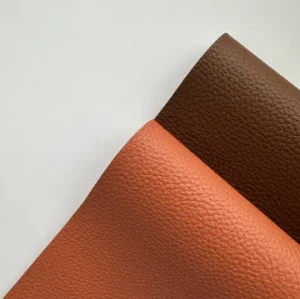
Custom Bio-Based Renewable Synthetic Leather-9109 (Premium Handbag Grain)
View Product Specs -
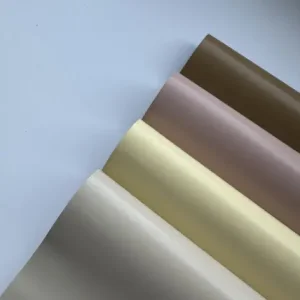
Custom Bio-Based Renewable Synthetic Leather-2056 (Heavy-Duty Luggage Grade)
View Product Specs -

OEM Plant-Derived Bio-Based Synthetic Leather-2071 (Soft Apparel Drape Finish)
View Product Specs -
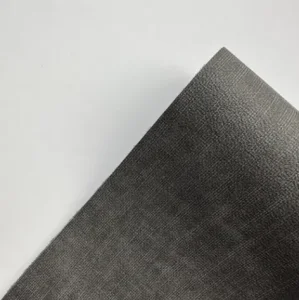
Plant-Sourced Renewable Synthetic Leather-9103 (High-Tensile Sneaker Upper)
View Product Specs -

Custom Plant-Derived Bio-Based Synthetic Leather-9081 (Scratch-Resistant Surface)
View Product Specs -
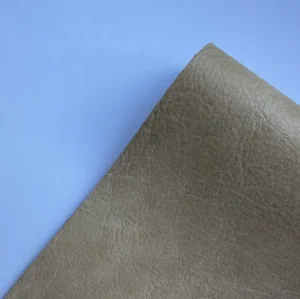
Wholesale Plant-Origin Bio-Based Synthetic Leather-9271 (Flexible Garment Grade)
View Product Specs -
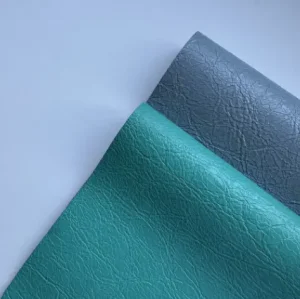
Plant-Derived Renewable Bio-Based Synthetic Leather-9213 (Fine Nappa Tactile Feel)
View Product Specs -
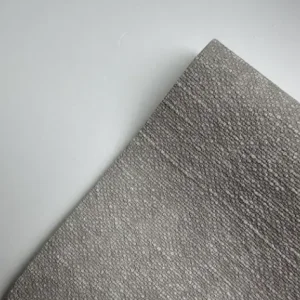
High-Quality Plant-Derived Bio-Based Synthetic Leather-9020 (Micro-Embossed Trim)
View Product Specs
Partner with an Audited Biobased Leader for Bangladesh's Next-Generation Exports
Whether preparing prototype collections for European buyers, fulfilling ZDHC zero-discharge mandates, or seeking high-yield alternatives to local tannery constraints, our engineering team supplies complete swatches, physical test certificates, and responsive logistics support.