
High-Performance Bio-Composite Substrates for New York Clients
Engineered for high-throughput cutting yield, zero surface grain variance, and full compliance with North American chemical restrictions.
-
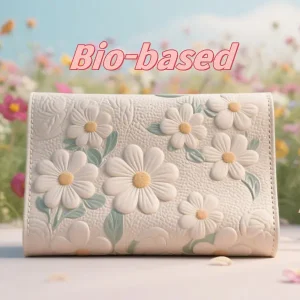
New York Flagship Grade Wholesale Bio-Based Renewable Synthetic Leather
Explore Specifications → -
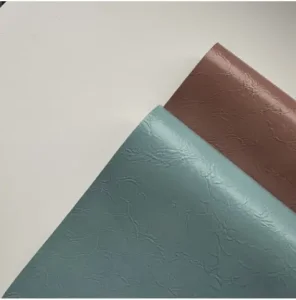
High-Elongation Bio-Based Synthetic Leather-0177 for NY Fashion Line
Explore Specifications → -
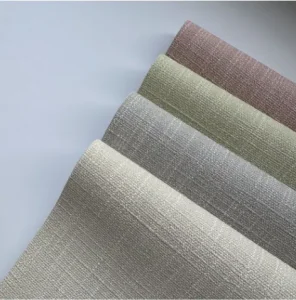
Scratch-Resistant Bio-Based Synthetic Leather-9384 Commercial Spec
Explore Specifications → -
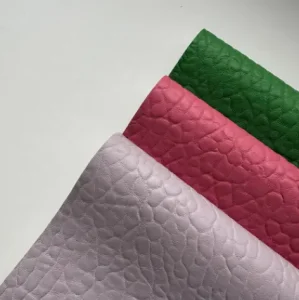
Textured Micro-Porous Bio-Based Leather-9293 for Footwear & Upholstery
Explore Specifications →
The New York Sustainable Material Imperative: Fashion Avenue to High-Spec Interiors
The state of New York, anchored by Manhattan’s global fashion capital and upstate transportation corridors, is undergoing the most rapid decarbonization transition in North America. Brands operating on 7th Avenue, Soho design houses, and multi-tenant commercial developers in Midtown are no longer viewing sustainable materials as an elective marketing feature. Driven by legislative pressure such as the New York Fashion Sustainability and Social Accountability Act, New York Executive Order 22, and NYC Local Law 97, enterprise procurement teams are demanding Scope 3 supply chain traceability and validated biogenic content.
JiangXin New Material (JX.ECO) bridges the gap between high-concept New York design expectations and industrial-scale manufacturing reality. We engineer biobased synthetic leathers that eliminate traditional petrochemical dependencies without sacrificing the luxurious drapability, supple haptics, and ultra-high tensile strength required by premier New York retail and commercial specifications.
"New York enterprise buyers cannot trade off durability for circularity. If a biobased polymer cracks under Martindale 50,000-cycle rub tests or emits volatile organic compounds in enclosed architectural spaces, it cannot scale. Our materials combine chemical purity with heavy-duty contract performance."
— Lead Material Formulation Engineer, JX.ECO Research LabManhattan Luxury Garments & Footwear
Garment and luxury footwear brands centered in NYC require buttery-soft drape, exact gauge consistency down to ±0.05 mm, and vibrant colorfastness that survives damp coastal winters and dry indoor heating.
Commercial Architectural & Hospitality Projects
From Hudson Yards corporate suites to Brooklyn boutique hotels, high-occupancy interiors demand non-phthalate biobased leathers compliant with California Prop 65, CAL 133 flammability, and low-VOC emissions.
Biobased Material Roadmap: Replacing Fossil Hydrocarbons with Plant Polyols
A rigorous polymer breakdown of how we synthesize non-food industrial starch, agricultural waste, and natural castor/canola feedstocks into long-chain polyurethane polymers.
Phase 1: Bio-Polyol Synthesis
Rather than synthesizing polyether or polyester polyols from petroleum naphtha crackings, JX.ECO utilizes certified bio-fermented polyols extracted from non-food plant feedstocks. This reduces upstream carbon intensity by up to 48% at the resin creation stage.
- Feedstock: Industrial starch & castor-derived sebacic derivatives
- Zero interference with human food crop chains
- ASTM D6866 radiocarbon C14 testable baseline
Phase 2: Solvent-Free Crosslinking
Traditional synthetic leather relies on DMF (Dimethylformamide) or toluene carriers. Our facility deploys 100% solid-content water-borne and solvent-free PU reactive coating lines, eliminating toxic volatile organic releases entirely.
- Zero DMF, DMAC, Toluene, or Phthalate solvents
- Molecular cross-linking yields high abrasion resistance
- Superior tensile cohesion between topcoat and backing
Phase 3: Recycled & Bio Substrates
A true biobased leather cannot sit upon a virgin polyester backer. We combine plant polyol surface matrices with recycled post-consumer PET (RCS certified) or natural woven hemp, Tencel, and organic cotton textile bases.
- Total composite sustainability profile
- Microfiber interlock structure mimicking real dermis
- Enhanced breathability and heat dissipation profiles
| Performance Parameter | JX.ECO Biobased Leather | Conventional Fossil PU Leather | Traditional Animal Leather |
|---|---|---|---|
| Renewable / Biogenic Content | 30% to 75% (ASTM D6866 Certified) | 0% (100% Fossil Petroleum Based) | Organic Natural Collagen (Tanned) |
| Carbon Footprint (Cradle-to-Gate) | Ultra-Low (~2.8 kg CO₂ eq/m²) | High (~9.4 kg CO₂ eq/m²) | Extremely High (>45 kg CO₂ eq/m²) |
| Harmful Residuals (DMFa / Phthalates) | Zero Detected (<5 ppm REACH RSL) | Commonly 50–500 ppm unless scrubbed | Chromium VI, Formaldehyde risks |
| Hydrolysis Resistance (Jungle Test) | 5 to 10+ Years (Custom Formulation) | 2 to 4 Years typical degradation | Subject to rotting under damp storage |
| Roll Yield Consistency (Cuttable Width) | >98% Usable Yield (Continuous 1.37m) | >95% | 60% to 70% (Irregular shapes & flaws) |
China Factory 4.0: Supply Chain Resilience, Scalability & Cost Precision
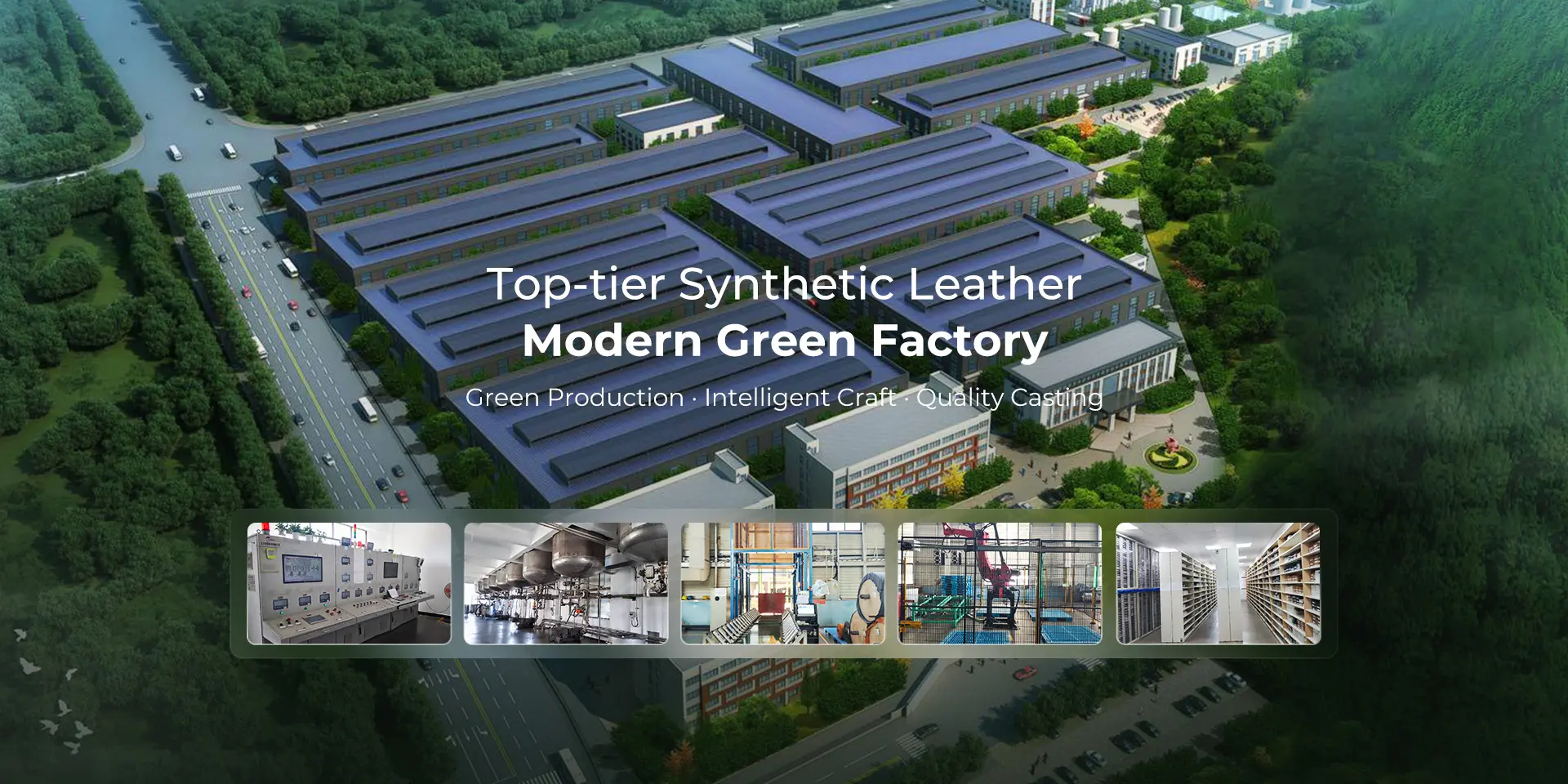
Sourcing sustainable materials for high-volume enterprise orders in New York requires more than laboratory prototypes; it demands unwavering industrial reliability, high line speeds, and transparent unit economics. Located in Yingde, Guangdong, Yingde City JiangXin New Material Co., Ltd. (JX.ECO) operates an expansive 135,733-square-meter modern manufacturing campus engineered from the ground up for clean production.
Our facility combines German-engineered multi-head coating stations, automated computer-vision surface flaw detection, and real-time viscosity adjustment systems. Backed by an on-site 4.68 MW rooftop photovoltaic solar plant and closed-loop regenerative thermal oxidizers (RTO) for heat and waste recovery, we produce over 16 million meters of technical synthetic leather annually. This vertical integration protects our American partners from raw material volatility, offering fixed contractual pricing and stable lead times.
New York Regulatory Alignment: Eliminating Greenwashing Risks
Comprehensive third-party audit trail documentation protecting luxury brands, tier-one manufacturers, and institutional developers from regulatory liability.
USDA BioPreferred® Program
Our biobased grades are tested and verified under ASTM D6866 standard methods using precise carbon-14 accelerator mass spectrometry. We supply verifiable percentages so your compliance officer can safely stamp official USDA Biobased labeling on product hangtags and technical specs.
REACH, RoHS & California Prop 65
Every dye, additive, and resin batch is screened against the 240+ Substances of Very High Concern (SVHC) on the European Chemical Agency (ECHA) list and California Proposition 65 lists. Tested by independent labs (SGS, TÜV Rheinland, Intertek) to ensure absolute zero phthalate presence.
Higg Index & amfori BSCI Social Audits
New York buyers face intensifying ethical scrutiny. We publish verified Higg Facility Environmental Module (Higg FEM) data and maintain valid amfori BSCI factory audits. This proves fair labor conditions, safe non-toxic work environments, and on-site chemical mitigation.
End-To-End Bespoke Customization for North American Sourcing
No two manufacturing processes are identical. We formulate custom skin topcoats, backing fibers, and emboss profiles to match your production equipment.
1. Mechanical Haptics & Grain
Choose from over 3,000 grain rollers including Nappa, Saffiano, Pebble, Nubuck, Pull-Up, and bespoke micro-reliefs. Adjustable surface gloss from ultra-matte (5° sheen) to patent high-gloss.
2. Severe Environmental Durability
Formulations with up to 10 years of jungle hydrolysis resistance (70°C, 95% RH), cold-crack resistance to -25°C for freezing upstate winters, and UV stabilizers that pass ASTM G154 standards.
3. Antimicrobial & Easy-Clean
Non-leaching antibacterial barrier additives for healthcare and high-traffic transportation seats. Repels common stains including denim dye transfer, coffee, alcohol sanitizers, and ballpoint ink.
Certified Biobased Synthetic Leather Catalog for North American Delivery
Select from our high-volume production articles. All references support bespoke gauge (0.5mm - 2.2mm), tailored backings, and customized Pantone shades.
-
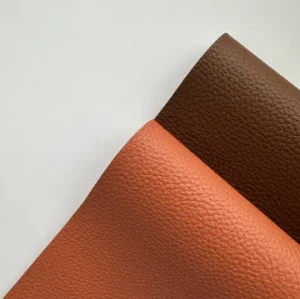
Custom Bio-Based Renewable Synthetic Leather-9109 for NY Footwear
Review Technical Data → -
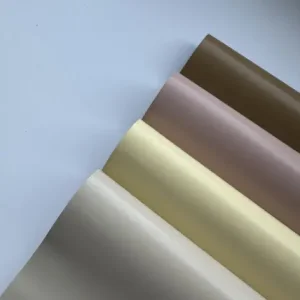
Flexible Hand-Feel Bio-Based Synthetic Leather-2056 Apparel Grade
Review Technical Data → -
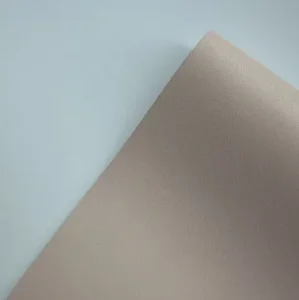
OEM Plant-Derived Bio-Based Synthetic Leather-2071 for Luxury Luggage
Review Technical Data → -
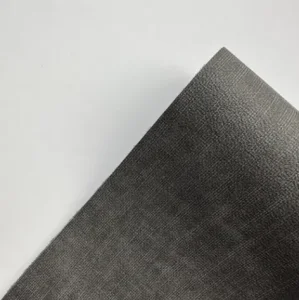
High-Quality Plant-Sourced Bio-Based Leather-9103 Automotive Tier-1
Review Technical Data → -

Custom Plant-Derived Bio-Based Leather-9081 for Brooklyn Handbags
Review Technical Data → -
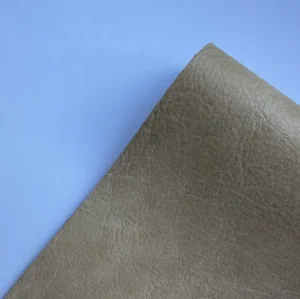
Wholesale Plant‑Origin Bio‑Based Synthetic Leather-9271 High-Tear Line
Review Technical Data → -
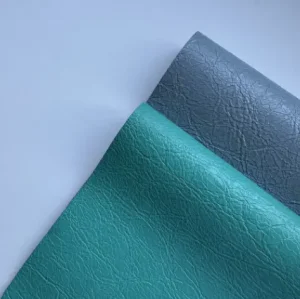
High-Quality Plant‑Derived Bio‑Based Leather-9213 Contract Upholstery
Review Technical Data → -
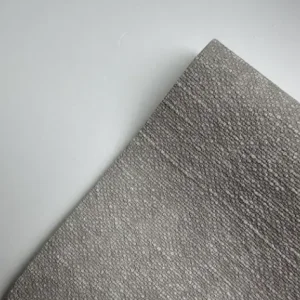
High-Quality Plant‑Derived Bio‑Based Leather-9020 Delicate Grain Finish
Review Technical Data →
Frequently Asked Questions by North American Sourcing & Quality Teams
Direct technical answers addressing physical testing, testing methodologies, lead times, and customs clearance protocols for shipments serving New York.
How is the biobased carbon content verified for USDA and New York statutory requirements?
Biobased carbon content is analytically verified using ASTM D6866 (Standard Test Methods for Determining the Biobased Content of Solid, Liquid, and Gaseous Samples Using Radiocarbon Analysis). This method measures the ratio of radioactive Carbon-14 (present in modern biological matter) versus Carbon-12 (fossil hydrocarbons). Our products consistently demonstrate between 30% and 75% renewable biobased carbon content. Batch-specific test reports from accredited third-party laboratories such as Beta Analytic are issued alongside bulk shipments to guarantee complete traceability for your brand's compliance filings.
How does biobased PU leather compare to traditional petroleum-derived PU in durability?
Our biobased polyol matrix undergoes molecular re-engineering to deliver mechanical performance parity—and in specific matrices, superior performance—to conventional virgin petroleum PU. JX.ECO biobased leathers achieve over 50,000 to 100,000 cycles on Martindale abrasion tests (ISO 12947-2), 7 to 10 years of accelerated jungle hydrolysis resistance (70°C at 95% relative humidity), and withstand severe Bally flexing tests exceeding 100,000 cycles at room temperature without micro-cracking or grain delamination.
What is the standard production lead time and shipping logistics timeline to New York?
Standard lab-dip and customized swatch prototyping is completed in 3 to 5 business days and dispatched to Manhattan or upstate design studios via international express (DHL/FedEx air, 3-4 days). Bulk container production runs typically require 15 to 20 calendar days following color/strike-off signoff. Sea freight from Shenzhen or Guangzhou ports to the Port of New York and New Jersey takes approximately 24 to 28 days via direct Panama Canal routings. We offer FOB, CIF, or full DDP terms with all US customs tariffs and environmental clearance paperwork handled upfront.
Can our brand combine biobased coatings with recycled backing fabrics (RCS certified)?
Yes. Many high-tier New York fashion and contract interior projects specify hybrid circularity: combining our plant-derived bio-polyol surface coat with a 100% Recycled Claim Standard (RCS) certified post-consumer recycled polyester (rPET) microfiber or knitted base. This structure maximizes environmental scorecards by replacing fossil virgin polymers across both the skin and the structural backing, accompanied by official Transaction Certificates (TC) tracking the material flow through the Textile Exchange chain of custody.
What is your Minimum Order Quantity (MOQ) for custom color-matching and texture embossing?
For standard catalog colors and running embossed grain selections, our baseline MOQ is 300 to 500 meters per color. For fully bespoke colorway developments matched to Pantone TCX/TPG references, custom surface grain mold engraving, or tailored flame retardancy/hydrolysis chemistries, typical bulk MOQs start at 1,000 meters. Pilot sampling rolls (50 to 100 meters) can be scheduled on our semi-works testing line for brand prototyping prior to commercial production.
Do your biobased materials comply with NYC fire codes and indoor air quality standards?
Yes. Our commercial upholstery and contract seating formulations can be engineered to pass CAL TB 117-2013, NFPA 260, and British Standard BS 5852 Crib 5 without using toxic halogenated flame retardants. Because our production utilizes water-borne and solvent-free PU lines, emissions of volatile organic compounds (VOCs) are negligible, facilitating indoor air quality certifications such as GREENGUARD and LEED v4 credit contributions for architectural developments across New York State.