
Biobased Materials for Kuala Lumpur Supply Chains
Engineered for high-durability tropical resistance, high tactile aesthetics, and verifiable renewable carbon content certified under ASTM D6866 and USDA BioPreferred standards.
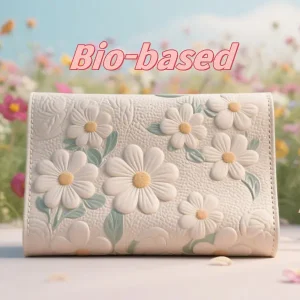
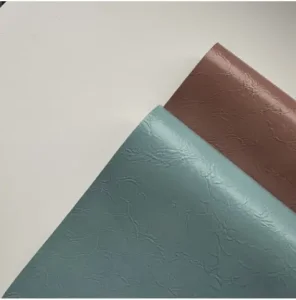
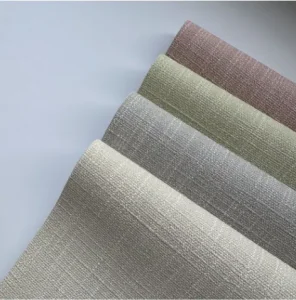
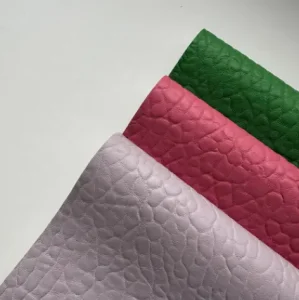
Biobased Industrial Dynamics in Kuala Lumpur & the Klang Valley
Malaysia is transitioning at unprecedented speed from petroleum dependence toward circular, low-carbon manufacturing under the National Energy Transition Roadmap (NETR) and the New Industrial Master Plan (NIMP 2030).
Malaysia's ESG Transformation
Kuala Lumpur serves as the corporate financial heart of Southeast Asia, where Bursa Malaysia's sustainability reporting mandates push listed OEMs and tier-1 converters to substitute fossil polymers with certified renewable feedstocks.
Tropicalized Hydrolysis Resistance
Equatorial humidity in Kuala Lumpur demands polymer formulations immune to premature debonding. Our bio-polyol matrix is chemically modified to withstand continuous 90%+ relative humidity without flaking or surface tackiness.
Port Klang Transit Optimization
Direct ocean routes from our deep-water logistics hubs in South China to Port Klang ensure regular container sailings of 5 to 7 days, providing Kuala Lumpur manufacturers with unbroken Just-In-Time (JIT) production cycles.
Engineered for Kuala Lumpur's Key Manufacturing Verticals
From prime architectural interior fits in Bukit Bintang to automotive assembly hubs in Selangor, our biobased synthetic substrates replace animal leather and petroleum PU without performance compromises.
Automotive Cockpits & EV Interiors
Automotive assembly plants in Shah Alam and Rawang require low-VOC, anti-fogging seating surfaces. Our biobased polyurethane meets stringent German VDA 278 standards while dramatically cutting carbon per vehicle interior.
Contract Architecture & Hospitality
Kuala Lumpur's high-end commercial complexes and international hotels demand British Standard (BS 5852 Crib 5) flame retardancy coupled with plant-derived LEED and Green Building Index (GBI) qualifying materials.
Footwear, Bag & Luggage OEMs
Export-driven manufacturers in Cheras and Sungai Buloh utilize our soft-touch, supple bio-surfaces to secure EU and North American luxury fashion contracts that mandate animal-free, REACH-compliant materials.
Technical Specification & Environmental Audit Matrix
Comparative performance between conventional petrochem PU, early-generation bio-composites, and JiangXin advanced biobased polyol matrix.
| Performance Characteristic | JiangXin Biobased PU Leather | Conventional Fossil PU | Verification Standard |
|---|---|---|---|
| Biobased Carbon Share | 35% - 65% (Customizable via polyol ratio) | 0% (100% Fossil feedstocks) | ASTM D6866 Radiocarbon Dating |
| Hydrolysis Resistance (Jungle Test) | 10 - 14 Weeks (Tropical stabilized) | 3 - 5 Weeks (Subject to tackiness) | ISO 1419 Method C (70°C, 95% RH) |
| Martindale Abrasion Cycle | > 100,000 Dry Revolutions | 40,000 - 60,000 Revolutions | ISO 12947-2 (12kPa pressure) |
| Volatile Organic Compounds (VOC) | Zero DMF, DMFa < 5ppm | Variable (> 50ppm DMF residues) | VDA 278 Thermal Desorption |
| Flex Endurance (Bally Flex) | > 150,000 cycles without cracking | 80,000 cycles | ISO 5402-1 Room Temperature |
| Flame Retardancy | BS 5852 Crib 5 / FMVSS 302 / CAL 117 | Requires halogenated additives | Calibrated Burn Rate Chambers |
Accelerate Your Low-Carbon Supply Chain
Order custom sample swatches calibrated to your color targets, thickness ranges (0.6mm - 2.0mm), and technical specifications.
Send Inquiry NowThe Global Biobased Landscape vs China Manufacturing Efficiency
Navigating escalating raw material costs, regulatory pressures, and the supply chain mechanics that give Southeast Asian buyers a definitive edge.
Global Decarbonization Mandates
Worldwide synthetic leather markets face the EU Corporate Sustainability Due Diligence Directive (CSDDD) and tightened carbon border adjustments. Procurement teams can no longer rely on unverified green marketing; every roll requires documented life-cycle analysis (LCA).
China's Upstream Chemical Scale
Operating a 135,733 m² solar-powered campus in Yingde, Guangdong, JiangXin integrates agricultural waste polyol refining, solvent-free transfer coating, and surface texturing under one roof—eliminating fragmented tier-2 delays and ensuring price stability.
Rapid Customization for Klang Valley
With an annual output exceeding 16 million meters and 4.68 MW on-site photovoltaic clean energy, we offer rapid 5-day lab dips and custom formulation scaling that traditional European suppliers cannot match in cost or speed.
Engineering Trajectory: Next-Gen Sustainable Polymers
Our long-term R&D roadmap aligns with international carbon neutrality timelines and Southeast Asia's industrial modernization targets.
Corn & Caster Polyol PU
Commercialization of 30-50% plant-carbon content with dry-transfer solvent-free coating lines.
Recycled Backing Hybrid
Coupling biobased polyurethane resins with 100% GRS/RCS certified post-consumer recycled rPET substrates.
Agricultural Waste Cellulose
Upcycling non-food bio-waste and regional palm agricultural byproducts into structural leather substrates.
Fully Circular Monomaterial
100% biobased, biodegradable, or closed-loop chemically recyclable circular artificial skin platforms.
Localized Support & Regulatory Compliance for Malaysia
Ensure frictionless customs clearance at Port Klang and unassailable ESG verification for your corporate audits.
Full RSL Chemical Guarantee
Every shipment is backed by batch-specific chemical certification meeting EU REACH SVHC, RoHS, 6P phthalate-free, and OEKO-TEX standard 100 class I/II thresholds for consumer safety.
Form E / RCEP Tariff Reductions
As a certified Chinese manufacturer, we furnish complete RCEP and ASEAN-China Free Trade Area documentation (Form E), entitling Malaysian importers to preferential zero or near-zero import duty rates.
Dedicated ASEAN Export Support
Our sales engineering division provides physical swatch books, bilingual technical dossiers, roll-by-roll inspection video feeds, and containerized dispatch directly to logistics partners in Selangor.
Frequently Asked Questions: Biobased Sourcing for Kuala Lumpur
Clear, unhedged engineering answers regarding composition, tropical resilience, delivery timelines, and international certification.
How does biobased synthetic leather maintain structural integrity in Kuala Lumpur's humid climate?
Conventional synthetic polyurethane often suffers premature hydrolytic breakdown in tropical climates like Malaysia due to moisture-induced chain scission in standard ester polyols. JiangXin utilizes advanced biobased ether-modified polyols derived from non-food plant feedstocks. These polymers provide natural chemical hydrophobicity, achieving up to 14 weeks in rigorous 70°C/95% RH Jungle Hydrolysis test chambers (ISO 1419), which translates to over 8-10 years of real-world interior performance.
How do buyers verify that a material genuinely contains biobased content rather than greenwashed claim?
Authentic biobased content is measured exclusively through modern radiocarbon dating in accordance with ASTM D6866 or ISO 16620. This scientific method isolates Carbon-14 (14C) isotopes—which only exist in recently living biomass—from fossil-derived Carbon-12/13. Our biobased synthetic series holds USDA Certified Biobased Product verification and provides certified carbon-dating ratios ranging from 30% to over 65% based on article specification.
What is the standard production and shipping lead time from your factory to Kuala Lumpur?
Lab dip and custom texture swatching typically takes 3 to 5 business days. Once approved, standard mass production runs of 1,000 to 20,000 meters require 12 to 15 days. Ocean shipping from South China ports (Nansha/Shekou) directly to Port Klang takes approximately 4 to 7 sailing days. Sourcing teams in the Klang Valley regularly receive finished bulk rolls within 21 to 25 days from initial confirmation.
Can JiangXin materials fulfill Malaysian fire codes and automotive emission standards?
Yes. We engineer customized formulations meeting British Standard BS 5852 Crib 5, California Technical Bulletin CAL 117-2013, and international automotive flammability standard FMVSS 302. Furthermore, our solvent-free manufacturing process ensures negligible volatile emissions, easily passing automotive VDA 278 requirements without irritating odors.
What are the minimum order quantities (MOQ) for custom color and grain matching?
For standard catalog formulations, our flexible production lines accommodate order sizes starting from 500 meters per color/grain. Fully customized polymer thickness, backing fabric adjustments (e.g., woven recycled cotton, microfiber, or brushed fleece), and bespoke emboss pattern developments begin at 1,000 meters.
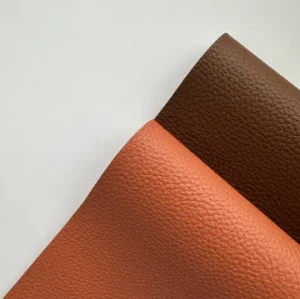
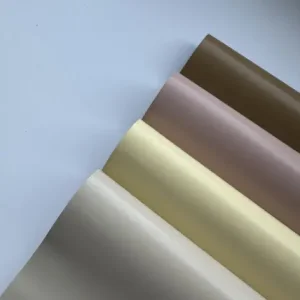
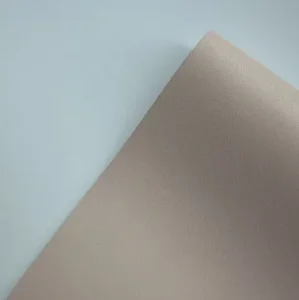
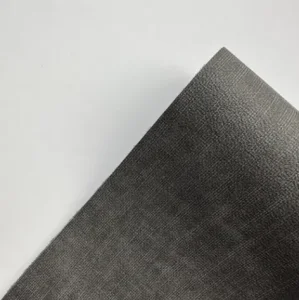
Complete Biobased Material Range for Malaysian Industry
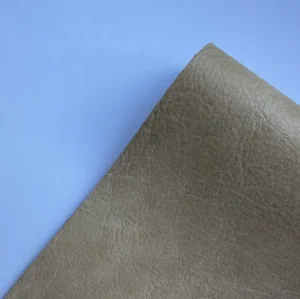
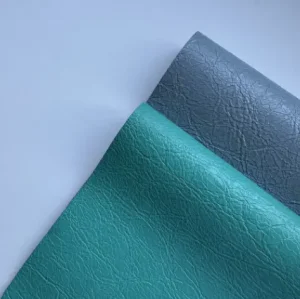
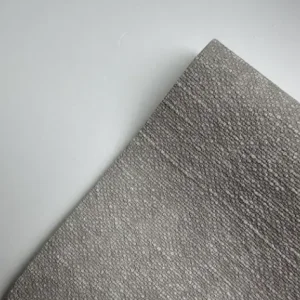
Explore our catalog of certified plant-derived, solvent-free, and high-performance synthetic materials ready for immediate dispatch and OEM development.

Connect Directly With Our Chemical Engineers
Whether you require tender-ready technical documentation, sample rolls for prototype trials, or bulk pricing CIF Port Klang, our technical sales team is ready to assist your project.
Send Inquiry Now