
Featured Bio-Based Synthetic Leather Solutions for Sydney Commercial Projects
Engineered for immediate batch fulfillment across Greater Sydney and NSW industrial corridors. Certified bio-polyol matrix delivering uncompromised tensile resilience, UV stability, and reduced cradle-to-gate carbon intensity.
-
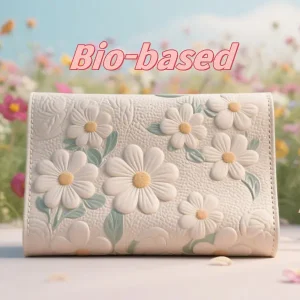 View Product Specifications →ASTM D6866 Tested · 30-50% Bio Content
Sydney Architectural Grade Bio-Based Renewable Synthetic Leather
-
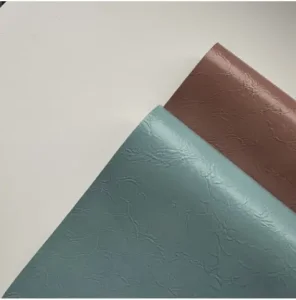 View Product Specifications →Series 0177 · High Martindale Abrasion
Sydney High-Traffic Bio-Based Renewable Leather-0177 Series
-
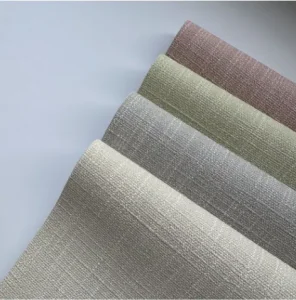 View Product Specifications →Series 9384 · Hydrolysis & UV Resistant
Sydney Marine & Automotive Bio-Based Leather-9384 Grade
-
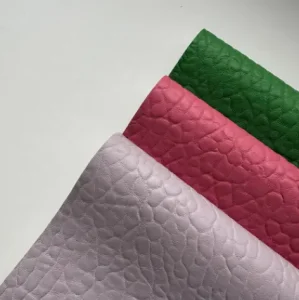 View Product Specifications →Series 9293 · Soft Nappa Touch Finish
Sydney Premium Footwear & Goods Bio-Based Leather-9293
The Strategic Surge of Biobased Materials Across Greater Sydney & NSW
Navigating statutory sustainability thresholds, Green Star building compliance, and conscious luxury procurement in Australia's economic capital.
The Greater Sydney metropolitan region, stretching from the Barangaroo commercial financial core to the thriving Western Sydney Employment Area (Badgerys Creek aerotropolis corridor), is experiencing an unprecedented structural transformation. Driven by the NSW Net Zero Plan Stage 1: 2020–2030 and stringent decarbonization mandates enacted by the New South Wales Government, enterprise procurement executives can no longer rely on conventional petrochemical virgin polymers (traditional PVC and standard solvent-borne DMF polyurethane). Corporates, interior architectural practices, and product designers are actively auditing Scope 3 embodied carbon footprints across their entire manufacturing and outfitting supply chains.
In Sydney's prestigious commercial real estate and hospitality design sectors—anchoring developments in Circular Quay, North Sydney, and Parramatta—the Green Building Council of Australia (GBCA) Green Star Buildings rating tool has established rigorous credits for Responsible Products. Interior commercial projects targeting 5-star and 6-star Green Star ratings require certified low-VOC, circular-enabled surfaces. Our USDA-certified and ASTM D6866 biobased synthetic leathers offer Sydney architects and procurement teams a verified non-fossil alternative that eliminates toxic plasticizers, off-gassing phthalates, and persistent environmental pollutants while preserving the opulent tactile hand and flexural endurance expected by tier-one property developers.
Furthermore, Sydney’s homegrown consumer brand ecosystem—spanning premium sustainable fashion labels in Surry Hills and Paddington to marine luxury outfitting around Sydney Harbour, Pittwater, and Botany Bay—demands materials that withstand intense UV exposure, sea-spray salinity, and high friction. Traditional vegan options derived from cheap petroleum vinyl often suffer from premature delamination, micro-cracking, and environmental degradation under the harsh Australian ozone-depleted sunlight. JiangXin’s bio-based matrix integrates castor-oil and agricultural waste polyols with high-performance water-based aliphatic topcoats, delivering exceptional hydrolysis resistance (exceeding 7–10 years tropical test equivalents) that satisfies both aesthetic luxury and grueling maritime standards.
Green Star & NABERS Fitouts
Direct qualification for Low-Emitting Materials and Responsible Finishes credits in corporate towers across Sydney CBD, Barangaroo, and Macquarie Park.
Harbour Marine & Maritime Spec
Saltwater-submerged anti-hydrolysis resilience formulated for yacht upholstery, passenger ferries, and coastal luxury vessels docked across NSW harbours.
Boutique & Commercial Mobility
High-elasticity biobased formulations engineered for Sydney electric fleet refits, luxury automotive seating, and heavy transit passenger applications.
Bio-Synthetic Leather: The Technological Paradigm Shift Away From Fossil Feedstocks
How molecular engineering, certified non-food agricultural biomass, and circular chemistry are rewriting performance specifications for global tier-one brands.
The global synthetic leather market is undergoing a seismic inflection point. Historically, artificial leather was categorized strictly into Polyvinyl Chloride (PVC) and standard Polyurethane (PU). While PVC relied on heavy chlorine chemistry and toxic ortho-phthalate plasticizers that leach over time, conventional PU remained tethered to crude oil distillation via petroleum-derived polyols (such as polytetramethylene ether glycol - PTMEG or polyester polyols) and petro-isocyanates. The contemporary bio-economy has broken this fossil dependency through modern green macromolecular synthesis.
Today’s high-performance biobased synthetic leathers synthesize functional bio-polyols extracted from renewable industrial crops—such as non-edible castor bean seeds, industrial dent corn starch, and agro-forestry secondary residuals. Through rigorous ASTM D6866 radiocarbon (C14) dating analysis, labs can definitively distinguish between contemporary biological carbon atoms and geologically sequestered fossil carbon atoms. This allows manufacturers to provide empirical, scientifically incontestable bio-content percentages ranging from 30% to over 75% across the composite polyurethane skin layer.
Concurrently, multinational enterprises operating in North America, Europe, and the Asia-Pacific are binding their Tier 1 and Tier 2 supply networks to strict environmental reporting frameworks. Scope 3 emissions under the Greenhouse Gas Protocol, corporate disclosures under the Corporate Sustainability Due Diligence Directive (CSDDD), and mandatory compliance with the Sustainable Apparel Coalition's Higg Index (Higg Facility Environmental Module - FEM and Facility Social & Labor Module - FSLM) have eliminated greenwashing. Sourcing directors require immutable, batch-traceable raw material origins that guarantee zero hazardous chemical usage, meeting EU REACH (EC 1907/2006) SVHC candidate lists, RoHS restrictions, and zero detectable dimethylformamide (DMF) or volatile organic solvents.
| Performance / Ecological Parameter | Legacy PVC Artificial Leather | Petrochemical PU Leather | JiangXin Bio-Based Synthetic Leather |
|---|---|---|---|
| Primary Carbon Origin | 100% Fossil Fuel Byproducts | 100% Crude Oil Refining Polyols | 30%–75% Plant-Derived Renewable Carbon |
| ASTM D6866 C14 Verifiability | 0% Biobased Carbon Content | 0% Biobased Carbon Content | Certified Validated Radiocarbon Ratio |
| Solvent Emissions & VOCs | High Plasticizer Off-gassing, Toxic Smoke | Common Residual DMF / Toluene trace | Zero-Solvent / Water-Based Aliphatic System |
| Hydrolysis Resistance (Jungle Test) | Prone to embrittlement & stiffening | Typically 3 to 5 years indoor rating | 7 to 10+ Years Marine / Commercial Grade |
| Environmental Life Cycle (LCA) | Severe End-of-Life Dioxin Hazard | High Embodied Energy (GWP > 5.8 kg CO₂e) | Net Carbon Abatement up to 42% vs Virgin PU |
China Industry 4.0: Scalable Precision, Green Energy & Rapid Port-to-Port Delivery
How Yingde City JiangXin New Material Co., Ltd. (JX.ECO) integrates continuous automation, rooftop photovoltaic power, and digitized batch consistency for Australian buyers.
In the modern international procurement matrix, visionary sustainability commitments must be matched by ironclad manufacturing scale, uncompromising cost-efficiency, and predictable lead times. Operating out of our specialized 135,733 m² mega-campus in Yinghong Industrial Park, Yingde City, Guangdong Province, JiangXin represents the technological vanguard of China's Industry 4.0 manufacturing evolution. Established on June 2, 2017, our advanced plant was engineered from the foundation up to adhere to high-grade industrial architectural and clean-technology standards.
Unlike fragmented subcontractors, JiangXin operates an end-to-end, fully vertically integrated production line: from computerized green polyol reactor compounding, automated calendering, and high-precision dry/wet-process multi-head coating, to in-house laser embossing, digital surface treatment, and customized lamination with GRS/RCS-certified recycled polyester or organic cotton backings. Every single production run is monitored via closed-loop intelligent optical sensors that inspect surface micron consistency, thickness tolerances (±0.03 mm precision), tensile uniformities, and color delta-E values in real-time. This eliminates batch-to-batch discrepancies that frequently afflict smaller operators.
Decarbonization is deeply embedded in our factory operations. Our manufacturing hub features an on-site 4.68 MW rooftop photovoltaic solar system that generates clean electricity directly for production operations, paired with regenerative thermal oxidizers (RTO), closed-loop hot air recovery units, and an automated industrial wastewater treatment plant that recirculates process water. For Sydney and Australian supply chain managers, our strategic location in the Guangdong-Hong Kong-Macao Greater Bay Area offers direct access to Shenzhen and Guangzhou maritime shipping terminals. With regular containerized departures docking at Port Botany in Sydney within 12–16 days transit, we provide Australian importers and OEMs with rapid turnaround, buffer stock reliability, and unprecedented resilience against global supply chain volatility.
Low-Carbon Industrial Energy
4.68 MW rooftop solar panels and thermal recapture lines significantly minimize the product's upstream embedded Scope 2 carbon footprint for LCA accounting.
Massive Scale & Fast Sampling
16 million+ linear meters per annum allows instantaneous bulk fulfillment, alongside responsive 48-hour color lab-dip matching and customized prototype yards.
Export Audit Documentation
Every container leaving our facility for Port Botany is accompanied by ISO 9001/14001 certificates, complete chemical safety datasheets (SDS), and batch test reports.
Tailored Functional Applications in the Greater Sydney Industrial Ecosystem
Engineered precisely to solve unique Australian operational challenges: from extreme UV solar radiation to high-traffic commercial wear and strict health standards.
Commercial Fitouts & Healthcare
Ideal for high-density seating across Sydney corporate offices, medical facilities in Westmead Health Precinct, and boutique dining. Formulated with inherent non-leaching antibacterial, hospital-grade disinfectant resistant coatings, and flame retardancy meeting AS/NZS 1530.3 standards.
NSW Automotive Re-Trim & Fleet EV
Meeting the exacting criteria of automotive aftermarket designers and electric vehicle fleets operating throughout New South Wales. Exceptional cold-crack resistance down to -20°C, zero offensive volatile odor (VDA 270 score ≤ 2.5), and ultra-high flex fatigue exceeding 100,000 cycles.
Ethical Fashion, Footwear & Luggage
Empowering Australian ethical fashion designers and accessories brands with supple, rich grain textures mimicking premium calfskin, pebble, and nappa leathers. Provides 100% cruelty-free, vegan peace of mind alongside superior edge-crease durability and skiving workability.
Frequently Asked Technical & Logistics Questions for Sydney Buyers
Detailed technical specifications, certification verification, minimum order quantities, and Australian Customs clearance guidelines.
How does JiangXin substantiate biobased content claims for Australian customs and consumer compliance?
All biobased content claims made by JiangXin are verified through independent, third-party laboratory radiocarbon isotope testing pursuant to ASTM D6866 (Standard Test Methods for Determining the Biobased Content of Solid, Liquid, and Gaseous Samples Using Radiocarbon Analysis). This empirical methodology accurately measures the ratio of biological Carbon-14 versus petroleum Carbon-12, providing Australian brands and importers with irrefutable, legally sound documentation that complies with Australian Consumer Law (ACL) greenwashing guidelines enforced by the ACCC.
Can your bio-synthetic leather materials pass Australian fire safety standards such as AS/NZS 1530.3?
Yes. We engineer customized flame-retardant (FR) formulation variants specifically calibrated to meet Australian commercial building and public transit interior flammability benchmarks, including AS/NZS 1530.3 (Simultaneous Determination of Ignitability, Flame Propagation, Heat Release and Smoke Release), as well as British Standard BS 5852 Crib 5 and US California TB 117-2013. We utilize non-halogenated, eco-friendly flame-retardant chemistries that avoid banned polybrominated diphenyl ethers (PBDEs).
What is the standard logistics timeline and freight route from your Guangdong campus to Sydney, NSW?
Production lead times for bespoke orders typically span 10 to 18 working days depending on surface emboss custom tooling and backing cloth requirements. For logistics, rolls are packaged in high-strength moisture-sealed polythene tubing, palletized, and drayed to either Shenzhen (Yantian/Shekou) or Guangzhou (Nansha) ports. Direct ocean express freight lines reach Port Botany (Sydney) in approximately 12 to 16 sailing days. Air cargo sample couriers (DHL/FedEx) arrive in Sydney CBD or Western Sydney distribution centres within 3 to 5 business days.
What are the minimum order quantities (MOQ) for custom color-matching and grain embossing?
For our existing standard bio-based catalogue articles and stocked core colorways, MOQ begins as low as 300 to 500 linear meters. For complete custom pantone color-matching, tailored thickness adjustments (ranging from 0.55 mm to 2.2 mm), or specialized roller emboss texturing, our standard production run MOQ is 1,000 meters per color/specification. Accelerated sampling yardages for prototyping and tech-pack testing can be ordered through our sales engineering desk.
Are JiangXin biobased materials free from restricted chemical substances (REACH & PFAS-free)?
Absolutely. All synthetic leather products manufactured by JiangXin undergo exhaustive third-party laboratory verification (SGS, TÜV Rheinland, Intertek) to ensure full compliance with EU REACH SVHC (over 230 restricted hazardous substances), RoHS Directive 2011/65/EU, OEKO-TEX Standard 100 Class I/II criteria, and California Proposition 65. Our biobased range contains zero added PFAS/PFC 'forever chemicals', zero alkylphenol ethoxylates (APEO), and zero detectable ortho-phthalate plasticizers.
Full Extended Catalogue: Custom Plant-Derived & Biobased Synthetics
Select from our certified performance articles. Each reference is fully customizable in backing substrate (recycled rPET / organic twill), surface luster, grain depth, and functional finishing for Sydney importers.
-
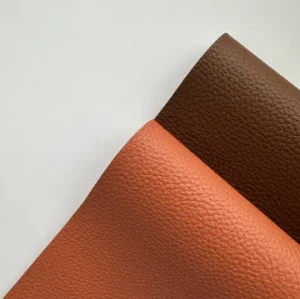 View Product Specifications →Series 9109 · Custom Bio-Polyol Ratio
Sydney Commercial Custom Bio-Based Synthetic Leather-9109
-
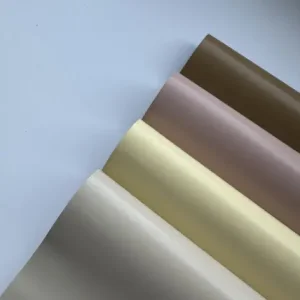 View Product Specifications →Series 2056 · Rich Micro-Pebble Grain
Sydney Handbag & Accessories Bio-Based Leather-2056
-
 View Product Specifications →Series 2071 · OEM Transport Grade
Sydney OEM Plant-Derived Renewable Synthetic Leather-2071
-
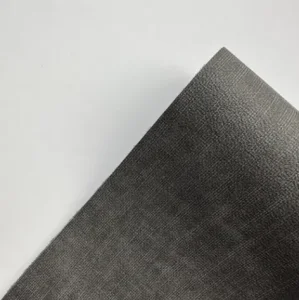 View Product Specifications →Series 9103 · High-Flex Hospitality Spec
Sydney Plant-Sourced Bio-Based Renewable Leather-9103
-
 View Product Specifications →Series 9081 · Breathable Membrane Finish
Sydney Custom Plant-Derived Bio-Based Leather-9081
-
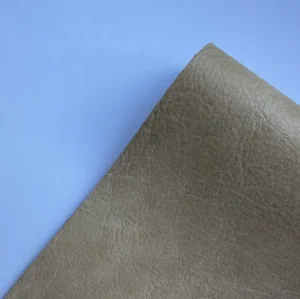 View Product Specifications →Series 9271 · Anti-Scratch Coating
Sydney Plant-Origin Renewable Bio-Based Leather-9271
-
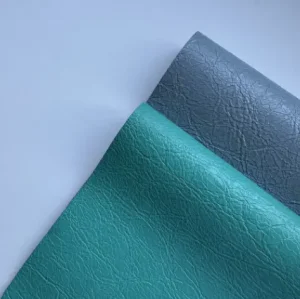 View Product Specifications →Series 9213 · UV Resistant Aliphatic Layer
Sydney Marine-Grade Plant-Derived Bio-Based Leather-9213
-
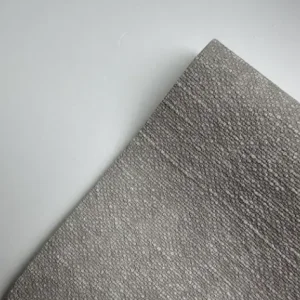 View Product Specifications →Series 9020 · Ultra-Durable Classic Grain
Sydney High-Quality Plant-Derived Bio-Based Leather-9020
Accelerate Your Sydney Material Procurement Program
Partner directly with Yingde City JiangXin New Material Co., Ltd. (JX.ECO). Access our physical sample binders, ASTM D6866 compliance dossiers, and direct factory pricing for your upcoming commercial tender or product line rollout.
Send Inquiry Now