
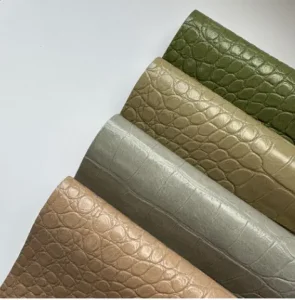
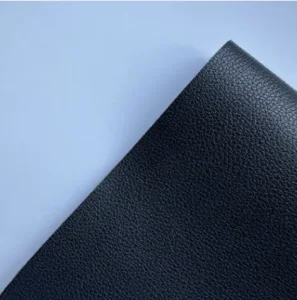
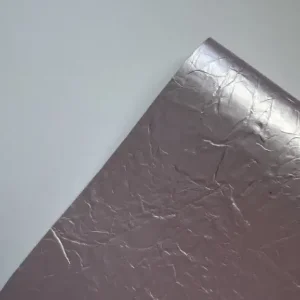
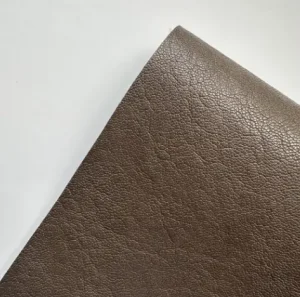
Featured Sustainable Synthetic Leather Articles
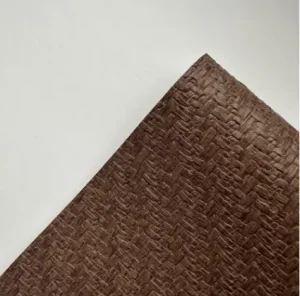
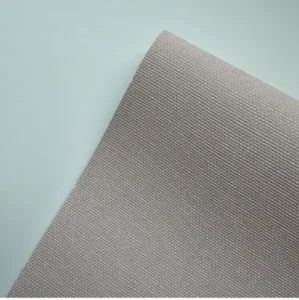
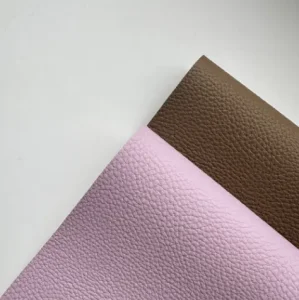
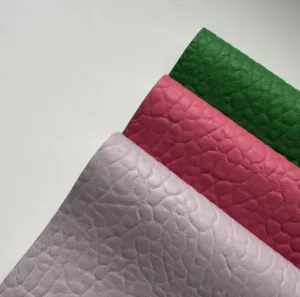
Verified polymer substrates manufactured in JiangXin's 135,733 m² solar-driven Guangdong campus. Standardized for batch-to-batch color stability, high tensile shear thresholds, and strict compliance validation.
The Strategic Paradigm Shift in Global Artificial Leather Sourcing
The global synthetic leather market has moved decisively past the era of conventional polyvinyl chloride (PVC) and solvent-heavy polyurethane (PU). Valued in excess of USD 34 billion and projected to expand at a compound annual growth rate (CAGR) of over 7.8% through 2032, the artificial leather sector is undergoing an unprecedented ecological reconfiguration. Global original equipment manufacturers (OEMs), Tier-1 fashion luxury houses, automotive interior specialists, and performance footwear consortia are no longer prioritizing nominal unit cost above all else. Today, enterprise procurement is governed by strict carbon accounting, rigorous chemical safety protocols, and certified circularity.
Under legislative directives such as the European Union’s Corporate Sustainability Due Diligence Directive (CSDDD), EU REACH Annex XVII revisions, the Ecodesign for Sustainable Products Regulation (ESPR), and California’s Proposition 65, multinational supply chains face existential penalties for non-traceable chemical inputs. The historical presence of residual solvents—specifically dimethylformamide (DMFa), toluene, and methyl ethyl ketone (MEK)—as well as restricted ortho-phthalates, is no longer tolerated in premium retail and institutional channels.
As a direct consequence, procurement heads at global apparel and lifestyle conglomerates are divesting from decentralized, non-compliant workshops and consolidating their sourcing with integrated clean-tech manufacturing entities capable of delivering audited Environmental Product Declarations (EPD) and Life Cycle Assessments (LCA).
Critical Structural Shifts in Enterprise RFQs
Recent procurement data across North American and European industrial purchasers indicates that over 72% of new material development tenders specify the elimination of petroleum-based virgin DMF, requiring either 100% waterborne PU dispersion (PUD), solvent-free high-solid coatings, or biobased polyols derived from agricultural co-products.
- Zero detectable DMFa (< 5 mg/kg threshold via GC-MS extraction)
- Certified Biobased Carbon Share (ASTM D6866 Radiocarbon Analysis)
- Verified Recycled Claim Standard (RCS 2.0 / GRS 4.0 Transaction Records)
- ZDHC MRSL Level 3 chemical safety conformation across all color kitchens
Next-Generation Polymer Architectures
Our Yingde synthesis facility engineers three distinct environmentally optimized structural platforms. Each architecture is engineered to satisfy specialized tensile, flexural, and environmental lifecycle requirements.
1. Plant-Origin Biobased Polyurethane
Synthesized by replacing fossil-fuel-derived petroleum polyols with functional bio-polyols extracted from renewable industrial dent corn, castor seed oil, and agricultural biomass. Our biobased synthetic leather maintains identical viscoelastic and tactile characteristics to conventional premium nappa, while cutting Scope 1 & 3 cradle-to-gate carbon emissions by upwards of 42%. Verified via ASTM D6866 radiocarbon testing, yielding biobased carbon content ranges custom-formulated from 20% to over 65%.
2. RCS-Certified Upcycled Circular Leather
Engineered through the systematic mechanical re-granulation and chemical depolymerization of post-consumer PET bottles and post-industrial leather cuttings. Backing substrates utilize 100% GRS/RCS certified recycled polyester woven microfiber, rPET terry, or non-woven structures. Supported by an auditable Textile Exchange Chain of Custody (CoC), allowing tier-1 brands to publish verifiable recycled weight percentages without running afoul of emerging anti-greenwashing regulatory bodies.
3. Solvent-Free & Waterborne PU (PUD)
100% dry-process solvent-free reaction injection molding and water-dispersed polyurethane coating lines that completely eliminate N,N-Dimethylformamide (DMFa), toluene, and methylene chloride from the synthesis chamber. This process eradicates volatile organic compounds (VOCs) at the point of manufacture, protects shop-floor employee health in our clean-room facilities, and guarantees zero VOC outgassing inside enclosed vehicle cabins or temperature-sensitive consumer footwear products.
The Guangdong Clean-Tech Synergy: Operational Velocity & Cost Rationalization
When multinational procurement executives evaluate global artificial leather sourcing, total cost of ownership (TCO) is determined not merely by FOB roll pricing, but by rapid prototyping cycles, supply chain resilience, and the elimination of quality variance across 100,000-meter production runs.
Operating out of Yingde City within the greater Guangdong industrial basin, JiangXin New Material Co., Ltd. leverages the world’s most deeply integrated polymer and textile synthesis cluster. Our operational campus enjoys instantaneous access to upstream specialty chemical plants, precision release-paper texturing foundries, and automated spunlace/microfiber knitting mills. This geographical density collapses raw material transit timelines from weeks to mere hours.
Furthermore, our facility was architected from inception in 2017 to transcend obsolete legacy plant footprints. Modern floor-to-ceiling tempered-glass daylight halls, intelligent closed-loop thermal recuperation exchangers, and our dedicated 4.68 MW rooftop photovoltaic solar plant significantly buffer our manufacturing overhead against external power market fluctuations. Our advanced on-site biological membrane bioreactor (MBR) wastewater recovery plant purifies industrial effluents back to closed-circuit process-water standards, ensuring uninterrupted plant operation even during municipal water conservation periods.
Rapid Swatch Prototyping
Color matching (Pantone/CIE Lab) and custom grain embossing strike-offs delivered within 4 to 7 working days.
Full Lab-to-Line Locking
Pilot recipes calibrated on experimental mini-lines are digitally ported to multi-roller mass-production lines without deviation.
Integrated Export Wharf
Proximity to major deep-water ports (Guangzhou Nansha, Shenzhen Yantian) guarantees agile 24-hour container gate-in.
3.15 Integrity Honored
Officially designated a China 3.15 Integrity Model Enterprise and Most Influential Brand in Independent Innovation.
Localized Application Scenarios & Physical Benchmarks
Synthetic leather is not a generic commodity—it is a purpose-formulated composite. We calibrate resin chemistry, molecular crosslinking, and fabric backing density to match exacting end-use stressors.
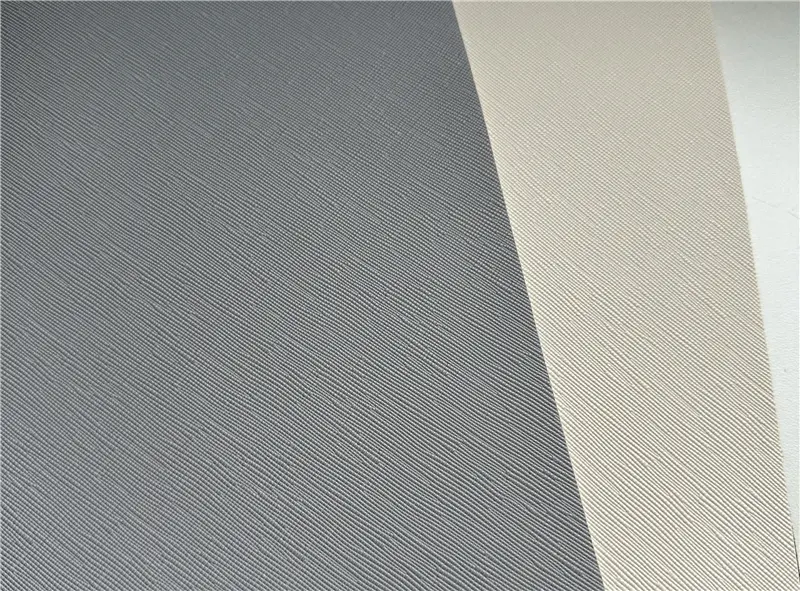
Athletic & Dress Footwear
Formulated with high dynamic Bally flex endurance (> 150,000 cycles at -10°C), superior cold-crack resistance, low density for running footwear uppers, and breathable micro-porous matrices.
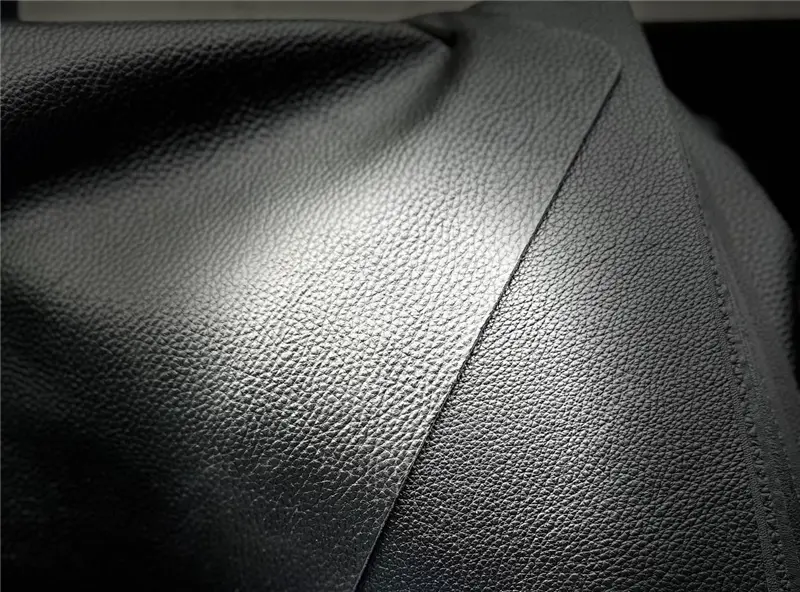
Designer Handbags & Travel Goods
Tuned for supple draping drape, exquisite edge-paint bonding compatibility, deep luxury grain embossing retention, and high Martindale scratch resistance (> 100,000 revolutions).
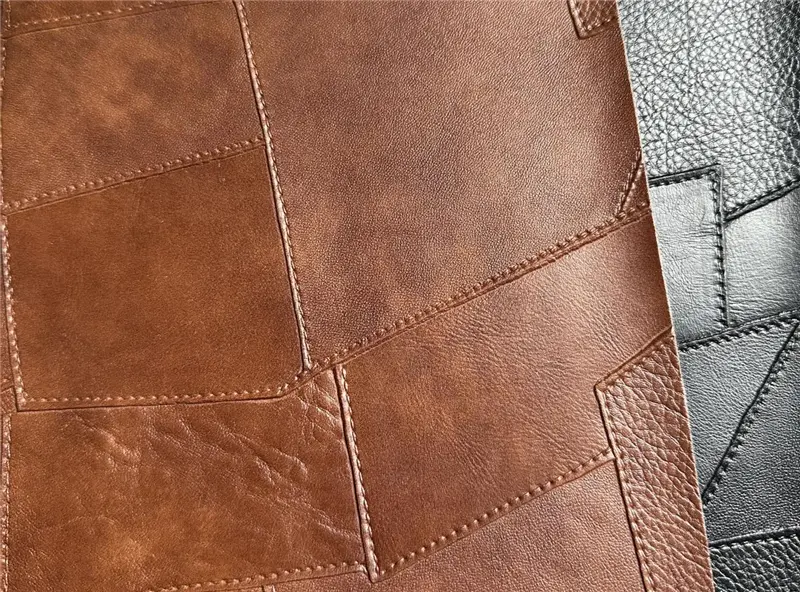
Automotive & Contract Seating
Engineered to satisfy rigorous automotive OEMs: low fogging (DIN 75201-B), flame retardancy (FMVSS 302), extreme UV stability (QUV 1,000 hours), and high hydrolysis durability (10-week jungle test).
Comparative Technical Specification Matrix
Laboratory testing standards applied across JiangXin production lots. Specific parameters can be customized per OEM Tech Pack requirements.
| Performance Criterion | Test Standard | Standard PVC Faux | Legacy Solvent PU | JiangXin Eco/Biobased PU |
|---|---|---|---|---|
| Biobased Carbon Ratio | ASTM D6866 Radiocarbon | 0% (Petrochemical) | 0% (Petrochemical) | 20% – 65%+ Renewable |
| Residual Solvent (DMFa) | EN ISO 18218 / GC-MS | N/A (Uses DOP/DINP) | 50 – 400 mg/kg | ND (< 5 mg/kg) Solvent-Free |
| Martindale Abrasion | ISO 12947-2 (12 kPa) | 25,000 – 40,000 cycles | 50,000 – 80,000 cycles | > 100,000 – 200,000 cycles |
| Jungle Hydrolysis Test | 70°C, 95% Relative Humidity | 5 to 7 Days degradation | 3 to 5 Weeks peeling | 7 to 10+ Weeks Grade 4-5 |
| Low Temp Bally Flexing | ISO 5402-1 (-10°C / -20°C) | Brittle crack < 10k | 30,000 – 50,000 cycles | > 100,000 cycles no crack |
| Restricted Phthalates | CPSC-CH-C1001-09.4 | High risk (plasticizers) | Variable / Supplier-dep. | 100% 6P / 16P Free |
The Strategic Buyer’s Playbook: Managing Risk in Synthetic Leather Sourcing
When purchasing synthetic leather at multi-container commercial volumes, procurement heads must engineer an evaluation process that insulates their organization from product liabilities, shipping bottlenecks, and greenwashing regulatory audits. To ensure seamless onboarding, we recommend global category managers evaluate candidates based on the following three operational pillars:
1. Verification of Chain-of-Custody (CoC) Claims
A common vulnerability in recycled and biobased synthetic leather procurement is reliance on unverified supplier declarations. When sourcing RCS or GRS recycled faux leather, require the mill to furnish not merely a facility scope certificate, but specific Transaction Certificates (TCs) tied to your individual invoice numbers. Similarly, bio-content assertions should be corroborated by independent batch testing from accredited laboratories (such as Beta Analytic) measuring 14C isotope content per ASTM D6866.
2. Backing Fabric Substrate Compatibility
The superficial skin layer of synthetic leather represents only half the engineering equation. Mechanical tensile properties, sewing pull-out resistance, and dimensional relaxation are governed by the backing fabric. For structural handbag construction, high-tenacity microfiber or coagulated sea-island split-fiber bases prevent sagging. For footwear uppers subjected to high-temperature lasting, thermally stable circular knits or elastic non-wovens are non-negotiable.
3. Restricted Substance Lists (RSL) Pre-Screening
Before committing to bulk production rolls, enterprise buyers must audit the supplier's color formulation kitchen. Common contaminants that trigger customs seizures in European and American ports include organotin compounds (DBT, DOT) used as polyurethane catalysts, short-chain chlorinated paraffins (SCCPs) utilized in flame retardants, and azo dyestuffs that cleave into regulated aromatic amines under reducing conditions. JiangXin operates within strict OEKO-TEX Standard 100 Class I thresholds, eliminating these hazards at the formulation level.
JiangXin Quality Assurance SLA
Full Inspection Protocol: Every roll is subjected to continuous automated optical surface flaw scanning plus manual roll-by-roll human visual verification under D65 daylight lamps.
Moisture & Width Control: Strict tolerance bounds on total thickness (±0.05 mm) and effective cutting width (137 cm / 54 inches minimum).
Traceability Tagging: Barcode tracking linked directly to master batch formulation records stored for up to 3 years.
Audited Environmental & Social Governance (ESG) Standards
Our operational systems are independently evaluated and verified by the world’s leading third-party testing institutions. We provide actionable documentation that satisfies Tier-1 vendor onboarding mandates.
USDA BioPreferred
Verifies renewable botanical carbon content calculated via ASTM D6866 radiocarbon methodology.
RCS & GRS CoC
Textile Exchange custody certification validating post-consumer recycled polymer fractions.
Higg FEM Assessed
Rigorous evaluation of campus water stewardship, energy emissions, and chemical management systems.
amfori BSCI Social
Audited workplace equity, occupational health, fair remuneration, and complete prohibition of forced labor.
Advanced Formulations & Custom Sourcing References
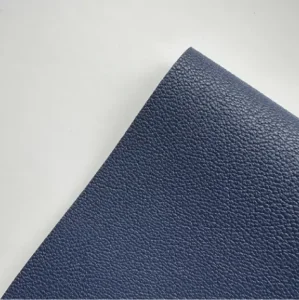
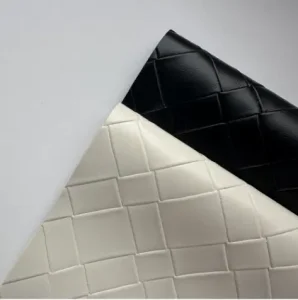
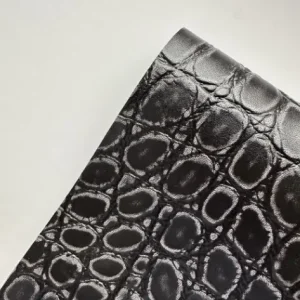
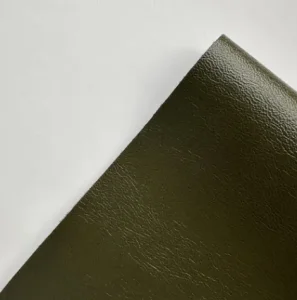
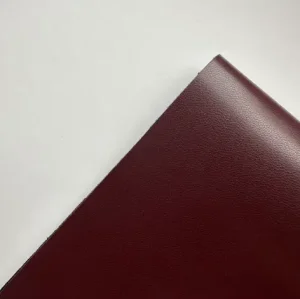
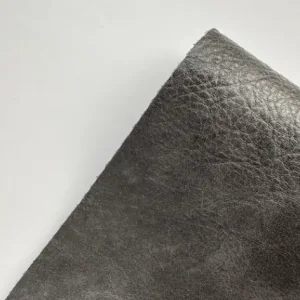
Explore specialized references custom-tailored for wear resistance, unique stitched quilt aesthetics, low-carbon impact, and eco-certified OEM applications.

Frequently Asked Sourcing Questions (Q&A)
Direct, engineering-backed answers to the most common queries submitted by global sourcing directors, quality engineers, and compliance teams.
Conventional PU derives 100% of its polyol and isocyanate building blocks from petroleum feedstock. Biobased PU replaces a targeted fraction of petro-polyols with renewable botanical polyols derived from non-edible corn crops, canola, or castor oils. Crucially, the physical touch, tensile strength, and flexural life remain completely identical to high-grade virgin PU, but the material sequesters atmospheric carbon during the crop lifecycle and exhibits verifiable modern carbon isotopes when subjected to ASTM D6866 radiocarbon testing.
Yes. JiangXin New Material operates an audited Recycled Claim Standard (RCS 2.0) chain-of-custody certified facility. When an enterprise order is placed for an RCS-qualified reference, our compliance desk submits the raw material input verification along with shipping bill-of-lading data to the certifying registrar to issue a legally recognized Transaction Certificate (TC) directly naming your brand or importing legal entity.
Conventional wet and dry PU synthesis relies heavily on Dimethylformamide (DMFa) or methyl ethyl ketone (MEK) as carrier solvents to dissolve polyurethane resins. Even after prolonged thermal oven curing, microscopic residual traces remain trapped within the foam cells, eventually outgassing as volatile organic compounds (VOCs). JiangXin’s solvent-free technology uses 100% solid, two-component reaction coating or waterborne polyurethane dispersions where water serves as the carrier. Hence, VOC content is strictly non-detectable under GC-MS testing.
For catalog stock formulations in standard colorways, trial minimums can be accommodated from 500 linear meters per color. For completely custom Pantone or physical-standard color matching involving bespoke grain rollers, backing fabric laminations, or specific bio-content ratios, our standard commercial MOQ is 1,000 meters per color/thickness specification. Lab strike-offs require 4 to 7 working days, and bulk 20-foot container volumes (approx. 15,000 to 20,000 linear meters) ship within 14 to 21 calendar days post swatch sign-off.
Hydrolysis is the chemical breakdown of polyurethane ester linkages caused by atmospheric moisture and temperature. Standard commercial faux leather often delaminates after only 1 to 2 years. JiangXin resolves this by utilizing specialty polycarbonate or polyether polyol backbones and anti-hydrolysis crosslinking stabilizing additives. Under accelerated autoclave tests (Jungle Test at 70°C and 95% relative humidity), our high-grade formulations endure 7 to 10+ continuous weeks without peeling, representing an estimated real-world service life exceeding 8 to 10 years.
Every shipment dispatched from our Yingde manufacturing campus is paired with a comprehensive Quality Inspection Certificate (COA) containing roll-by-roll batch numbers, exact meterage, caliper thickness variance data, tensile elongation test results, and REACH/RoHS compliance confirmations. If requested during contract review, third-party SGS/Intertek/BV testing reports and chain-of-custody transaction documentation are integrated directly into the export packet.
Request Your 2026 Sustainable Synthetic Leather Swatch Kit
Accelerate your brand's low-carbon material transition. Our export sales engineering department will prepare a bespoke swatch box containing our latest biobased grains, RCS-recycled articles, and solvent-free PU color swatches tailored to your specific application and target RSL specifications.