
High-Performance Eco Leather Formulations
Explore our certified catalog of bio-based, post-consumer recycled, and low-VOC synthetic leathers engineered to meet rigorous tier-1 fashion and automotive standards.
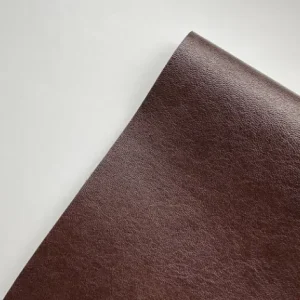
Custom RCS Verified Recycled Synthetic Leather
Source Formulation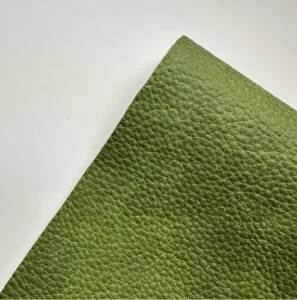
Custom Premium Sustainable Eco Synthetic Leather-9304
Source Formulation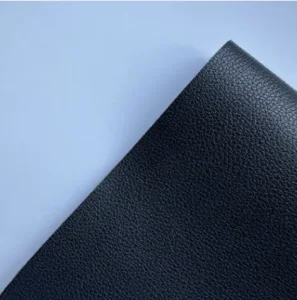
High-Quality Green Low-Carbon Sustainable Synthetic Leather-9077
Source Formulation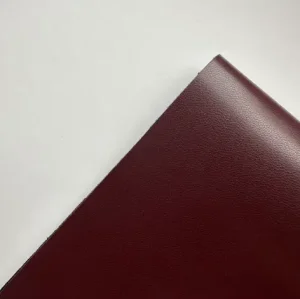
Custom Sustainable Bio-Based Vegan Leather-2002
Source Formulation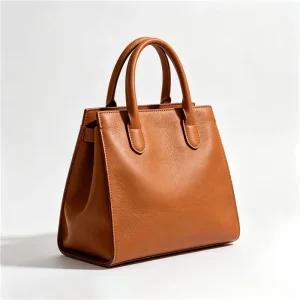
OEM Eco-Friendly Sustainable Synthetic Leather
Source Formulation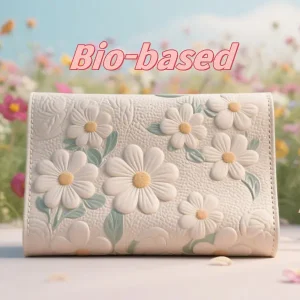
Wholesale Bio-Based Renewable Synthetic Leather
Source Formulation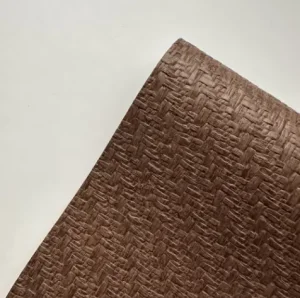
Wholesale Bio-Based Renewable Synthetic Leather-9339
Source Formulation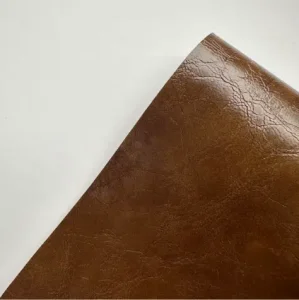
High-Quality RCS Recycled Grain Synthetic Leather-0216
Source FormulationEngineering Structural Integrity: Industrial Synthesis in Guangdong
The global transition away from petro-chemically dependent synthetics and carbon-intensive animal hides has transformed recycled vegan leather from a novelty into a strategic, auditable requirement for global consumer brands. Located in Yingde, Guangdong, Yingde City JiangXin New Material Co., Ltd. (JX.ECO) operates an advanced manufacturing facility designed according to petrochemical safety standards. Spanning 135,733 square meters, our facility addresses the core bottleneck of the sustainable material sector: balancing verifiable sustainability credentials with commercial-grade durability and high-throughput volume.
Modern polyurethane synthetic formulation requires precise chemical manipulation. Traditional wet-process PU methods depend heavily on dimethylformamide (DMF) or other volatile solvents that present both occupational hazards and lingering environmental burdens. JiangXin employs solvent-free high-solid coatings and water-based polyurethane (WPU) systems. By polymerizing non-hazardous polyols and aliphatic isocyanates without organic solvents, we produce materials free of toxic residues that comply with EU REACH Annex XVII, California Proposition 65, and OEM Restricted Substance Lists (RSL).
Complete Vertical Integration: Backing, Resins, and Texturing
A primary failure mode in budget synthetic leather supply chains is layer delamination—the mechanical failure between the polyurethane skin layer and the underlying structural textile backing. Our engineering team addresses this by maintaining integrated production over both composite elements:
1. Substrate Engineering: We produce our own non-woven microfibers, woven twills, and circular knits using certified recycled polyethylene terephthalate (rPET) derived from post-consumer plastic bottles and discarded yarn stocks under the Recycled Claim Standard (RCS). Backing densities, directional elongation, and tear resistance are customized directly at the loom and needle-punching stations.
2. Matrix Compounding: Bio-polyols derived from non-food agricultural waste (including industrial corn starch and castor oil extracts) replace 20% to 50% of petroleum-derived polyols within our proprietary surface chemistry. Certified via radiocarbon dating (ASTM D6866), our bio-derived formulations integrate seamlessly with waterborne topcoats.
3. Thermal Embossing & Curing: Continuous multi-zone infrared drying ovens allow precise cross-linking without blistering or pinholing. Release papers engineered in Germany and Japan apply fine linear grain, smooth nappa, or deep pull-up leather textures, delivering a premium touch, consistent flex endurance, and uniform cutting yields.
Why China Leads the Advanced Recycled Leather Sector
China's comprehensive polymer supply chain, domestic raw-material processing, and scaled clean-energy infrastructure provide clear efficiency and cost advantages over fragmented production ecosystems.
Localized Supply Chains
The Pearl River Delta industrial belt hosts the world’s most concentrated manufacturing corridor for high-purity recycled polyester filaments, specialty polyols, green pigment masterbatches, and precision release papers. This structural proximity enables JiangXin to develop prototypes in days rather than months, securing complete batch traceability from raw polymer pellets to finished rolls.
- Immediate access to post-consumer polymer extruders
- Sub-48-hour color-match formulation turns
- Elimination of intermediate logistics risks and costs
Solar-Powered Scale
High manufacturing throughput must not come at an environmental cost. Our factory operates a 4.68 MW rooftop photovoltaic solar system. Combined with automated multi-stage thermal energy-recovery exchangers and a dedicated biological wastewater-treatment plant, our plant reduces the Scope 1 and Scope 2 carbon footprint of every running meter of vegan leather delivered to port.
- 4.68 MW clean solar power generation
- Zero-discharge biological water reclamation systems
- Closed-loop solvent recovery exceeding 99% efficiency
Verified Compliance
Western brands must comply with increasingly strict corporate reporting, such as the EU Corporate Sustainability Due Diligence Directive (CSDDD). JX.ECO maintains third-party-audited chains of custody across our entire material line. We provide authentic transaction certificates (TCs) for every batch, confirming documented post-consumer origin rather than unsubstantiated claims.
- Textile Exchange RCS & GRS transaction certificates
- USDA BioPreferred certification via ASTM D6866
- OEKO-TEX Standard 100 Class I & ISO 9001/14001 audits
Industry Evolution: Fossil PU vs. Recycled & Bio-Based Systems
Consumer sentiment, supply-chain risks, and strict import regulations are driving a shift toward verifiable green-chemistry synthetic substrates.
| Performance & Eco Attributes | Legacy PVC Material | Conventional Fossil PU | JX.ECO RCS Recycled PU | JX.ECO Bio-Based Leather |
|---|---|---|---|---|
| Primary Feedstock Source | Petroleum / Phthalate Esters | 100% Fossil Hydrocarbons | Post-Consumer rPET Bottles | Renewable Agricultural Polyols |
| Harmful VOC / Solvent Profile | Severe (oils, high phthalates) | Medium to High (DMF, MEK) | Ultra-Low / Water-Dispersed | Zero-VOC / Solvent-Free Solid |
| Hydrolysis Resistance (Jungle Test) | Brittle over time (1–2 yrs) | Variable (typically 3–5 yrs) | Engineered 5–8 yrs stability | Advanced 8–10+ yrs resistance |
| Martindale Abrasion Test | < 20,000 cycles | 30,000 – 50,000 cycles | > 60,000 cycles (customizable) | > 100,000 cycles high-wear |
| Audited Carbon Offset | Baseline zero benefit | Baseline standard benchmark | 35%–48% reduction vs fossil PU | Up to 55% lower life-cycle GHG |
| Regulatory Compliance | Restricted in EU/US toys/skin | Requires intense RSL screening | REACH, RoHS, 6P-Free certified | Full EU REACH & USDA BioPreferred |
Key Regulatory Catalysts Reshaping Procurement
Procurement teams at international footwear and accessory brands face mounting legal risks from unverified green claims. The passage of the EU Green Claims Directive, French Climate & Resilience decrees, and the FTC Green Guides update in the US mean vague marketing claims like "eco-leather" or "green alternative" are legally liable without traceable certification.
Our recycled polyurethane production operates under a closed-loop chain of custody. We verify recycled content ratios from the chemical digestor through filament spinning to coating extrusion. When our clients declare that their footwear upper or luxury handbag is fabricated with 40% certified post-consumer recycled material, that claim is backed by lot-specific Transaction Certificates (TC), preventing legal exposure and protecting brand value.
Engineered Material Solutions for Tier-1 Sectors
Different commercial end uses fail in different ways. We tailor backings, coating densities, and resin cross-linking to handle the specific physical stresses of each application.
Athletic & Lifestyle Footwear
Footwear uppers endure repeated multi-axis bending, edge scuffing, and humidity changes. Our footwear-grade materials utilize a high-density, needle-punched rPET microfiber backing paired with cold-crack resistant aliphatic polyurethane surfaces.
- Bally flex test resistance > 100,000 cycles at room temp
- Cold-flex durability down to -20°C without micro-fractures
- Optimized tensile elongation to prevent toe-box distortion
Luxury Handbags & Accessories
Luxury small leather goods require clean edge-painting, stitch retention under high tension, and a soft, supple hand feel. Our custom microfiber bases simulate the dense collagen matrix of bovine leather, eliminating edge fraying during die cutting.
- Superior edge-creasing and high-temperature burnishing yield
- High seam-rupture strength for tight, structural stitching
- Resistant to cosmetic stains, hand creams, and sebum oils
Automotive Interiors & Marine Furniture
Transportation cabins demand strict flammability resistance, stain protection, and long-term UV stability. Our solvent-free silicone and bio-PU hybrid coatings withstand direct solar heat without drying out, yellowing, or off-gassing.
- Flame retardancy compliant with FMVSS 302 and BS 5852
- Extreme Xenon-arc weatherometer UV resistance > 1,000 hrs
- Hydrolysis stability proven through 10-week jungle testing
Enterprise Supply Framework: Tech Pack to Landed Shipment
A predictable, auditable five-stage production methodology built for multinational brands, original design manufacturers (ODMs), and sourcing directors.
Technical Parameter Matching
We review your product specifications, target certifications, and mechanical requirements. Our team selects the right base resin chemistry, backing construction, and surface grain to match your performance requirements.
Color & Hand-Feel Prototyping
Our lab formulates custom pigment masterbatches under standard D65 and point-of-sale lighting. We generate lab dips, adjust grain depths, and supply A4 swatch books and yardage within 3 to 5 business days.
Laboratory Validation
Pre-production sample yardage undergoes strict testing: Taber abrasion, Bally flexometers, peel-strength gauges, and chemical tests to verify compliance with your Restricted Substance List (RSL).
Locked Bulk Extrusion
Once approved, resin formulations, drying temperatures, and line speeds are locked into automated MES production systems, guaranteeing color and physical consistency across multi-thousand-meter roll orders.
Frequently Asked Procurement Questions
Practical answers to the questions enterprise materials managers and supply chain directors ask most.
What is the difference between RCS-certified and bio-based vegan leather?
RCS (Recycled Claim Standard) vegan leather incorporates third-party-verified post-consumer materials, such as recycled polyester backing from post-consumer PET bottles or recycled PU chips. Bio-based vegan leather replaces petroleum-derived polyols in the polyurethane resin with plant-derived resources (like non-food corn or castor oil), verified through ASTM D6866 radiocarbon testing.
How does your factory prevent peeling and layer delamination?
Delamination typically results from improper cross-linking or weak resin penetration into the backing fabric. We synthesize our primer adhesives with reactive isocyanate cross-linkers and treat base textiles using corona or plasma processing. This increases surface energy, delivering peel-adhesion strength exceeding 3.5 kg/cm under ISO 2411 test methods.
Can you provide batch-level Transaction Certificates (TCs)?
Yes. As a certified facility under the Textile Exchange framework, our chain of custody is audited by accredited certification bodies. For every verified commercial bulk order shipped, we apply for and provide an official Transaction Certificate (TC) linking the delivered roll yardage directly back to the audited recycled raw-material input.
What are the minimum order quantities (MOQ) and production lead times?
Standard custom runs typically require an MOQ of 500 running meters per color, grain, and thickness profile. We also maintain rolling inventories of popular neutral base stocks that can be dyed, embossed, and finished with lower minimums. Standard prototype swatches ship in 3–5 days; commercial 40ft container orders complete production in 15–20 working days.
Are your synthetic leather solutions fully solvent-free?
We provide two distinct low-impact resin lines: 100% waterborne polyurethane (WPU), which uses pure water as the dispersion medium, and 100% solvent-free polyurethane, which cures without solvents. Both systems eliminate DMF, toluene, MEK, and formaldehyde, complying with strict global environmental and workplace standards.
Can materials pass both high-flex and flame-retardancy standards simultaneously?
Yes. Adding flame-retardant chemistry can sometimes stiffen or weaken synthetic skins. Our chemical engineers formulate halogen-free, phosphorous-nitrogen flame retardants into the resin matrix alongside flexible aliphatic polyurethane chains, satisfying FMVSS 302 flame resistance while maintaining over 50,000 cold flex cycles.
Specialty Eco-Leather Material Catalog
Specialty vegan formulations optimized for high-tensile apparel, impact-resistant luggage, and premium packaging.
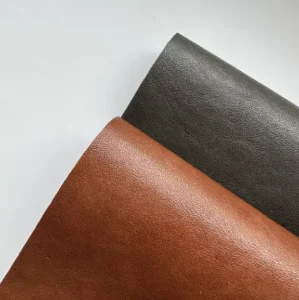
Wholesale Eco-Friendly Sustainable Synthetic Leather-9309
Source Formulation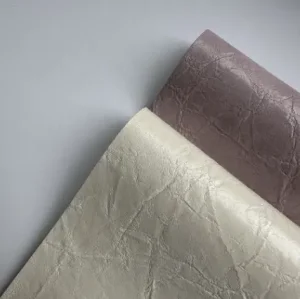
High-Quality RCS Approved Recycled-Content Synthetic Leather-0212
Source Formulation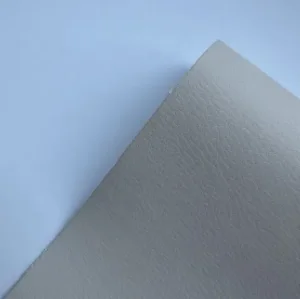
Wholesale RCS Verified Recycled Sustainable Synthetic Leather-2058
Source Formulation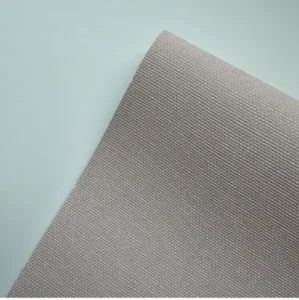
Custom Low Carbon Impact Eco Synthetic Leather-9362
Source Formulation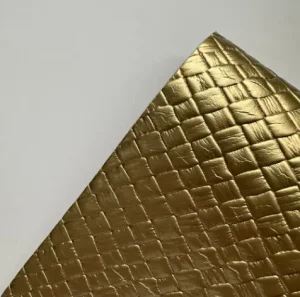
Custom RCS-Verified Recycled-Content Sustainable Synthetic Leather-9317
Source Formulation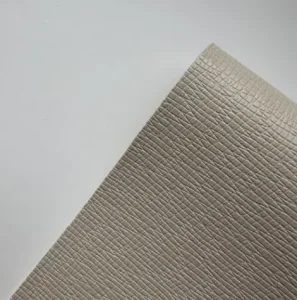
Custom RCS-Verified Recycled-Content Sustainable Synthetic Leather-9265
Source Formulation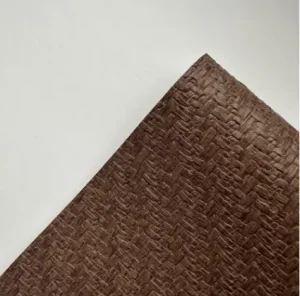
High-Quality Plant-Origin Renewable Bio-Based Synthetic Leather-9339
Source Formulation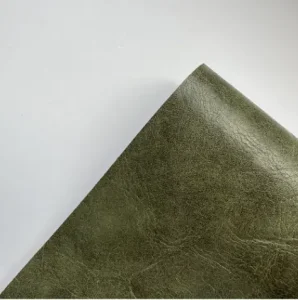
OEM Eco-Renewable Plant-Based Bio Synthetic Leather-9240
Source FormulationAudited Manufacturing Standards for Enterprise Partners
Enterprise sustainability is defined by verifiable, third-party-audited data. Yingde City JiangXin New Material Co., Ltd. integrates environmental responsibility directly into its physical operations. Certified under Higg Index Facility Environmental Module (FEM), amfori BSCI social standards, and ISO 9001/14001, our facility ensures that your raw materials satisfy rigorous environmental and social governance requirements.
Our continuous testing laboratories run round-the-clock assessments on tensile strength, tear values, surface rub fastness (Crockmeter), color fastness to artificial light, and anti-aging durability. Backed by an annual output capacity of over 16 million meters, direct port access in Southern China, and dedicated international technical sales engineers, JX.ECO delivers verified, scalable, and high-performance synthetic materials directly to your Tier-1 cut-and-sew partners worldwide.