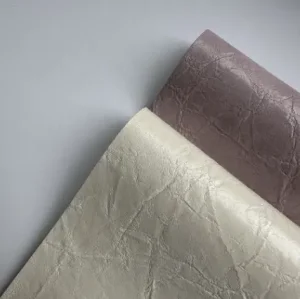
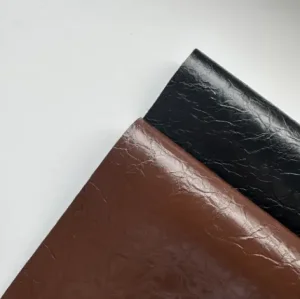
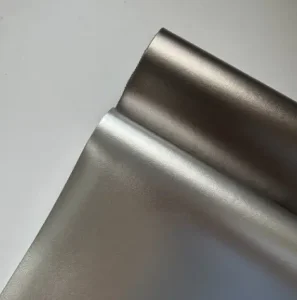
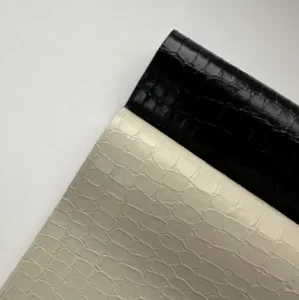
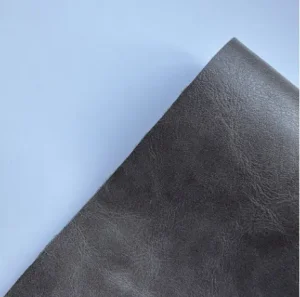
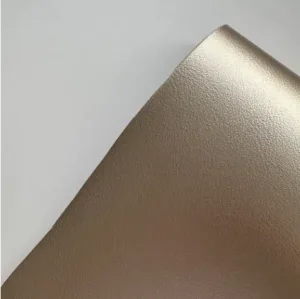
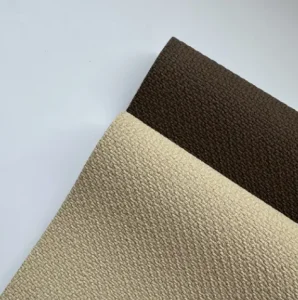
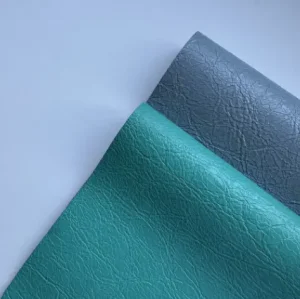
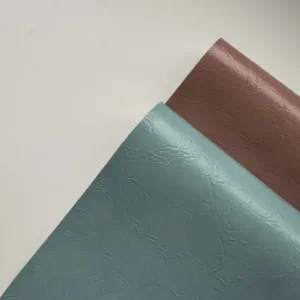
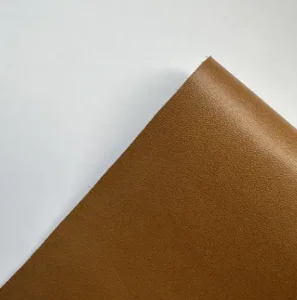
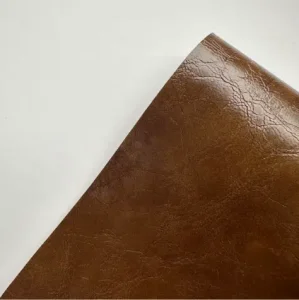
Featured Industrial PU Substrates & Circular Formulations
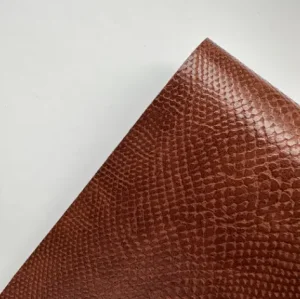
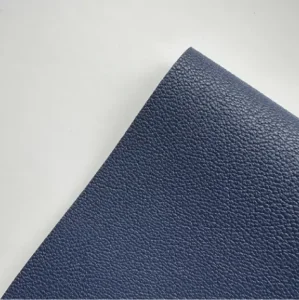
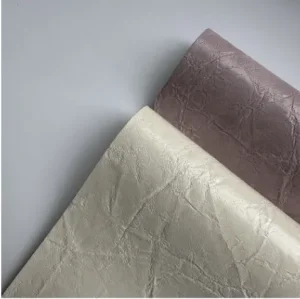
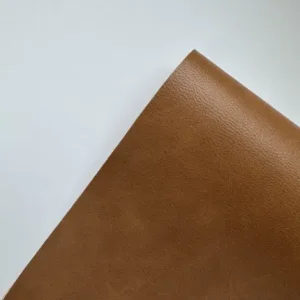
Explore laboratory-verified sustainable PU leather articles engineered for international brand compliance, precision grain definition, and zero hazardous off-gassing.
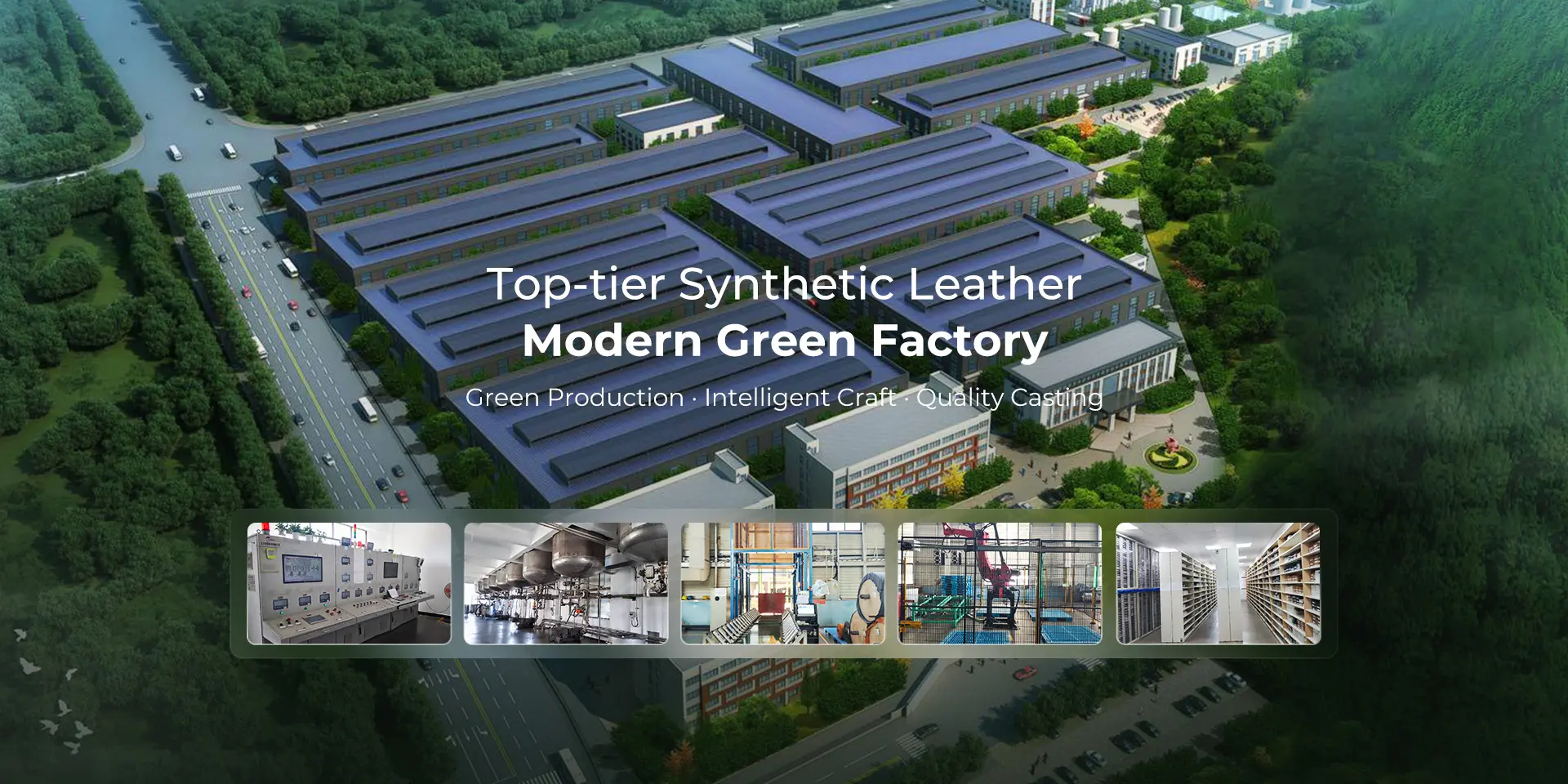
Scale Metrics of Our Advanced Manufacturing Campus
Engineered since 2017 to eliminate volatile organic emissions and petrochemical dependencies through direct solar power integration and closed-loop water treatment.
Global Industrial Paradigms & PU Transition Imperatives
The wholesale PU faux leather fabric market is experiencing a profound transition away from traditional solvent-borne manufacturing methodologies (DMF, MEK, and toluene) toward solvent-free polyurethane (EPU) and water-borne dispersion systems. As global regulatory bodies—such as the European Chemicals Agency (ECHA) and the US EPA—tighten restriction thresholds on extractable hazardous chemicals, conventional artificial leather processing plants face operational shutdowns or prohibitive tariff barriers.
In response, our Yingde campus leverages continuous hot-melt solvent-free polyurethane reaction injection alongside high-solids bio-derived polyols derived from non-food agricultural waste. This technological pivot simultaneously lowers Scope 1 and Scope 2 carbon footprints while preserving tensile strength, flex cycles exceeding 100,000 Bally flexes, and luxury haptic feedback demanded by global procurement executives.
Full-Chain Industrial PU Platforms
Three specialized polymer routes designed to align with strict chemical restrictions and ESG performance scorecards.
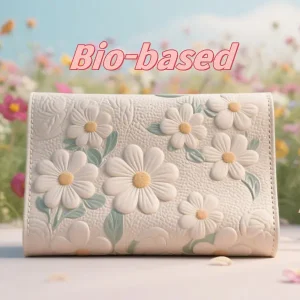
Bio-Based Polyurethane Synthetics
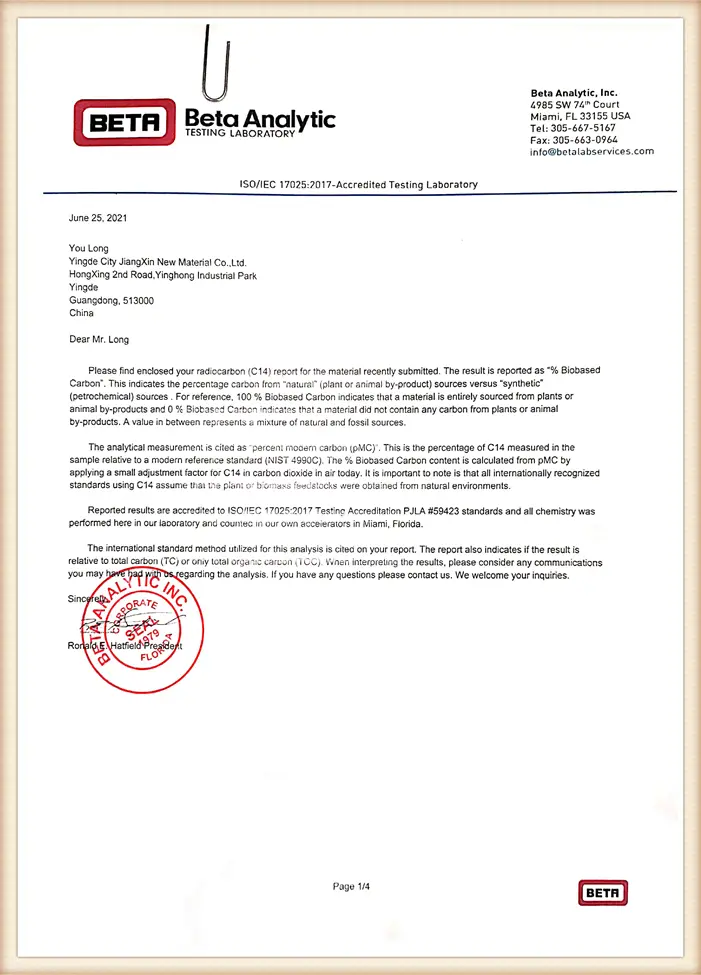
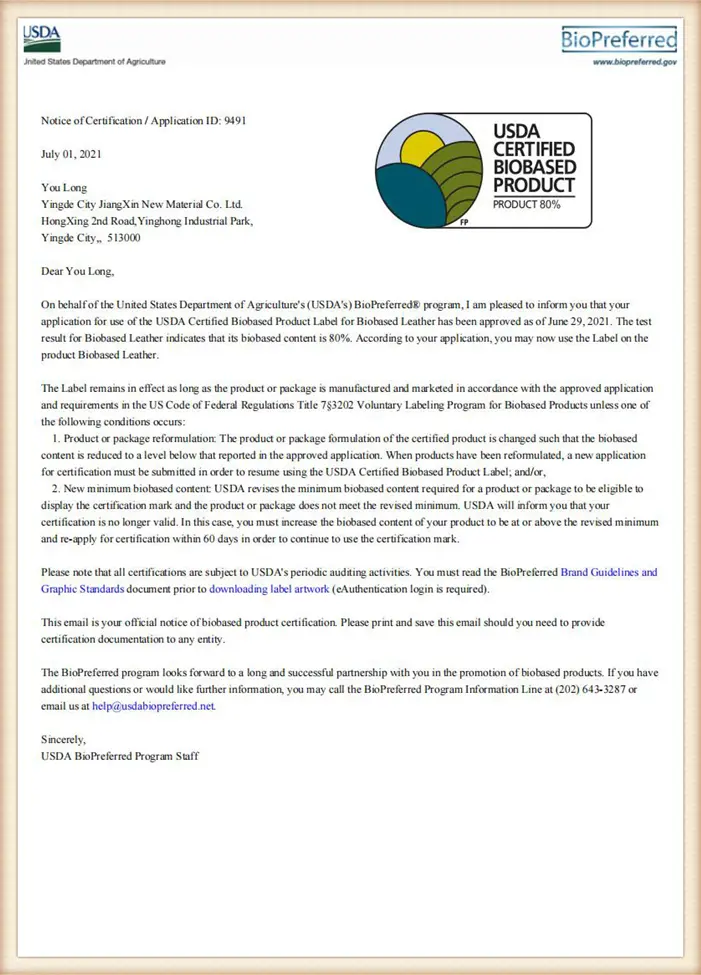
By replacing petroleum-based polyester polyols with plant-derived renewable feedstocks (including corn husks, castor oil, and organic waste streams), our bio-based PU achieves up to 75% renewable carbon content. Fully certified under radiocarbon standard ASTM D6866 and audited through the USDA BioPreferred Program.
RCS/GRS Recycled-Content Formulations
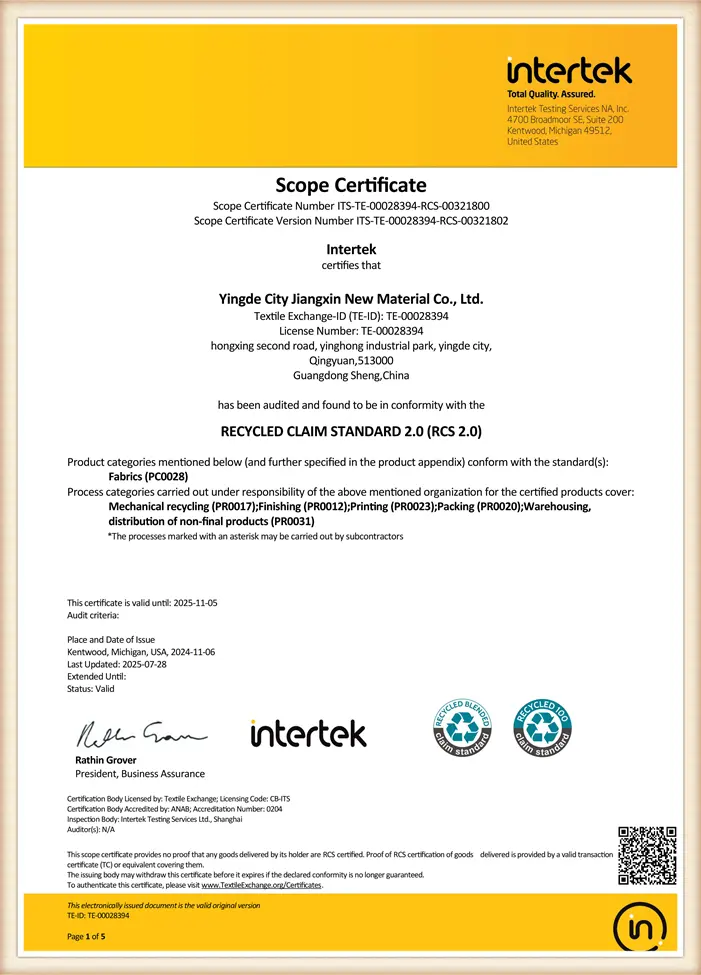
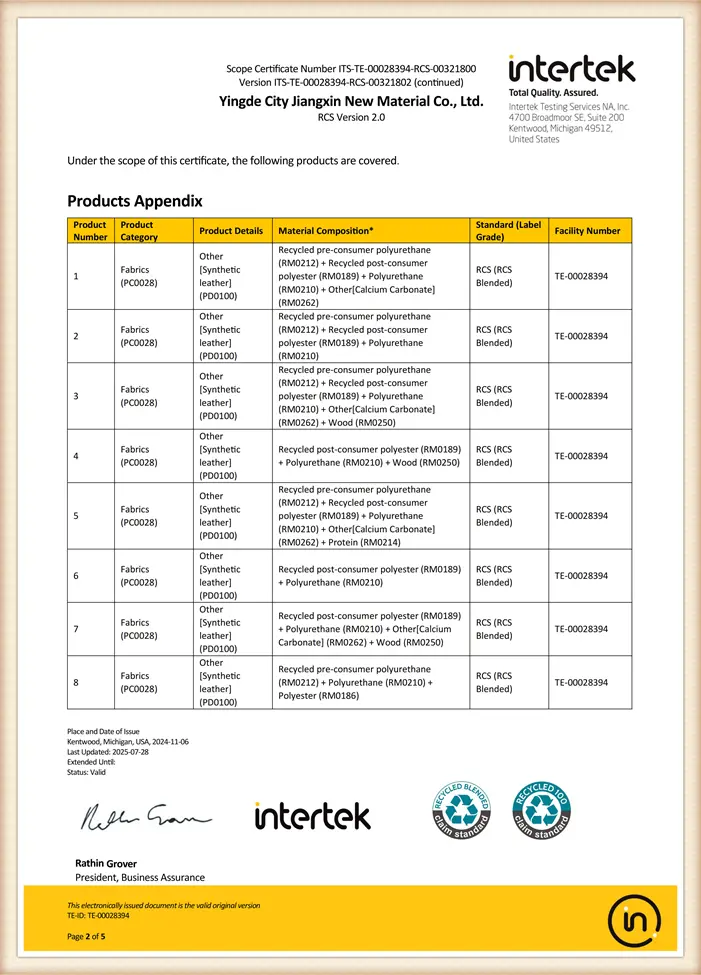
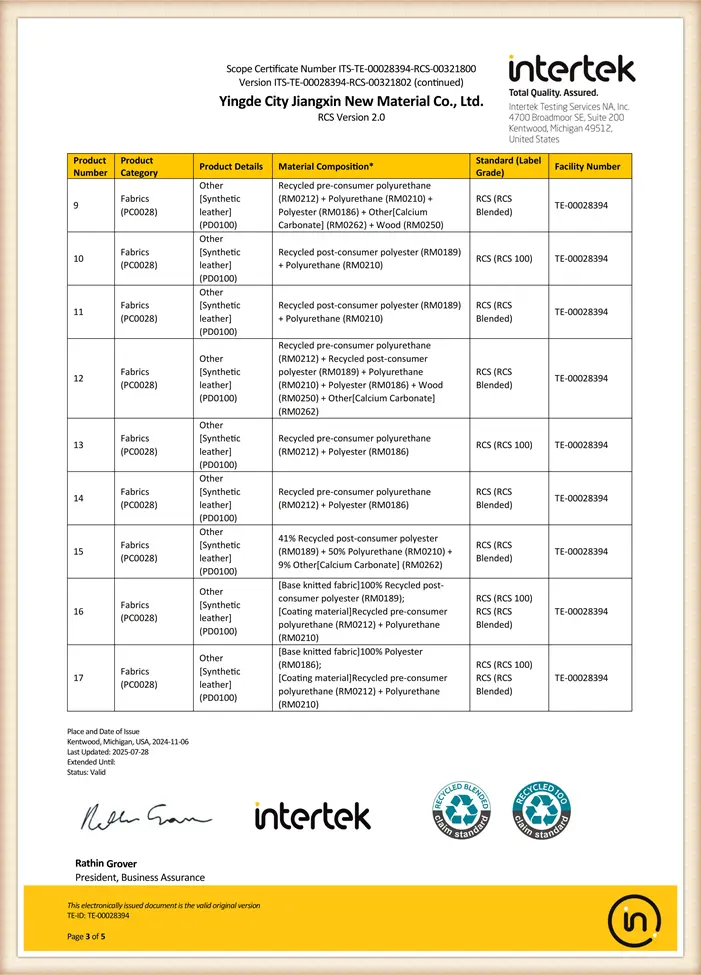
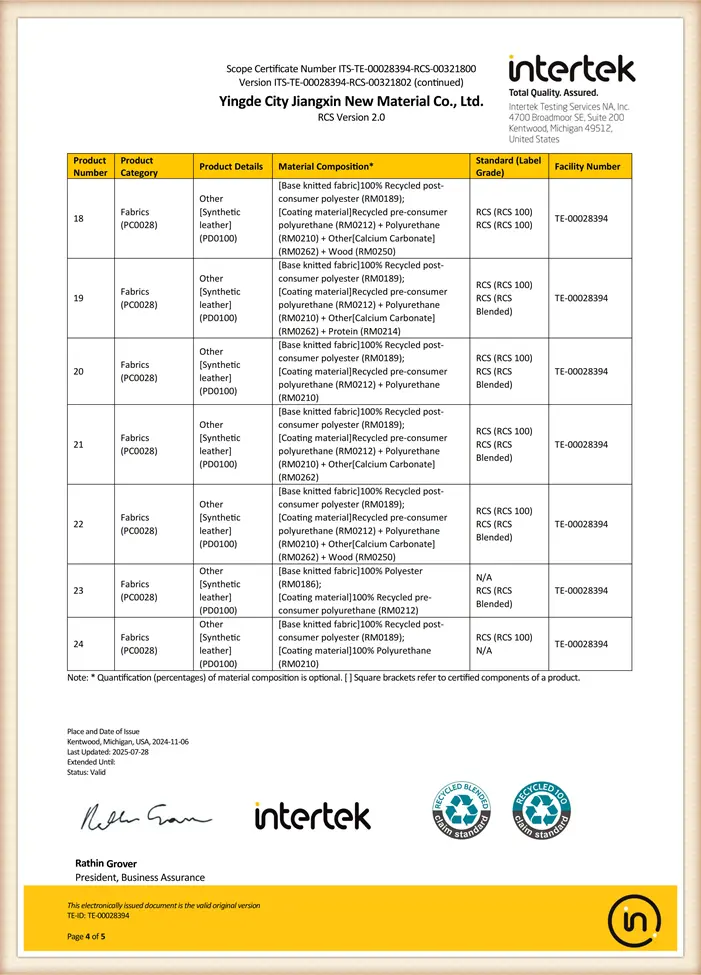
Fabricated using post-consumer and post-industrial rPET yarns for the backing fabric, fused with recycled polyurethane matrix coatings. All processing operates under strict chain-of-custody protocols compliant with Textile Exchange standards, delivering verifiable transaction certificate (TC) documentation for institutional sourcing programs.
100% Solvent-Free & Waterborne EPU
A zero-VOC synthetic platform utilizing liquid isocyanate and polyol reactions without volatile dimethylformamide (DMF) solvents. Emits zero heavy phthalates or organic plasticizers, resulting in odor-free interior grade performance ideal for closed-cabin aerospace, automotive cockpits, and skin-contact footwear linings.
Material Substrate Technical Performance Matrix
Detailed empirical analysis comparing legacy solvent PU, PVC artificial leather, and JiangXin New Material's solvent-free bio-based polyurethane.
| Performance Parameters | Legacy Solvent PU Leather | PVC Vinyl Faux Leather | JiangXin Solvent-Free Bio-PU |
|---|---|---|---|
| Volatile Organic Solvents (DMF/MEK) | Residual 50 - 300 ppm | Phthalate Plasticizers (30-40%) | 0 ppm (Absolute Zero VOC) |
| Carbon Origin Profile | 100% Fossil / Petroleum-Derived | Petroleum & Chlorine-Based | 20% to 75% USDA Certified Bio-Carbon |
| Hydrolysis Resistance (Jungle Test) | 3 - 5 Years (70°C, 95% RH) | Prone to plasticizer migration | 8 to 12+ Years Hydrolysis Resistance |
| Bally Flex Cycles (-10°C Cold Rating) | 30,000 - 50,000 Cycles | Cracks below 0°C | > 100,000 Cycles with Zero Micro-Cracking |
| Abrasion Endurance (Martindale Test) | 40,000 Revs (ISO 12947-2) | 25,000 Revs (Hard coating) | 100,000+ Revs Surface Integrity |
| Substance Compliance | Risk of SVHC under EU REACH | Contains regulated ortho-phthalates | EU REACH, RoHS, OEKO-TEX 100, BSCI |
Global Compliance Mapping for B2B Sourcing Hubs
How our manufacturing lines de-risk supply chain friction across primary economic jurisdictions.
European Union (REACH & CBAM)
Fully compliant with Annex XVII SVHC listings. Free of dimethylformamide (DMFa), SCCP, and regulated organotin compounds, ensuring unimpeded customs clearance across Hamburg, Rotterdam, and Genoa distribution nodes.
North America (CA Prop 65 & EPA)
Guaranteed 6P/8P phthalate-free formulation exceeding California Proposition 65 thresholds and US Consumer Product Safety Improvement Act (CPSIA) parameters. Supports direct institutional procurement with ASTM D6866 reports.
ASEAN Sourcing Relays (Vietnam, ID)
Seamless raw material transfer support for OEM cut-and-sew footwear and luggage plants across Dong Nai, Binh Duong, and Central Java. Roll consistency preserves precision on automated laser-cutting tables.
Japan & East Asia (JIS Systems)
Precision tensile retention and anti-yellowing (4-5 grade under ISO 105-B02 Xenon Arc testing) designed for technical outerwear and electronic device protection covers demanding zero plasticizer exudation.
Engineering Scenarios Across Commercial Sectors
Tailored mechanical profiles and surface coatings configured to real-world product stress profiles.
Athletic Footwear & Heavy Boots
Engineered for high stress point vamp folds and toe-box impacts. Our PU leather maintains flexibility under minus 20°C temperatures while handling high-frequency sonic welding and stitch retention tolerances exceeding 4.0 kg/cm.
Luxury Handbags & Executive Luggage
Delivers the deep, warm drape and grain break of vegetable-tanned full-grain nappa leather without carcass defects or cutting waste. Formulations resist edge-paint breakdown, high oil extraction, and cosmetic alcohol exposure.
Automotive Seating & Hospitality Interiors
Formulated to meet strict automotive flame-retardant standards (FMVSS 302 and BS 5852 Crib 5). Combines antimicrobial and anti-stain topcoats that clean easily with neutral detergent while blocking UV degradation.
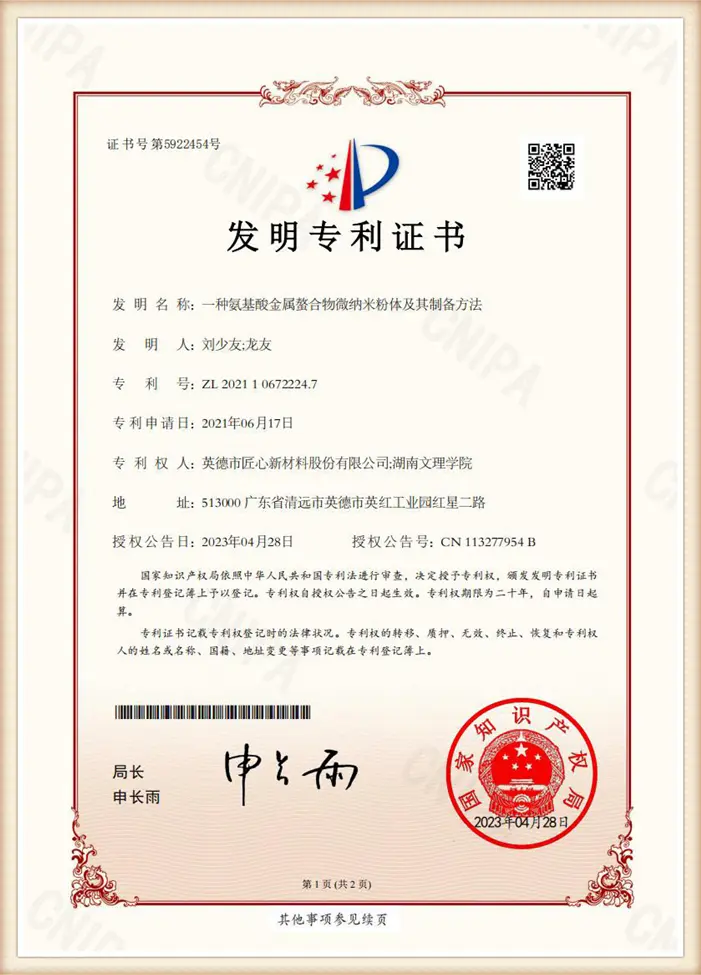
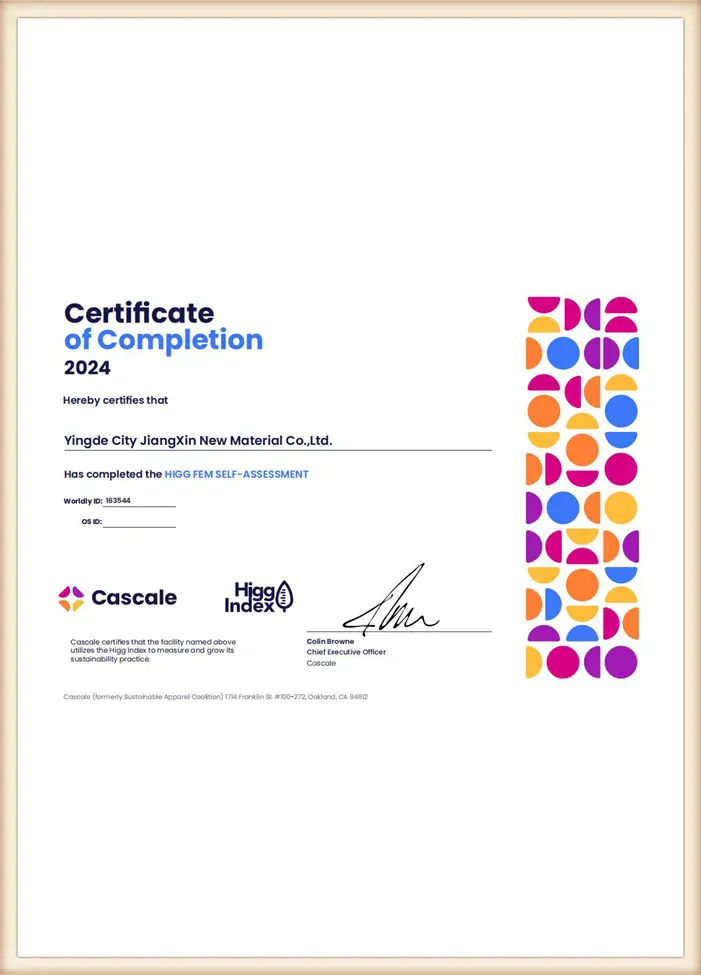
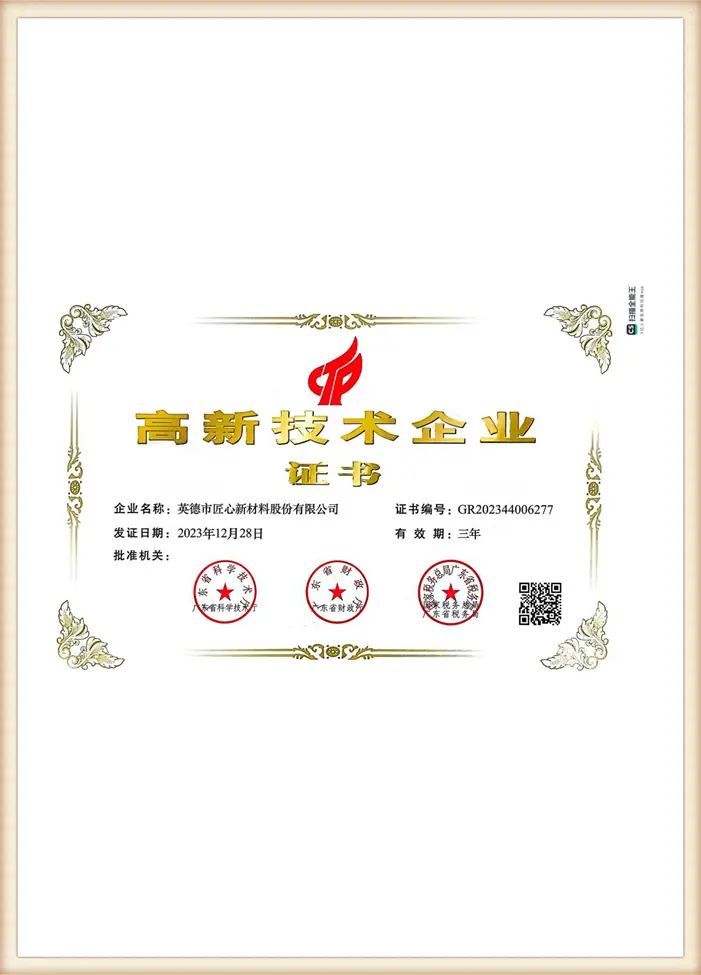
Audited Quality Systems & Verifiable Compliance
Full compliance documentation available for technical teams, legal officers, and brand auditing managers.
 DOC 01
 DOC 02
 DOC 03
 DOC 04
 DOC 05
 DOC 06
 DOC 07
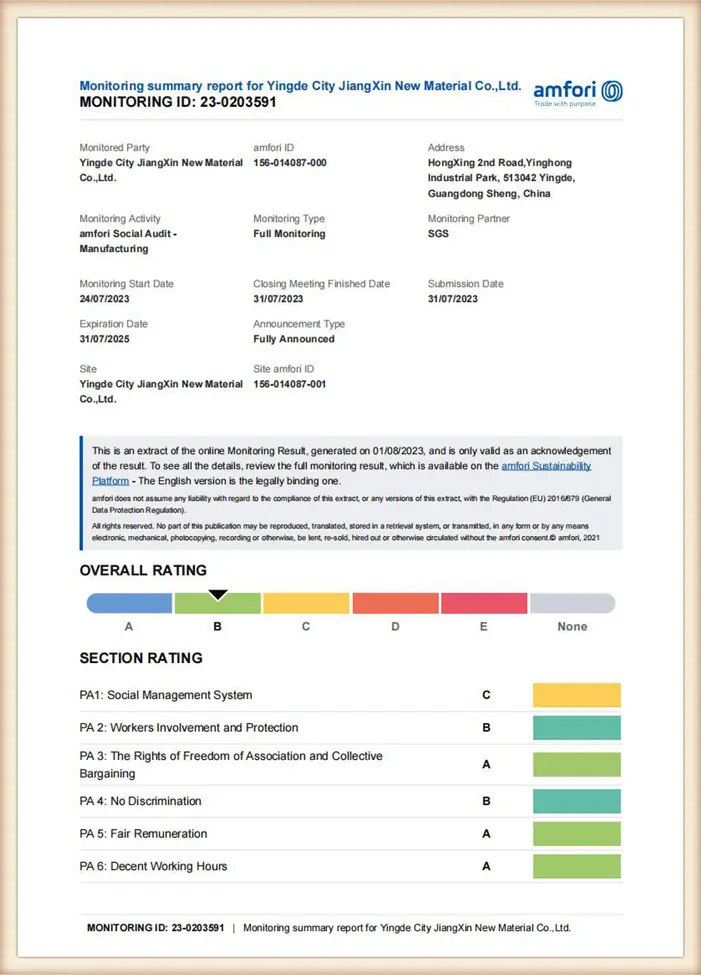 DOC 08
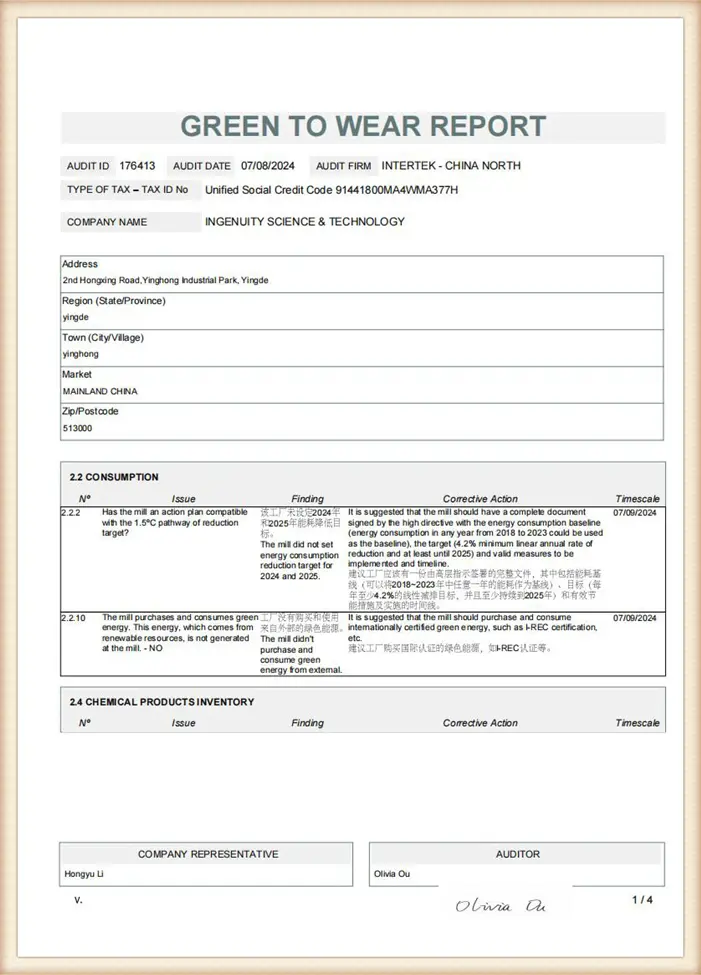 DOC 09
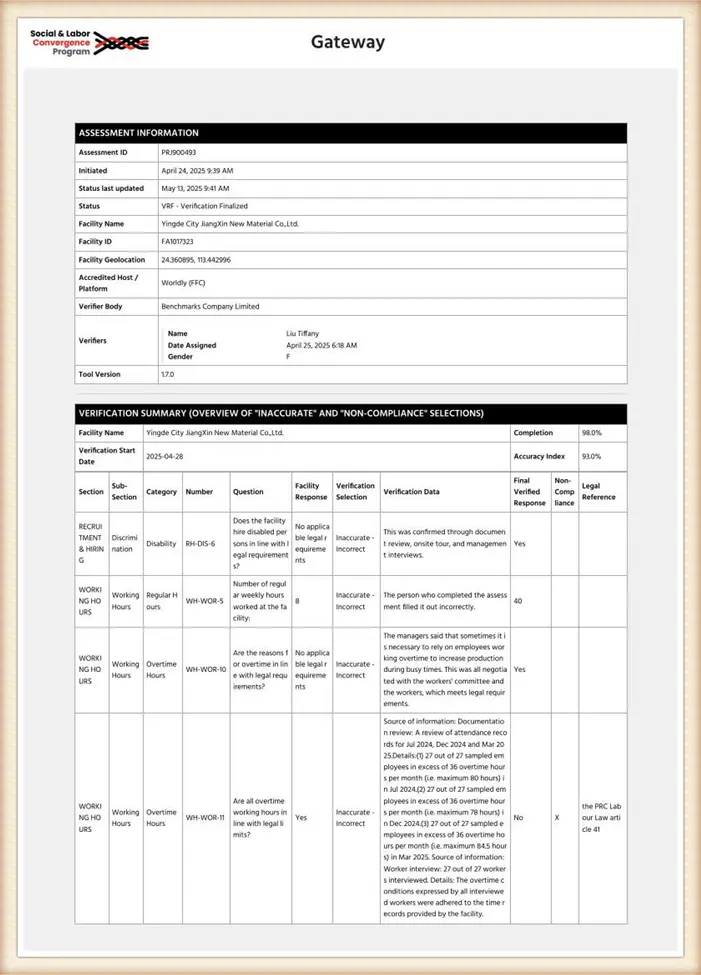 DOC 10
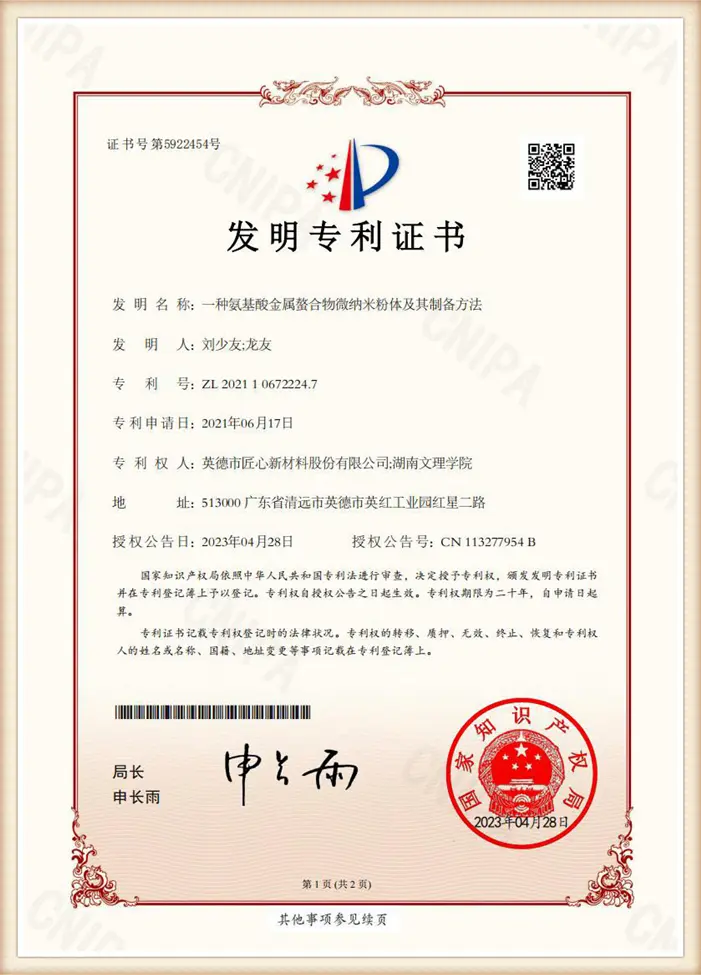 DOC 11
 DOC 12
 DOC 13
 DOC 14
Technology Roadmap & Sustainable Synthetic Evolution
Our multi-phase capital deployment and chemical development roadmap through 2029.
Scale Up High-Solids Bio-PU
Expand standard catalog offerings to 40%+ bio-based carbon polyols across all standard stock colors. Double rooftop photovoltaic coverage to surpass 5.5 MW on campus.
Zero-Effluent Water Recovery
Implement tertiary mechanical vapor recompression (MVR) wastewater recovery across all washing lines, targeting 98.5% process water recycling within closed manufacturing loops.
Non-Isocyanate Polyurethane
Commercialize NIPU (non-isocyanate polyurethane) formulations synthesized from cyclic carbonates and bio-based amines, removing monomeric isocyanates from synthesis lines.
Fully Circular Depolymerization
Deploy chemical recycling protocols capable of separating polyurethane surface coatings from polyester backings, enabling 100% closed-loop post-consumer textile rejuvenation.
Industrial Sourcing & Compliance Inquiries
Detailed answers to technical parameters, chain of custody questions, and production logistics.
Traditional PU utilizes petroleum solvents (such as DMF) to dissolve polyurethane resins, requiring oven evaporation that risks residual chemical retention. Water-based PU substitutes water for volatile solvents, significantly reducing emissions. Solvent-free PU (EPU) utilizes direct reaction injection molding of 100% active polyols and isocyanates without solvents or water, producing zero volatile emissions, higher tensile strength, and superior hydrolysis life.
Bio-based claims are authenticated through radiocarbon dating via ASTM D6866 (Standard Test Methods for Determining the Biobased Content of Solid, Liquid, and Gaseous Samples Using Radiocarbon Analysis). This distinguishes modern biomass carbon (Carbon-14) from fossil petrochemical carbon (zero C-14). Test reports are issued by accredited international third-party testing laboratories.
For custom formulation runs, standard factory production MOQ is 500 to 1,000 linear meters per color and emboss spec. Standard swatches and catalog color sample yardage ship within 48 to 72 hours. Custom color matching (Lab dip approval) and grain embossing development require approximately 5 to 7 working days.
All formulations run on computerized automated dosing systems. Bulk production operates with continuous inline optical spectrophotometers that verify Delta E color deviation stays below 0.8 across roll runs. Tensile, peel, and grain retention parameters undergo laboratory verification every 2,000 meters before shipment sign-off.
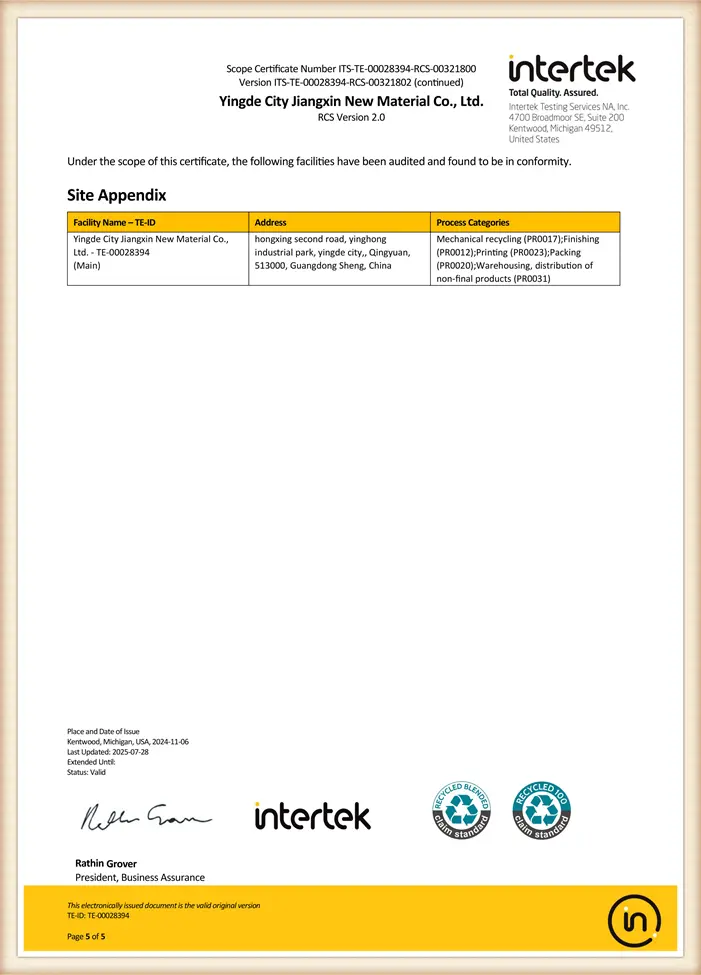
Yes. As an audited facility operating under the Textile Exchange Recycled Claim Standard (RCS), our production processes are traceable back to post-consumer rPET flakes and certified scrap streams. We issue batch-specific Transaction Certificates (TCs) authenticated through our certification registrar.
We coat over a wide range of substrates, including RCS-certified recycled microfibers, circular-knit polyester, woven cotton twill, non-woven spunlace, regenerated suede, and fire-resistant aramid backings. Backings are selected based on end-application requirements for elongation, stitch-tear resistance, and structural hand-feel.
Certified Sustainable Production References
Direct technical specifications and roll reservation for ongoing export manufacturing contracts.