
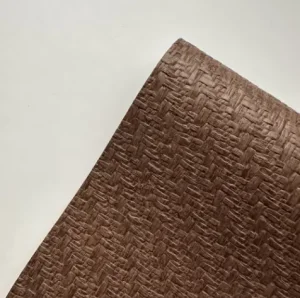
Featured Sustainable Synthetic Leather Matrix (Phase I)
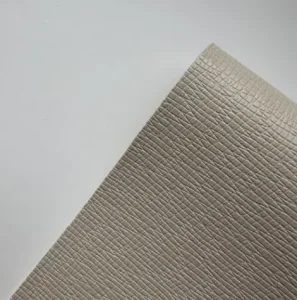
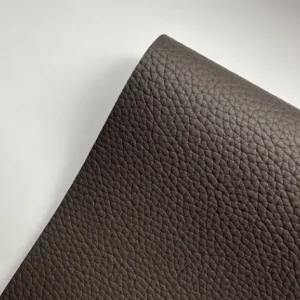
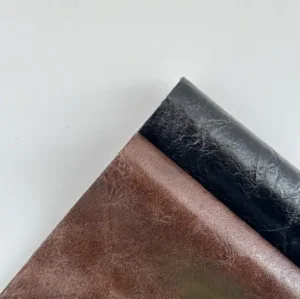
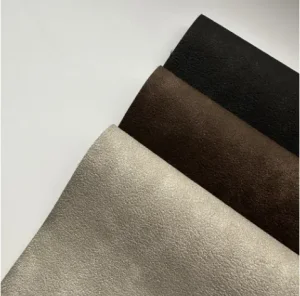
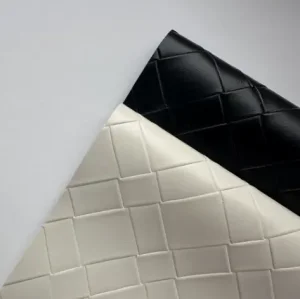
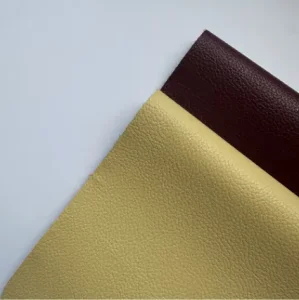
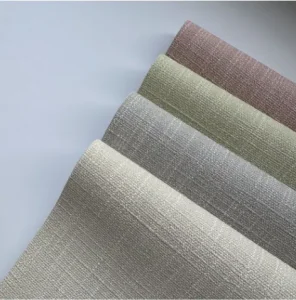
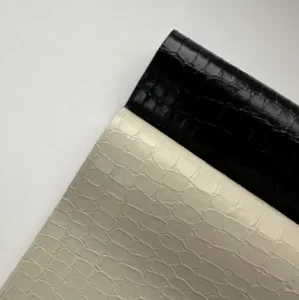
Engineered for immediate sampling and mass-scale technical adoption, these eight performance-certified articles embody rigorous carbon accounting, zero hazardous DMF/toluene solvent emissions, and customized mechanical tensile thresholds.
Macro Trends, ESG Mandates, & The Decarbonization Paradigm
The international synthetic leather market has fundamentally shifted from a cost-driven replacement of animal hides to a sophisticated technical sector driven by circular economy mandates, toxicological restrictions, and Scope 3 carbon reduction quotas.
The Twilight of Solvent-Heavy Polyurethane
For more than four decades, conventional DMF (dimethylformamide)-based wet PU processing served as the commercial benchmark for synthetic leather. However, stringent global chemical regulations have systematically outlawed residual solvent emissions. The European Chemicals Agency (ECHA) under REACH Annex XVII has set actionable limits on DMFa and related volatile organic compounds (VOCs). Concurrently, zero-PFAS mandates across the United States and the EU have rendered traditional fluorinated stain-resistant coatings obsolete.
Leading global brands across the automotive, footwear, apparel, and contract furnishings sectors are actively de-risking their raw material supply chains. They demand verified non-toxic production platforms where waterborne polyurethane dispersion (PUD), 100% solvent-free hot-melt polyurethane, and plant-derived feedstocks replace petroleum hydrocarbons.
Regulatory Thresholds Accelerating Material Shifts
1. EU Corporate Sustainability Due Diligence (CSDDD): Enforces strict upstream transparency, penalizing untraceable raw materials and polluting tanning chemistries.
2. OEKO-TEX Standard 100 Class I & II: Imposes stringent limits on extractable heavy metals, organotin compounds, phthalates, and formaldehyde (<16 mg/kg).
3. USDA BioPreferred & DIN CERTCO: Validates renewable biogenic carbon shares via ASTM D6866 C14 radiocarbon assays, preventing deceptive greenwashing.
| Polymer Architecture | Feedstock Provenance | VOC & Solvent Emissions | Hydrolysis Stability | Circularity / Traceability |
|---|---|---|---|---|
| Traditional Wet-Process PU | 100% Petroleum Virgin Crude | High (Residual DMFa/Toluene) | 3 - 5 Years (Jungle Test Standard) | Landfill Non-Circular |
| Waterborne PU (PUD) | Aqueous Dispersion / Glycols | Zero Hazardous Solvents | 5 - 8 Years Stable | Partially Recyclable Substrates |
| Solvent-Free Reactive PU | 100% Solid Two-Component Resin | Near-Zero VOC (No Drying Oven Off-Gas) | 8 - 10+ Years Heavy Industrial | Energy-Efficient Crosslink |
| Bio-Based JX.ECO PU | Corn / Castor Agricultural Polyols | Ultra-Low VOC / Water-Blown Foam | 7 - 10 Years Continuous Flex | ASTM D6866 Certified 30%-80% |
Technology Roadmap: High-Purity Synthesis to Circular Lifecycle
JiangXin New Material engineers every molecular layer from polymer synthesis through microfiber non-woven texturing. Our proprietary clean-chemistry platform enables brands to surpass fossil-free goals without sacrificing haptic luxury or structural strength.
1. Biogenic Carbon Polyol Synthesis
By extracting diols and polyols from renewable plant feedstocks (such as non-food industrial castor beans and agricultural corn starch), our chemists synthesize bio-PU polymer chains matching the exact hardness, elongation, and crystalline stability of petrochemical isocyanates. Biogenic carbon ratios are certified up to 80% via radiocarbon measurement (ASTM D6866).
2. 100% Solvent-Free Hot-Melt Coating
Eliminating carrier fluids, our solvent-free lines react liquid polyols directly with pre-polymerized isocyanates under precision thermal calendars. This 100% solid curing mechanism consumes 62% less electrical thermal energy than solvent evaporation towers, leaves zero chemical odor, and completely prevents skin-sensitizing volatile cross-linkers.
3. Recycled Chain of Custody (RCS / GRS)
Circular engineering demands sustainable substrates. We laminate biobased and solvent-free skin layers over 100% post-consumer recycled PET microfiber, recycled sea-island nonwovens, and regenerated cotton backing cloths. Every procurement batch includes genuine Textile Exchange transaction certificates (TC) ensuring full chain-of-custody verification.
Solvent Replacement
Full campus conversion to waterborne PUD and solvent-free reactive polyurethane coating. Elimination of DMFa, MEK, and toluene.
Biobased Scale-Up
Mass-production qualification of USDA BioPreferred 30% to 75% biogenic carbon synthetic leather across automotive and premium footwear programs.
PFAS-Free Super-Hydrophobicity
Integration of silicon-modified and fluorocarbon-free surface treatments delivering Martindale rub cycles exceeding 100,000 without toxic forever chemicals.
Closed-Loop Monomateriality
All-polyurethane constructions (PU top layer + PU nonwoven backing) enabling clean single-stream chemical depolymerization and scrap recyclability.
Scale, Vertical Integration, and Renewable Power Generation
JiangXin New Material (JX.ECO) operates an expansive, state-of-the-art clean-tech chemical campus in Yingde, Guangdong. Designed to strict industrial safety and eco-engineering standards, our facility safeguards global Tier-1 production lines against supply-chain disruption.
Vertical Integration from Resin to Roll
Unlike regional conversion shops that rely on third-party laminators, JiangXin's 135,733 m² campus maintains end-to-end operational autonomy. We control base nonwoven scouring, needle punching, wet coagulation, reactive solvent-free extrusion, surface micro-embossing, and computerized color consistency within a unified quality framework.
By producing our own base microfiber backings and formulating custom polyurethane polymers in-house, we eliminate external intermediary markups, shorten lab-dip turnaround times to under 72 hours, and ensure total chemical traceability for every export roll.
Decarbonized Factory Infrastructure
Our Yingde facility generates power through a 4.68 MW rooftop photovoltaic solar installation, providing substantial clean electricity to drive our coating lines, cooling pumps, and digital inspection systems. Coupled with high-efficiency heat exchangers and a closed-loop catalytic thermal oxidizer (RTO), waste energy is captured and reintroduced directly into the drying chambers.
Our dedicated on-site biological wastewater treatment plant purifies process water well beyond national discharge regulations, creating an auditable, low-carbon manufacturing footprint recognized by ISO 14001, Higg Index FEM, and amfori BSCI social compliance certifications.
Localized Application Scenarios & Physical Thresholds
A material designed for luxury luggage fails under athletic footwear shear, while automotive cockpit seating demands thermal stability unknown to fast fashion. We engineer tailored molecular coatings matched to specific end-market failure modes.
Automotive & Transit
Engineered for dashboard skins, headliners, and seating. Formulated to pass ISO 6452 low-fogging criteria (gravimetric < 2mg), UV Xenon arc exposure (SAE J2412 up to 1240 kJ/m²), and rigorous hydrolysis tests (Jungle Test 10 weeks at 70°C and 95% relative humidity) preventing delamination or sticky tackiness.
Athletic & Safety Footwear
High-flex durability for sneaker vamps, toe caps, and collar linings. Passes 150,000+ Bally flexometer cycles under wet conditions and 100,000 cycles at -20°C sub-zero temperatures (DIN EN ISO 5423). High stitch-tear strength (>80 N) prevents needle-hole tearing during rapid vulcanized assembly.
Handbags & Leather Goods
Designed to deliver the soft temper, suppleness, and burnished edge-finishing traits of fine calfskin without animal inputs. Superior Taber abrasion resistance (ASTM D3884 CS-10 wheel, 1,000g load, >2,000 revs) guarantees that handle straps, corner points, and gussets remain pristine through years of retail usage.
Contract Furniture & Marine
Heavy-duty contract upholstery certified to Cal 117, BS 5852 Crib 5, and IMO marine fire-resistance codes. Formulated with non-migrating, halogen-free flame retardants, anti-mildew agents (ASTM G21), and stain-blocking topcoats that release ink, coffee, and alcohol cleansers effortlessly.
Audited Certifications, Traceability, & On-Site Support
Brand compliance cannot rest on unverified marketing claims. We back our materials with rigorous documentation, certified testing, and direct technical engineering support throughout sampling, mold development, and container export.
Textile Exchange RCS / GRS
Every meter of our recycled-content synthetic leather follows strict chain-of-custody protocols verified by third-party auditors. We assist buyers in obtaining official Transaction Certificates (TC) linked to specific production invoices, guaranteeing frictionless customs clearance and authenticated hangtag sustainability claims.
USDA BioPreferred Certification
Our biobased synthetic leather collections undergo rigorous radiocarbon testing (ASTM D6866 Method B) through accredited laboratories (Beta Analytic). Brands receive verifiable test reports specifying exact renewable biogenic carbon shares, providing bulletproof evidence against regulatory scrutiny under the FTC Green Guides.
Universal RSL Clearance
Our formulation databases are screened against the AFIRM Group Restricted Substances List (RSL), ZDHC MRSL Level 3 standards, California Proposition 65 (phthalate-free: DEHP, DBP, BBP, DINP, DIDP, DnOP < 1000 ppm), and EU REACH SVHC lists. Test data packages are provided alongside initial swatch submission.
Frequently Asked Questions for Sourcing Directors & Engineers
Direct, technically precise answers addressing physical testing, MOQ configurations, certification logistics, and commercial trade terms for enterprise procurement teams.
What are the key technical differences between traditional PU, Waterborne PU, and Solvent-Free PU?
How is bio-based content in JX.ECO synthetic leather verified and tested?
What is the standard Minimum Order Quantity (MOQ) and production lead time for custom formulations?
Can your synthetic leather materials withstand harsh hydrolysis and high humidity environments?
How does JiangXin manage supply-chain traceability for RCS-certified recycled orders?
Are JiangXin synthetic leathers completely free of restricted phthalates and heavy metals?
What export shipping terms and packaging standards do you offer for container shipments?
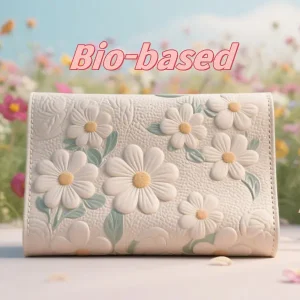
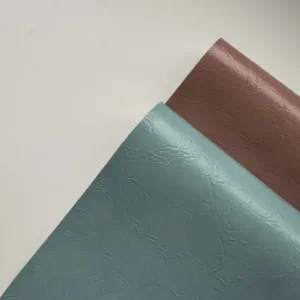
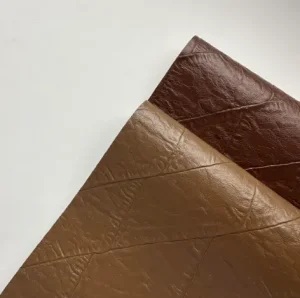
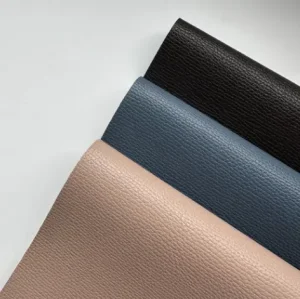
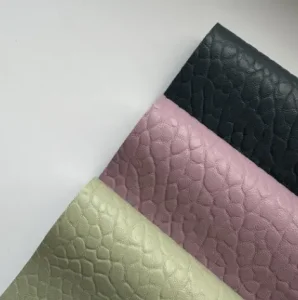
Featured Sustainable Synthetic Leather Matrix (Phase II)
Explore eight additional high-performance sustainable synthetic leather articles, certified for wear resistance, stitch strength, and circular supply chains across global luxury, footwear, and technical apparel sectors.


Initiate Your Custom Sustainable Leather Development
Connect with JiangXin's chemical engineering and international compliance specialists. Whether requesting an expedited swatch binder, custom color-matching, or testing validation for automotive, footwear, or upholstery tech packs, our factory team is prepared to assist.