
Flagship Designer Faux Leather Sheets & Composite Systems
Direct factory bulk supply engineered with rigorous mechanical yield, grain consistency, and traceable environmental certifications.
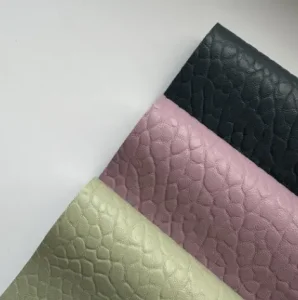
OEM RCS Certified Recycled Eco Synthetic Leather-9377 Manufacturers, Manufacturer
View Product Specs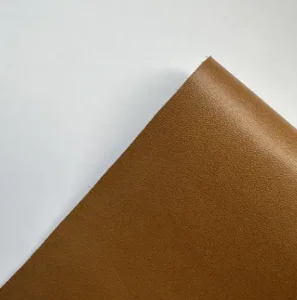
Custom Plant-Sourced Bio-Based Synthetic Leather-9164 Factory, Factories
View Product Specs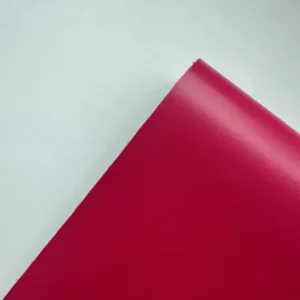
Wholesale Eco-Conscious High-Performance Synthetic Leather-0167 Manufacturers, Factory
View Product Specs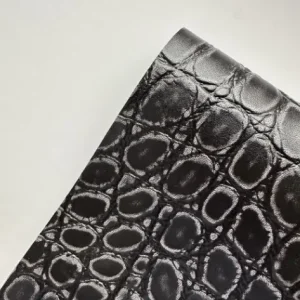
Wholesale Eco-Friendly Sustainable Synthetic Leather-9015 Factory, Factories
View Product Specs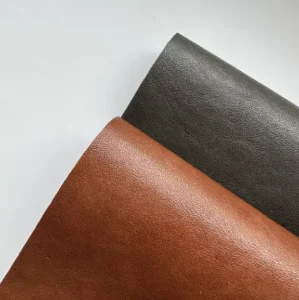
Wholesale Eco-Friendly Sustainable Synthetic Leather-9309 Manufacturers, Suppliers
View Product Specs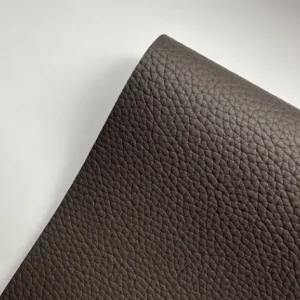
OEM Low-Impact Sustainable Synthetic Leather-9299 Factory, Factories
View Product Specs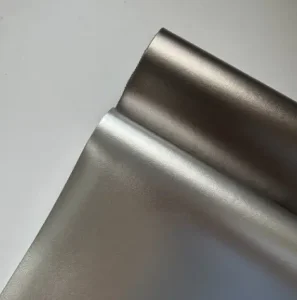
Wholesale Eco Plant-Based Renewable Synthetic Leather-2056 Supplier, Factories
View Product Specs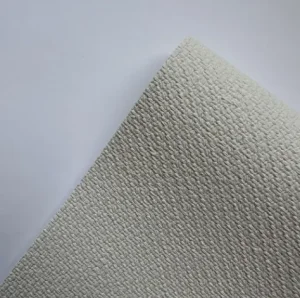
High-Quality Circular Recycled Synthetic Leather-9321 Manufacturer, Suppliers
View Product SpecsThe Paradigm Shift in Wholesale Designer Faux Leather Sheets
The global market for designer artificial leather sheets is undergoing an irreversible transition. Procurement leaders and tier-1 product engineers are no longer balancing cost against sustainability; regulatory mandates and consumer demands have turned carbon traceability, non-toxic chemistry, and physical resilience into compulsory baselines.
De-Fossilization of Resin Chemistry
Traditional synthetic leathers historically depended on petroleum-derived aliphatic and aromatic isocyanates. Modern procurement protocols require bio-polyol integration derived from non-food agricultural feedstocks, displacing up to 40%–60% of fossil carbon within the polyurethane matrix while guaranteeing compliance under ASTM D6866 carbon isotopic validation.
- Non-food industrial corn & castor-derived polyols
- Direct displacement of fossil raw materials
- Significant cradle-to-gate carbon footprint reduction
Elimination of Volatile Solvents
Legacy wet-process PU relied heavily on dimethylformamide (DMFa), toluene, and methyl ethyl ketone (MEK). JiangXin utilizes clean waterborne polyurethane (WPU) and 100% solvent-free hot-melt reaction systems, eliminating hazardous processing chemicals to comply with zero-discharge restricted substance lists (ZDHC MRSL Level 3).
- Zero VOC emissions in the curing line
- Elimination of residual solvent skin allergies
- REACH Candidate List of SVHC 100% compliant
Circular Backing Matrix Architecture
A designer sheet's tensile integrity, draping behavior, and edge-burnish quality depend entirely on its composite substrate. By incorporating Recycled Claim Standard (RCS) and Global Recycled Standard (GRS) post-consumer polyester (rPET) microfiber and non-woven felts, supply chains maintain an uninterrupted custody trail from recycled PET flakes to finished roll goods.
- Mechanically locked post-consumer rPET fibers
- Controlled elongation curves for automated die-cutting
- Superior tear propagation resistance along cross-grain
Industrial Grade Technical Matrix: Performance Baselines
Every production batch from JiangXin New Material undergoes rigorous testing in accredited laboratory chambers to ensure consistency across caliper, tactile hand feel, and weathering resistance before bulk dispatch.
| Performance Characteristic | Test Standard / Method | Commercial PVC Grade | Conventional Wet PU | JiangXin Biobased & RCS PU |
|---|---|---|---|---|
| Biobased Carbon Content | ASTM D6866-22 Method B | 0% (Petroleum Only) | 0% (Petroleum Only) | 20% – 50% Verified |
| Martindale Abrasion | ISO 12947-2 (12kPa load) | 25,000 Rubs (Surface cracks) | 40,000 – 60,000 Rubs | > 100,000 Rubs (No peel) |
| Low-Temperature Bally Flex | ISO 5402-1 (-20°C flex resistance) | Brittle fracture < 5,000 cycles | 20,000 – 30,000 cycles | > 80,000 cycles (No microcracks) |
| Hydrolysis Chamber (Jungle Test) | 70°C, 95% Relative Humidity | Severe delamination in 3 weeks | 5 Weeks acceptable threshold | 8 to 10 Weeks (Medical/Auto Grade) |
| Volatile Organic Residue (DMFa) | EN 17131 / Gas Chromatography | N/A (Phthalates High) | 50 – 500 ppm | ND (Non-Detectable < 5 ppm) |
| Color Fastness to Perspiration | ISO 105-E04 (Acidic & Alkaline) | Grade 3 | Grade 3.5 – 4 | Grade 4.5 – 5 (Superior) |
| Stitch Tear Resistance | ISO 23910 (Perpendicular pull) | 35 N / mm | 45 – 55 N / mm | > 70 N / mm (Structural Reinforcement) |
Engineered Synthetic Solutions Across Demanding Industries
Designer faux leather sheets are engineered to balance aesthetic luxury with industrial physical demands, tailored specifically to the stress patterns of end-use categories.
Luxury Handbags & Leather Goods
For high-end structured totes, clutches, and small leather goods (SLG), JiangXin engineers designer sheets with calibrated split temper, round hand feel, and uniform edge-paint absorption. The micro-cellular skin reproduces natural leather drape without grain puddling or edge-peeling.
- Calibrated thickness: 0.8mm – 1.4mm
- Embossed depth memory with thermal edge burnishing
- Resistance to cosmetic oil, alcohol, and perfume stains
Footwear Uppers & Performance Liners
Athletic sneakers, formal dress shoes, and tactical boots require extreme flex resilience and dynamic tensile recovery. Our solvent-free PU sheets survive 100,000+ flexes at cold temperatures without micro-fissuring, providing high breathability and blister-free footbed lining options.
- High dynamic peel strength: > 3.5 kg/3cm
- Enhanced breathability and moisture vapor transmission
- Anti-mildew and anti-bacterial treatment options
Automotive Interiors & Hospitality Seating
Interior cabin seating, yacht upholstery, and architectural contract seating demand extreme UV aging stability and strict flame retardancy. JiangXin designer composite sheets resist yellowing under UV irradiance and pass critical fire certifications without toxic halogenated chemicals.
- Fire ratings: CAL 133, FMVSS 302, BS 5852 Crib 5
- UV stability: Xenon Arc 650 hours Grade 4.5
- Stain-shield topcoats repelling denim dyes and ink marks
State-of-the-Art Factory: Yingde City JiangXin New Material
Established on June 2, 2017 in the Yinghong Industrial Park of Yingde City, Guangdong, our factory represents a 135,733 m² clean-tech manufacturing hub built to stringent environmental standards. Featuring floor-to-ceiling tempered glass workshops for natural illumination and employee safety, the site houses continuous dry-process, wet-process, and 100% solvent-free coating lines.
Operating with a massive 4.68 MW rooftop photovoltaic solar system, JiangXin offsets its electrical load directly on-site. Production is further reinforced by an integrated multi-stage biological sewage processing station and multi-tube heat recovery systems, securing industrial-scale material production of over 16 million meters annually for supply assurance.
Operational & Ecological Safeguards
4.68 MW rooftop solar panels yield over 4.8 million kWh clean electricity each year, lowering carbon emissions per meter produced.
Advanced heat exchanger manifolds capture curing-line exhaust, cycling thermal energy back to pre-heat drying chambers.
Zero-spill fluid handling, computerized dosing tanks, and strict chemical isolation protocols exceeding national environmental mandates.
Worldwide Trade & Regulatory Compliance Protocols
Cross-border customs audits and brand RSL checks create serious hurdles for non-compliant materials. JiangXin pre-qualifies its designer faux leather sheets to clear international environmental thresholds with complete documentation.
EU REACH & RoHS
Formulations run free of 240+ Substances of Very High Concern (SVHC). Screened via SGS and Intertek for organotins, short-chain chlorinated paraffins (SCCP), polycyclic aromatic hydrocarbons (PAH), and azo colorants.
California Prop 65
Guaranteed 100% free of regulated phthalates including DEHP, DBP, BBP, DINP, DIDP, and DnOP (under 100 ppm detection thresholds) with heavy metal concentrations complying with CPSIA guidelines.
RCS & GRS Tracking
Certified under the Textile Exchange Recycled Claim Standard. Official Transaction Certificates (TC) track recycled PET backings through manufacturing to confirm material origins.
Higg FEM & BSCI
Audited facility operations complying with amfori BSCI social labor mandates and verified through the Sustainable Apparel Coalition's Higg Facility Environmental Module (Higg FEM).
JiangXin R&D Technology Roadmap (2025 – 2030)
Our materials lab collaborates with polymer scientists and academic research centers to develop sustainable, circular synthetic surfaces.
Agricultural Waste & 60% Bio-Polyols
Scaling second-generation agricultural side-streams (corn stalks, non-edible seeds, hemp pulp) into hydroxyl-terminated prepolymers. Replacing fossil feedstocks while maintaining hydrolytic strength.
CCU Polyols & Mono-Material Systems
Integrating Carbon Capture & Utilization (CCU) polyols synthesised directly from captured industrial CO2 gas emissions, combined with 100% polyester mono-material builds for straightforward mechanical recycling.
Enzymatic Degradable Coatings
Engineering enzyme-sensitive polyurethane bonds that remain stable during use, yet dissolve cleanly in controlled composting conditions without yielding microplastics.
Frequently Asked Questions for Brand Procurement Teams
Technical and logistical insights to help streamline vendor onboarding, sample trials, and bulk contract execution.
What is the standard MOQ for custom color, caliper, and emboss development?
For standard catalog formulations in stock colors, our minimum trial volume starts at 500 linear meters per color. For custom color matching (Pantone TPX / physical swatches), calibrated calipers (0.4mm to 2.2mm), or specialized roller emboss designs, the standard production run baseline is 1,000 meters.
How does JiangXin substantiate biobased percentage claims?
Every biobased lot is formulated using certified bio-content polyol systems verified through ASTM D6866 carbon-14 (14C) radiocarbon testing. This distinguishes biological carbon from fossil-fuel derived hydrocarbons, allowing brands to make verified claims under the USDA BioPreferred program.
What is the official procedure for obtaining RCS Transaction Certificates (TCs)?
When purchasing from our RCS-certified line, you register your purchase order through our certified production chain. Once bulk production finishes and the export bill of lading issues, we submit the commercial invoice and packing list to our certification body to issue an official Transaction Certificate (TC).
Can designer sheets be optimized for high-speed automated CNC laser cutting?
Yes. Automotive and footwear manufacturers rely on consistent roll-width tension and balanced warp/weft elongation to prevent optical sensor errors during cutting. Our sheets maintain uniform thickness tolerances within ±0.03mm and edge-to-edge flatness across 1.37m (54-inch) roll goods.
How do solvent-free waterborne PU sheets perform against traditional animal leathers?
High-tier synthetic sheets consistently outperform traditional leather in cutting yield efficiency, achieving 95%–98% usable area compared to 60%–70% for natural hides with irregular edges and scar defects. They deliver higher color fastness, identical batch-to-batch grain consistency, and lighter overall weight.
What lead times apply for custom lab-dip matching and container shipments?
Lab-dip swatches (A4 size) with standard grain textures ship within 3 to 5 working days. Custom textured roller tooling requires 10 to 14 days. Once sample approval is locked, full 20ft or 40ft high-cube container production runs average 15 to 22 business days, supported by our 16M+ meter annual capacity.
Specialty Engineered & Custom Surface Formulations
Explore specialized synthetic leather grades engineered for distinct functional flexures, tactile dry-feel, and custom backing systems.
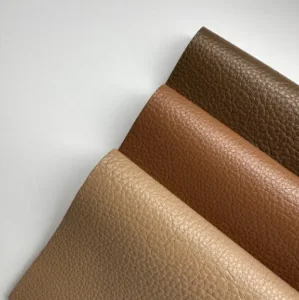
Custom RCS Recycled Synthetic Leather-9078 Manufacturer, Suppliers
View Product Specs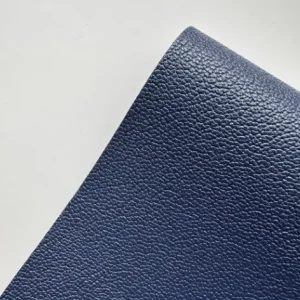
OEM RCS Certified Recycled Sustainable Synthetic Leather-9168 Manufacturers, Manufacturer
View Product Specs
Custom Plant-Derived Renewable Bio-Based Synthetic Leather-9081 Manufacturers, Factories
View Product Specs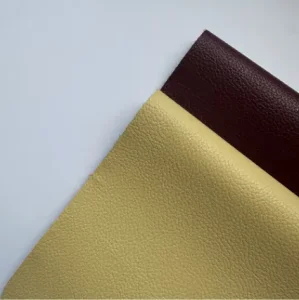
Wholesale Plant-Derived Renewable Bio-Based Synthetic Leather-9350 Manufacturers, Factories
View Product Specs
Wholesale Green Circular Synthetic Leather-9168 Supplier, Factory
View Product Specs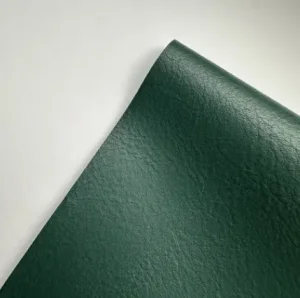
OEM Plant-Derived Bio-Based Synthetic Leather-9106 Manufacturer, Factory
View Product Specs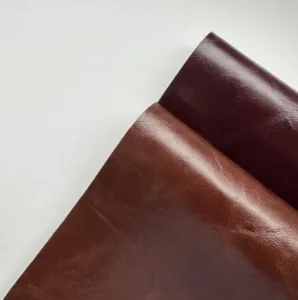
Wholesale High-Performance Eco-Engineered Synthetic Leather-0255 Supplier, Factory
View Product Specs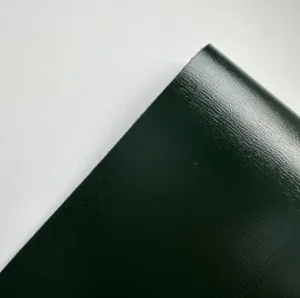
Wholesale RCS-Certified Traceable Recycled Synthetic Leather-0101 Suppliers, Factories
View Product SpecsInitiate Your Custom Designer Synthetic Development
Our sales engineering team provides full physical swatches, technical data sheets (TDS), safety data sheets (SDS), and compliance packages customized to your product specifications.