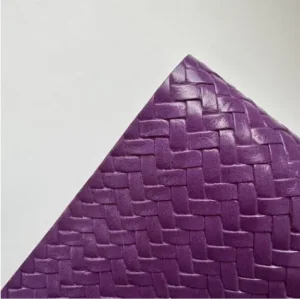
Engineered Sustainable Leather Swatch Catalog: Tier-1 Reference
Precision-manufactured biobased polyols, RCS-certified recycled matrices, and low-VOC synthetic alternatives configured for high-throughput OEM automation.
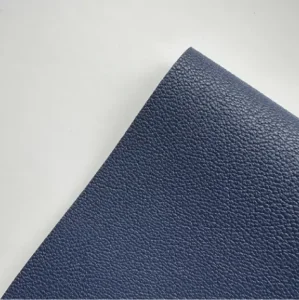
Wholesale Green Circular Synthetic Leather-9168
View Specifications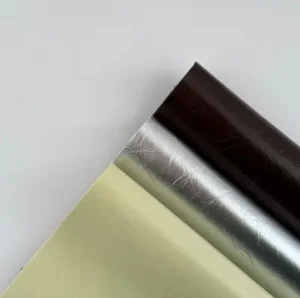
OEM Sustainable Eco-Friendly Faux Leather-0195
View Specifications
Wholesale RCS Traceable Recycled Synthetic Leather-0101
View Specifications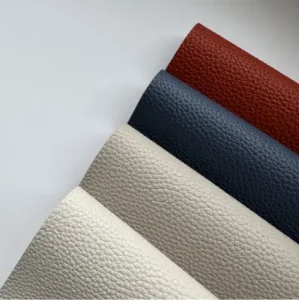
OEM RCS Recycled Sustainable Leather-9163
View Specifications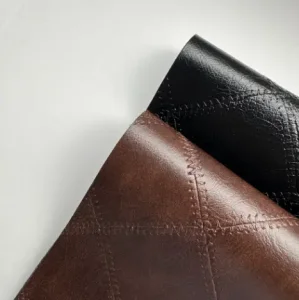
Wholesale Bio‑Derived Renewable Leather-9279
View Specifications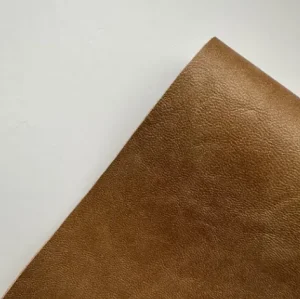
Custom Circular RCS Recycled Premium Leather-0003
View Specifications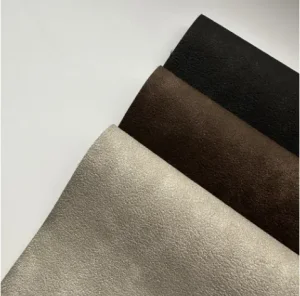
Custom Low‑Impact Sustainable Synthetic Leather-0004
View Specifications
OEM Eco-Friendly Sustainable Synthetic Leather Base
View SpecificationsThe Operational Meaning of Sustainable Leather in OEM Factory Ecosystems
Navigating beyond superficial marketing terminology: Establishing rigorous chemical, mechanical, and carbon lifecycle parameters for modern sustainable polymers.
1. Molecular Feedstock Decarbonization
In standard chemical engineering, true sustainable leather begins at the polyol synthesis stage. Rather than relying 100% on crude oil cracking products, biobased synthetic leather substitutes fossil-derived propylene oxide with renewable biological polyols derived from non-food agricultural biomass. Verified via ASTM D6866 carbon isotopic measurement, this technical shift reduces cradle-to-gate CO2e emissions by up to 38% while preserving elastomeric recovery and grain definition.
2. Certified Chain-of-Custody Recycling
Circular leather frameworks require absolute traceability. Utilizing post-consumer rPET bottles and post-industrial polymeric waste, the Recycled Claim Standard (RCS) and GRS architectures track feedstocks through mechanical extrusion into high-tensile microfibers and knit backings. Every metric roll manufactured at JiangXin is matched with an official Transaction Certificate (TC), validating that physical scrap diversion claims meet global anti-greenwashing regulatory benchmarks.
3. Zero-Solvent Clean Chemistry (VOC Abolition)
Traditional synthetic leather manufacturing relies heavily on Dimethylformamide (DMFa), Dimethylacetamide (DMAC), or Toluene. A modern OEM clean factory implements 100% solvent-free polyurethane (Waterborne PU) dispersion technology. Operating closed-loop curing ovens without petrochemical carriers ensures zero airborne occupational toxins, eliminates residual amine odors, and ensures full alignment with the most stringent SVHC lists under EU REACH.
Global Demand Drivers: Why Fortune 500 Brands Shift to Sustainable PU
Escalating legislative frameworks, Scope 3 emission penalties, and circular product directives demand systemic supply chain evolution across footwear, automotive, and luxury accessories.
EU Deforestation & CSRD Compliance
Under the EU Deforestation Regulation (EUDR) and the Corporate Sustainability Due Diligence Directive (CSDDD), traditional bovine leather carries massive audit liabilities due to cattle ranching origins. OEM engineered bio-leather and RCS synthetics provide an auditable, deforestation-free material alternative with verifiable digital lifecycle disclosures for corporate ESG balance sheets.
Yield Maximization in High-Speed Cutting
Natural hides exhibit non-uniform thickness, bite scars, and directional elasticity variances, typically yielding only 60-70% usable surface during die cutting. JiangXin’s calibrated rolls deliver 100% surface utilization, predictable thickness tolerances (±0.05mm), and zero defect clustering, accelerating robotic automated nesting in athletic footwear and mass-market bag assembly lines.
Aggressive Scope 3 Decarbonization
Upstream raw materials constitute over 70% of a global fashion brand's carbon profile. By switching from solvent-based PVC/PU or conventional chrome-tanned cattle hide to 4.68 MW solar-powered waterborne PU, international brands systematically strip metric tons of CO2 equivalent from their supply chain, satisfying Science Based Targets initiatives (SBTi).
The 2026-2030 Technical Trajectory: From Generation I to Closed-Loop IV
Systematic evolution of synthetic polymer chemistry across continuous micro-extrusion, cross-linking architectures, and bio-circular enzymatic recycling.
Waterborne PU Dispersions
Elimination of DMFa using aqueous polyurethane carriers. Provides baseline compliance for REACH/RoHS and removes odor, serving as the benchmark foundation for eco-conscious luxury goods.
Bio-Derived Polyols (30-65%)
Substitution of petroleum dipropylene glycol with plant starch and castor oil polyols. Verified by radiocarbon testing (ASTM D6866) with USDA BioPreferred accreditation.
Solvent-Free Solid Thermoplastics
Zero liquid carrier thermal extrusion with reactive hot-melts. Reduces furnace dwell time by 60%, drastically slashing kilowatt-hour consumption per linear meter.
Enzymatic Chemical Circularity
Monolithic polyurethane and backing compositions engineered for industrial enzymatic depolymerization, enabling 100% cradle-to-cradle infinite monomer recovery.
State-of-the-Art Factory Infrastructure & Production Matrix
Operating from Yingde City JiangXin New Material Co., Ltd.’s 135,733 m² mega-facility, built specifically to overcome volatile supply chains and rigorous international audits.
Solar-Microgrid Campus
Our campus features a massive 4.68 MW rooftop photovoltaic installation, supplying up to 40% of baseline daytime processing energy. Waste heat from solvent-free curing chambers is captured and cycled back into pre-heating towers via automated thermodynamic exchangers.
On-Site Industrial Effluent Treatment
Equipped with proprietary biochemical wastewater purification facilities, JiangXin removes heavy COD and BOD fractions before re-circulating process water into preliminary wash tanks, maintaining strict conformance with Higg Index Facility Environmental Modules (FEM).
Digital Automated QA Inspection
Real-time machine-vision optical scanners monitor color consistency (Delta E < 0.5), surface grain depth uniformity, and tensile tear thresholds over 16+ million meters annually. Bulk production holds the exact physical properties established during pilot sampling.
Comprehensive Verification Framework for Global Logistics
Clearing international trade barriers and restricted substance testing with structured documentation, third-party laboratory audits, and rapid local technical dispatch.
RCS & GRS Traceability
Full transaction certification (TC) backing verifying recycled polymer sources across every export consignment.
EU REACH & 6P Phthalate Free
Pre-screened against all Substances of Very High Concern (SVHC), avoiding phthalate plasticizers and carcinogenic amines.
USDA BioPreferred Verification
Radiocarbon isotope testing supporting direct consumer-facing hangtag claims under federal and international regulations.
Rapid Rapid-Turnaround Sampling
Dedicated technical lab delivering bespoke color matches, grain embosses, and thickness variations within 5 to 7 operational days.
Frequently Asked Questions: Sourcing & Manufacturing
Clear answers addressing common technical queries regarding certifications, durability, testing metrics, and minimum order requirements.
Advanced Biobased & Traceable Materials: Technical Grade
Explore our extended catalog of plant-derived surfaces, performance-enhanced vegan leathers, and circular-engineered substrates.
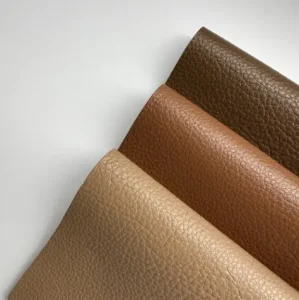
OEM Eco‑Friendly Sustainable Leather-9078
View Specifications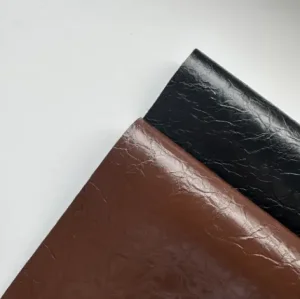
OEM RCS Recycled Eco Synthetic Leather-9200
View Specifications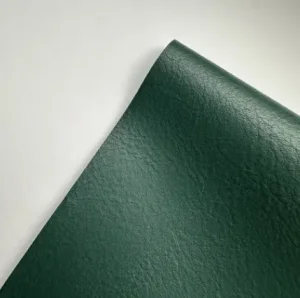
OEM Plant-Derived Bio-Based Leather-9106
View Specifications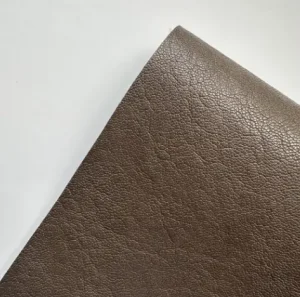
Wholesale Low-Impact Sustainable Leather-9301
View Specifications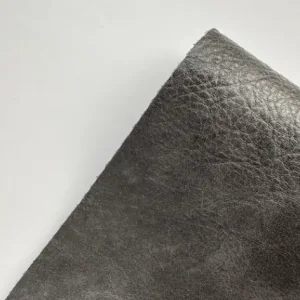
OEM RCS Recycled Eco Synthetic Leather-9271
View Specifications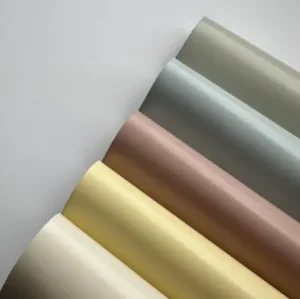
High-Quality RCS Recycled Leather-2056
View Specifications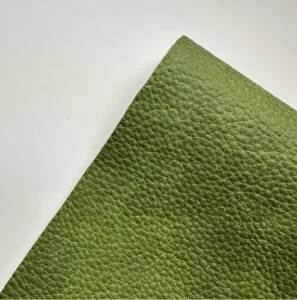
Custom Premium Sustainable Eco Leather-9304
View Specifications