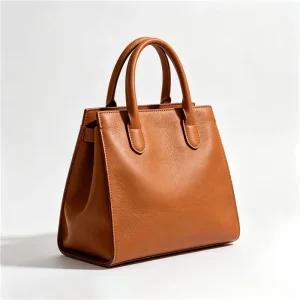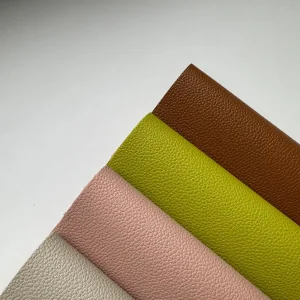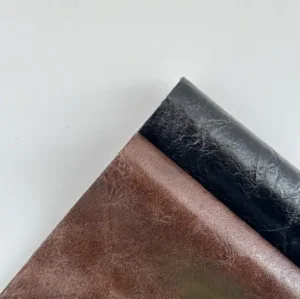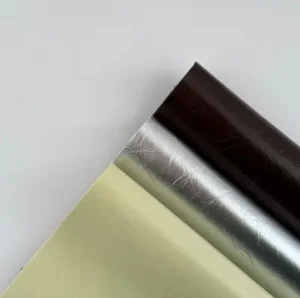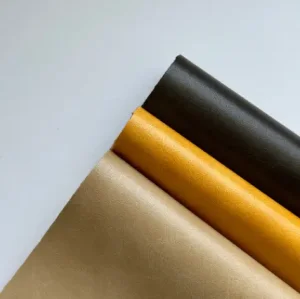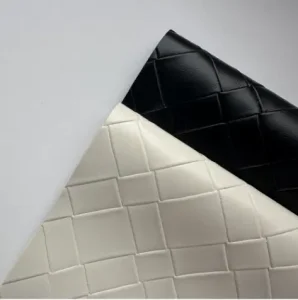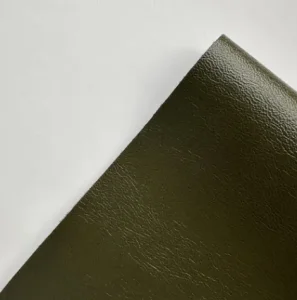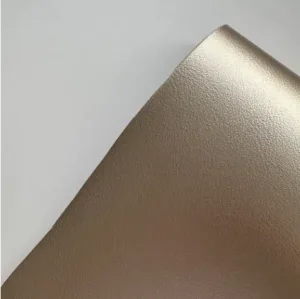
OEM Eco‑Friendly Sustainable Synthetic Leather-9078 Supplier, Suppliers
Product Description
Product Features
Low-Carbon Environment-Focused Manufacturing
Our production cuts down water and energy consumption, adopting non-toxic tanning procedures. Compared with genuine leather, it greatly lessens ecological footprint. It complies with worldwide environmental benchmarks and assists brands in reaching their sustainability milestones.
Robust Long-Lasting Performance
Built with upgraded surface coating technology, it achieves remarkable anti-abrasion capability and high tear resistance, maintaining stable appearance under frequent daily use.
Frequently Asked Questions
Q: How does this manufacturing process reduce carbon emissions?
The process significantly minimizes resource usage by cutting down excessive water and electrical energy consumption, while eliminating resource-intensive chemical cycles typical in conventional tanning.
Q: Are the tanning procedures completely non-toxic?
Yes, the production process utilizes clean, non-toxic tanning methods that avoid hazardous pollutants, making it safer for workers and environmentally compliant with global safety standards.
Q: How does the material achieve superior anti-abrasion and tear resistance?
Durability is achieved through advanced surface coating technology that reinforces fiber bonding, preventing surface peeling and providing resistance against scratches and friction.
Q: How does this material compare to genuine leather in daily use?
It offers comparable texture and tactile comfort while delivering a considerably lower ecological footprint, uniform quality, and higher resilience against daily wear and environmental factors.
Q: Can this material support corporate ESG and sustainability goals?
Yes, by meeting established international environmental benchmarks, integrating this low-carbon material helps brands directly reduce supply chain impacts and achieve sustainability milestones.