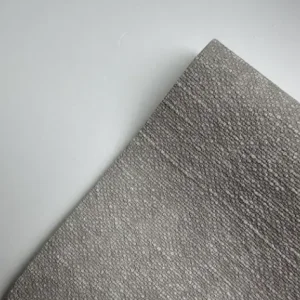
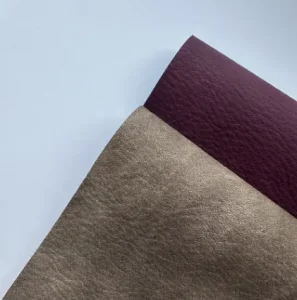
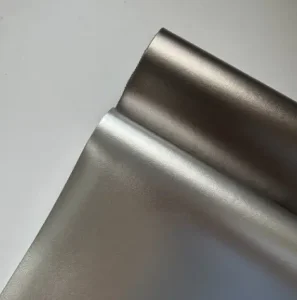
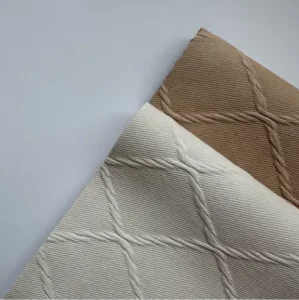
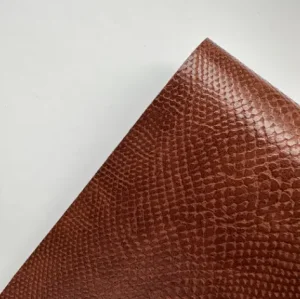
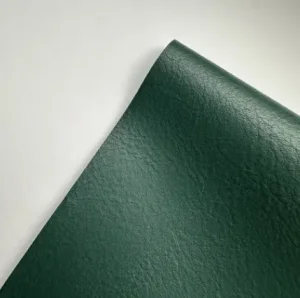
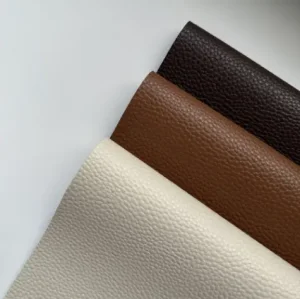
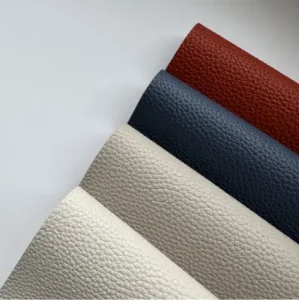
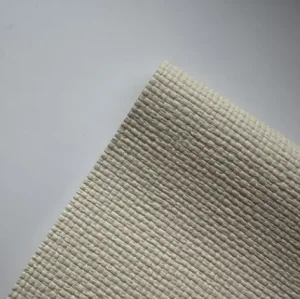
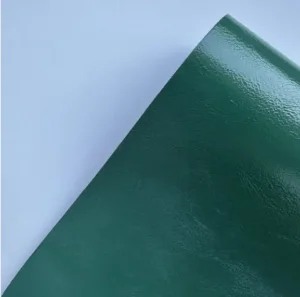
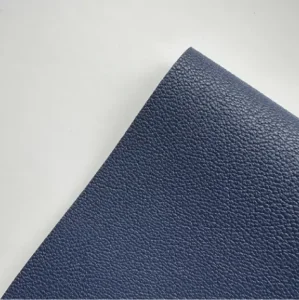
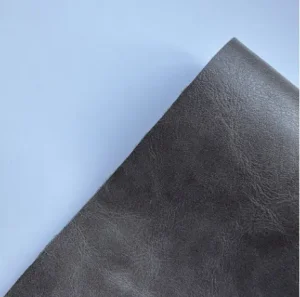
High-Spec Biobased & Recycled PU Catalog
Engineered for high mechanical wear, circular compliance, and bespoke industrial aesthetics. Review our primary production series below.



Deciphering PU Leather: Scientific Meaning & Industrial Definition
Addressing search intent and technical ambiguity: What procurement teams and chemical compliance auditors evaluate when sourcing PU meaning leather.
Polymer Structure
At its core, PU meaning leather designates Polyurethane synthetic leather—a multi-tier composite made by casting thermoplastic polyurethane resin over a high-tensile substrate (such as recycled rPET microfiber, woven cotton, or non-woven fleece). Unlike animal hide or PVC, PU does not rely on carcinogenic plasticizers, offering microporous breathability, natural hand drape, and high flex fatigue resistance.
Substrate Bonding Mechanics
The structural matrix relies on cross-linking aliphatic or aromatic isocyanates with polyols. Modern industrial formulations utilize waterborne polyurethane (WPU) or 100% solvent-free prepolymers, eliminating hazardous DMFa (Dimethylformamide) emissions. This structural synergy secures superior peel strength (>45 N/3cm) and flex resilience (>100,000 cycles at -10°C).
Regulatory Taxonomy
In global trade compliance (HS Code 5903.20), PU leather represents an engineered vegan material providing full animal-free traceability. Global compliance standards—including EU REACH Annex XVII, California Proposition 65, and RoHS—mandate precise thresholds for extractable trace metals and organotin stabilizers, making OEM factory audits critical.
Macro Dynamics, Trade Policies & Decarbonization Mandates
Examining supply chains across North America, the European Union, and the Asia-Pacific regional sourcing ecosystem.
Supply Chain Reconfiguration
Global consumer product conglomerates are pivoting rapidly away from petroleum-locked synthetic leather. Due to Scope 3 carbon auditing, tier-one brands require measurable life cycle assessments (LCA). As a manufacturer operating 135,733 m² with 4.68 MW rooftop photovoltaic solar, JiangXin New Material directly lowers embedded energy per running meter.
Strict Chemical Restrictions
The phase-out of NMP, DMFa, and chlorinated solvents has rewritten raw material standards. Sourcing channels in the US and EU now prioritize factories capable of providing certified Recycled Claim Standard (RCS) chain-of-custody protocols alongside documented zero-VOC processing plants.
Plant-Based Feedstock Shift
The transition toward agricultural waste polyols—derived from non-food-grade field corn, sugarcane, and industrial castor oil—has matured from pilot projects to mega-scale OEM contracts. Bio-content yields ranging from 20% to over 60% (verified via ASTM D6866 C14 radiocarbon measurement) are setting the new industry standard.
Sector-Specific Performance Tuning & Field Utility
Bespoke substrate engineering, physical properties, and testing parameters for footwear, automotive interior, and luxury leather goods.
Athletic Footwear
High-abrasion resistance (Taber abrasion > 4,000 cycles CS-10), cold-flex longevity (-20°C without crazing), and rapid high-frequency welding compatibility for performance athletic uppers.
Luxury Handbags
Engineered toothpick, pebble, and smooth Nappa surface finishes with low odor, soft temper, structural tear resistance (>30 N), and stain-repellent anti-fouling polyurethane topcoats.
Automotive Cabins
UV-aging resistance under extreme exposure (QUV 1,000 hours ΔE<1.5), FMVSS 302 flame retardancy, and low-fogging ratings protecting dashboard and seating components.
Garments & Upholstery
Micro-draped hand feel, air-permeable open-cell PU foam base, low emissions conforming to OEKO-TEX Standard 100 Class I, and certified antimicrobial surface properties.
The Evolution of Sustainable PU Polymer Architecture
Milestones charting solvent reduction, biobased scaling, circular closed-loop recycling, and automated quality controls.
Waterborne PU & Solvent-Free
Complete phase-out of DMFa and toluene. Transitioning production lines to 100% solid solvent-free casting prepolymers and water-dispersed polyurethane coatings.
RCS & GRS Substrate Circularity
Full integration of post-consumer recycled (PCR) polyester fleece and recycled textile backings, verified by strict chain-of-custody Transaction Certificates (TC).
Plant Polyols > 50% ASTM D6866
Synthesis of high-purity biomass polyols originating from non-food agricultural waste, replacing petroleum-based raw inputs while matching high tear-tensile strength.
Chemical Depolymerization
Developing thermal-enzymatic separation technologies to recover both polymer skins and textile backings at the end of product life cycles.
Industrial Solutions for Global Brands & Procurement
How JiangXin New Material resolves environmental compliance, physical durability, and multi-country logistics.
Global Compliance Gateway
Every batch shipped from our Yingde production hub is supported by comprehensive documentation: SVHC screening under EU REACH, heavy metal free certifications (RoHS), Phthalate-free compliance (6P/16P), and amfori BSCI social audit certifications for effortless cross-border clearance.
Custom Mechanical Engineering
We tailor hardness (Shore 60A to 95A), backing substrate elongation, cold crack resilience, fire behavior, and tactile feel. Custom grain release papers provide matte, high-gloss, patent, toothpick, or genuine lambskin textures matched against master physical swatches.
Vertical Factory Direct Logistics
With 16 million meters annual capacity and clean-energy operations, JiangXin delivers stable batch coloration, roll-to-roll consistency (ΔE<0.5), containerized export logistics, and technical support directly to global ports in 50+ countries.
Frequently Asked Questions: PU Meaning Leather & OEM Sourcing
Direct technical answers addressing chemical parameters, quality metrics, and order specifications.
High-Performance Vegan & Upcycled PU Leather Series
Explore customized textures, recycled composite backings, and low-odor formulations for technical brand programs.