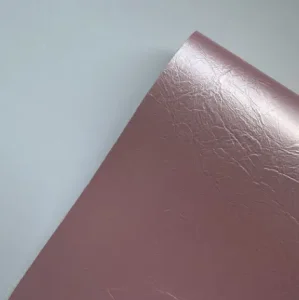
Primary OEM Eco-Friendly Leather Solutions
Engineered for precision tier-one supply chains: GRS/RCS traceable post-consumer matrix, solvent-free cast urethane, and biogenic plant-derived polyols with complete chain of custody.
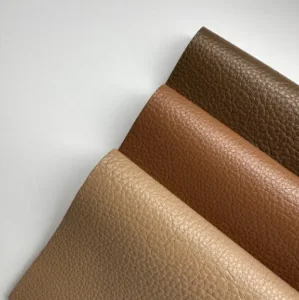
Custom RCS Recycled Synthetic Leather-9078 Manufacturer, Suppliers
Source Reference 9078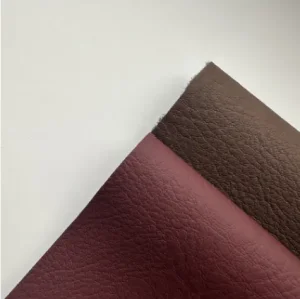
OEM RCS-Certified Traceable Recycled Synthetic Leather-9133 Manufacturer, Factory
Source Reference 9133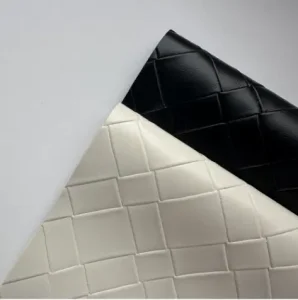
Custom Green Sustainable Man-Made Leather-9338 Manufacturers, Suppliers
Source Reference 9338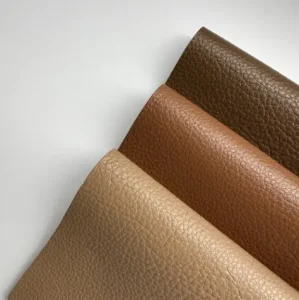
OEM Eco‑Friendly Sustainable Synthetic Leather-9078 Supplier, Suppliers
Source Reference 9078-B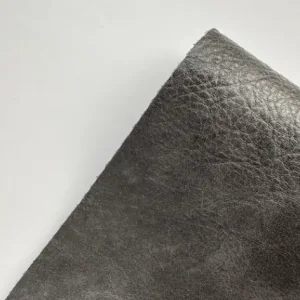
OEM RCS Qualified Recycled Eco-Friendly Synthetic Leather-9271 Supplier, Factory
Source Reference 9271
High-Quality Eco-Friendly Sustainable Synthetic Leather-9081 Manufacturer, Factory
Source Reference 9081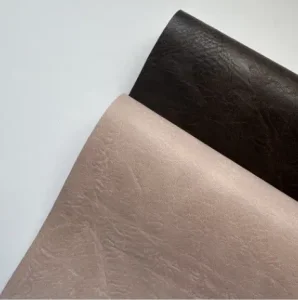
Custom RCS Recycled Base Vegan Synthetic Leather-0163 Manufacturer, Supplier
Source Reference 0163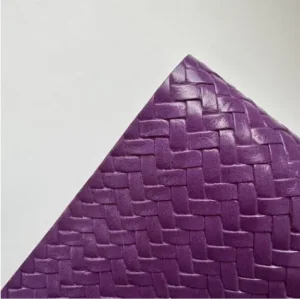
Custom Green Sustainable High-End Synthetic Leather-9344 Supplier, Factories
Source Reference 9344Global Commercial Reality & Raw Material Dynamics
The international faux leather manufacturing ecosystem is undergoing an irreversible structural transition. Stricter corporate Scope 3 emission reporting and legal cross-border requirements (EU CBAM and Digital Product Passport mandates) have rendered legacy solvent-based DMF/DMAC polyurethane installations non-viable for forward-looking tier-1 OEMs.
Petrochemical Disruption
Traditional petro-based PU relies fundamentally on fossil ethylene feedstocks and volatile plasticizers. Rising petroleum volatility coupled with carbon taxation is accelerating demand for renewable biomass-derived polyols extracted from non-food agricultural waste, starch polymers, and castor seeds.
Regulatory Compliance Pressures
With the intensification of REACH SVHC updates, RoHS 3, California Proposition 65, and OEM Restricted Substance Lists (RSL), global procurement departments can no longer accept non-traceable third-party suppliers lacking chemical pedigree verification.
Chain-of-Custody Certification
Green claims must be ironclad. Modern market entry requires Transaction Certificates (TCs) audited via Textile Exchange protocols (RCS & GRS) and USDA BioPreferred mass-balance isotopic verification under ASTM D6866 bio-carbon measuring standards.
Crucial Industry Trends Shaping Faux Leather
Market research and polymer synthesis laboratories indicate four core architectural transformations across the synthetic leather supply chain over the current decade.
1. Circular Feedstocks
Migration from virgin polyester backing textiles to 100% post-consumer mechanical and chemical recycled polyethylene terephthalate (rPET) yarns, accompanied by ocean-bound plastic interlinings.
2. 100% Waterborne PU
Complete elimination of N,N-Dimethylformamide (DMFa), toluene, and methyl ethyl ketone (MEK). Water-dispersed polyurethane resins prevent worker exposure and volatile emissions in finished goods.
3. High Bio-Fraction
Transition from modest 10-15% bio-fillers to 40% to 75% structural biogenic carbon ratings verified under radiocarbon dating without sacrificing hydrolysis resistance.
4. Closed-Loop Chemistry
Thermally integrated recovery systems recycling over 98% of process condensate and cooling air, coupled with self-sustaining high-capacity clean photovoltaic solar grids on manufacturing campuses.
Localized Industrial Application Scenarios
Different product categories subject synthetic leather to distinct mechanical, thermal, and biological stressors. JiangXin New Material tailors backing substrates, cross-linking agents, and grain mechanics to each scenario.
| Application Scenario | Target Substrate Matrix | Physical & Chemical Thresholds | Target Certifications | Market Entry Readiness |
|---|---|---|---|---|
| Athletic & Luxury Footwear Uppers, tongue bindings, counters |
Recycled microfiber, non-woven ultra-fine rPET | Bally Flex >100,000 cycles (Dry) / 50,000 (at -10°C); Martindale Abrasion >50,000 revs | GRS / RCS, OEKO-TEX Standard 100 Class II | Global Approved |
| Bags, Luggage & Small Leather Goods Backpacks, totes, luxury wallets |
High-density woven recycled twill, brushed tricot | Tear strength >35 N; Peel strength >2.5 kg/3cm; Color fastness to rubbing >Grade 4 | USDA BioPreferred, REACH SVHC <0.1% w/w | Export Cleared |
| Apparel & Outerwear Fashion Trench jackets, pants, trims |
Ultra-soft stretch circular knit recycled fabric | Drape stiffness low; Dry cleaning proof; Hydrolysis resistance 5-year Jungle Test pass | 6P Phthalate Free, RoHS 3 Compliant | EU / NA Ready |
| Commercial & Automotive Upholstery Seating surfaces, panel wrapping |
Heavy-duty flame-retardant recycled base fabric | Wyzenbeek >100,000 double rubs; FMVSS 302 Flame Retardancy; UV Resistance Xenon 650h | ISO 9001 / ISO 14001, Higg Index FEM Validated | Custom OEM Build |
Technical Roadmap: From Synthesis to Scaled Roll Delivery
JiangXin's Yingde facility utilizes an end-to-end, vertically integrated manufacturing process that eliminates intermediary handling defects and guarantees batch-to-batch colorimetric delta-E precision.
Substrate Conditioning
Mechanically opening recycled filaments, tension-calibrating high-strength rPET matrix webs, and pre-treating with flame-free plasma discharge for superior polyurethane mechanical anchoring.
Polymer Formulation
Precise reactive stoichiometry: combining plant-derived aliphatic polyols with aqueous isocyanate cross-linkers in clean, temperature-controlled reactors to achieve tailored elongation and modulus.
Continuous Cast Coating
Multi-stage dry-process coating via automated German release-paper lines. Multi-zone heat recovery ovens drive off water carrier vapor, leaving an intact cellular skin layer without pinholes.
Surface Customization
Mechanical micro-embossing (including fine toothpick, hair-cell, tumbled, or geometric textures) followed by dual-axis optical spectrophotometer inspection for color consistency.
Macro Industry Solutions for Global Tier-1 Brands
Tier-1 OEM buyers require more than raw rolls: they need risk insulation against carbon tariffs, supply interruptions, and consumer greenwashing lawsuits. Our infrastructure delivers an auditable turnkey framework.
Scope 3 Emissions Decoupling
By utilizing our 4.68 MW rooftop photovoltaic arrays, closed-loop thermal condensation, and high-percentage plant-origin polyols, partnering labels capture up to a 62% reduction in equivalent cradle-to-gate carbon intensity per linear square meter.
Defensible Hangtag Credibility
Every shipment leaves our gates backed by batch-linked Transaction Certificates (TCs), OEKO-TEX Standard 100 Annex 6 certification, amfori BSCI social audit reports, and certified radiocarbon test datasets directly verifying biogenic content.
High-Yield Cutting Efficiencies
Natural hides exhibit asymmetrical grain variance, insect scars, neck creasing, and up to 35% cutting scrap. Our industrial rolls provide standard 1.37m (54-inch) usable widths with continuous roll-to-roll uniformity, lifting auto-cutting table yields beyond 92%.
Frequently Asked Questions for Brand Sourcing Teams
Engineered clarity for materials developers, RSL compliance heads, and supply chain directors navigating the eco-synthetic leather transition.
What chemical systems differentiate your eco-friendly synthetic leather from conventional PU/PVC?
How is biogenic plant content verified to prevent corporate greenwashing?
Can your plant issue brand-specific Transaction Certificates (TC) under the Recycled Claim Standard (RCS)?
What are JiangXin’s factory minimum order quantities (MOQs) and sampling lead times?
How does your bio-based PU perform under accelerated aging and hydrolysis testing?
Can backing substrates be modified to suit customized stretch and structural tech packs?
Specialty Bio-Derived & Plant-Based Matrix Articles
Expand your brand's sustainable portfolio with our advanced bio-sourced grains, non-toxic vegan composites, and certified traceable performance leathers.
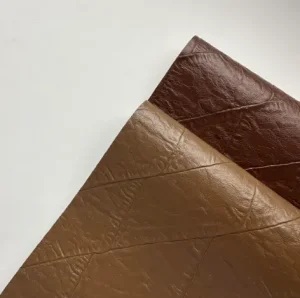
OEM Non-Toxic Vegan Eco Synthetic Leather-9266 Manufacturers, Manufacturer
Source Reference 9266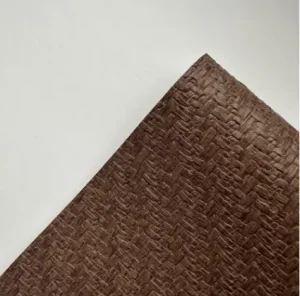
High-Quality Plant‑Origin Renewable Bio‑Based Synthetic Leather-9339 Manufacturers, Suppliers
Source Reference 9339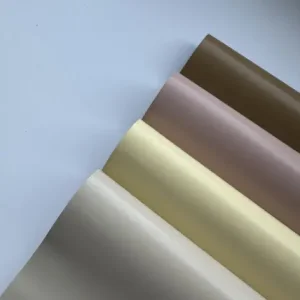
Custom Bio-Based Renewable Synthetic Leather-2056 Manufacturers, Manufacturer
Source Reference 2056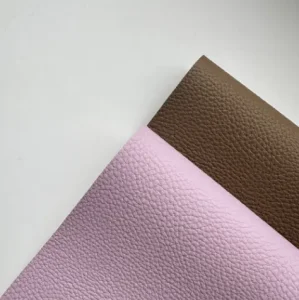
High-Quality Bio-Sourced Renewable Plant-Based Synthetic Leather-9109 Manufacturer, Factories
Source Reference 9109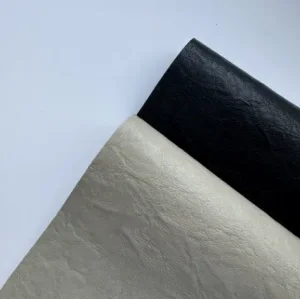
Custom RCS Recycled Substrate Synthetic Leather-9193 Supplier, Suppliers
Source Reference 9193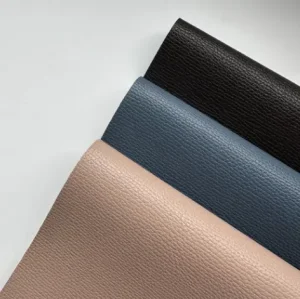
Wholesale Green Sustainable High-End Synthetic Leather-9264 Manufacturers, Manufacturer
Source Reference 9264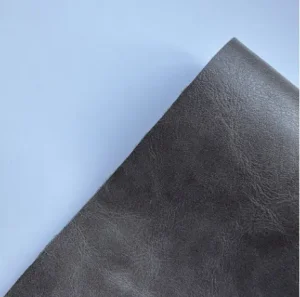
OEM RCS Verified Recycled Content Synthetic Leather-0084 Manufacturer, Factory
Source Reference 0084