
Biobased & Recycled OEM Material Selection (Part I)
Engineered to align with strict closed-loop sustainability benchmarks, including ASTM D6866 bio-carbon validation and the Global Recycled Claim Standard (RCS).
-

RCS Certified Recycled Sustainable Synthetic Leather - 0138
Explore Specifications -
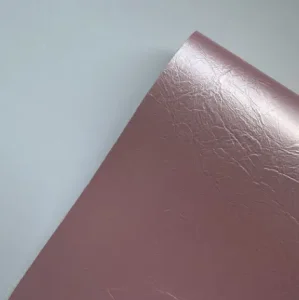
Custom Plant-Derived Bio-Based Synthetic Leather - 0195
Explore Specifications -
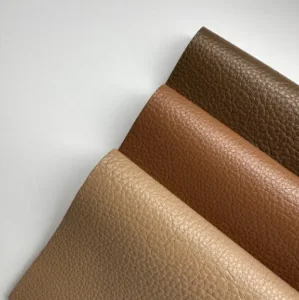
Custom RCS Recycled Synthetic Leather - 9078
Explore Specifications -
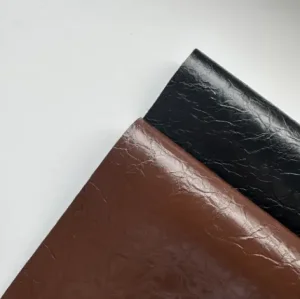
OEM RCS Certified Recycled Eco Synthetic Leather - 9200
Explore Specifications -
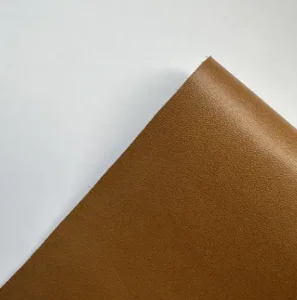
Custom Plant-Sourced Bio-Based Synthetic Leather - 9164
Explore Specifications -
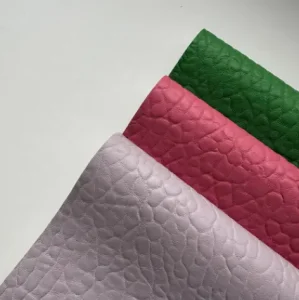
Wholesale Bio-Based Renewable Synthetic Leather - 9293
Explore Specifications -
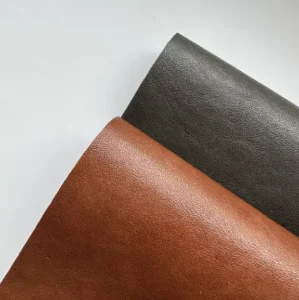
Wholesale Eco-Friendly Sustainable Synthetic Leather - 9309
Explore Specifications -

Wholesale Bio-Based Renewable Synthetic Leather Core
Explore Specifications
Circular Economy Leather: Structural Industry Solutions
Moving beyond conventional petrochemical linear models ("take-make-waste") through molecular engineering, regenerative feedstock, and closed-loop manufacturing frameworks.
Regenerative Feedstocks
By substituting petroleum-derived polyols with industrial corn, castor oil, and agricultural biomass residues, we eliminate virgin petrochemical consumption up to 60%, drastically mitigating upfront cradle-to-gate carbon intensity.
Chemical Closed-Loop Recycling
Our solvent-free and water-based PU systems are engineered for secondary mechanical and thermal repolymerization. Scrap trimmings and post-industrial leather wastes are re-granulated into reinforcing non-woven backing substrates.
Non-Toxic Molecular Design
Eliminating organotins, DMFa (dimethylformamide), phthalate plasticizers (6P Free), and halogenated flame retardants ensures circular end-of-life products do not contaminate soil or aquatic microbiomes during reprocessing.
China Factory 4.0: Modern Supply Chain Resilience & Agility
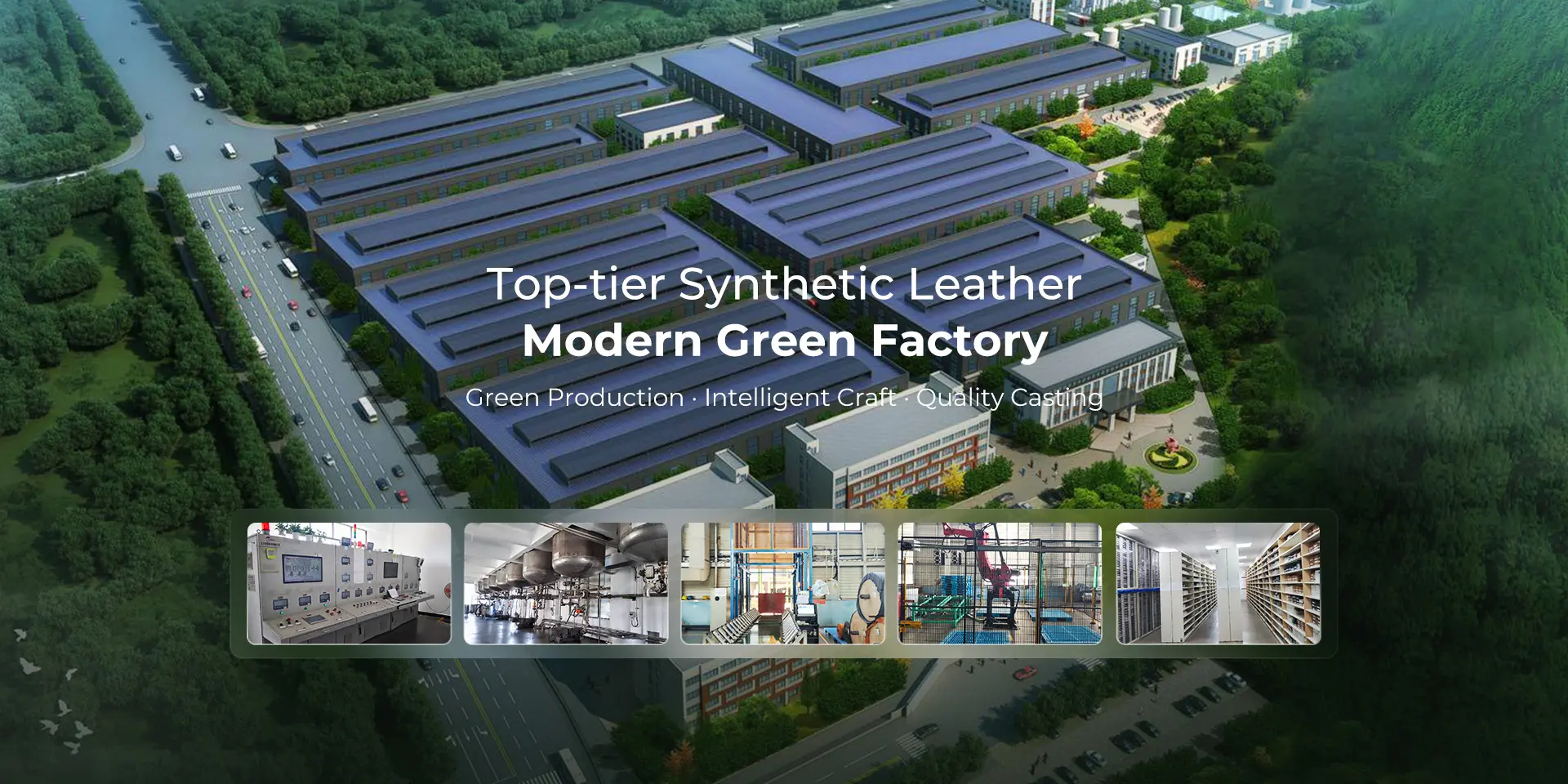
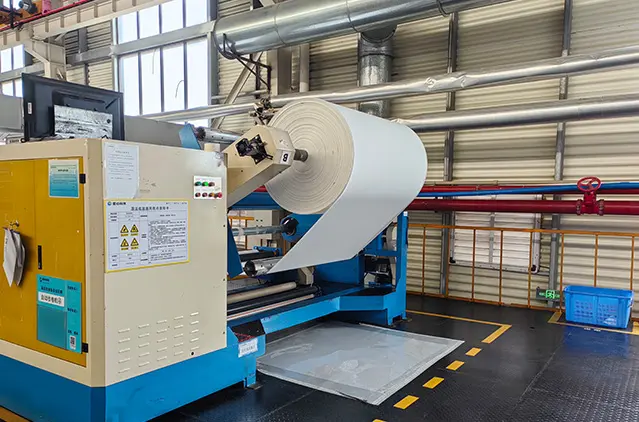
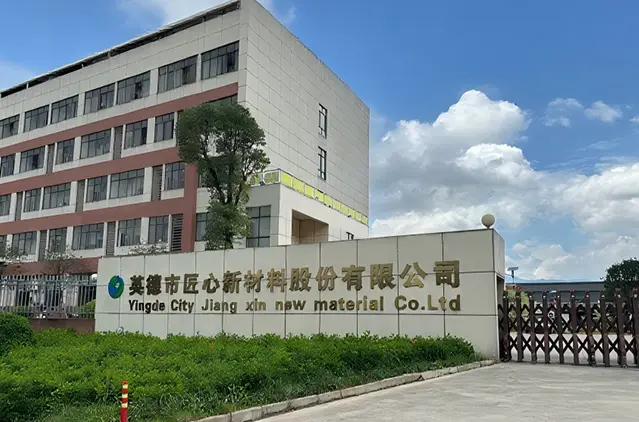
Combining automated compounding, digitalized quality screening, and clean-energy infrastructure in Yingde, Guangdong to secure enterprise manufacturing timelines.
Automated In-Line Coating Control
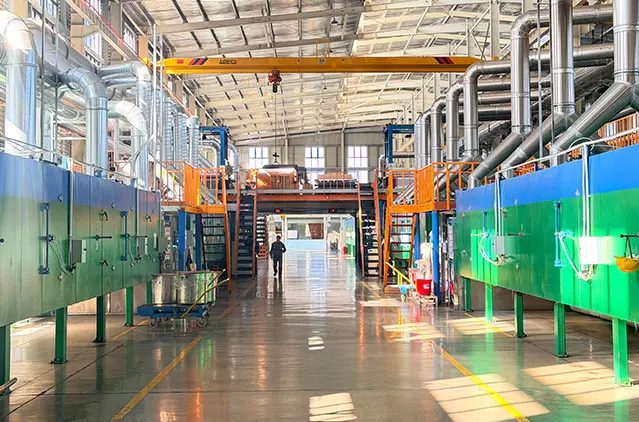
Equipped with computerized dry and wet PU extrusion lines. Advanced optical scanners track micrometer thickness consistency and surface defect density in real-time across 100% of manufactured yardage, eliminating roll-to-roll batch variation.
Direct Rooftop Photovoltaic Power
Our campus operates with a self-sufficient 4.68 MW rooftop photovoltaic matrix. Direct clean solar energy offsets grid electricity by 38%, shielding global OEM procurement managers from carbon boundary taxes and volatile utility pricing.
Full Vertical Supply Integration
From initial synthesis of aqueous polyurethane prepolymers to customized backing weaving (RPET, organic cotton, microfibers) and precision embossing, end-to-end integration drops raw lead times from 35 days down to 12 days.
Addressing Global OEM Requisition & Technical Requirements
Enterprise procurement requires verifiable evidence, tight mechanical specifications, and consistent lot performance across large-scale manufacturing runs.
Tier-1 Footwear & Sneaker Brands
Demands superior flex fatigue resistance (>100,000 cycles at -10°C Bally Flex), high peel strength (>3.5 kg/3cm), and hydrophobic repelling. Engineered with resilient solvent-free microporous layers for breathability without compromising water-head resistance.
Luxury Handbags & Luggage OEM
Requires refined edge-painting adhesion, supple temper, zero creasing fatigue, and authentic grain depths. Our customized toothpick, box-calf, and pebbled embossing replicate luxury touch while delivering Taber Abrasion ratings >2,000 cycles (CS-10 wheel).
Automotive Interiors & Upholstery
Mandates strict volatile organic compound (VOC) limits, low odor test scores (<Grade 2.5), high UV yellowing stability (Grade 4.5 Xenon Arc), and flame retardancy matching FMVSS 302 and BS 5852 Crib 5 standards.
Global Enterprise Assurance & Localized Technical Support
Eliminate international regulatory barriers with documented, lab-certified compliance dossiers and dedicated cross-border field engineering services.
International RSL Dossiers
Every synthetic leather lot is traceable back to its polymerization batch. We provide comprehensive third-party lab documentation satisfying EU REACH SVHC lists, US California Proposition 65, RoHS 2.0, and CPSIA chemical restrictions.
Chain-of-Custody Certification
We facilitate official Transaction Certificates (TCs) under the Recycled Claim Standard (RCS) and USDA BioPreferred authentications, shielding enterprise brands from greenwashing liability and customs regulatory audits.
On-Site Technical Prototyping
Our bilingual materials engineering desk supports clients from sample swatch development through factory-floor die cutting, heat welding, bonding, and needle-puncture testing at overseas contract assembly plants.
Material Technology Roadmap: 2026–2030 Outlook
JiangXin is expanding next-generation sustainable synthetic leather capabilities to ensure our brand partners remain ahead of global decarbonization targets.
80% Bio-Polyol Formulations
Upgrading solvent-free bio-based lines to exceed 80% bio-carbon content, certified by carbon-14 isotopic analysis while preserving high tear resistance.
Mono-Material Circular Systems
Developing 100% thermoplastic polyurethane (TPU) skin-and-backing mono-material leather architectures engineered for direct melt-recyclability.
Direct Enzymatic Degradation
Integrating compostable aliphatic polyester segments capable of controlled industrial composting breakdown without microplastic generation.
Digital Product Passports (DPP)
Embedding cryptographic yarn tracing and cloud-based QR markers directly into roll selvages for seamless EU Digital Product Passport auditing.
Enterprise Q&A: Circular Economy Leather Sourcing
Direct technical answers addressing physical performance, compliance verifications, and custom OEM manufacturing parameters.
How does Circular Economy Leather differentiate from conventional synthetic PU leather?
How is bio-based renewable content verified for commercial claims?
Can you provide full chain-of-custody documentation for RCS / GRS orders?
What chemical compliance tests and RSL standards can your materials pass?
What is JiangXin's OEM production capacity and turnaround lead time?
Which physical and functional properties can be customized for enterprise tech packs?
Biobased & Recycled OEM Material Selection (Part II)
Explore high-performance sustainable synthetic leather articles engineered for global automotive, fashion, and accessory brand specifications.
-
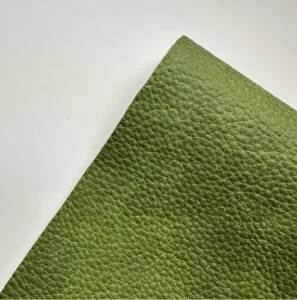
Custom Premium Sustainable Eco Synthetic Leather - 9304
Explore Specifications -
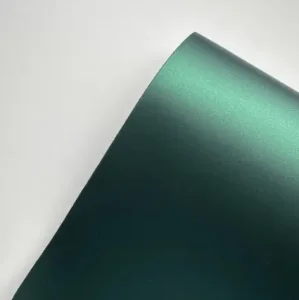
OEM High Bio-Content Plant-Based Synthetic Leather - 1001
Explore Specifications -
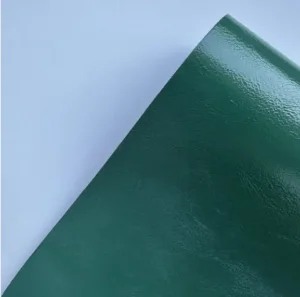
High-Quality Low‑Impact Sustainable Leather - 9333
Explore Specifications -
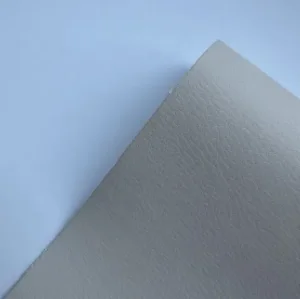
Wholesale RCS Verified Recycled Synthetic Leather - 2058
Explore Specifications -
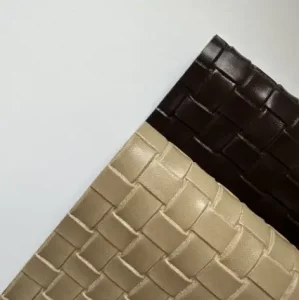
OEM RCS Certified Recycled Sustainable Leather - 9363
Explore Specifications -
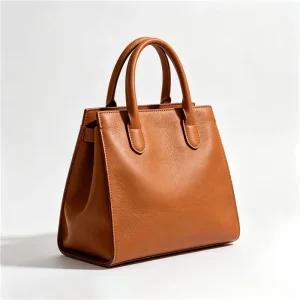
OEM Eco-Friendly Sustainable Synthetic Leather Classic
Explore Specifications -
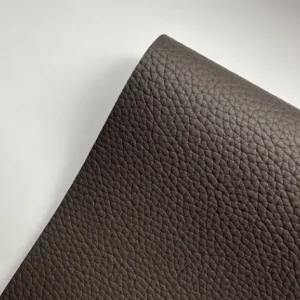
OEM Low-Impact Sustainable Synthetic Leather - 9299
Explore Specifications -
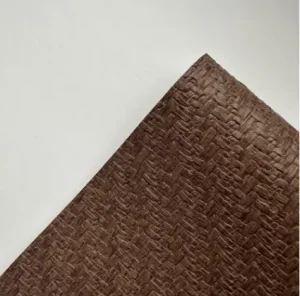
Plant‑Origin Renewable Bio‑Based Synthetic Leather - 9339
Explore Specifications