
Featured Polymer Formulations & Bio-Synthetics
Engineered for premium performance footwear, luxury handbags, automotive interiors, and performance apparel.
-
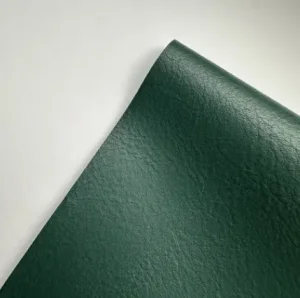
OEM Plant-Derived Bio-Based Synthetic Leather-9106 Manufacturer, Factory
-
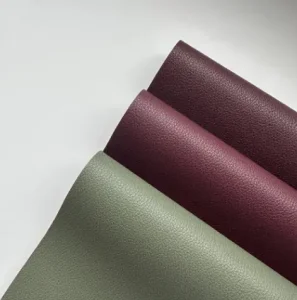
OEM Eco Plant-Based Renewable Synthetic Leather-9077 Manufacturers, Manufacturer
-
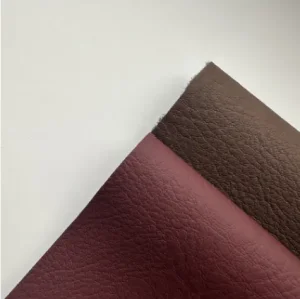
OEM RCS-Certified Traceable Recycled Synthetic Leather-9133 Manufacturer, Factory
-
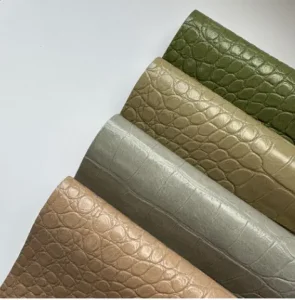
Wholesale Waste-Upcycled Recycled Synthetic Leather-9355 Manufacturers, Factories
-
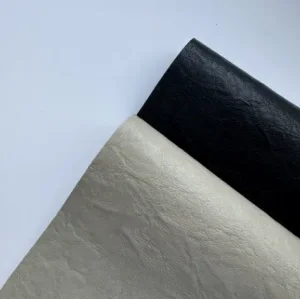
Custom RCS Recycled Substrate Synthetic Leather-9193 Supplier, Suppliers
-
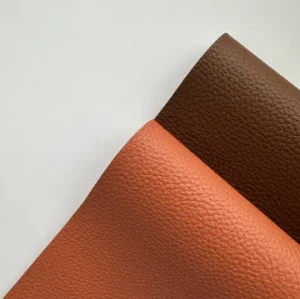
Custom Bio-Based Renewable Synthetic Leather-9109 Supplier, Factory
-
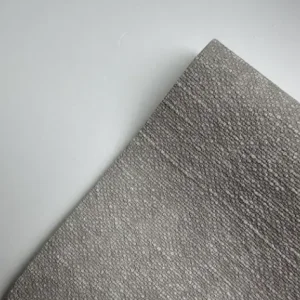
High-Quality Plant‑Derived Bio‑Based Synthetic Leather-9020 Manufacturer, Supplier
-
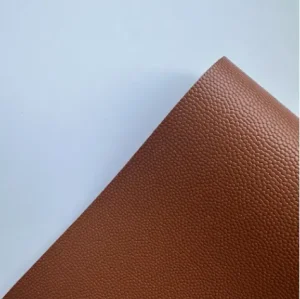
Wholesale Sustainable Eco-Conscious Synthetic Leather-9142 Manufacturer, Supplier
Executive Summary: The Structural Paradigm Shift in Polyurethane & Synthetic Leather
Transitioning from volatile petroleum reliance to closed-loop, bio-based circular polymer infrastructures.
The global materials market for authentic leather, polyurethane (PU), and advanced synthetics is experiencing its most radical structural evolution in half a century. Confronted with stringent environmental regulations such as the EU Corporate Sustainability Due Diligence Directive (CSDDD), heightened consumer scrutiny regarding carbon footprints, and volatile raw petrochemical pricing, tier-one brands can no longer rely on conventional solvent-borne artificial leathers. The historic compromise between tensile strength and sustainability has been bridged by breakthroughs in bio-based polyester polyols, solvent-free dry transfer lamination, and verified post-consumer recycled substrates.
At JiangXin New Material (JX.ECO), located in Yingde, Guangdong, our mission as an authoritative leather and PU manufacturer is anchored in industrial-scale innovation. Operating from a fully audited 135,733-square-meter campus with a rooftop photovoltaic grid exceeding 4.68 MW, we redefine what international brands expect from a Chinese production partner: verifiable carbon abatements, rigorous compliance records, and unmatched batch-to-batch structural integrity.
China Factory Advantage: Scaled Vertical Integration & Clean Chemistry
Why Tier-1 global procurement leaders choose Chinese advanced manufacturing clusters over fragmented suppliers.
Fully Integrated Supply Chain Cluster
Unlike manufacturing facilities in fragmented regions, Guangdong's polymer cluster allows immediate access to ultra-pure renewable feedstocks, specialty polyurethane emulsions, custom non-woven microfiber backings, and precision embossing texturing rolls within a 50-kilometer radius. This geographic synchronization compresses sample iterations from weeks to 48 hours.
Solar-Powered Clean Manufacturing
The JiangXin production base integrates a 4.68 MW rooftop photovoltaic solar plant that generates substantial operational energy directly on-site. Coupled with closed-loop VOC thermal oxidation recovery systems and proprietary secondary wastewater treatment systems, we achieve a documented 38% reduction in product-level carbon footprints.
Institutional Traceability & Certification
Certified by the Recycled Claim Standard (RCS), USDA BioPreferred (ASTM D6866), OEKO-TEX Standard 100, and Higg Index Facility Environmental Modules (FEM), our factory provides comprehensive digital chain-of-custody documentation, mitigating brand reputational exposure to the zero-tolerance greenwashing mandates of western markets.
Material Engineering Benchmark: Conventional vs. Biobased & RCS
Quantitative analysis of physical properties, environmental metrics, and regulatory conformance across synthetic generations.
| Evaluation Parameter | Conventional DMF-based PU | Water-Borne Eco-PU | Biobased Synthetic (ASTM D6866) | RCS-Certified Recycled PU |
|---|---|---|---|---|
| Base Resin Origin | 100% Fossil / Petroleum Derived | Petroleum / Aqueous Polymer | 30% - 75% Agricultural Waste / Castor Oil | PCR/PIR Recycled Polymer & PET Backing |
| Volatile Organic Compounds (VOC) | High (>150 ppm DMF residual) | Ultra Low (<10 ppm) | Near Zero (<5 ppm Solvent-Free) | Near Zero (Complies with EU limits) |
| Hydrolysis Resistance (Jungle Test) | 2 to 3 Years (Standard) | 5 to 7 Years (Enhanced) | 7 to 10+ Years (Automotive Grade) | 5 to 8 Years (High-Tenacity) |
| Martindale Abrasion Cycle | 20,000 - 30,000 Cycles | 50,000 - 80,000 Cycles | 100,000+ Cycles (BS EN ISO 12947-2) | 80,000+ Cycles |
| Carbon Footprint Abatement | Baseline Reference (0%) | -20% to -28% Reduction | -40% to -65% Reduction | -45% to -55% Reduction |
| Key Certification Protocols | None / Basic REACH | OEKO-TEX Class I, REACH | USDA Biobased, ASTM D6866, ISO 16620 | Textile Exchange RCS, GRS v4.0 |
Cross-Sector Engineering Applications
Purpose-built performance synthetic formulations addressing the critical demands of specialized global markets.
Performance Footwear
Tuned flex-fatigue resistance reaching over 150,000 cycles at -15°C (Bally Flex). Optimized for rapid die-cutting without delamination, water-tight seam-sealing, and athletic breathability without fluorochemical PFCs.
Luxury Handbags & Leathergoods
Features realistic haptic feedback, butter-soft temper, and dimensional grain memory. Micro-embossed surfaces replicate natural fine calfskin or saffiano while retaining 100% vegan provenance and edge-paint adhesion.
Automotive Tier-1 Interiors
Conforms to rigorous OEM emission specifications with negligible fogging values (DIN 75201) and low odor ratings (VDA 270). High UV and solar aging resistance (ISO 105 B06) prevents chalking, cracking, or surface tackiness.
Contract & Medical Furniture
Formulated with non-migrating antimicrobial chemistry resistant to MRSA, enveloped viruses, and harsh hospital quaternary disinfectants. Tested to meet CAL 133 and BS 5852 Crib 5 flame retardancy standards.
Meeting Global Enterprise Procurement Mandates
A de-risked methodology crafted for corporate sustainability officers, global material developers, and sourcing directors.
RSL Clearance & Chemical Governance
Global apparel and leathergoods enterprises require materials that comfortably clear demanding Restricted Substance Lists (RSL). We maintain absolute conformance with REACH (EC 1907/2006) 240+ SVHCs, RoHS 2.0, California Proposition 65, and 6P Phthalate-Free regulations via automated liquid dosing systems.
Defensible Chain of Custody (TC)
Making claims regarding recycled content demands audit-ready data. For every RCS shipment, our manufacturing process generates official Transaction Certificates (TCs) audited by independent bodies, verifying that every square meter corresponds to verified post-consumer recycled PET bottles or post-industrial waste.
Lead Time Agility & Lot Stability
Leveraging high-speed dry-process lines, computerized viscosity monitoring, and dual-zone tension rollers, our facility maintains a color delta tolerance of ΔE < 0.6 and thickness variance within ±0.03 mm across production campaigns of 100,000+ meters, mitigating multi-factory yield drop.
Technical & Commercial FAQ for Sourcing Directors
Direct answers from our senior chemical engineers and export supply chain compliance officers.
What precisely differentiates "bio-based synthetic leather" from standard PU leather? ▼
How does your factory ensure chain-of-custody integrity for RCS-certified materials? ▼
Can solvent-free PU maintain physical longevity without DMF or plasticizers? ▼
What are the standard Minimum Order Quantities (MOQ) and production lead times? ▼
What compliance document package accompanies export orders? ▼
- Comprehensive Certificate of Analysis (COA) containing tensile, tear, and hydrolysis records.
- Official Transaction Certificates (TC) for RCS-certified recycled orders.
- ASTM D6866 bio-carbon distribution test reports for USDA Biobased articles.
- Full REACH, RoHS, 6P-free, and OEKO-TEX compliance declarations tailored to your brand's regional market entry requirements.
Engineered Eco-PU & Upcycled Composite Catalog
Explore customized textures, certified recycled substrates, and low-carbon synthetic materials.
-
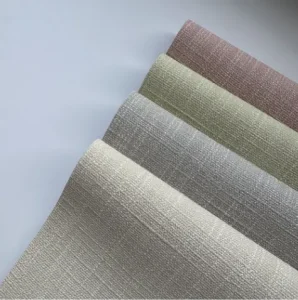
OEM RCS Verified Recycled Sustainable Synthetic Leather-9384 Manufacturer, Supplier
-

High-Quality RCS Certified Recycled Sustainable Synthetic Leather-0138 Manufacturers, Factories
-
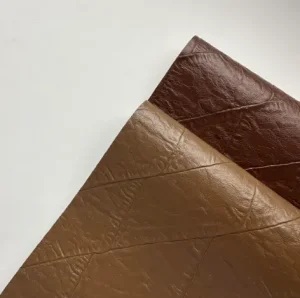
OEM Non-Toxic Vegan Eco Synthetic Leather-9266 Manufacturers, Manufacturer
-
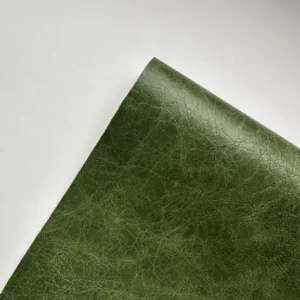
OEM Plant-Based Renewable Bio Synthetic Leather-9023 Suppliers, Factories
-

Wholesale Bio-Based Renewable Synthetic Leather Supplier, Factory
-
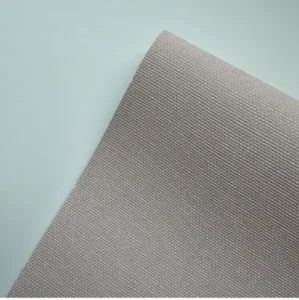
Custom Low Carbon Impact Eco Synthetic Leather-9362 Suppliers, Factory
-
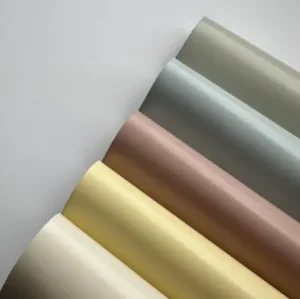
High-Quality RCS Qualified Recycled Green Synthetic Leather-2056 Manufacturers, Supplier
-

Wholesale RCS Verified Recycled Sustainable Synthetic Leather-2058 Factory, Factories