
High-Performance Synthetic PU Leather Series (Selection A)
Explore our certified bio-based, recycled RCS-verified, and low-carbon PU leather formulations produced with precision-controlled micromechanical grain structures.
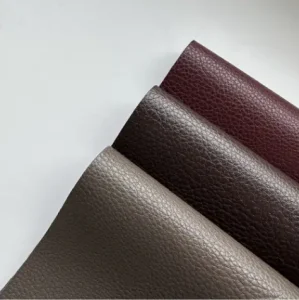

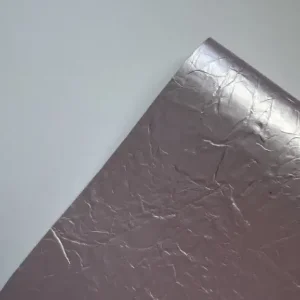
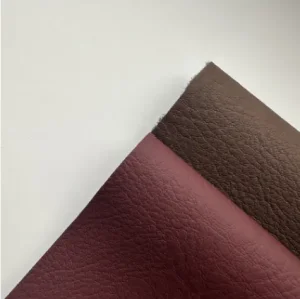
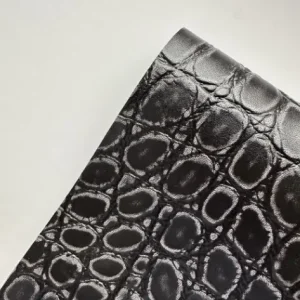
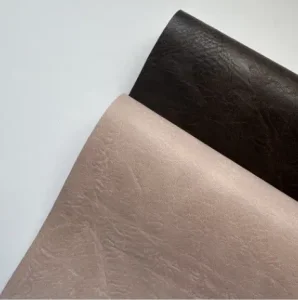
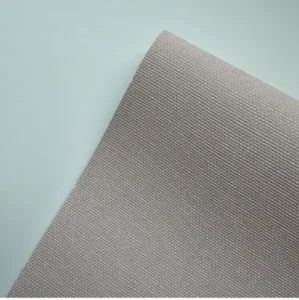
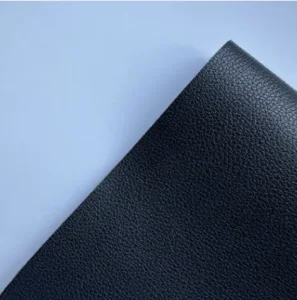
Overcoming Circular Economy Challenges in Synthetic PU Leather
Transitioning from hazardous petrochemical-dependent artificial leathers to bio-circular, carbon-traceable, high-tenacity PU solutions engineered for intense industrial demands.
Elimination of VOCs & Hazardous Solvents
Traditional synthetic leather relies heavily on Dimethylformamide (DMFa), toluene, and toxic plasticizers. Our solvent-free and water-based polycondensation technology removes these hazards completely, yielding odorless materials safe for skin-contact upholstery, high-altitude automotive cabins, and sensitive consumer goods.
Bio-Based Feedstock Diversification
We systematically integrate bio-polyols synthesized from non-food agricultural waste, castor beans, and industrial corn starch into the polyurethane core, displacing up to 75% of fossil-based carbon. Verified under ASTM D6866 standard radiocarbon metrics to substantiate verifiable corporate scope 3 emissions reductions.
Full Post-Consumer Circularity (RCS/GRS)
Closing the material lifecycle through traceable Recycled Claim Standard (RCS) backings crafted from post-consumer recycled polyethylene terephthalate (rPET) yarn and upcycled microfibers. This architecture delivers identical tensile and flexural fatigue properties to virgin synthetic substrates.
China Factory 4.0: Engineering Precision & Supply Chain Resilience
Operating a unified 135,733 m² intelligent manufacturing hub in Yingde, Guangdong, eliminating production bottlenecks and delivering roll-to-roll consistency at scale.
Closed-Loop Chemical Compounding
From initial resin synthesis and polyol chain extension to bespoke color dispersion, all formulation chemistries are managed on-site with automated continuous gravimetric dosing units.
Inline Automated Optical Defect Scanning
High-resolution CCD optical scanners monitor coating uniformity, pinhole anomalies, and surface tension across every running meter at speeds exceeding 40 meters per minute.
Solar-Powered Microgrid Autonomy
Our 4.68 MW rooftop solar array offsets grid dependency, providing clean renewable energy directly to our precision calenders, foaming towers, and air-filtration recovery systems.
Strategic Export Logistics Proximity
Located in the heart of the Guangdong industrial corridor with rapid, direct access to Guangzhou, Shenzhen, and Hong Kong deep-water ports, compressing ocean freight lead times.
Technical Roadmap: The Next Decade of Polyurethane Synthesis
Our continuous technical evolution maps directly to escalating international environmental standards and mission-critical engineering demands.
100% Solvent-Free PU Formulations
Complete deployment of zero-VOC solvent-free PU lines. Elimination of volatile emission profiles while delivering superior peel strength (>80 N/3cm) and flex fatigue resistance beyond 200,000 Bally cycles at room temperature.
Next-Gen 85% Bio-Content Networks
Refining cross-linked polyol branching utilizing cellular agricultural by-products and lignin-derived molecules to achieve deep hand-feel luxury matching calfskin without heavy metal tanning residues.
Self-Healing & Thermoregulating Skins
Micro-encapsulated phase-change materials (PCMs) and reversible hydrogen-bonding networks that dissipate surface micro-scratches under ambient heat and stabilize cabin tactile comfort.
Enzymatic Biodegradable Synthetic Matrix
Engineering aliphatic polyurethane networks calibrated for programmed enzymatic breakdown in industrial composting environments, leaving zero microplastic residues behind.
Meeting Strict Procurement Specifications Across Key Continents
Streamlined supply chain onboarding backed by rigorous independent testing laboratories including SGS, TÜV Rheinland, and Intertek.
EU REACH & RoHS Compliance
Formulations tested against all listed Substances of Very High Concern (SVHC). Free of banned phthalates (DEHP, BBP, DBP, DIBP), heavy metal stabilizers, organotins, and short-chain chlorinated paraffins (SCCPs).
US California Prop 65 & CPSIA
Total lead, cadmium, and antimony concentrations well beneath 40 ppm. Total absence of restricted phthalates ensures compliance across juvenile products, footwear, and consumer goods entering North American markets.
RCS, GRS & Higg FEM Governance
Full chain-of-custody Transaction Certificates (TCs) generated per batch run. Environmental facility scorecards verified through the annual Higg Facility Environmental Module (FEM) and amfori BSCI social criteria.
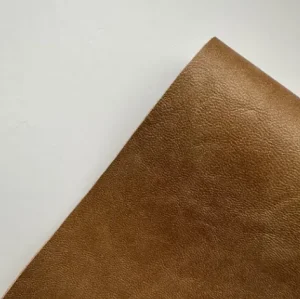
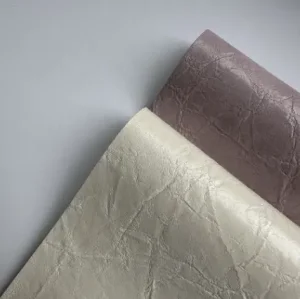
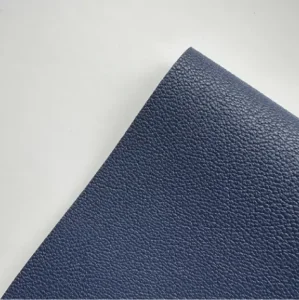
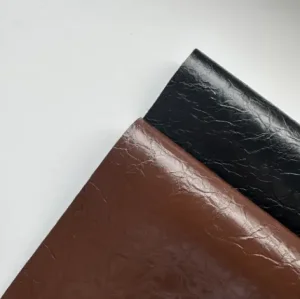
High-Performance Synthetic PU Leather Series (Selection B)
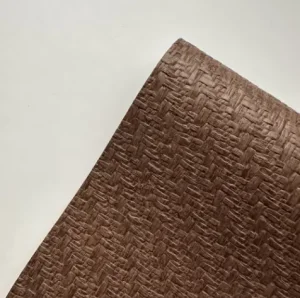
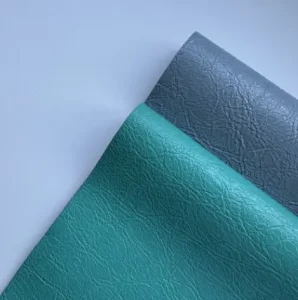
Continuous OEM/ODM material formulations engineered to exact customer specifications for thickness, tensility, grain depth, and haptic elasticity.


Technical & Procurement FAQ for PU Synthetic Leather
Comprehensive engineering insights addressing durability, chemical compliance, testing methodologies, and international B2B contracting.