
Featured Bio-Based & Circular Artificial Leather Reference Lines
Engineered for immediate sampling and mass-volume scaling. Fully aligned with technical tech packs, international chemical safety directives, and closed-loop decarbonization targets.

Custom Plant-Derived Renewable Bio-Based Synthetic Leather-9081
Explore Article Specs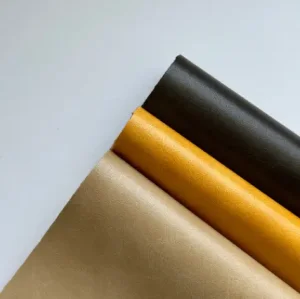
Custom Eco-Friendly Sustainable Synthetic Leather-0251
Explore Article Specs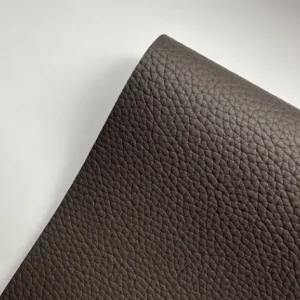
OEM Low-Impact Sustainable Synthetic Leather-9299
Explore Article Specs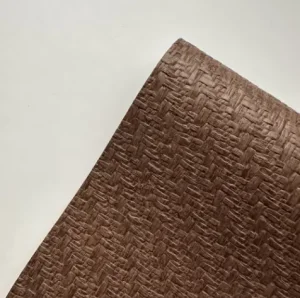
Wholesale Bio-Based Renewable Synthetic Leather-9339
Explore Article Specs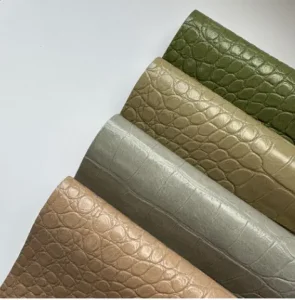
Wholesale Waste-Upcycled Recycled Synthetic Leather-9355
Explore Article Specs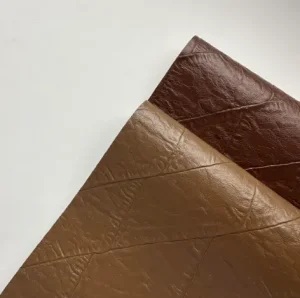
OEM Non-Toxic Vegan Eco Synthetic Leather-9266
Explore Article Specs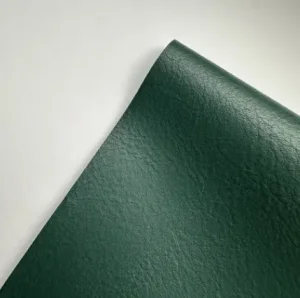
OEM Plant-Derived Bio-Based Synthetic Leather-9106
Explore Article Specs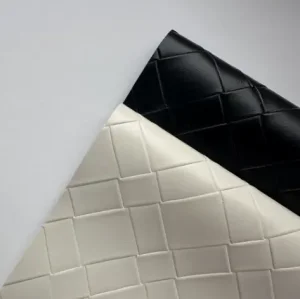
OEM Natural Plant-Derived Bio-Based Synthetic Leather-9338
Explore Article SpecsThe Global Industrial Paradigm: Decarbonization in Synthetic Leather
The international artificial leather market is undergoing a seismic structural transition. Driven by the European Union’s Corporate Sustainability Due Diligence Directive (CSDDD), the Ecodesign for Sustainable Products Regulation (ESPR), and international Scope 3 greenhouse gas disclosures, tier-one brands are abandoning conventional solvent-heavy petrochemical substrates.
Regulatory Compliance Mandates
Legacy fossil polyvinyl chloride (PVC) and standard N,N-dimethylformamide (DMFa)-processed polyurethanes face progressive restrictions under EU REACH regulations, California Proposition 65, and stringent zero-discharge standards. Modern enterprise procurement teams now treat chemical inertness, zero VOC emission, and third-party traceable origin as non-negotiable threshold criteria.
Scope 3 Emission Reductions
Synthetic leather production historically contributed significant petrochemical emissions. Through the adoption of agricultural polyols (corn, castor, agricultural waste biomass) and post-consumer circular yarns (rPET), enterprise manufacturers can actively lower upstream Life Cycle Assessment (LCA) values by up to 42% to 68% CO₂e per linear meter compared to virgin fossil formulations.
Animal-Free Moral Authenticity
The modern consumer actively disassociates luxury from cattle hide exploitation, acknowledging the heavy environmental burdens of chrome tanning, extensive water eutrophication, and livestock land degradation. JiangXin delivers vegan leather architectures that mimic the grain, drape, and tensile resilience of calfskin without ethical compromise.
Three Technical Pillars Powering Sustainable Polymers
Rather than relying on vague green claims, JiangXin New Material engineers precision polymer compounds validated by physical analytical standards. Our technical roadmap bridges organic plant chemistry, mechanical circular upcycling, and zero-VOC aqueous engineering.
1. Plant-Derived Bio-Based Matrix
Conventional polyurethane relies on crude oil-derived polyether and polyester polyols. Our bio-based product lines replace up to 30% – 75% of fossil-fuel carbon chains with renewable vegetal polyols extracted from non-food agricultural biomass. Verified via radiocarbon isotopic analysis under ASTM D6866, this architecture reduces petrochemical reliance while maintaining high elasticity, cold-flex resilience down to -25°C, and grain stability.
2. RCS-Certified Post-Consumer Circularity
Through certified Recycled Claim Standard (RCS) chain-of-custody protocols, our circular series incorporates mechanical and chemical post-consumer recycled (rPET) textile backings and upcycled polyurethane microfibers. Each production lot is paired with verifiable transaction certificates (TC), proving to global customs agencies that raw material inputs derive from certified recycled feeds rather than virgin petrochemical extrusions.
3. Zero-DMFa Waterborne & Solvent-Free Systems
Eliminating hazardous volatile organic solvents is central to our chemical hygiene strategy. Our clean waterborne (WPU) and 100% solids solvent-free coating lines operate without dimethylformamide (DMFa), toluene, or methyl ethyl ketone (MEK). This eliminates workplace exposure risks, prevents residual solvent off-gassing in sealed luxury automotive interiors, and complies with EU REACH SVHC limits (< 5 ppm).
| Performance Dimension | Traditional Solvent PU | Legacy Toxic PVC | JiangXin Bio-Based PU | JiangXin RCS Circular PU |
|---|---|---|---|---|
| Primary Carbon Origin | 100% Fossil Hydrocarbons | 100% Petrochemical / Chlorine | 30%–75% Plant Carbon | Traceable Post-Consumer rPET |
| DMFa Solvent Residue | High Risk (30–300 ppm) | Phthalate Plasticizers (30% wt) | Zero Detected (< 5 ppm) | Zero Detected (< 5 ppm) |
| Hydrolysis Resistance (Jungle) | 3–5 Years Equivalent | Prone to plasticizer migration | 7–10 Years (10-wk jungle test) | 5–8 Years Equivalent |
| VOC Emissions (Automotive) | Exceeds VDA 278 thresholds | Strong odor / heavy fogging | Ultra-Low (VDA 278 Compliant) | Ultra-Low Odor Class 2.0 |
| Carbon Reduction (vs Baseline) | Baseline Reference (0%) | High Lifecycle Footprint | 40% – 60% Reduction | 35% – 50% Reduction |
Tailored Functional Topologies for Demanding Sectors
A material formulation that succeeds in luxury handbag construction will fail if applied without modification to high-abrasion athletic footwear or UV-exposed automotive seating. JiangXin formulates specific skin layers, crosslinking chemistry, and substrate backings according to actual mechanical stress vectors.
Footwear & High-Performance Athleisure
Athletic uppers require exceptional flex fatigue resistance, stitch tear strength, and wet rub durability. JiangXin's footwear series passes 100,000+ Bally flex cycles at room temperature and 30,000 cycles at -20°C, combined with high-abrasion Taber finishes (CS-10 wheel, 1,000g > 4,000 revs) that prevent premature delamination or scuffing along high-stress flex zones.
Luxury Handbags & Fine Leather Goods
Luxury leather craftsmanship demands supple temper, round hand feel, natural edge-burnishing capability, and precise emboss recovery. Our toothpick, saffiano, pebble, and smooth nappa grains are pressed using precision nickel transfer paper, producing authentic depth and drape without cardboard stiffness or oily surface migration.
Automotive Interiors & Transit Seating
Vehicle passenger cabins demand strict resistance to solar irradiation and thermal volatility. Our automotive formulations integrate advanced hindered amine light stabilizers (HALS) and anti-hydrolysis crosslinkers, achieving SAE J2412 xenon arc UV resistance > 1,200 kJ/m², zero fogging (DIN 75201-B), and compliance with automotive flame retardancy standards (FMVSS 302).
Consumer Electronics & Tech Accessories
Formulated for smartphone cases, tablet enclosures, and laptop sleeves, this ultra-thin grade (0.5mm – 0.8mm) features anti-fingerprint, oleophobic, and anti-yellowing surface coatings. It resists alcohol wipe tests (over 5,000 cycles with 75% isopropyl alcohol) and skin lipid degradation, ensuring clean tactile touchpoints over extended usage.
Supply Chain Resilience: Inside the 135,733 m² JiangXin Smart Campus
Located in Yinghong Industrial Park, Yingde City, Guangdong Province, Yingde City JiangXin New Material Co., Ltd. (JX.ECO) represents an enterprise investment in modern sustainable material manufacturing.
Vertically Integrated Upstream Control
Supply chain volatility often strikes at the chemical synthesis stage. JiangXin maintains in-house resin blending, customized pigment dispersion milling, release-paper surface embossing, and laminating operations. By controlling every variable from raw polyol compounding to final surface top-coating, we eliminate intermediary markups, shorten lab-to-line development cycles to 7–10 days, and guarantee lot-to-lot color delta E < 0.8.
4.68 MW Solar Photovoltaic Infrastructure
A sustainable material cannot be manufactured with dirty power. The roof of JiangXin's Yingde production facility is fitted with an integrated 4.68 MW solar photovoltaic array. This clean-energy microgrid provides real-time solar electricity for internal production machinery, drying tunnels, and smart air circulation units, directly reducing the embedded Scope 2 carbon profile of our artificial leather.
Thermal Recovery & Industrial Water Systems
Modern chemical production demands comprehensive environmental discipline. JiangXin operates advanced industrial heat-recovery systems that harvest high-temperature exhaust from coating lines to preheat incoming fresh air, reducing natural gas consumption by 32%. A dedicated biological wastewater treatment facility handles all process effluents, maintaining zero illegal discharge compliance.
Global Certifications That Stand Up to Brand Audits
We do not ask clients to accept sustainability claims on trust. Every master roll produced at our facility is backed by third-party testing protocols, documented chemical formulations, and certified audit trails recognized by global customs authorities and brand compliance departments.
USDA Certified Biobased (ASTM D6866)
We utilize quantitative Carbon-14 (14C) isotope testing to measure the exact percentage of renewable organic carbon. Our bio-based series qualifies for the USDA BioPreferred Program, delivering verified marketing claims for consumer hangtags without fear of greenwashing liability.
Textile Exchange RCS & GRS Chain of Custody
Recycled content is verified through an unbroken custodial paper trail. From recycled polyester bottle flakes to spun yarn and final lamination, JiangXin supplies formal Transaction Certificates (TCs) issued by accredited certification bodies to support client sustainability claims.
EU REACH, RoHS & Phthalate-Free Verification
Formulated to meet global safety standards. Our PU grades are certified 6P/8P phthalate-free, contain non-detectable heavy metals (lead, cadmium, mercury, hexavalent chromium), and remain free of banned azo dyes, organotins, perfluorinated substances (PFAS), and alkylphenol ethoxylates (APEOs).
How Procurement Teams Work With Our Engineering Unit
From initial digital swatch matching to full container-load customs clearance, our enterprise sourcing protocol reduces physical prototyping lead times and prevents production hold-ups.
Design Brief & Performance Definition
Share end-use applications, required backing fabrics (woven, knitted, non-woven microfiber), thickness targets (0.5mm to 2.2mm), target certification standards, and specific brand Restricted Substance Lists (RSL).
Lab Dip Matching & Swatch Prototyping
Our colorimetry lab formulates custom dye and pigment profiles under standardized illuminants (D65, TL84, A). Swatches showing hand feel, temper, and texture are dispatched within 3 to 5 business days.
Physical & Chemical Pre-Production Testing
Pilot run rolls undergo rigorous internal quality testing: Martindale abrasion, peel adhesion, stitch tear, hydrolysis aging, and cold-crack verification before commercial manufacturing approval.
Precision Bulk Coating & Document Release
Automated lines execute production runs with continuous web-tension and thickness gauge monitoring. Every roll receives individual inspection tagging, certificate generation, and secure export packing.
Advanced Technical PU & Upcycled Formulation Lines
Explore our specialized performance grades engineered for high abrasion, distinct grain definitions, and strict sustainability compliance.
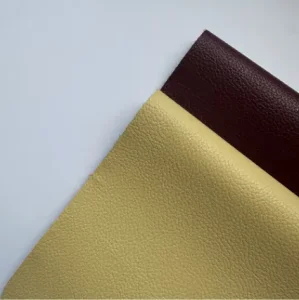
Wholesale Plant-Derived Renewable Bio-Based Synthetic Leather-9350
Explore Article Specs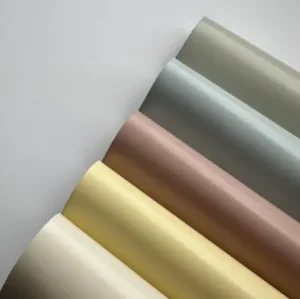
High-Quality RCS Qualified Recycled Green Synthetic Leather-2056
Explore Article Specs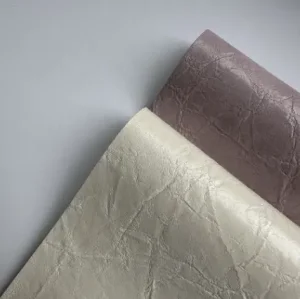
High-Quality RCS Approved Recycled-Content Synthetic Leather-0212
Explore Article Specs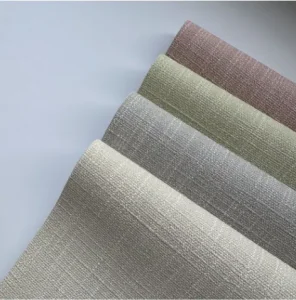
Wholesale Bio-Based Renewable Synthetic Leather-9384
Explore Article Specs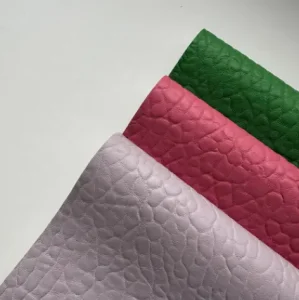
Wholesale Bio-Based Renewable Synthetic Leather-9293
Explore Article Specs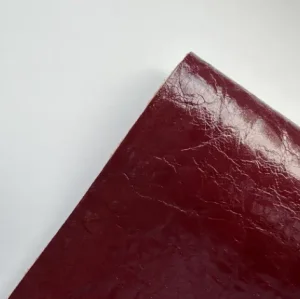
High-Quality Green Grade Sustainable Vegan Synthetic Leather-9261
Explore Article Specs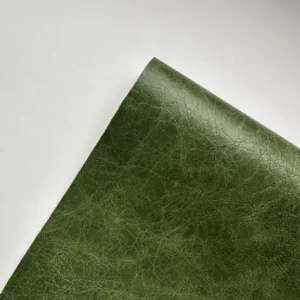
OEM Plant-Based Renewable Bio Synthetic Leather-9023
Explore Article Specs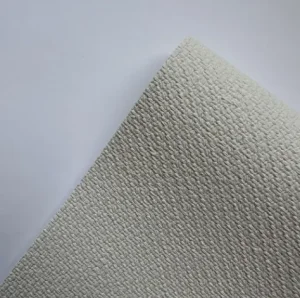
High-Quality Circular Recycled Synthetic Leather-9321
Explore Article SpecsFrequently Asked Technical Questions
Direct answers addressing chemistry, testing methods, supply chain operations, and compliance documentation for synthetic leather procurement.
How is bio-based content in synthetic leather analytically proven?
Bio-based claims are authenticated through standard ASTM D6866 radiocarbon analysis. This analytical procedure isolates the ratio of radioactive carbon-14 (14C) present in organic matter versus fossil feedstocks (which contain zero 14C due to millions of years of nuclear decay). The result defines the exact percentage of modern bio-based carbon originating from renewable plant polyols. We furnish accredited laboratory test reports with bulk shipment documentation to validate this data.
How does eco-friendly faux leather resist hydrolysis without solvent stabilizers?
Our waterborne and solvent-free PU formulas achieve long-term hydrolysis resistance (up to 7–10 years equivalent, verified through 10-week Jungle testing at 70°C and 95% relative humidity) by utilizing advanced polycarbonate and polyether polyol blends instead of vulnerable polyester chains. These specialized backbones resist hydrolytic cleavage when exposed to humidity, human perspiration, and heat.
What chain-of-custody documentation supports your RCS-certified leathers?
Orders specifying Recycled Claim Standard (RCS) materials operate under an audited chain-of-custody system managed via Textile Exchange guidelines. For every commercial batch delivered, our facility coordinates with accredited auditing bodies to generate formal Transaction Certificates (TCs). These confirm that input yarns originate from certified post-consumer recycling facilities, satisfying EU and North American import customs requirements.
Can you meet custom brand Restricted Substance Lists (RSL)?
Yes. Tier-one footwear, apparel, and consumer tech brands maintain proprietary RSL limits that exceed baseline legal mandates. We regularly formulate and calibrate materials to pass strict brand RSL testing protocols, ensuring non-detectable results for regulated plasticizers, organotins, formaldehyde, perfluorinated substances (PFAS), and alkylphenol ethoxylates (APEOs) using independent testing labs like SGS, Intertek, and TÜV Rheinland.
What are the standard Minimum Order Quantities (MOQ) and production lead times?
For existing standard catalog articles and running colorways, our typical MOQ is 300 to 500 linear meters. For custom color matching, proprietary grain development, or customized bio-based content ratios, our minimum run is typically 1,000 linear meters per colorway. Lab-dip development requires 3–5 working days, while bulk mass-production cycles average 12 to 18 business days from lab dip approval to port dispatch.
How does JiangXin manage production waste within its clean-tech campus?
JiangXin's facility operates under a circular manufacturing model. Trimmings, edge off-cuts, and polymer slabbing are mechanically collected and granulated into reconstituted fillers or re-extruded into internal reinforcement layers. Combined with our 4.68 MW rooftop solar panels and heat-recovery systems, our campus operates in compliance with ISO 14001 environmental standards and the Higg Facility Environmental Module (Higg FEM).