
High-Performance Eco-Leather Product Series (Batch I)
Lab-certified bio-derived polymers, plant-sourced circular coatings, and ultra-low VOC emissions tailored to international luxury and technical benchmarks.
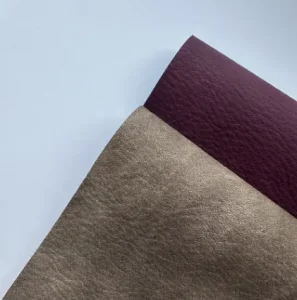
OEM Low Odor Bio-Based Vegan Leather-9237 Suppliers, Factory
View Product Specs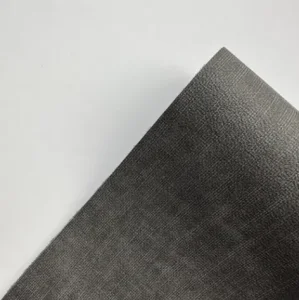
High-Quality Plant-Sourced Bio-Based Renewable Synthetic Leather-9103 Suppliers, Factories
View Product Specs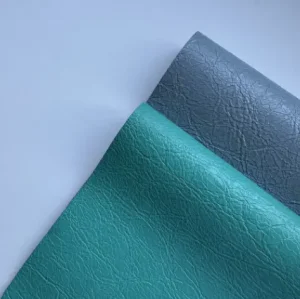
High-Quality Plant‑Derived Renewable Bio‑Based Synthetic Leather-9213 Supplier, Suppliers
View Product Specs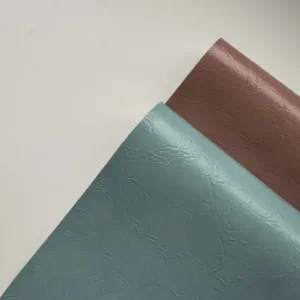
OEM Industrial‑Grade Bio‑Derived Renewable Synthetic Leather-0177 Suppliers, Factories
View Product Specs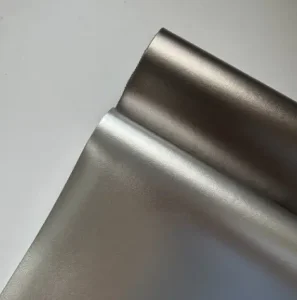
Wholesale Eco Plant-Based Renewable Synthetic Leather-2056 Supplier, Factories
View Product Specs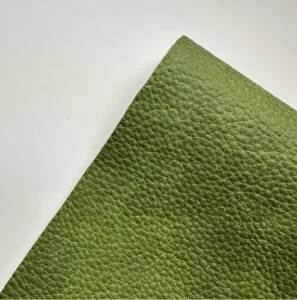
Custom Premium Sustainable Eco Synthetic Leather-9304 Supplier, Factory
View Product Specs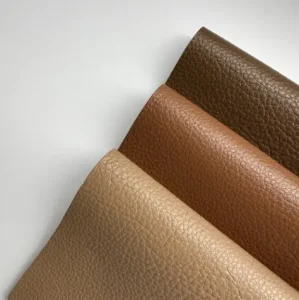
OEM Eco‑Friendly Sustainable Synthetic Leather-9078 Supplier, Suppliers
View Product Specs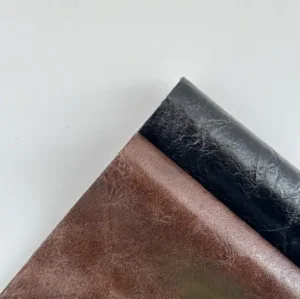
Wholesale Eco-Friendly Sustainable Synthetic Leather-0212 Manufacturer, Suppliers
View Product SpecsThe Global Evolution of Eco-Conscious Leather Synthesis
Decoding the chemical transition from solvent-heavy petrochemical matrices to high-purity biogenic carbon chains, waterborne polyurethane systems, and closed-loop circular textiles.
From Petrochemical to Bio-Based Carbon
Traditional synthetic leather has relied on virgin petroleum feeds, synthesizing polyvinyl chloride (PVC) or dimethylformamide (DMF)-based polyurethane (PU). Today's eco-conscious paradigm employs renewable agricultural derivatives such as castor oil, non-food corn starch, and industrial hemp waste.
- ASTM D6866 Radiocarbon Proof: Empirical carbon-14 isotopic confirmation distinguishing bio-based content from fossil fuel sources.
- Reduced Global Warming Potential (GWP): Up to 58% lifecycle greenhouse gas reduction compared to standard solvent PU formulations.
- Phthalate & Toluene Eradication: Zero endocrine-disrupting plasticizers or neurotoxic aromatic solvents in resin compounding.
Solvent-Free & Waterborne Precision Coating
The manufacturing process eliminates volatile organic compounds (VOCs) entirely. Utilizing 100% solid solvent-free PU or aqueous polyurethane dispersions (PUD), modern cleanroom coating lines replace hazardous carrier solvents with water or reactive prepolymer curing.
- Zero DMFa, DMAC, and NMP: Direct compliance with the strictest EU REACH candidate list (SVHC limits below 5 ppm).
- Breathable Microporous Architecture: Thermal coagulating techniques engineer water vapor permeability without micro-cracking.
- Enhanced Olfactory Scores: VDA 270 odor test ratings reaching grades 2.0 to 2.5, ideal for luxury automotive passenger cabins.
Circular Backing & Closed-Loop Substrates
A composite material cannot claim true circularity if its backing fabric relies on virgin polyester. Tier-1 manufacturers now co-extrude bio-resins directly onto post-consumer recycled (rPET) microfibers, organic cotton flannels, and reclaimed ocean plastics.
- Recycled Claim Standard (RCS) & GRS: Complete chain-of-custody tracking verifying fiber origin from bottle flake to fabric knit.
- Interfacial Adhesion Strength: Advanced crosslinking primers yield peel strengths exceeding 35 N/3cm, preventing delamination.
- Monolithic Recyclability: Forward R&D toward single-polymer construction (e.g., all-TPU or all-polyester) enabling end-of-life depolymerization.
Enterprise Sourcing Mandates: Balancing ESG Audits with Mechanical Rigor
How Chief Procurement Officers (CPOs) and material innovation teams at multinational brands navigate stringent cross-border environmental standards without compromising durability.
Cross-Border ESG Compliance Directives
With the implementation of the European Corporate Sustainability Due Diligence Directive (CSDDD) and the EU Deforestation Regulation (EUDR), tier-1 enterprises must substantiate every supply chain claim. Animal hide sourcing carries significant land-use and deforestation liabilities; eco-synthetic alternatives provide documented biogenic origins.
Global brands require full-scope Life Cycle Assessments (LCA) compliant with ISO 14040/14044, verified Higg Facility Environmental Module (FEM) scorecards above 80%, and zero-discharge verification under ZDHC Level 3 roadmaps.
Uncompromising Mechanical Performance Validation
Eco-conscious leather is no longer evaluated solely as an ethical statement; it must withstand extreme operational stresses across transportation and commercial contract environments.
Materials must pass rigorous physical testing: Bally flex endurance down to -20°C for over 50,000 cycles without hairline fractures; accelerated tropical climate hydrolysis chamber testing (Jungle Test at 70°C and 95% relative humidity) surviving 7 to 10 continuous weeks; and Taber abrasion testing demonstrating minimal surface gloss loss.
| Performance Dimension | Legacy PVC / Wet Solvent PU | Advanced Waterborne Eco-PU | Solvent-Free Bio-Based PU (JX.ECO) |
|---|---|---|---|
| Bio-Based Carbon Content | 0% (Petrochemical Feedstock) | 10% - 25% (Partial Bio-Polyols) | 30% - 65% (ASTM D6866 Tested) |
| VOC Emissions (VDA 277) | High (>100 µgC/g, DMF/Toluene) | Low (<20 µgC/g, Water Carrier) | Ultra-Low (<5 µgC/g, Solvent-Free) |
| Hydrolysis Resistance (Jungle Test) | 3 - 5 Weeks (Premature peeling) | 5 - 8 Weeks (Stable crosslinks) | 8 - 10+ Weeks (Automotive OEM Class) |
| Martindale Abrasion (ISO 12947) | 30,000 - 50,000 Cycles | 60,000 - 80,000 Cycles | 100,000 - 150,000+ Cycles |
| Environmental Certifications | Rarely pass modern RSL limits | OEKO-TEX Standard 100, REACH | USDA BioPreferred, RCS, ISO 14001, GRS |
China Factory 4.0: Supply Chain Resilience, Vertical Integration & Cost Efficiency
Inside the 135,733 m² clean-tech production campus: automated polymeric reactors, AI inline optical inspection, and closed-loop thermodynamic recovery in Yingde, Guangdong.
Total Vertical Integration: Resin Compounding to Coated Roll
Unlike secondary converters who merely laminate purchased fabrics, modern industrial leaders control the entire synthesis chain. JX.ECO formulates custom polyurethane prepolymers, functionalizes bio-derived polyols, executes inline textile knit knitting, and operates high-speed coating lines on a single unified campus.
This integration eliminates intermediary margins, compresses development sampling lead times from weeks to 72 hours, and allows micrometer-level calibration over coating depth, elasticity modulus, and surface grain retention.
Clean Energy Transition & 4.68 MW Photovoltaic Power
Operating a sustainable materials manufacturing facility requires an equally sustainable energy framework. The Guangdong facility features a 4.68 MW rooftop photovoltaic array, generating a significant portion of daytime industrial electrical demand.
Coupled with computerized thermodynamic heat exchangers that reclaim oven exhaust heat back into thermal curing tunnels, the factory achieves one of the lowest specific kilowatt-hour consumption metrics per linear meter in the synthetic material industry.
Supply Chain Resilience & Global Logistics Hub
Situated within the Greater Bay Area manufacturing cluster, the plant benefits from unmatched proximity to basic chemical feeds, recycled polymer yarn spinning centers, and deep-water container ports in Guangzhou and Shenzhen.
With an annual output exceeding 16 million linear meters, standardized batch inventories, and computerized automated warehousing, enterprise procurement teams are guaranteed on-schedule containerized dispatches to over 50 export destinations without supply chain bottlenecks.
End-to-End Application Engineering: Cross-Industry Tailoring
Specific physical, chemical, and tactile customizations developed to meet rigorous application environments across major sectors.
Automotive OEM & Electric Vehicles
Automotive interiors demand strict fire safety and cabin air quality controls. Bio-based synthetic formulations are engineered to meet FMVSS 302 and ISO 3795 flame retardancy standards without toxic halogenated additives.
Engineered to satisfy DIN 75201 fogging test limits, our low-odor vegan seating and dash-wrap substrates prevent oily windshield condensation while maintaining high UV lightfastness (ISO 105-B02 Grade 7+) under extreme solar cabin irradiation.
Luxury Handbags, Luggage & Footwear
Luxury design studios require genuine leather grain depth, edge-paint adhesion, and an authentic hand feel. Our custom microfiber-base composite leather mirrors collagen fiber networks with micro-porous elastic recovery.
This structure guarantees clean die-cut edges without fraying, high seam-break resistance under heavy packing loads, and long flex cycles for high-wear sneaker vamps, luxury tote gussets, and structured travel goods.
Contract Commercial & Marine Upholstery
Heavy-traffic hospitality seating, airport lounge recliners, and marine interiors confront aggressive daily cleaning agents and environmental moisture. We incorporate high-density silicone and waterborne crosslinked surface topcoats.
This barrier defends against hospital-grade isopropyl alcohol disinfectants, achieves anti-graffiti ink cleanability, meets IMO marine flammability requirements, and guarantees resistance against mildew growth under ASTM G21 standards.
Frequently Asked Questions for Global Procurement Teams
Comprehensive engineering, regulatory, and logistics answers compiled by our chief chemical engineers and international trade specialists.
How is bio-based content verified and certified for retail hangtags?
Bio-based content is measured using radiocarbon dating according to ASTM D6866 protocols. This test determines the exact ratio of modern biogenic carbon-14 relative to fossil carbon. This certification allows brands to legally qualify for the USDA BioPreferred® label and configure precise on-product sustainability disclosures without greenwashing risk.
What is the structural difference between 100% Solvent-Free PU and Waterborne PU?
Waterborne PU utilizes aqueous polymer emulsions where water acts as the dispersion carrier, requiring evaporation tunnels during production. Solvent-Free PU (EPU) utilizes 100% solid, two-component reactive polymer systems with no liquid carrier solvent whatsoever. Both eliminate hazardous VOCs like DMF and toluene, but Solvent-Free PU achieves superior hydrolysis longevity and thicker single-pass surface density.
Can you supply official Transaction Certificates (TCs) for RCS/GRS recycled orders?
Yes. As an authorized processing facility certified under Textile Exchange standards, every production batch manufactured using recycled polyester (rPET) or recycled nylon substrates can be accompanied by an official Transaction Certificate (TC) issued by our certifying body, providing unbroken chain-of-custody verification for your compliance audits.
How does your material perform under tropical climate accelerated aging (Jungle Test)?
Our bio-based and solvent-free PU lines are formulated with specialized ester-ether hybrid or pure polycarbonate polyols resistant to micro-fungal attack and hydrolytic scission. Standard formulations withstand 7 to 10 weeks in the Jungle Chamber (70°C, 95% relative humidity), translating to an estimated real-world operational service life of 7 to 10+ years without peeling or surface breakdown.
What are your standard Minimum Order Quantities (MOQ) and custom lab dip lead times?
For custom formulation development, Pantone color matching, and unique grain roller embossing, our standard minimum order quantity is 500 to 1,000 linear meters per colorway. Physical lab dips and A4 swatches are generated within 3 to 5 business days, with full pilot sample yardage dispatched within 7 to 10 days via international express.
What restricted substance lists (RSL) and chemical standards are guaranteed?
Every commercial production run is certified to comply with the European Union REACH Regulation (EC 1907/2006) Candidate List of SVHCs, RoHS Directive, California Proposition 65, CPSIA lead and phthalate limits, and OEKO-TEX Standard 100 Class I (safe for infant contact). Third-party test reports from SGS, TÜV, or Intertek are available upon order booking.
High-Performance Eco-Leather Product Series (Batch II)
Specialty bio-derived grains, certified recycled synthetics, and ultra-durable plant-origin rolls engineered for rapid worldwide export delivery.
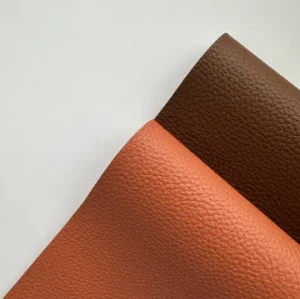
Custom Bio-Based Renewable Synthetic Leather-9109 Supplier, Factory
View Product Specs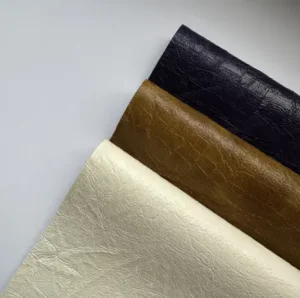
Wholesale Eco-Friendly Sustainable Synthetic Leather-9381 Factory, Factories
View Product Specs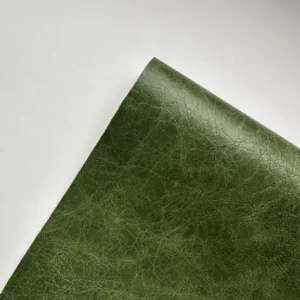
OEM Plant-Based Renewable Bio Synthetic Leather-9023 Suppliers, Factories
View Product Specs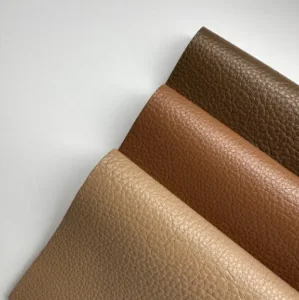
Custom RCS Recycled Synthetic Leather-9078 Manufacturer, Suppliers
View Product Specs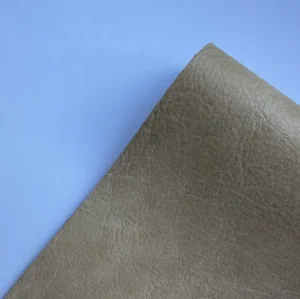
Wholesale Plant‑Origin Renewable Bio‑Based Synthetic Leather-9271 Manufacturer, Suppliers
View Product Specs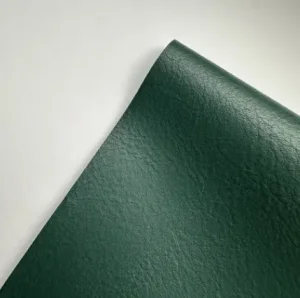
OEM Plant-Derived Bio-Based Synthetic Leather-9106 Manufacturer, Factory
View Product Specs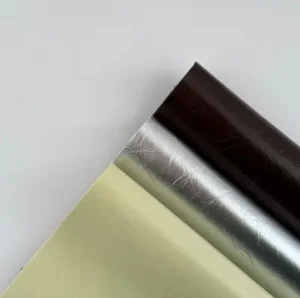
OEM Sustainable Eco-Friendly Faux Leather-0195 Manufacturers, Supplier
View Product Specs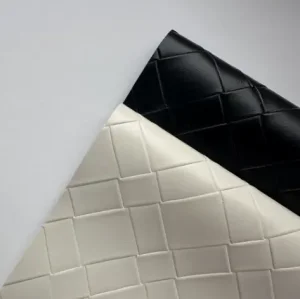
OEM Natural Plant-Derived Bio-Based Synthetic Leather-9338 Supplier, Factory
View Product SpecsPartner with a Leading Eco-Leather Manufacturer
Accelerate your brand's decarbonization roadmap. Access direct factory pricing, comprehensive technical dossiers, ASTM D6866 bio-carbon test reports, and custom physical swatches tailored to your exact tech pack specifications.