

USDA BioPreferred Compliant
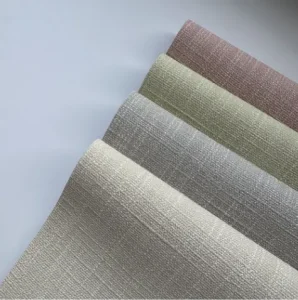
Custom Bio-Based Renewable Synthetic Leather-2056 Manufacturers, Manufacturer
Verified through ASTM D6866 and RCS chain-of-custody protocols to guarantee genuine footprint reduction.
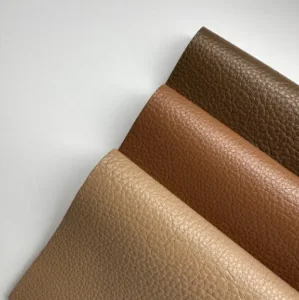
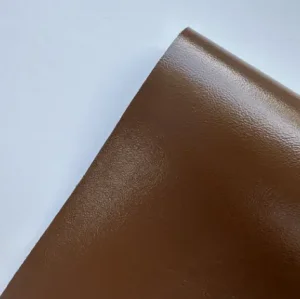
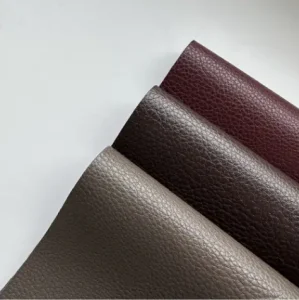
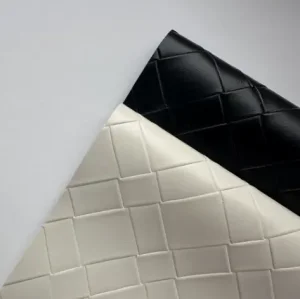

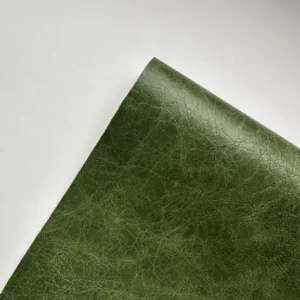
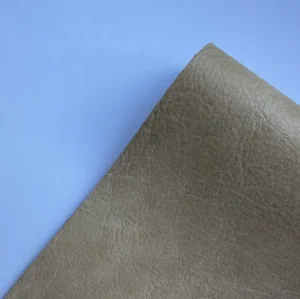
The convergence of EU Carbon Border Adjustment Mechanisms (CBAM), consumer circularity expectations, and non-toxic chemistry requirements has transitioned eco-leather from a luxury alternative to a mandatory baseline.
Global multi-national brands across North America, Europe, and Asia-Pacific are under legislative mandates to remove virgin petrochemical PU and PVC from their tier-1 supply structures. Advanced Thais Ecoleather solves this bottleneck via scalable, plant-origin carbon substitution verified by isotopic radiocarbon tracing.
Strict enforcement of REACH SVHC candidates, the elimination of DMFa (Dimethylformamide) residual traces, and zero tolerance for short-chain chlorinated paraffins have rendered legacy solvent lines non-compliant for tier-one brands. Waterborne and 100% solvent-free lines ensure immediate market access clearance.
Traditional vegan materials consistently struggled with hydrolytic decomposition and surface cracking under standard Taber abrasions. Modern eco-leather architectures utilize advanced chain extenders to surpass 10-week jungle test hydrolytic requirements, matching genuine bovine leather durability benchmarks.
Purpose-engineered chemical top-coats and backing matrices customized precisely to the distinct failure mechanisms of varied sectors.
High-flex resistance down to -20°C, zero delamination across 100,000 Bally flex cycles, and breathable micro-porous membrane backing engineered specifically for performance sports uppers, formal dress shoes, and tactical outdoor boots.
Fine-grain clarity that preserves realistic sensory grain tactile values, high tensile seam strength, dynamic edge-paint compatibility, and anti-aging UV defense formulated specifically for the high-end accessories market.
Exceptional draping elasticity coupled with low VOC emissions, OEKO-TEX standard non-toxic skin safety, stain-resistant anti-fouling surfaces, and flame retardancy meeting global transport and interior standards.
A closed-loop manufacturing paradigm bridging advanced macromolecular chemistry with turnkey commercial compliance.
Eliminating hazardous organic solvents like DMF, toluene, and methyl ethyl ketone (MEK) directly at synthesis. Utilizing specialized waterborne dispersions and high-solid solvent-free polyurethanes guarantees compliance with international Restricted Substance Lists (RSL).
Every meter of RCS-certified recycled synthetic leather tracks post-consumer PET bottles and reprocessed industrial polymer backings straight to source. Official transaction certificates accompany production lots, eliminating greenwashing vulnerability.
From initial digital grain matching and spectrophotometer color validation to customized backing weaves (recycled microfiber, brushed twill, or circular knits), formulations are engineered to match existing automated laser and cutting die systems.
Pioneering the evolution of synthetic substrates from reduced-impact resins to fully circular, bio-synthesized closed-loop platforms.
Commercialization of 30%–60% USDA-certified bio-content using agricultural derivatives (corn, castor, sugarcane) displacing fossil carbon while elevating abrasion thresholds.
Complete scale-up of 100% GRS and RCS certified post-consumer recycled backing matrices paired with ultra-low emission waterborne aliphatic surface polymers.
Integrating direct-air-captured carbon dioxide into polyol synthesis lines to engineer negative-carbon synthetic leather intermediates without sacrificial strength losses.
Designing cross-linked polymeric linkages that facilitate end-of-life enzymatic breakdown, enabling total closed-loop circular recovery back into virgin-grade resins.
Production-ready references configured for quick sampling and rapid turnaround times.
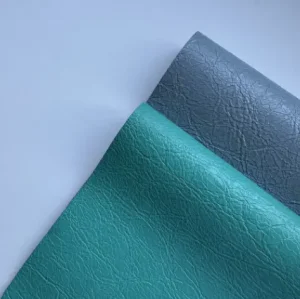
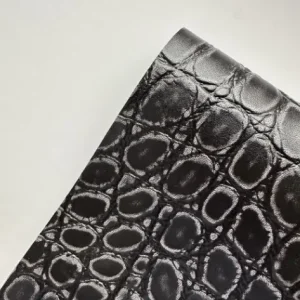

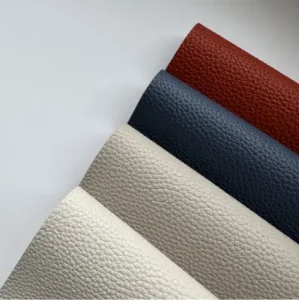
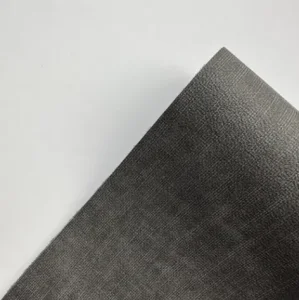
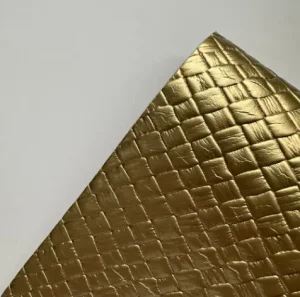
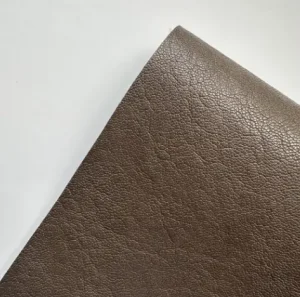
Clear, direct answers regarding material chemistry, regulatory compliance, and bulk custom manufacturing capabilities.