
Featured Eco-Certified Leather References
Lab-verified circular materials optimized for high-tensile footwear, tactile bags, and demanding automotive applications.
-
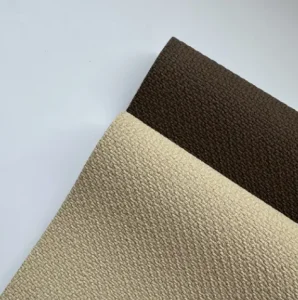
High-Quality RCS Qualified Recycled Green Synthetic Leather-9321 Suppliers, Factory
-
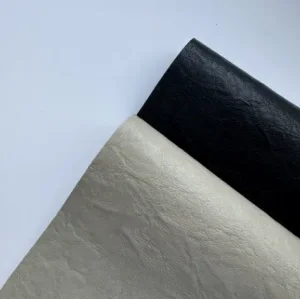
Custom RCS Recycled Substrate Synthetic Leather-9193 Supplier, Suppliers
-
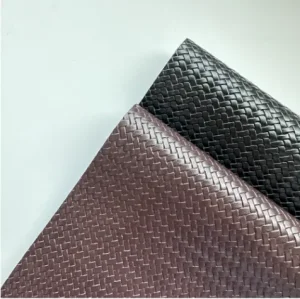
OEM Eco-Friendly Sustainable Synthetic Leather-9348 Manufacturers, Suppliers
-
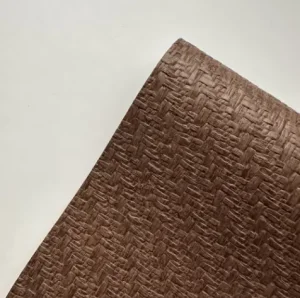
Wholesale Bio‑Based Renewable Synthetic Leather-9339 Manufacturers, Supplier
-
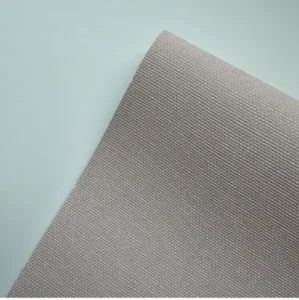
Custom Low Carbon Impact Eco Synthetic Leather-9362 Suppliers, Factory
-
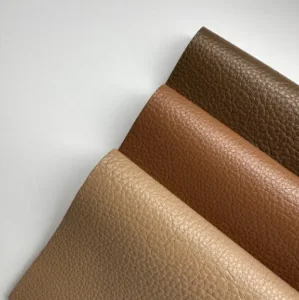
Custom RCS Recycled Synthetic Leather-9078 Manufacturer, Suppliers
-

High-Quality Eco-Friendly Sustainable Synthetic Leather-9081 Manufacturer, Factory
-

Wholesale RCS Verified Recycled Sustainable Synthetic Leather-2058 Factory, Factories
Commercial Realities of Eco-Certified Leather
Decoding the paradigm shift from petroleum-derived artificial hides to audited biobased and closed-loop circular substrates.
Supply Chain Decarbonization Mandates
Global consumer conglomerates in footwear, lifestyle goods, and consumer tech are under binding ESG covenants to cut Scope 3 supply-chain carbon emissions. Yingde City JiangXin New Material Co., Ltd. (JX.ECO) integrates direct photovoltaic power to offset up to 45% of production energy, giving brands substantiated primary emission data rather than synthetic carbon credits.
Stringent Regulatory & Chemical Bans
The rapid enforcement of EU REACH SVHC, RoHS, and California Proposition 65 has made conventional Dimethylformamide (DMFa)-based processing illegal across European and North American retail networks. JX.ECO operates dedicated solvent-free and water-based lines delivering pristine chemical integrity compliant with modern Restricted Substance Lists (RSL).
Radical Verification & Anti-Greenwashing
With corporate green claims under intense legal scrutiny via the EU Corporate Sustainability Due Diligence Directive (CSDDD), unverified "eco" claims represent severe brand liability. Every roll of JX.ECO material carries verifiable chain-of-custody documentation via Recycled Claim Standard (RCS) and quantitative ASTM D6866 bio-carbon isotopic tests.
Three High-Yield Sustainable Leather Systems
Engineered to replace animal skins and fossil polymers without sacrificing flex life, scratch durability, or tensile recovery.
Bio-Based Renewable Synthetic Leather
Formulated with synthesized polyols derived from non-food agricultural feedstock. By replacing fossil-derived hydrocarbons, this platform reduces carbon footprint while maintaining identical tactile hand feel.
- Carbon isotopic verification via ASTM D6866
- USDA BioPreferred certification ready
- High hydrolytic resilience: 5 to 10-year jungle test rating
- Custom micro-grain, nap, and toothpick embossing options
RCS-Certified Traceable Recycled Leather
Engineered using post-consumer recycled (rPET) backings and re-granulated PU coating feedstocks. Supported by end-to-end chain of custody with official Transaction Certificates (TC).
- Verified under Textile Exchange Recycled Claim Standard (RCS)
- High tearing strength: > 35N / 2.5cm ISO standard
- Reduces virgin polyester dependency by up to 85%
- Fully traceable material passport from polymer to finished roll
Solvent-Free & Waterborne Eco PU
Zero-VOC polyurethane synthesis using 100% solids dispersion or high-purity waterborne matrices. Eliminates DMFa, toluene, MEK, and phthalate plasticizers entirely.
- Compliant with OEKO-TEX Standard 100 Class I & II
- Zero organotin compounds, AP/APEOs, or PAHs
- Exceptional low-temperature flex resistance (> 100,000 cycles at -20°C)
- Ideal for skin-contact upholstery, apparel, and child-safe goods
Technical Roadmap: Beyond Conventional PU
Strategic technological progression driving our factory towards closed-loop circular synthesis and non-petrochemical architectures.
Phase 1: Solvent-Free Solids
Full transition of primary dry lines to 100% solid PU formulations. Elimination of chemical drying ovens, achieving an immediate 40% thermal energy drop per running meter.
Phase 2: High Bio-Carbon Polyols
Increasing the proportion of plant-derived carbons from 20% to over 65% in top-skin and intermediate foam layers, cross-linked using enzymatic biocatalysts.
Phase 3: Mono-Material Recycling
Engineering pure TPU/rTPU cohesive laminates where backing fibers and surface coatings utilize the same polymer group, enabling mechanical depolymerization at end-of-life.
Phase 4: Carbon-Capture PU
Pilot synthesis exploring polyols synthesized from sequestered industrial carbon dioxide emissions, targeting net-negative embodied carbon for automotive tier-1 interior programs.
High-Performance Industrial Use Cases
Engineered to exceed tough mechanical performance specs across fashion, high-wear footwear, luxury travel goods, and seating.
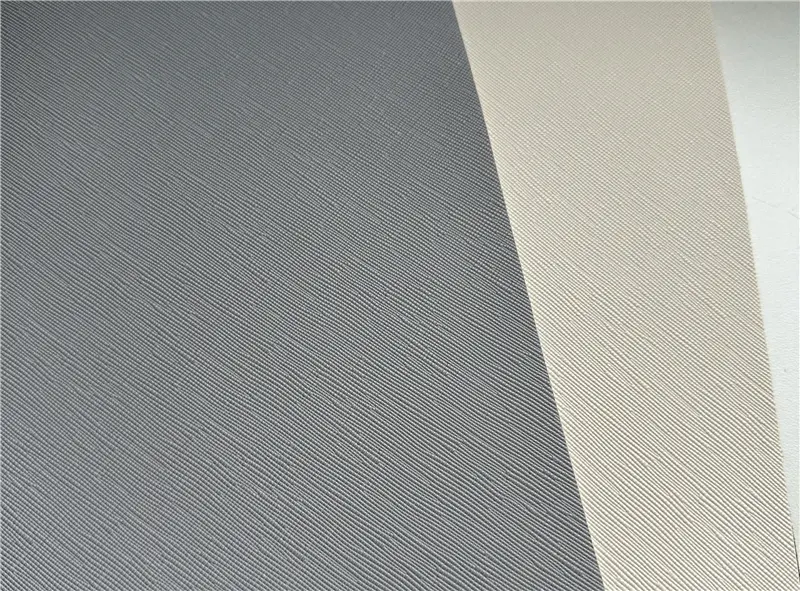
Athletic & Technical Footwear
Formulated for dynamic flex durability, seam rupture resistance, and waterproof moisture barriers. Easily adapts to high-frequency welding, thermal bonding, and computer stitching.
- Martindale Abrasion: > 50,000 cycles (Dry)
- Cold Flex Test: No cracks at -20°C (Bally Flex 50,000 cycles)
- Target: Performance trainers, trail boots, luxury fashion sneakers
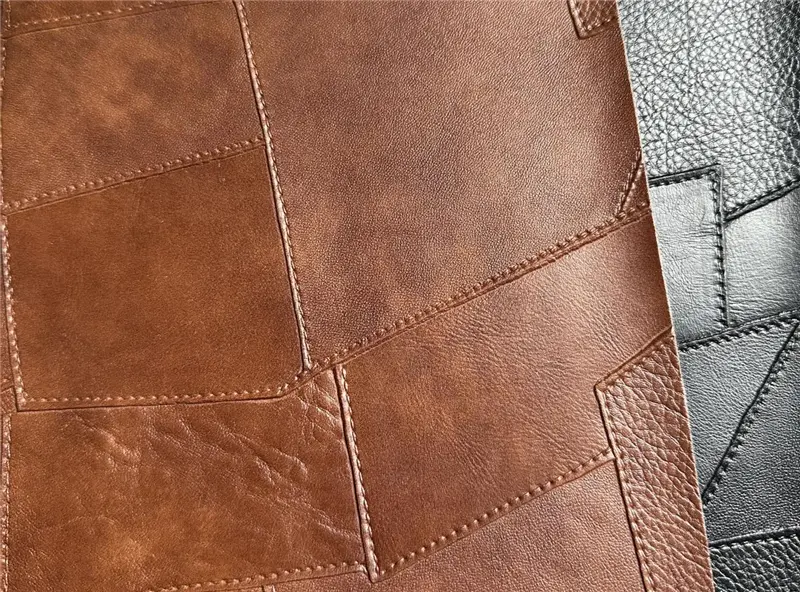
Luxury Bags & Small Leather Goods
Replicates calfskin drape, deep burnish, and edge paint adhesion. Resists skin oils, cosmetics, and environmental color fading while holding crisp creasing lines.
- Anti-Swell & Edge Inking: Zero delamination
- UV Colorfastness: Grade 4.5+ (Blue Wool Scale)
- Target: Structured totes, luxury luggage, cross-body bags
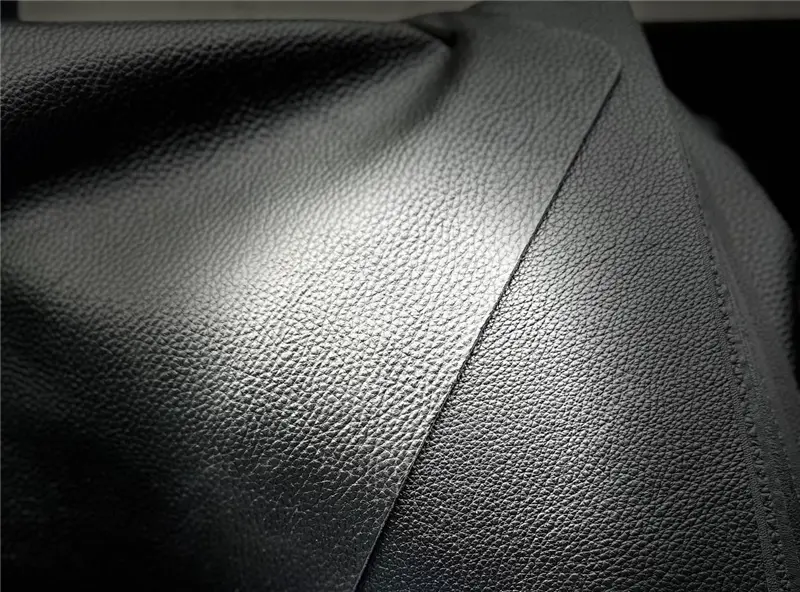
Apparel, Furniture & Cabins
Engineered for fire retardancy, breathability, and antibacterial properties. Delivers a soft hand feel for apparel along with the tough surface durability demanded by contract upholstery.
- Flame Retardancy: BS5852 Crib 5 / Cal 117 / FMVSS 302
- Antimicrobial: JIS Z 2801 / ISO 22196 > 99.9% reduction
- Target: Leather jackets, ergonomic task chairs, automotive seating
A 135,733 m² Clean-Tech Production Campus
Founded on June 2, 2017 in Yingde, Guangdong, JX.ECO represents the next generation of precision eco-material manufacturing.
Modern Low-Carbon Campus
Built strictly to petrochemical engineering specs. Tempered-glass architectural workshops maximize daylight to cut operational lighting energy, while our rooftop solar setup feeds power right into our production runs.
Closed-Loop Waste Treatment
Equipped with on-site wastewater biological processing systems, dynamic exhaust gas adsorption scrubbers, and regenerative thermal oxidizers (RTO). We reclaim over 95% of industrial processing heat.
Ethical Audits & Traceability
Fully compliant with amfori BSCI social responsibility standards, Higg Index (FEM/FSLM) audits, ISO9001 quality frameworks, and ISO14001 environmental management protocols.





From Specification Tech-Pack to High-Yield Bulk
A structured 5-stage deployment ensuring zero mismatch between laboratory prototype swatches and commercial container yields.
Target Parameter Formulation
Clients submit target technical parameters: substrate choice (microfiber, woven, knit, or nonwoven rPET), thickness tolerances (0.5mm – 2.2mm), bio-content %, grain pattern, and brand-specific RSL limits.
Lab Sample Synthesis
Our lab formulates precise custom color masterbatches, adjusts resin rheology, matches surface sheen (matte, semi-gloss, patent), and creates pilot swatch yardage within 3 to 5 business days.
Pre-Bulk Validation
Pilot swatch material undergoes testing for flex endurance, tearing strength, seam slippage, Taber abrasion, thermal aging, and REACH/RoHS compliance before mass release.
Automated Coating Production
Coating parameters are digitally locked across our continuous multi-station production lines. Real-time infrared gauges monitor thickness consistency edge-to-edge.
Inspection & TC Release
Every roll undergoes 100% optical and tactile surface inspection. Finished orders ship accompanied by chemical lab sheets, quality certificates, and official RCS Transaction Certificates.
Full-Cycle Brand Assurance
We provide long-term batch-to-batch colorway matching and maintain archival sample rolls for every client production run, ensuring worry-free reorders.
Technical & Compliance Inquiries
Authoritative technical insights addressing the key material selection and audit criteria sourcing teams face.
What makes biobased synthetic leather distinct from conventional PU faux leather?
Conventional PU is synthesized entirely from fossil crude oil derivatives (polyether/polyester polyols and isocyanates). Biobased synthetic leather replaces a measurable portion of these petrochemical polyols with renewable plant-derived components (such as industrial corn starch, castor bean oil, or agricultural waste polyols). The carbon origin is verified through ASTM D6866 radiocarbon (C14) dating, lowering initial carbon footprint without reducing tensile or scratch performance.
How does JX.ECO guarantee the chain of custody for RCS-certified materials?
We work under the global Recycled Claim Standard (RCS) audited by accredited certification bodies. Raw recycled plastic flake and yarn suppliers provide certified Transaction Certificates (TCs) for every incoming batch. In-house processing maintains strict separation of recycled and virgin materials, and we issue official Transaction Certificates to clients for each commercial production run.
Can solvent-free PU achieve the same flex life as traditional DMF-based PU leather?
Yes. In fact, our modern 100% solid solvent-free polyurethane systems routinely outperform traditional DMFa-dipped coagulated substrates in dynamic durability. Because no solvent evaporates during curing, the polyurethane crosslinks without microscopic solvent voids. This produces higher peeling strength (> 4.0kg/3cm), superior hydrolysis resistance (exceeding 8–10 years under standard tropical tests), and zero chemical odor.
Which international regulatory chemical standards do your products fulfill?
Every commercial batch is tailored to meet global compliance baselines, including EU REACH (SVHC list with < 0.1% w/w), RoHS 2.0, non-detectable organotins, Dimethylformamide (DMFa < 5ppm), Phthalates-free (6P/16P/24P), and OEKO-TEX Standard 100 Class I & II. Share your brand's specific Restricted Substance List (RSL) during sampling so we can pre-align our formulations.
High-Performance Eco Leather Articles
Explore our extended series of audited, production-ready synthetic leathers tailored for rapid brand development.
-
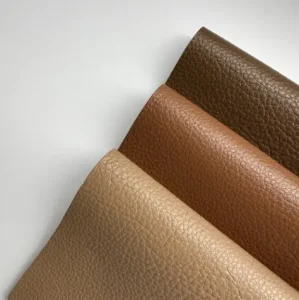
OEM Eco‑Friendly Sustainable Synthetic Leather-9078 Supplier, Suppliers
-
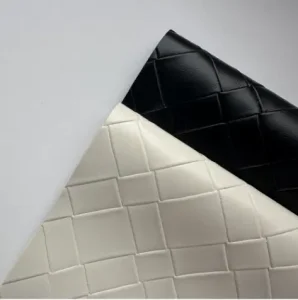
Custom Green Sustainable Man-Made Leather-9338 Manufacturers, Suppliers
-
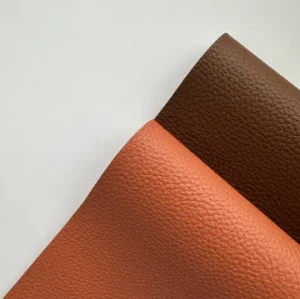
Custom Bio-Based Renewable Synthetic Leather-9109 Supplier, Factory
-
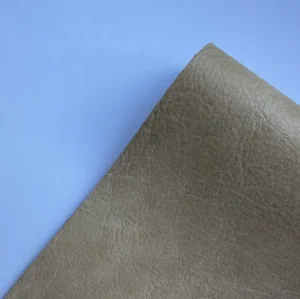
Wholesale Plant‑Origin Renewable Bio‑Based Synthetic Leather-9271 Manufacturer, Suppliers
-
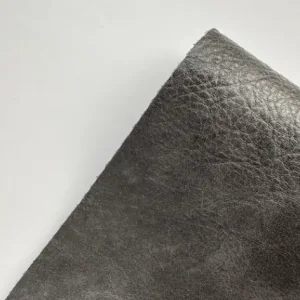
OEM RCS Qualified Recycled Eco-Friendly Synthetic Leather-9271 Supplier, Factory
-
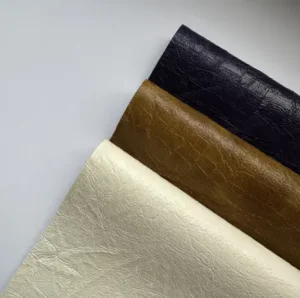
Wholesale Eco-Friendly Sustainable Synthetic Leather-9381 Factory, Factories
-
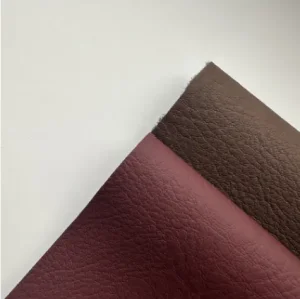
OEM RCS-Certified Traceable Recycled Synthetic Leather-9133 Manufacturer, Factory
-
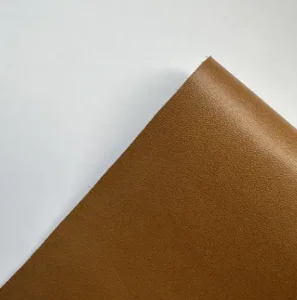
Custom Plant-Sourced Bio-Based Synthetic Leather-9164 Factory, Factories