
Featured Corn-Based & Bio-Circular Synthetic References
Explore our flagship plant-derived synthetic leather selections engineered for premium footwear, luggage, apparel, and technical seating. Fully customizable in grain, base fabric, thickness, and certified bio-carbon content.

Custom Plant-Derived Renewable Bio-Based Synthetic Leather-9081
View Specification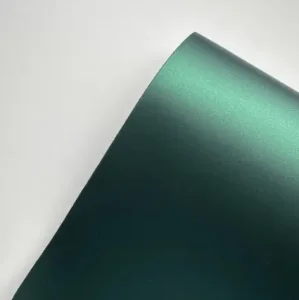
OEM High Bio-Content Plant-Based Synthetic Leather-1001
View Specification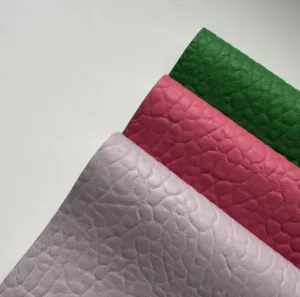
High-Quality Eco-Friendly Sustainable Synthetic Leather-9239
View Specification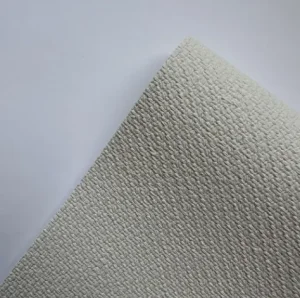
High-Quality Circular Recycled Synthetic Leather-9321
View Specification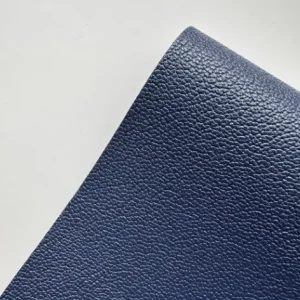
OEM RCS Certified Recycled Sustainable Synthetic Leather-9168
View Specification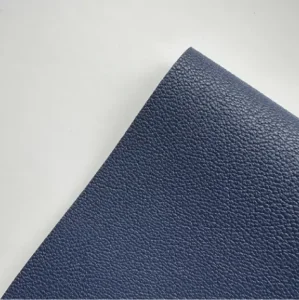
Wholesale Green Circular Synthetic Leather-9168
View Specification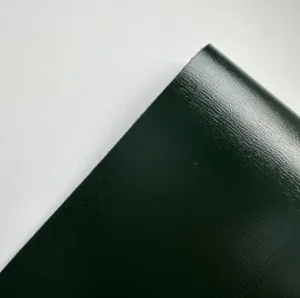
Wholesale RCS-Certified Traceable Recycled Synthetic Leather-0101
View Specification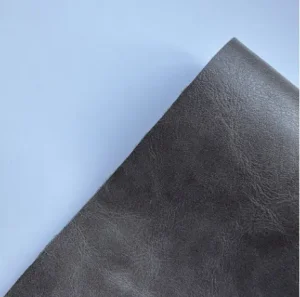
OEM RCS Verified Recycled Content Synthetic Leather-0084
View SpecificationThe Polymer Chemistry of Corn-Derived Bio-Polyurethane
The transition toward sustainable performance materials is no longer a superficial marketing narrative; it is an analytical imperative driven by macromolecular engineering. Conventional polyurethane (PU) and polyvinyl chloride (PVC) leathers rely predominantly on petrochemically synthesized polyether and polyester polyols derived from crude oil refining cracking streams. In contrast, custom corn-based leather relies on carbohydrate extraction from non-food or industrial-grade field dent corn starch. Through industrial enzymatic hydrolysis, starch macromolecules are cracked into high-purity dextrose syrups.
Dextrose is converted via metabolic fermentation utilizing engineered micro-organisms into bio-based 1,3-Propanediol (Bio-PDO). This plant-derived monomer replaces petroleum-derived 1,4-Butanediol (BDO) or ethylene glycol. When condensed with diacids, it produces 100% bio-based polyether or polyester polyols. These bio-polyols are subsequently polymerized with diisocyanates (such as MDI or HDI) to yield custom high-molecular-weight bio-polyurethane prepolymers exhibiting renewable bio-carbon content ranging from 25% to in excess of 75% under ASTM D6866 standard isotopic measurement.
Carbon Footprint Abatement
Corn crops fix atmospheric carbon dioxide through natural photosynthesis. Sourcing polyols from biological precursors reduces upstream cradle-to-gate cradle-to-polymer greenhouse gas emissions by up to 44% compared to virgin petrochemical PU, directly mitigating Scope 3 supply chain liabilities.
Hydrolytic Resilience
Unlike early iterations of biological plastics that degraded unpredictably, modern corn-based PU skin layers synthesized with aliphatic bio-diisocyanates achieve Jungle Test ratings exceeding 7 to 10 weeks (equivalent to 7-10 years of ambient tropical exposure) without embrittlement or micro-cracking.
Isotopic Carbon Verifiability
Greenwashing risks are eradicated via radiocarbon accelerator mass spectrometry (AMS). ASTM D6866 isotopic analytical protocols measure the exact ratio of active Carbon-14 (modern plant life) versus inactive Carbon-12 (fossil origin), empowering brands to claim USDA BioPreferred certifications with auditable confidence.
Why China Leads in Corn-Based Leather Manufacturing: The JiangXin Advantage
The international supply chain for sustainable textiles demands a balance of high chemical purity, cost parity with fossil materials, and monumental production scaling. China, specifically the advanced manufacturing cluster in Guangdong Province, has established the benchmark for custom bio-based synthetic leather factories. Where European or North American artisanal laboratories struggle to produce beyond pilot quantities, Chinese facilities have industrialized bio-polyol compounding directly on multi-meter roll-to-roll production lines.
Solar-Driven Clean Energy Footprint
Yingde City JiangXin New Material Co., Ltd. (JX.ECO) integrates a dedicated 4.68 MW rooftop photovoltaic solar system across its Yinghong Industrial Park campus. This eliminates thousands of metric tons of grid coal dependency annually, drastically driving down embodied energy per linear meter produced.
Zero-Solvent & Waterborne Lines
Unlike legacy synthetic factories that discharge DMF, toluene, and methyl ethyl ketone, our Guangdong production lines utilize solvent-free reactive polyurethane hot-melt extrusion and 100% waterborne PU dispersions (PUD), meeting the most rigorous zero-discharge municipal requirements.
Full-Chain Upstream Convergence
China maintains the world's most comprehensive industrial supply chain for agricultural starch refining, organic intermediate synthesis, and micro-denier textile knitting. This allows our factory to custom-compound bio-polyols and knit recycled PET backing fabrics on-site, passing vast economies of scale directly to OEMs.
Technical Benchmark: Corn Bio-PU vs. Conventional Synthetics & Animal Leather
Material specifiers and ESG compliance officers require empirical performance data rather than generalized environmental claims. The matrix below demonstrates how custom corn-based synthetic leather matches or surpasses traditional animal leather and petro-based PU/PVC across vital physical, chemical, and ecological parameters.
| Performance Characteristic | Corn-Based PU Leather (JiangXin) | Petrochemical PU Leather | PVC (Vinyl) Synthetic | Bovine Animal Leather | Fruit Waste Composites |
|---|---|---|---|---|---|
| Biobased Carbon Content (ASTM D6866) | 25% – 75%+ Certified | 0% (100% Fossil Origin) | 0% (100% Fossil Origin) | Natural Protein Matrix | 10% – 30% (Fillers only) |
| Cradle-to-Gate Carbon Footprint (kg CO2e/m²) | 3.2 – 4.8 | 8.5 – 12.0 | 14.0 – 19.5 | 35.0 – 110.0+ | 5.5 – 7.2 |
| Volatile Organic Compounds (VOCs) | Ultra-Low / Solvent-Free | Moderate to High (DMF/MEK) | Severe (Phthalate Plasticizers) | High (Tannery Chromium/Aldehydes) | Low to Moderate |
| Bally Flex Cycles (-10°C Cold Flex) | > 100,000 No Cracking | 50,000 – 80,000 Cycles | < 20,000 (Becomes Brittle) | > 100,000 Cycles | 25,000 – 40,000 (Delamination risk) |
| Jungle Test (Hydrolysis at 70°C, 95% RH) | 7 to 10+ Weeks | 3 to 5 Weeks | Chemical Degasification | Rotting / Putrefaction Risk | 2 to 4 Weeks |
| Cutting Yield & Roll Uniformity | 95% – 98% Usable Roll | 95% Usable Roll | 95% Usable Roll | 60% – 70% (Scarring/Neck Defects) | 75% – 85% (Surface Irregularities) |
| Commercial Cost Parity Scale | High Viability at Scale | Low Baseline Cost | Lowest Baseline Cost | Extremely Volatile / Premium | 300% – 500% Green Premium |
Cross-Sector Application Solutions for Global OEMs
Engineering corn-based synthetic leather requires tailored physical customization based on the target mechanical stress vectors of distinct product ecosystems. JiangXin's R&D laboratories engineer customized backing substrates, polyurethane skin formulations, and surface topcoats across five core global industries:
Automotive & Electric Vehicle Interiors
Meets strict DIN 75201 automotive fogging, ISO 105-B06 UV weathering, and low-VOC cabin thresholds. Delivers seating, door panels, and dashboard coverings with high cold-crack resistance (-30°C) and extreme tensile durability under cyclical heat fluctuations.
Performance Footwear & Sneaker Uppers
Formulated with micro-porous breathability, high tear strength, and elastic rebound. Supports high-frequency welding, ultrasonic stitching, seamless hot-melt cutting, and Bally flex tests surpassing 100,000 cycles for elite athletic and luxury fashion shoes.
Luxury Handbags & Haute Maroquinerie
Provides exquisite grain definition (including fine toothpick, box-calf, and pebble textures) paired with a rich, supple hand feel and natural grain break. Demonstrates superior dimensional stability and flawless edge-paint adhesion for structured luxury bags.
Apparel & Outerwear Collections
Engineered at thinner calipers (0.5mm – 0.8mm) with exceptional drape and fluid mobility. Resistant to dry-cleaning degradation and cracking, allowing high-end designers to replace animal skins with an authentically luxurious, cruelty-free bio-textile.
Consumer Tech & Wearable Accessories
Engineered with oleophobic anti-fouling coatings that prevent cosmetic staining and skin lipid discoloration. Ideal for smartphone cases, luxury smartwatch straps, laptop sleeves, and gaming headphone earcups requiring hypoallergenic skin safety.
Hospitality & Architectural Seating
Meets California TB117-2013 and BS 5852 Crib 5 flame-retardant standards. Features proprietary stain-resistant surface treatments that withstand 1:10 hospital-grade bleach sanitization without surface finish clouding or micro-pitting.
Navigating Global ESG Mandates: EU CSDDD, REACH, and Scope 3 Compliance
International enterprise procurement is navigating unprecedented legislative pressure. The enactment of the European Union's Corporate Sustainability Due Diligence Directive (CSDDD), the EU Deforestation Regulation (EUDR), and increasing mandatory Scope 3 corporate reporting under the IFRS S2 climate standard mean brands can no longer source materials from opaque supply chains or high-deforestation livestock operations. Custom corn-based leather provides a closed-loop, verifiable solution to maintain market entry across North America, the EU, and East Asia.
USDA BioPreferred Verification
Officially audited third-party biobased carbon measurement conforming to ASTM D6866. Enables brands to deploy verified consumer-facing labels reflecting accurate bio-percentages.
EU REACH & RoHS Clearance
Strict screening guarantees total absence of Substances of Very High Concern (SVHC). Formulations are 100% free of restricted phthalates (6P/16P-free), short-chain chlorinated paraffins, and azo dyes.
OEKO-TEX Standard 100 Class I
Tested for harmful heavy metals, formaldehyde, and pesticide residues. Class I certification qualifies our bio-synthetic leathers for intimate skin contact, including baby apparel and footwear.
Higg Index Facility Verification
JiangXin undergoes annual Higg FEM (Facility Environmental Module) and FSLM evaluations, providing documented transparency on energy, water recycling, air emissions, and fair labor practices.
Commercial Bio-Based, Upcycled & Traceable Recycled Series
Select from our extended commercial catalogue of audited plant-derived and RCS circular certified synthetic leather rolls. Engineered to streamline your brand’s transition away from virgin fossil polymers.
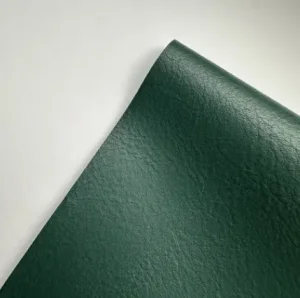
OEM Plant-Derived Bio-Based Synthetic Leather-9106
View Specification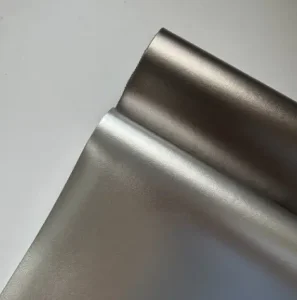
Wholesale Eco Plant-Based Renewable Synthetic Leather-2056
View Specification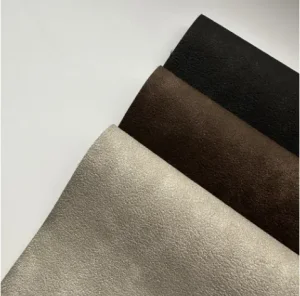
Custom Low-Impact Green Sustainable Synthetic Leather-0004
View Specification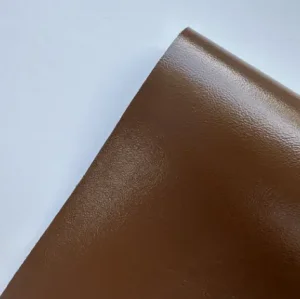
Wholesale Carbon-Reduced Eco Synthetic Leather-9113
View Specification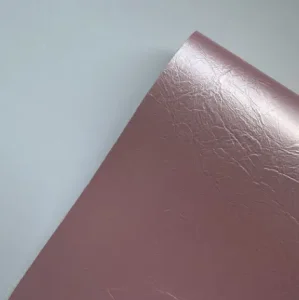
Custom Plant-Derived Bio-Based Synthetic Leather-0195
View Specification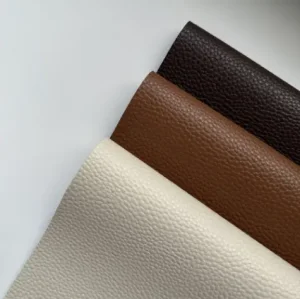
High-Quality Sustainably Upcycled Recycled Synthetic Leather-9027
View Specification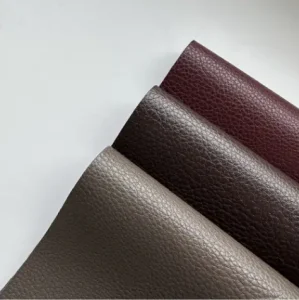
High-Quality Bio-Based Renewable Synthetic Leather -9078
View Specification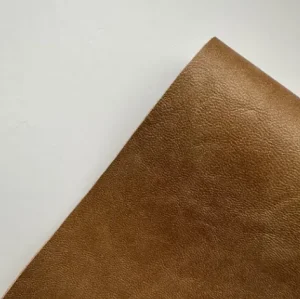
Custom Circular-Focused RCS-Verified Recycled Leather-0003
View SpecificationFrom Tech Pack to Container Shipment: The Engineering Process
Translating an industrial brand's digital tech pack into consistent, defect-free synthetic leather requires systematic lab-to-line phase gating. JiangXin deploys a standardized 5-tier technical progression:
Requirement Parameter Mapping
OEMs provide technical datasheets detailing target bio-carbon percentage, gauge thickness (0.5mm – 2.0mm), backing structure (recycled microfiber, RPET woven, or organic cotton fleece), and target color codes (Pantone / physical master swatch).
Pilot Lab Compounding
Our chemical engineers blend bio-polyols with selected bio-pigments and stabilizers in 5-meter sample runs. Grains are imparted using imported high-definition release papers to calibrate gloss levels and micro-textures.
Physical & Chemical Validation
Sample swatches undergo comprehensive internal laboratory stress testing: Martindale abrasion (ISO 12947), tear propagation (ISO 4674), Taber scratch resistance, and full RSL gas chromatography mass spectrometry (GC-MS) screening.
Bulk Industrial Run & Process Lock
Following brand approval of master swatches, the formulation viscosity, oven curing temperatures, line speeds, and tension controls are digitally locked into automated PLC lines across our 135,733 m² campus.
Continuous Optical QC & Dispatch
Every linear meter passes through high-speed automated machine-vision surface scanning to detect pinholes, color drift, or gauge deviations. Certified Transaction Certificates (TC) and ASTM D6866 audit reports accompany customs manifests.
Traceable Lifecycle Documentation
Full chain-of-custody documentation, life cycle assessments (LCA), and batch-level isotopic verification certificates are generated for enterprise brand carbon accounting and ESG stakeholder audits.
Frequently Asked Questions: Technical, Commercial & Compliance Inquiries
Engineered for brand materials directors, supply chain VPs, and sustainable development leads evaluating custom corn-based synthetic leather sourcing:
Does corn-based synthetic leather divert resources from the human food supply chain?
How is bio-based carbon content analytically distinguished from recycled petrochemical content?
Can corn-based synthetic leather achieve complete circularity or recyclability?
What are the minimum order quantities (MOQ) and production turnaround cycles?
How does corn leather withstand extreme environmental aging compared to PVC or bonded leather?
Can our brand order bio-leather that pairs with GRS or RCS certified backing fabrics?
Accelerate Your Brand's Transition to Bio-Polyol Synthetic Leather
Empower your designers and sourcing directors with audited material science. Contact JiangXin (JX.ECO) today to request our comprehensive 2026 Sustainable Swatch Collection, technical datasheets, LCA emissions profiles, and compliance certification packages.