
Engineered Bio-Based & RCS Certified Feedstock Solutions
Precision-calibrated substrate formulations ready for custom luxury purse manufacturing, clutch crafting, and bespoke vegan leather collections.
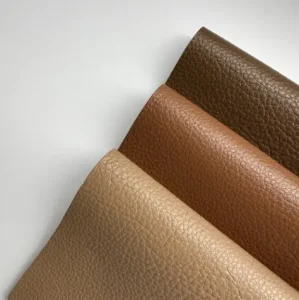
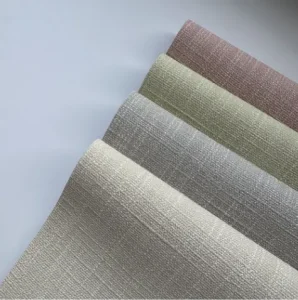
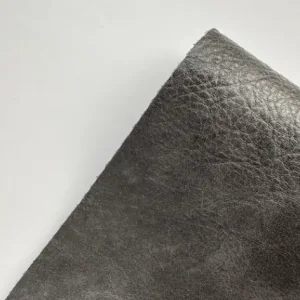
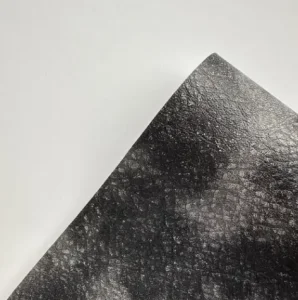
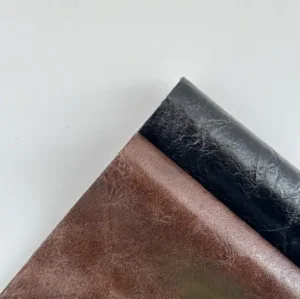
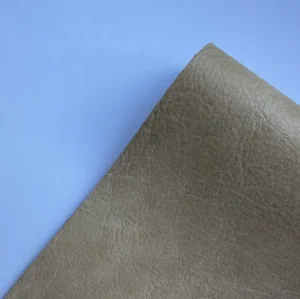
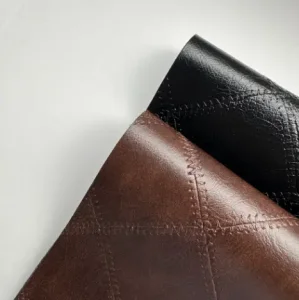
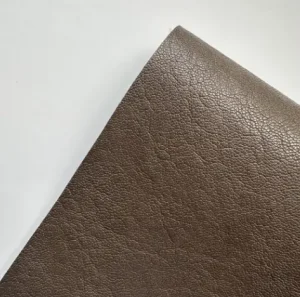
The Rise of Cactus Leather in Global Luxury Purse Manufacturing
Evaluating LCA carbon balance, agronomic efficiency, and regulatory compliance pushing the global fashion industry toward plant-based alternatives.
Empirical Comparison: Cactus Leather (Nopal-Derived) vs. Traditional Cattle Hide & Synthetic Polyurethane
Modern procurement officers at luxury fashion houses require defensible data rather than ambiguous marketing buzzwords. Traditional bovine leather carries extensive upstream agricultural water burdens, severe methane emissions, and hazardous trivalent/hexavalent chrome effluents. In contrast, bio-engineered cactus leather (derived from the renewable leaves of Opuntia ficus-indica) achieves dramatic lifecycle environmental gains.
| Lifecycle Parameter | Bovine Grain Leather | Standard Fossil PU | JiangXin Cactus Bio-Composite | Audited Benefit / Standard |
|---|---|---|---|---|
| Freshwater Consumption | ~17,000 L / m² | ~1,200 L / m² | < 180 L / m² | Rain-fed cactus xerophytic metabolism |
| Carbon Footprint (CO₂e) | ~110.0 kg / m² | ~15.8 kg / m² | ~4.2 kg / m² | USDA BioPreferred / ISO 14067 LCA |
| Organic Carbon Source | Animal hide (High ESG risk) | 0% (100% Fossil Petrochemicals) | 30% - 65% Certified Plant Matter | ASTM D6866 Radiocarbon Protocol |
| Hazardous Effluents | Chromium salts, sulfides | DMF, Toluenes, MEK solvents | Zero Solvent (Water-based / 100% Solvent-Free) | EU REACH SVHC & ZDHC Level 3 Compliant |
| Martindale Abrasion | > 50,000 revs | 20,000 - 40,000 revs | > 80,000 revs (Dry/Wet) | ISO 12947-2 Luxury Luxury Handbag Grade |
Corporate Scope 3 Targets
Global brands operating under SBTi (Science Based Targets initiative) and the EU Corporate Sustainability Due Diligence Directive are systematically replacing bovine skins with certified bio-polyols to curtail Scope 3 upstream emissions by up to 68%.
Structural Formability & Grain
Early-generation plant materials lacked structural integrity, leading to edge-creasing failures. JiangXin's modern multi-layer co-extrusion incorporates micro-fibrillated plant pulp with elastomeric matrices to duplicate buttery nappa touch and skiving tolerance.
Circularity & Zero Landfill
By blending renewable cactus biopolymer with recycled post-consumer PET backings certified by RCS (Recycled Claim Standard), our composite builds an end-to-end circular pipeline, completely bypassing hazardous petrochemical tanning pits.
China Factory 4.0: Engineering Agility, Clean Energy & Scale
Operating from our 135,733 m² solar-powered production park in Yingde, Guangdong, JiangXin fuses automated chemical reactors, AI defect inspection, and closed-loop heat recovery.
4.68 MW Rooftop PV Clean Energy
Our smart manufacturing campus is equipped with a high-yield 4.68 MW photovoltaic grid. Over 45% of daytime operational electricity is sourced straight from green solar, reducing embodied carbon index per square meter of purse material.
Integrated Polyol-to-Purse Chain
We do not broker materials. We synthesize plant polyols, compound waterborne finishes, laminate backing fibers, and execute CNC-knife cutting in-house. This cuts tier markup and trims OEM sample turnaround to 5-7 business days.
AI Optical Defect Inspection
High-resolution line-scan machine vision systems inspect roll outputs in real time, detecting micro-bubbles, pinholes, or surface caliper variations down to 0.05mm. Handbag pattern yield is secured before rolls ever reach shipping containers.
Specialized Applications in Luxury Bags & Small Leather Goods (SLG)
Calibrated tensile tolerances, split-tear thresholds, and temperature resistance designed for precise artisanal cutting, skiving, edge-painting, and high-frequency embossing.
Structured Luxury Purses & Totes
Formulated with resilient, high-density micro-scaffold cores (1.0mm - 1.4mm thickness) offering high flex endurance (>100,000 cycles via Bally Flexometer at -10°C). Perfect for tote bags, satchels, and architectural silhouettes requiring crisp corner retention without sagging.
Minimalist Crossbody & Camera Bags
Engineered for lightweight daily wear with waterborne anti-fouling coatings that repel cosmetic oils, denim dye transfer, and beverage spills. Provides remarkable seam-splitting resistance (>45 N/mm) along zip-lines, D-ring loops, and shoulder strap anchor anchors.
SLG Wallets, Cardholders & Clutches
Micro-calibrated thin gauges (0.6mm - 0.8mm) suited for tight French seam folds and high-temperature thermal edge-finishing. Non-fraying edge composition ensures clean skiving, flawless mechanical bonding, and zero delamination under frequent hand-contact friction.
Technical & Procurement FAQ for Luxury Purse Brands
Direct technical clarifications on minimum order quantities, testing protocols, custom tooling, and chain-of-custody documentation.
How does JiangXin substantiate cactus and bio-based content claims?
Bio-based composition is not a vague self-declaration. We conduct third-party radiocarbon isotope analysis under ASTM D6866 protocols to determine the precise percentage of contemporary biological carbon versus fossil feedstock. Our materials qualify for USDA BioPreferred certification labeling, and verified test reports are supplied directly to brand compliance officers.
Can cactus leather withstand edge-inking and skiving in automated purse lines?
Yes. Many first-generation bio-materials delaminate when subjected to edge-grinding and hot edge-inking machinery. JiangXin's proprietary interlock backing matrix and homogeneous binder chemistry provide high structural cohesion, allowing edge-painting machines, skivers, and CNC stitchers to operate at standard industrial speeds without edge fuzzing or fiber separation.
What is the production MOQ for custom handbag Pantone shades and grains?
For custom developmental sampling, trial yardage swatches can be produced from 30 to 50 linear meters. For bulk roll manufacturing matching custom Pantone TCX formulations and custom embossing roller grains (e.g., saffiano, pebble, toothpick, smooth nappa), our standard minimum production run is 500 linear meters per colorway.
Are transaction certificates available for recycled backing components?
Absolutely. Whenever an order incorporates our RCS (Recycled Claim Standard) or GRS (Global Recycled Standard) verified post-consumer recycled polyester/microfiber backings, our compliance department issues official Transaction Certificates (TC) through accredited certification bodies, assuring end-to-end chain-of-custody defensibility.
Does the purse material emit odors or volatiles over long ocean shipments?
No. Standard low-end PVC and solvent PU release lingering petroleum or amine odors during long storage. JiangXin uses 100% solvent-free and water-based crosslinkers, completely eliminating DMFa, toluene, phthalates, and formaldehyde. The material passes strict VDA 270 automotive-grade odor ratings and REACH SVHC screenings.
How does hydrolysis resistance compare to conventional artificial leather?
Our bio-polyol formulation is synthesized with stable polycarbonate polyols that resist microbial and moisture attack. In standard jungle accelerated-aging chambers (70°C and 95% relative humidity), our purse materials easily exceed 7 to 10 weeks of continuous hydrolysis resistance without surface peeling, cracking, or softening.
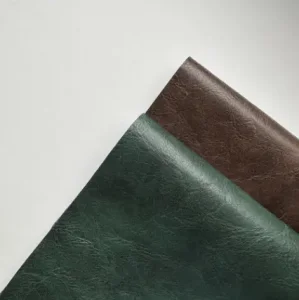
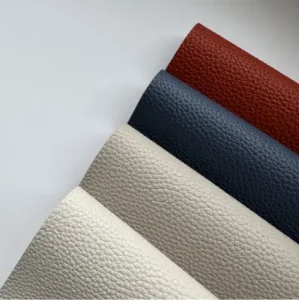
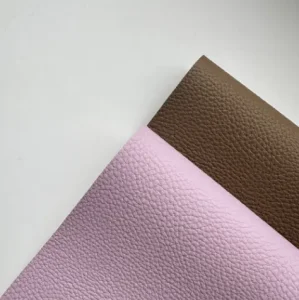
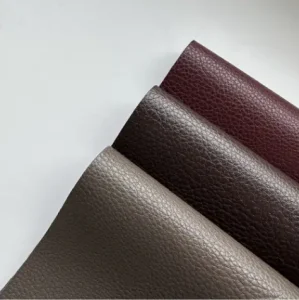
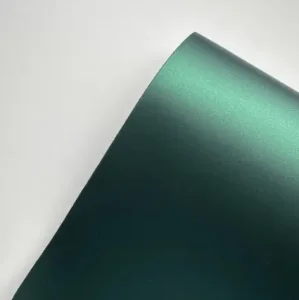
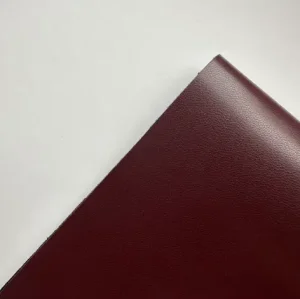
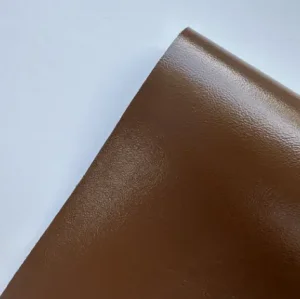
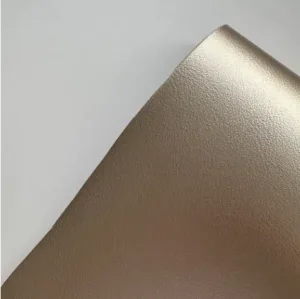
Sustainable Leather Catalogue for Handbag Designers
Explore our verified vegan composite catalog articles. All references support bespoke surface embossing, custom tensile tuning, and certified low-carbon packaging.
Partner with an Audited Leader in Cactus & Biobased Synthetics
Accelerate your sustainable product releases with audited material formulations, laboratory test dossiers, and stable global freight corridors directly from Yingde, Guangdong.