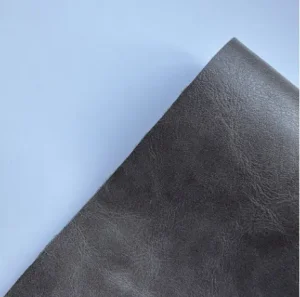
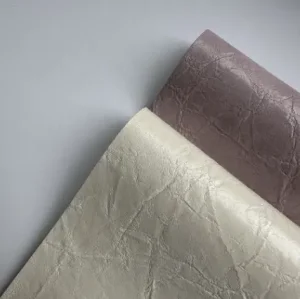
San Francisco Eco-Design Baseline Selections
Verified Recycled Claim Standard (RCS) engineering designed for Bay Area apparel prototypes, circular luxury leathergoods, and carbon-optimized industrial applications.
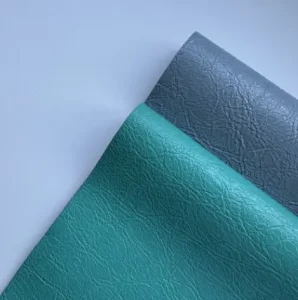
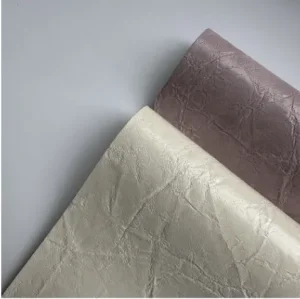
The San Francisco Commercial Landscape for Recycled Polymer Materials
Analyzing high-altitude procurement demands across the Bay Area's tech hardware, sustainable luxury apparel, and clean mobility ecosystems.
The San Francisco Bay Area operates under some of the most rigorous environmental consumer scrutiny and progressive regulatory frameworks globally. With California's Senate Bill 54 (Plastic Pollution Prevention and Packaging Producer Responsibility Act), expanding green public procurement guidelines, and stringent zero-waste mandates across San Francisco and Silicon Valley municipalities, tier-1 enterprises and disruptive D2C startups can no longer rely on unverified "eco-friendly" assertions. In this discerning market, material pedigree must be ironclad, auditable, and quantifiable.
Furthermore, the confluence of Silicon Valley consumer hardware giants and high-end automotive design studios in the greater Bay Area has established intense competition for next-generation tactile materials. Device protective enclosures, wearable straps, cleanroom interior accents, and next-gen electric vehicle (EV) cabin surfaces now systematically demand RCS-certified recycled polyester (rPET) or post-industrial recycled polyurethane matrix backings that provide the luxurious drape of nappa leather while significantly reducing virgin fossil fuel extraction.
Global Enterprise Procurement Demands: Beyond Surface Aesthetics
Enterprise sourcing teams navigate multi-layered chemical safety mandates, lifecycle analysis (LCA), and verifiable third-party certification frameworks.
RCS Chain-of-Custody Integrity
Textile Exchange Recycled Claim Standard (RCS) protocols ensure strict raw material verification from feedstocks through final shipment. Sourcing directors obtain verifiable Transaction Certificates (TCs) for every single production batch.
Zero-VOC & Water-Based PU
Eliminating N-Methyl-2-pyrrolidone (NMP), Dimethylformamide (DMFa), and hazardous plasticizers. Formulations guarantee zero solvent outgassing, satisfying strict indoor air-quality criteria and California Prop 65 warning exemptions.
Mechanical & Wear Endurance
Performance without compromise: Martindale abrasion resistance exceeding 100,000 cycles, Bally flex endurance over 100,000 flexes at -10°C, high UV discoloration resistance (Grade 4.5+), and superior peel adhesion strength for rigorous usage cycles.
Engineering Macro-Industrial Solutions for Modern Circularity
Bridging chemical synthesis and consumer durability through a clean-tech industrial campus designed for large-scale, high-consistency bulk output.
Achieving true circularity within the synthetic leather sector requires addressing systemic inefficiencies at the chemical foundation. Traditional artificial leather relies heavily on virgin petroleum-derived polyols and solvent-heavy carrier liquids that contribute to substantial atmospheric emissions and industrial waste effluents. JiangXin New Material resolves this fundamental conflict through a vertically integrated, clean-technology manufacturing facility spanning 135,733 m² in Guangdong, China.
Our infrastructure operates on a closed-loop solvent recovery matrix featuring modern condensing systems and advanced heat exchangers, coupled with a 4.68 MW rooftop photovoltaic array that offsets significant operational energy loads. In parallel, our chemical laboratories have standardized RCS-certified recycled synthetic formulations that blend post-consumer recycled PET microfiber substrates with waterborne polyurethane coatings. This hybrid architecture delivers a tactile, breathable surface grain that meets the exacting sensory benchmarks of San Francisco luxury designers while cutting carbon output at scale.
Technology Roadmap: The Future of Circular Polyurethanes (2025–2030)
A systematic technical evolution toward mono-material recyclability, bio-circular carbon blending, and AI-assisted precision coating.
RCS rPET Hybridization
Integration of 30% to 70% RCS-certified recycled yarn backings combined with solvent-free PU skin layers for immediate Scope 3 emissions abatement.
Biobased Polyol Synergy
Merging plant-based renewable agricultural polyols (corn, castor, sugarcane) with RCS recycled backings, validated via radiocarbon ASTM D6866 analysis.
Mono-Material Synthesis
Developing 100% polyurethane-based mono-structures (PU skin on 100% recycled PU microfiber backing) to achieve true chemical end-of-life depolymerization.
Digital Product Passport (DPP)
Full RFID and blockchain-embedded roll tracking, providing San Francisco and EU enterprise buyers instantaneous tracing from monomer feedstock to finished cut roll.
Localized Support & California Compliance Assurance
Custom-engineered protocols addressing the specific legislative, logistical, and technical requirements of West Coast procurement pipelines.
California Prop 65 Verification
Every synthetic leather roll is formulated, screened, and validated by SGS/Intertek to ensure complete absence of regulated phthalates (6P/8P free), lead, BPA, and heavy metals, safeguarding your brand against litigation.
Port of Oakland Direct Ingestion
Direct shipping corridors connecting Shenzhen and Guangzhou seaports to the Port of Oakland ensure prompt, seamless customs ingress for Bay Area distributors, contract cut-and-sew factories, and distribution hubs.
Rapid Silicon Valley Prototyping
Accelerated air-freight swatch kits and custom master roll sampling delivered within 7 to 10 business days directly to San Francisco, South San Francisco, and San Jose design labs for instant hardware integration testing.
Frequently Asked Questions: RCS Certified Procurement
Comprehensive answers addressing technical verifications, minimum order requirements, and compliance standards for North American sourcing professionals.
What specifically distinguishes RCS certification from GRS (Global Recycled Standard)? ▼
How does JiangXin ensure compliance with California Proposition 65? ▼
What are the typical Minimum Order Quantities (MOQs) and lead times for San Francisco buyers? ▼
Can the recycled backing material be customized for specific mechanical flex and tensile tolerances? ▼
Are Transaction Certificates (TCs) provided with each commercial shipment? ▼
Wholesale RCS-Certified Material References
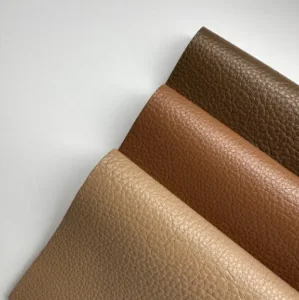
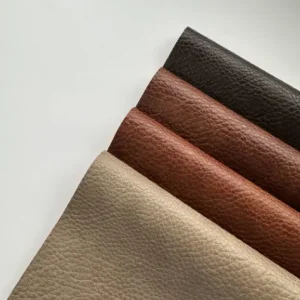
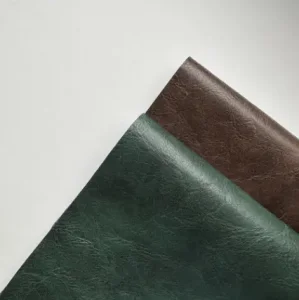
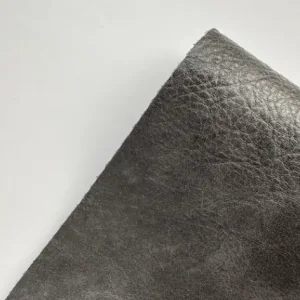
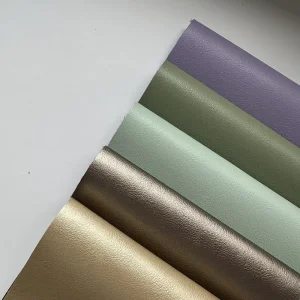
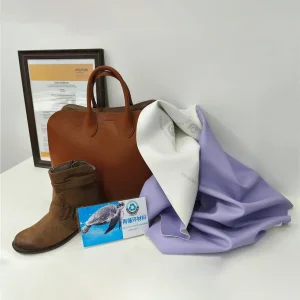
Explore our core certified synthetic leather catalog, customizable by grain, color, thickness, and substrate for San Francisco and international brand programs.