
E-E-A-T Certified Supply Chain Architecture for Kansai Region
As Osaka prepares for international leadership through ESG initiatives and the Expo 2025 sustainability roadmap, our enterprise-grade manufacturing infrastructure guarantees full chain-of-custody compliance and verifiable environmental footprint reduction.
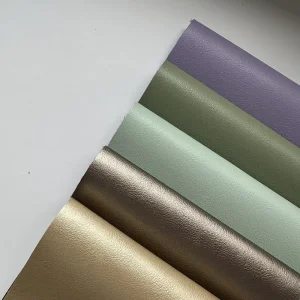
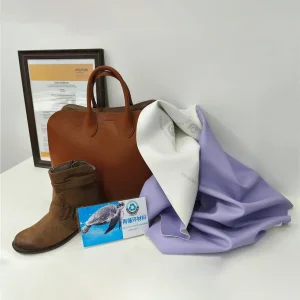
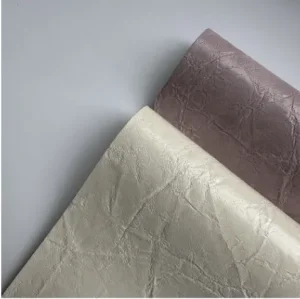
RCS-Certified Core Synthetic Leathers
Engineered for immediate integration into Osaka fashion lines, footwear manufacturing, and upholstery projects requiring official certification.

Osaka’s Industrial Transition: Sustainable Leather Demands in Kansai Region
Osaka has long served as Japan’s commercial heartland, driving innovation across apparel manufacturing, automotive interiors, sporting goods, and high-tech textile conversions. Historically anchored by the historic Senshu and Semboku textile zones and the retail clusters of Shinsaibashi and Umeda, Osaka’s industrial supply chain is currently undergoing a massive structural shift. Driven by Japan’s national carbon neutrality targets for 2050 and the immediate pressures surrounding Osaka Expo 2025, Kansai-based enterprises are aggressively replacing conventional petrochemical polyurethanes with fully audited, Recycled Claim Standard (RCS) certified synthetic leathers.
Unlike standard synthetic materials, RCS certification provides a rigorous chain-of-custody framework managed by Textile Exchange. For Osaka-based brands exporting to European, North American, and Asian markets, proving material traceability is no longer optional—it is a critical barrier to entry. Our Guangdong-based clean-tech manufacturing campus supplies Osaka’s leading Tier-1 suppliers, OEM brand managers, and design studios with direct access to wholesale RCS-certified PU materials that combine low environmental impact with superior mechanical performance.
Expo 2025 Alignment
Meeting strict Scope 3 decarbonization mandates enforced by Kansai corporate standards ahead of global showcases.
Full Traceability
Official Transaction Certificates (TC) provided for every bulk shipment arriving at Port of Osaka (Nanko Port).
Wholesale Economy
Direct factory pricing eliminates intermediary trading house markups for Osaka procurement teams.
Technical Architecture: How RCS Recycled Synthetic Leather is Manufactured
To deliver true "Information Gain" to supply chain developers, it is vital to examine the material composition of RCS-certified artificial leather. Traditional PU leathers rely entirely on virgin petroleum-derived polyols and solvent-heavy dimethylformamide (DMF) processes. Our advanced production route replaces these elements through a multi-tiered sustainability matrix:
1. Recycled Substrate Backing: The mechanical backbone of our synthetic leather utilizes post-consumer recycled polyethylene terephthalate (rPET) fibers sourced from ocean plastics and discarded beverage bottles, or post-industrial recycled leather fiber matrix. This achieves 30% to 80% total recycled content per square meter.
2. Waterborne & Solvent-Free PU Systems: The surface coating eliminates toxic VOCs and DMF, employing 100% waterborne polyurethane (WBPU) dispersion technology. This ensures zero chemical off-gassing, complying strictly with Japanese Ministry of Economy, Trade and Industry (METI) chemical safety guidelines.
3. Bio-Polyol Integration: Organic carbon content is enriched via plant-derived bio-polyols (derived from non-edible agricultural waste), reducing dependency on fossil resources while maintaining exceptional tactile softness, scratch resistance, and flex endurance exceeding JIS L 1096 standards.
Macro Solutions for International & Osaka Enterprise Buyers
Bridging regional Japanese quality expectations with global sustainability standards through integrated chemical engineering.
Compliance Landscape: EU REACH, RoHS, 6P Free, and JIS Testing
Global brand procurement managers operating out of Osaka face an increasingly complex matrix of regional and international compliance regulations. A single failure in chemical compliance can lead to costly customs holds at Port of Osaka or devastating brand damage. Our RCS-certified product range is engineered from the molecule up to clear every major international Restricted Substance List (RSL).
Every production roll shipped to Kansai undergoes rigorous testing in accredited laboratory facilities. Key compliance benchmarks guaranteed by our factory include:
- EU REACH SVHC Compliance: Free from Substances of Very High Concern, including phthalates, organotins, and heavy metals.
- 6P & 16P Phthalate-Free Standard: Specially formulated for childrenwear, footwear, and close-skin contact accessories marketed in Japan and North America.
- Japanese Industrial Standards (JIS) Validation: Tested for color fastness to rubbing (JIS L 0849), tensile strength (JIS L 1096), and hydrolytic resistance (JIS K 6550 10-year tropical chamber simulation).
- Zero DMF / Solvent-Free Certification: Ensuring working environments in Osaka cutting and sewing facilities remain free from hazardous organic vapors.
Customization Architecture for Custom OEM/ODM Orders
Standardization does not mean compromise. Osaka design directors require tailored aesthetics—ranging from ultra-fine calfskin grain, classic toothpick emboss patterns, vintage oil-wax finishes, to high-tech matte microfibers. Our factory provides end-to-end OEM customization:
Thickness Calibration
Ranging from 0.5mm lightweight apparel PU to 2.0mm heavy-duty structural leather for bags and upholstery.
Backing Fabric Options
Choice of rPET woven, recycled microfiber suede, elastic knits, or non-woven biobased fleece backings.
Performance Enhancements
Custom flame retardancy (BS5852 / CAL 117), anti-bacterial coatings, and extreme cold-crack resistance (-20°C).
Localized Support & Frictionless Trade to Kansai
Optimized logistics corridor connecting our Guangdong production hub directly to Osaka buyers.
Speed-to-market is the decisive competitive edge in Osaka’s fast-paced commercial environment. To support seamless procurement for Japanese manufacturers, our supply chain is optimized for rapid dispatch and localized customer support:
48-Hour Swatch Dispatch to Osaka: We maintain a comprehensive physical swatch library formatted specifically for Japanese design tech packs. Sample books containing RCS-certified PU textures, biobased swatches, and color palettes are dispatched via express air freight to Osaka, Tokyo, and Kobe within 48 hours of request.
Direct Port-to-Port Freight Corridors: Utilizing direct maritime freight routes from Nansha/Shenzhen ports to Osaka Nanko Port, bulk transit times are compressed to just 4 to 6 days. This enables Kansai manufacturers to operate lean, agile inventory models without maintaining massive warehouse buffer stock.
Transaction Certificate (TC) Streamlining: Our dedicated export compliance department handles all Textile Exchange TC applications concurrently with shipment departure. When your container docks at Osaka Port, all official RCS 2.0 / 3.0 chain-of-custody documentation is ready for customs clearance and internal ESG auditing.
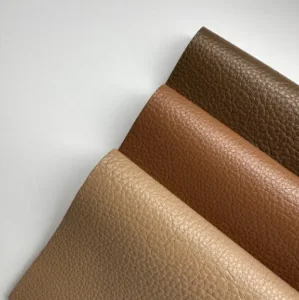
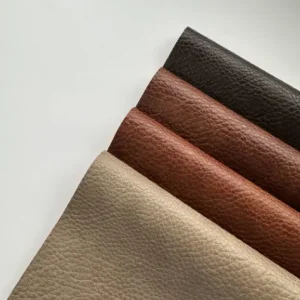
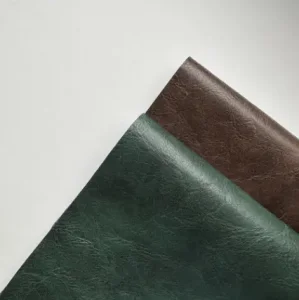
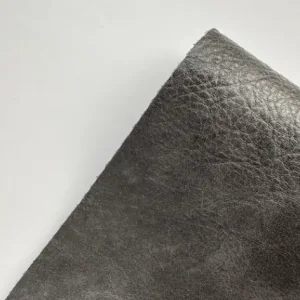
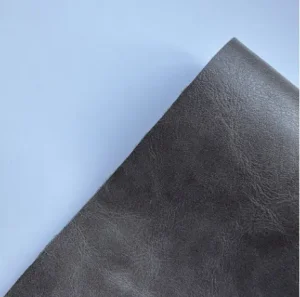
Complete RCS-Certified Synthetic Leather Catalog
Select from our specialized references below. Every article can be customized in color, backing, and surface emboss for Osaka market applications.


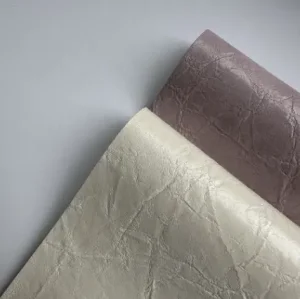
Future Technology Roadmap: Next-Gen Sustainable Surfaces
How our research lab is pioneering the next phase of eco-friendly synthetic leather materials.
Phase 1: Bio-Recycled Hybrids
Combining 50%+ rPET recycled substrate backings with 40%+ bio-based polyols to achieve over 90% non-fossil total carbon weight.
Phase 2: Closed-Loop PU Recycling
Pioneering chemical depolymerization processes to recycle end-of-life synthetic leather scraps directly back into raw PU resins.
Phase 3: Zero-VOC Carbon Negative
Integrating direct carbon capture mineral additives into waterborne topcoats to create carbon-negative synthetic leather rolls for Kansai automotive OEMs.
Frequently Asked Questions for Osaka & Kansai Buyers
Detailed technical answers from our engineering and export compliance team.
Accelerate Your Osaka Sustainable Procurement Today
Partner with a direct clean-tech manufacturer. Request free RCS-certified swatch books, technical data sheets, and competitive wholesale pricing tailored for the Kansai region.
Send Inquiry Now