
Flagship RCS-Certified Recycled Leather for Japanese Industrial Applications
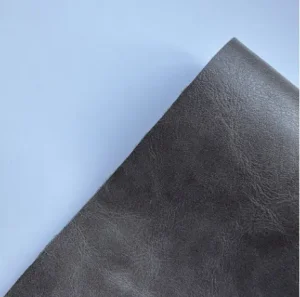
Engineered to satisfy stringent Japanese Industrial Standards (JIS K 6772 and JIS L 1096), these four high-durability synthetic leather series feature authenticated post-consumer recycled (PCR) polyesters and solvent-free PU layers ready for immediate export batching.
-
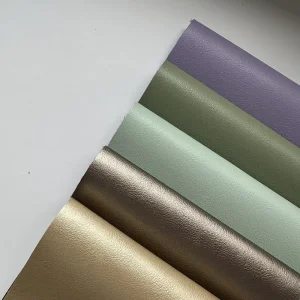
RCS CoC Traceable
-
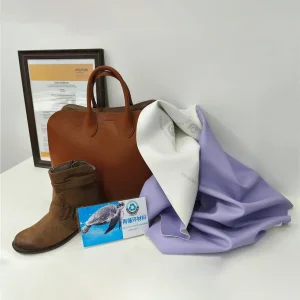
JIS Abrasion Grade 4+
-
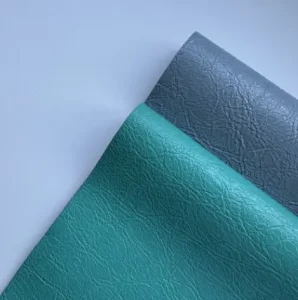
Ultra-Matte Grain
-
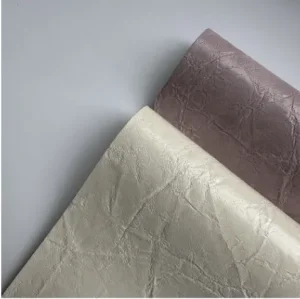
High Cold-Flex Resistance
RCS-Certified Synthetic Materials: Transforming Japan's Industrial & Consumer Sectors
An in-depth regulatory and supply-chain analysis of how Japan’s Carbon Neutral 2050 mandate, Keidanren circular guidelines, and corporate ESG commitments are redefining B2B procurement of synthetic polymers.
Japan's Circular Economy Mandates: METI Guidelines & Green Purchasing Law
The Ministry of Economy, Trade and Industry (METI) of Japan has set rigorous benchmarks through the Circular Economy Vision 2020 and updated 2024 industrial transformation roadmaps. Under Japan's Act on Promoting Green Procurement (国等による環境物品等の調達の推進等に関する法律), central government entities, municipal agencies, and leading Tier-1 public transport operators are legally mandated to prioritize materials certified for quantified recycled content and verified chemical safety.
Traditional PVC and solvent-borne polyurethane leathers are encountering rapid procurement disqualification across Japanese supply chains due to residual dimethylformamide (DMFa), phthalates, and non-traceable fossil origins. Sourcing teams within Japan's renowned Sogo Shosha (general trading companies)—including Mitsubishi Corporation, Itochu, Marubeni, and Mitsui & Co.—are methodically substituting legacy materials with Recycled Claim Standard (RCS) and Global Recycled Standard (GRS) certified substrates.
Our manufacturing facility in Guangdong provides Japanese buying offices with the rigorous third-party Scope Certificates (SC) and shipment-by-shipment Transaction Certificates (TC) issued by international certification bodies. This ensures seamless pass-through auditability, shielding Japanese domestic brand owners from greenwashing liabilities under the Consumer Affairs Agency's strict guidelines on environmental labeling.
The Japanese "Monozukuri" Expectation
Sourcing managers in Tokyo, Osaka, and Nagoya distinguish themselves through an uncompromising adherence to craftsmanship, aesthetic subtlety, and sensory perfection (Shokkan - 手触り・触感).
Eco-materials must replicate or exceed virgin calfskin drape, possess impeccable edge-creasing performance, and withstand the extreme humidity swings of the Japanese monsoon (Tsuyu) without blistering or hydrolyzing.
- Hydrolysis Resistance: 5–10 years Jungle Test performance (70°C, 95% RH).
- Sensory Precision: Ultra-low gloss (below 2.0 GU) matte tactile coatings.
- Zero Olfactory Disturbance: Odor index ratings ≤ Grade 2 under Japanese automotive testing standards.
Macro-Industrial Solutions Engineered for Stringent Japanese OEM Standards
Combining green polymer synthesis with state-of-the-art clean-tech coating lines to deliver drop-in replacements for virgin leather across automotive, electronics, luxury packaging, and lifestyle footwear.
Solvent-Free & Waterborne PU Technology
Traditional coagulated synthetic leathers rely heavily on DMFa solvents, banned or heavily restricted under EU REACH and strictly monitored by Japanese corporate purchasing protocols. Our specialized dry-transfer and waterborne polyurethane (WPU) coating technology completely eliminates dimethylformamide, methyl ethyl ketone (MEK), and toluene from the production cycle.
The resulting composite yields an ultra-breathable, porous microstructure with high tensile elasticity, achieving VOC test results well below Japanese Ministry of Health, Labour and Welfare (MHLW) indoor air quality thresholds.
100% Post-Consumer Recycled (PCR) Backing Substrates
A synthetic leather's physical integrity and circularity rating heavily depend on its backing fleece or microfiber base. Through certified RCS chain-of-custody pipelines, our factory utilizes high-tenacity recycled polyester (rPET) derived from post-consumer beverage bottles and reclaimed industrial textile waste.
We offer ultra-fine recycled microfibers (sea-island construction), circular woven fabrics, and brushed circular knits that grant identical tear-propagation thresholds (JIS L 1096 Method D) to prime virgin fibers while cutting embodied carbon footprints by up to 58%.
Full Regulatory Alignment: JIS, ChemSHERPA & REACH
Global brand onboarding requires bulletproof technical dossiers. Our dedicated QA export laboratory tests every production lot against the Japan Industrial Standard (JIS) testing suite:
- JIS K 6772: Synthetic leather flex cracking resistance (exceeding 150,000 cycles at 20°C and 30,000 cycles at -10°C).
- JIS L 1096: Tensile strength, elongation, and peel adhesive strength.
- Oeko-Tex Standard 100 Class I & II: Ensuring skin-safe contact for apparel, baby accessories, and wearable consumer tech covers.
Technical Comparison: RCS Recycled PU vs. Conventional Synthetic Leather
| Performance Metric | JiangXin RCS-Certified Recycled PU | Standard Commercial PU Leather | Traditional PVC Faux Leather | Compliance Verification Method |
|---|---|---|---|---|
| Certified Recycled Content | 20% – 75% Post-Consumer Recycled | 0% (Virgin Petrochemical) | 0% (Fossil Feedstock) | Textile Exchange RCS / GRS TC Verification |
| Hazardous Solvents (DMFa / Toluene) | Zero Detected (< 2 ppm) / Solvent-Free | 30 – 150 ppm (Wet process residuals) | High Plasticizer Migration Risks | GC-MS Analysis / ChemSHERPA Declaration |
| Carbon Footprint Reduction | 42% – 58% Lower CO₂ Equivalent | Standard Baseline (High embodied energy) | Intense Chlorine & Petroleum Baseline | LCA / Higg Facility Environmental Module (FEM) |
| Jungle Test Hydrolysis Resistance | 5 to 10 Years (Polycarbonate / Polyether base) | 2 to 3 Years (Polyester polyol degradation) | Prone to surface plasticizer embrittlement | JIS K 6772 Accelerated Aging (70°C, 95% RH) |
| Martindale Abrasion Endurance | > 100,000 Rubs (Dry) / > 50,000 (Wet) | 30,000 – 50,000 Rubs | 40,000 Rubs (Surface cracks easily) | ISO 12947-2 / JIS L 1096 |
| Cold Crack Resistance (Sub-Zero) | -25°C to -35°C No Cracking | -10°C Failure Threshold | -5°C Rigid Embrittlement | Bally Flexometer Cryogenic Chamber |
Meeting the Demands of Key Japanese Manufacturing Hubs
From the high-tech automotive belts of Aichi Prefecture to the bespoke fashion houses of Tokyo and luxury bag artisans in Toyooka, our supply chain is mapped directly to Japan’s regional industrial clusters.
Greater Nagoya (Chubu) Automotive Interiors
Supplying Tier-1 and Tier-2 automotive interior molders in Aichi and Shizuoka prefectures. Modern Japanese EV and hybrid programs require ultra-lightweight, flame-retardant (FMVSS 302 and JIS D 1201), low-fogging synthetic leathers for seating, dashboard skins, and steering wraps.
Our RCS-certified automotive series provides verifiable scope reduction for corporate Scope 3 greenhouse gas reports, delivering stain resistance and anti-squeak coatings vital for quiet EV cabins.
Kanto Lifestyle Retail, Footwear & Consumer Tech
Serving prime apparel conglomerates, lifestyle retailers, and consumer electronics device OEMs headquartered in Tokyo and Kanagawa. We supply high-end, cruelty-free vegan leathers that marry supple draping with scuff-proof durability.
Tailored specifically for smartphone cases, tablet folios, premium footwear uppers, and luggage lines that command prime shelf space across Shibuya, Ginza, and nationwide retail chains.
Kansai Commercial Interiors & Specialized Bags
Partnering with contract furniture suppliers in Osaka and historic bag-making guilds in Toyooka (Hyogo Prefecture). Demands in these sectors center on anti-microbial treatments (JIS Z 2801), high stain release against alcohol sanitizers, and immaculate seam skiving characteristics.
Our RCS leather collections enable traditional craftsmen to transition seamlessly to circular feedstocks without modifying legacy high-frequency welding or automated CNC cutting machinery.
135,733 m² Solar-Powered Manufacturing Facility in Yingde, Guangdong
A modernized, zero-compromise manufacturing ecosystem operating under strict environmental governance, engineered to ensure stability, continuous batch consistency, and low-carbon delivery to Japanese logistics corridors.
Decarbonized Manufacturing Infrastructure
Commissioned in June 2017, the JiangXin New Material campus was master-planned under green chemistry and energy-efficient architecture principles. Equipped with a 4.68 MW rooftop photovoltaic array, the facility self-generates substantial clean kilowatt-hours directly into the production grid, substantially lowering the Scope 2 emissions embedded in each roll of synthetic leather.
The workshops feature high-bay tempered glass envelopes maximizing natural daylight, alongside closed-loop heat exchanger recovery units that capture and re-inject thermal exhaust back into curing tunnels. An advanced biological and membrane-bioreactor (MBR) wastewater treatment center purifies process water on-site, enabling high-rate recycling and full compliance with state and municipal zero-discharge mandates.
Fast-Track Logistics to Japan
Strategically located near major Pearl River Delta container ports (Guangzhou Nansha and Shenzhen Yantian), we maintain expedited maritime routes directly into major Japanese ocean hubs:
- Port of Tokyo / Yokohama: 4 – 6 days direct ocean transit.
- Port of Osaka / Kobe: 3 – 5 days transit.
- Port of Nagoya: 4 – 5 days transit.
- Expedited Airfreight: 24-to-48-hour prototype and color lab dip delivery to Narita and Kansai International Airports via DHL/FedEx.
Material Innovation Roadmap: Toward Next-Generation Bio-Circular Polymers
Continuous investment in cutting-edge polymer research to help multinational brands anticipate emerging carbon border adjustments, digital product passport (DPP) regulations, and closed-loop recyclability targets.
RCS & GRS Mass-Scale Traceability
Full commercial supply of 20% to 75% PCR backing fabrics and solvent-free PU skin coatings, supported by batch-specific Transaction Certificates (TC) and ChemSHERPA chemical profiles.
Biobased Polyol Hybridization
Synthesizing corn-derived and industrial agricultural byproduct polyols (USDA BioPreferred verified under ASTM D6866), achieving 30% to 65% biobased carbon content without sacrificing mechanical tear resistance.
Direct Chemical Closed-Loop Depolymerization
Developing monomaterial thermoplastic polyurethane (TPU) synthetic leathers where skin, foam, and substrate share identical polymer chemistry, allowing 100% mechanical re-granulation at end-of-life.
Digital Product Passport (DPP) Integration
Embedding decentralized cryptographic QR identifiers into roll selvedges, detailing origin, chemical inputs, recycled content, and cradle-to-gate LCA footprints for instant smartphone scanning.
Frequently Asked Questions by Japanese Procurement Teams
Detailed technical, compliance, and logistical clarifications for factory audits, sample dispatch, and bulk order fulfillment.
What is the distinction between RCS and GRS certification for the Japanese market?
Both the Recycled Claim Standard (RCS) and Global Recycled Standard (GRS) are managed by the Textile Exchange and verify the chain of custody of recycled input materials. RCS verifies recycled content percentages between 5% and 100% with strict chain-of-custody tracking. GRS requires a minimum of 20% recycled content and adds strict environmental processing criteria (wastewater, chemical usage) and social labor requirements. JiangXin holds dual certification, allowing us to issue either RCS or GRS Transaction Certificates (TC) based on your corporate ESG disclosure requirements.
Can you provide ChemSHERPA chemical substance data sheets for Japanese customs clearance?
Yes. We regularly supply ChemSHERPA-CI (for chemical substances) and ChemSHERPA-AI (for articles) files. Our chemical compliance engineering team updates these datasets alongside our full safety data sheets (SDS) and test reports for REACH SVHC, RoHS, Japanese Law for Control of Household Products Containing Harmful Substances, and formaldehyde tests.
How does your synthetic leather perform against the JIS K 6772 Jungle Test (Hydrolysis)?
Using high-purity polycarbonate and advanced polyether polyurethane systems, our leathers routinely surpass 5 to 10 years of simulated hydrolysis aging under 70°C and 95% relative humidity testing conditions. They exhibit zero surface delamination, tackiness, or micro-cracking, satisfying strict Japanese automotive seat and contract hospitality furniture criteria.
What is the minimum order quantity (MOQ) and lead time for custom Japanese color/grain specifications?
For catalog stock colors, MOQs start as low as 300 to 500 meters per article. For customized PANTONE or physical swatch color-matching and bespoke embossing roller developments, our standard production MOQ is 500 to 1,000 meters. Color lab dip swatches are dispatched within 3 to 5 business days, with bulk production cycles running 12 to 18 days from swatch approval.
Can you manufacture cold-resistant materials for winter footwear intended for Hokkaido and Tohoku?
Yes. We formulate customized cold-flex synthetic leathers engineered to withstand continuous dynamic flexing up to 30,000 cycles at temperatures as low as -25°C to -35°C in cryogenic Bally flexometers without experiencing brittleness, coating fracture, or adhesion loss.
How are transaction certificates (TC) issued for our individual Japanese import shipments?
Upon container vessel loading and Bill of Lading (B/L) generation, our dedicated certification compliance officer files the official transaction application with our accredited certification body. The resulting official TC clearly binds our certified input invoices directly to your Japanese entity or nominated trading firm, guaranteeing pristine audit compliance.
Extended Catalog: High-Performance RCS Synthetic Leathers for Specialized OEM Programs
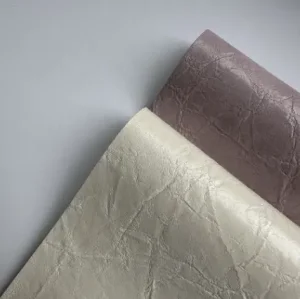
Explore the remaining 8 core reference articles from our sustainable production line, encompassing varied grain architectures, backing structures, and high-performance surface finishes calibrated for Japanese industrial standards.
-
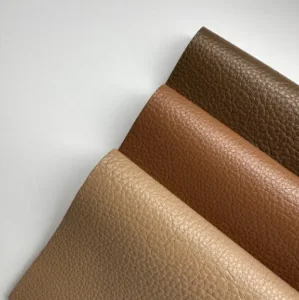
Fine Calf Grain
-
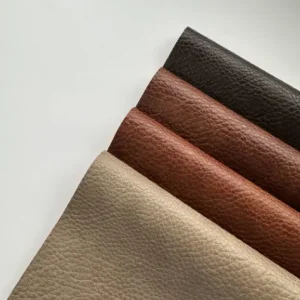
High Elasticity
-
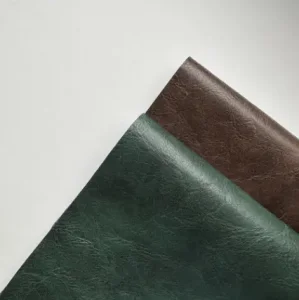
Official TC Support
-
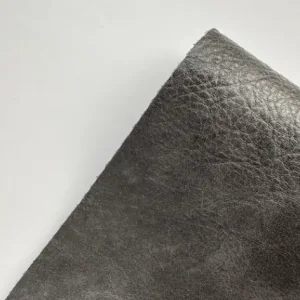
Waterborne PU
-
Architectural Grade

-
Textile Exchange Audited

-
Verified Recycled Content
-
Top-Tier Wear Layer
Accelerate Your Japan Market Sustainable Material Sourcing
Request physical sample swatch books, certification documentation packs, or consult with our polymer engineers on custom grain formulation and ChemSHERPA chemical compliance.