
Engineered Synthetic Formulations for European Processing
Pre-calibrated for high-speed laser cutting, thermal bonding, and RF welding operations across Bulgarian textile and leather processing hubs.
-
Automotive & Upholstery Grade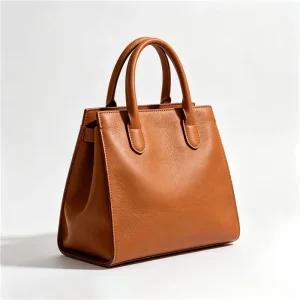
OEM Eco-Friendly Sustainable Synthetic Leather Manufacturer, Factories
-
Footwear & Heavy Garments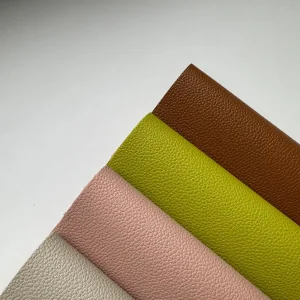
High-Quality Sustainable Eco-Friendly Faux Leather Supplier, Suppliers
-
Low-VOC Solvent-Free Microfiber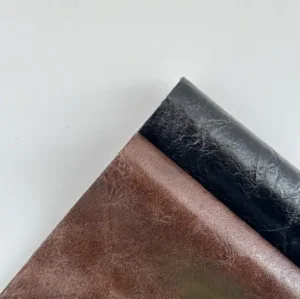
Wholesale Eco-Friendly Sustainable Synthetic Leather-0212 Manufacturer, Suppliers
-
Consumer Goods & Tech Accessories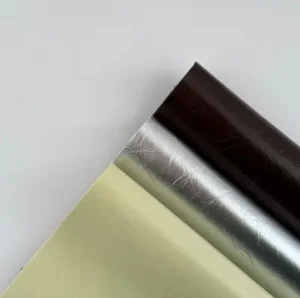
OEM Sustainable Eco-Friendly Faux Leather-0195 Manufacturers, Supplier
Bulgaria's Commercial Evolution in Sustainable Technical Textiles
A strategic nexus connecting Central European OEMs, Balkan manufacturing corridors, and zero-carbon material supply chains.
Automotive Tier-1 Ecosystem
Industrial clusters in Plovdiv, Sofia, and Ruse account for critical automotive components supplied to DAX and CAC-40 brands. Synthetic leather procurement focuses heavily on ultra-low VOC emissions, flammability rating (FMVSS 302), and hydrolytic stability under rapid temperature oscillations.
Safety Footwear & Mil-Spec Heritage
Bulgaria remains a resilient hub for high-specification tactical footwear, orthopedics, and protective PPE apparel. Sourcing requires abrasion resistance exceeding 100,000 Martindale cycles, high tear strength substrates, and continuous water-vapor permeability without toxic DMF/PFC treatments.
EU Green Deal & CSRD Readiness
Bulgarian processors exporting to Germany, France, and Scandinavia are legally pressured by the EU Corporate Sustainability Due Diligence Directive (CSDDD). Verified Scope 3 emission footprints and Digital Product Passport (DPP) readiness are mandatory for tier qualification.
Cross-Industry Solvency: Decarbonized Chemical Synthesis
Solving the historic paradox between petrochemical synthetic durability and biological biodegradability through continuous molecular refinement.
Biobased Plant-Derived Polymers
Replacing traditional petroleum succinate and polyols with corn starch, castor bean oil, and agricultural bagasse extractions. Verified up to 68% biogenic carbon content under ASTM D6866 without compromising high-frequency tensile thresholds.
Ideal for luxury handbag lines, interior trim panels, and high-fashion collections demanding strict USDA BioPreferred and OK biobased classifications.
Closed-Loop RCS Recycled Substrates
Engineered backing fabrics woven entirely from GRS/RCS-certified post-consumer PET bottles and repurposed microfiber wastes. Each linear meter captures verifiable carbon savings while maintaining isotropic dimensional stability under 180°C thermoforming.
Selected by global athletic brands and contract furniture contractors targeting 100% circular post-consumer recycled (PCR) targets by 2030.
100% Water-Based / Solvent-Free Systems
Eliminating N,N-Dimethylformamide (DMFa), toluene, and toxic plasticizers at the polymerization phase. Our solvent-free synthesis produces breathable, non-yellowing, zero-odor PU fabrics matching strict European indoor air quality demands.
Compliant with OEKO-TEX Standard 100 Class I (safe for skin contact), REACH SVHC candidate lists, and child-safe toy/infant car seat directives.
Technical Roadmap: Next-Gen Material Innovation
Strategic chemical trajectories driving raw material resilience, self-healing surfaces, and pure circularity across the European theater.
Zero-Solvent EPU Matrix
Total phase-out of trace volatile carriers across 100% of our dry-process lines. Introduction of pure crosslinked waterborne polyurethane topcoats with superior dry/wet rub fastness (Grade 4.5+).
Mycelium & Bacterial Micro-Hybrids
Integrating cultivated mycelial bio-scaffolds into recycled nonwoven backings. Achieve >80% bio-content while retaining the industrial elasticity and flexural memory of high-grade automotive nappa leathers.
Self-Healing Smart Coatings
Dynamic thermo-reversible Diels-Alder bonds embedded in the protective skin layer. Surface micro-scratches seal upon exposure to ambient solar or hot water thermal stimuli, tripling life cycles in heavy transit applications.
Infinite Depolymerization Loops
Mono-material PU formulations capable of closed-loop enzymatic separation. Deconstruct scrap leather and end-of-life products back into pristine precursor polyols without thermodynamic quality loss.
Bulgarian & EU Regulatory Compliance Guarantee
Eliminate import tariffs, clearance friction, and supply liabilities through pre-certified quality control documentation aligned with European Commission directives.
Frequently Asked Commercial & Technical Questions
Critical operational answers for procurement directors, product developers, and factory engineers in Bulgaria and the wider EU.
What are the lead times and shipping logistics from your facility to Bulgaria?
How do your synthetic leathers perform against genuine leather in automotive tests?
What is the minimum order quantity (MOQ) for custom colors, embossing, and thickness?
How is biobased material provenance certified for European market claims?
Do your materials withstand high-frequency welding and automated die-cutting?
Wholesale Certified Synthetic Leather Collections
Explore specialized industrial references engineered for European automotive interiors, contract marine seating, luxury packaging, and footwear.
-
Soft Touch Microfiber • REF 0251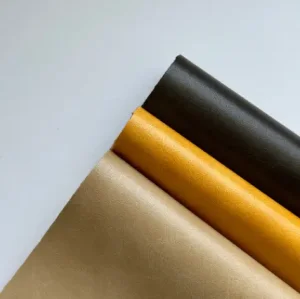
Custom Eco-Friendly Sustainable Synthetic Leather-0251 Suppliers, Factories
-
High Flexibility • REF 9338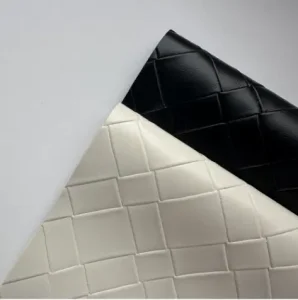
Custom Green Sustainable Man-Made Leather-9338 Manufacturers, Suppliers
-
Heavy Scratch Resistant • REF 0230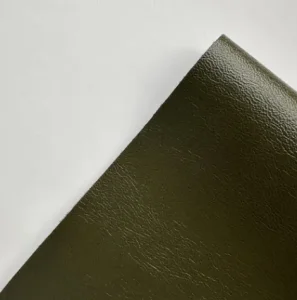
Custom Eco-Friendly Sustainable Synthetic Leather-0230 Manufacturer, Suppliers
-
Contract Upholstery • REF 9081
High-Quality Eco-Friendly Sustainable Synthetic Leather-9081 Manufacturer, Factory
-
Ultra Low-Carbon Footprint • REF 0045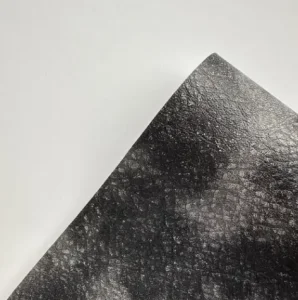
Wholesale Low-Carbon Eco Sustainable Synthetic Leather-0045 Manufacturers, Factory
-
Plant Polyol Infused • REF 9142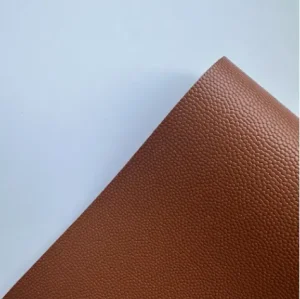
Wholesale Sustainable Eco-Conscious Synthetic Leather-9142 Manufacturer, Supplier
-
Water-Vapor Permeable • REF 9333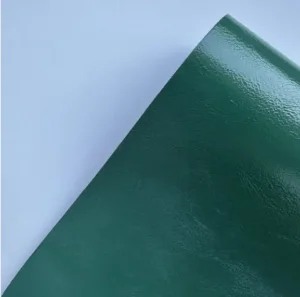
High-Quality Low‑Impact Green Sustainable Synthetic Leather-9333 Manufacturers, Factories
-
Marine & Outdoor UV-Proof • REF 9077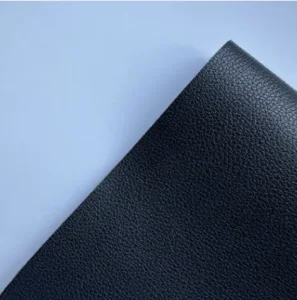
High-Quality Green Low‑Carbon Sustainable Synthetic Leather-9077 Suppliers, Factories
Accelerate Your Sustainable Transition in Bulgaria & Across Europe
Contact our direct manufacturing engineering team. Request tailored technical data sheets, fire retardant test certificates, and physical swatch binders for your next production run.
Send Inquiry Now