
Primary RCS Synthetic Leather Solutions for Ethiopian Manufacturing
Engineered for apparel, industrial workwear, and footwear manufacturing facilities seeking compliance with European and North American export standards.
-
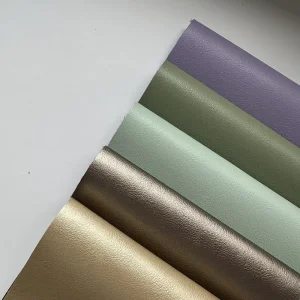 Wholesale RCS Recycled Synthetic Leather (Ethiopia Industrial Grade)
-
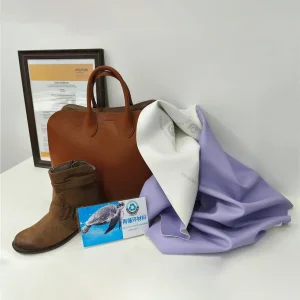 OEM RCS Certified Recycled Sustainable Synthetic Leather for Bole Lemi
-
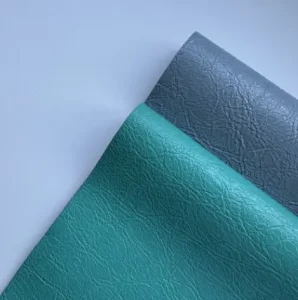 OEM RCS Recycled Synthetic Leather-9213 (Hawassa Garment Series)
-
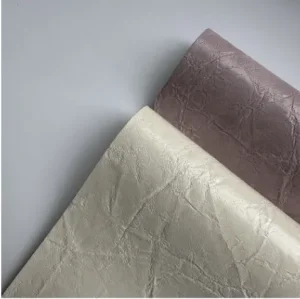 High-Quality RCS Recycled Synthetic Leather-0212 (Automotive & Upholstery)
The Recycled Materials Shift: Ethiopia & Global Trade Realities
Evaluating sustainable material procurement shifts within East Africa's premier manufacturing corridor versus worldwide circular economy directives.
Ethiopia: The Emerging Hub of Sustainable Manufacturing
Under the Ethiopian Industrial Development Strategic Plan, Ethiopia has anchored itself as a prime African production destination. State-of-the-art developments like Hawassa Industrial Park, Bole Lemi, and Kombolcha specialize in textile, leathergoods, and apparel manufacturing. However, regional leather supply encounters severe operational challenges: raw hide quality inconsistency, acute processing effluent issues in wet blue tanneries, and restrictive local solvent standards. Furthermore, export-driven enterprises operating within Ethiopia face intensifying verification scrutiny from Western buyers demanding verified, low-carbon, cruelty-free vegan formulations. RCS (Recycled Claim Standard) certified materials offer Ethiopian factories immediate access to verified post-consumer and post-industrial raw inputs without generating domestic tanning pollutants.
Global Decarbonization & Circularity Mandates
International sourcing markets are undergoing structural shifts due to aggressive regulatory initiatives. The European Union’s Corporate Sustainability Due Diligence Directive (CSDDD) and the Ecodesign for Sustainable Products Regulation (ESPR) legally mandate brands to track, verify, and limit environmental impact throughout supply chains. Traditional virgin PU and PVC artificial leathers derived exclusively from petrochemical cracking face escalating tax thresholds and consumer boycotts. Recycled Claim Standard (RCS) managed by the Textile Exchange guarantees third-party chain of custody across every transaction stage, empowering multinational brands to substantiate carbon-reduction claims with unalterable audit documentation.
Why Global Tier-1 Brands Rely on Our Clean-Tech Facilities
Combining multi-million-meter scale, closed-loop chemical engineering, and agile export documentation for Ethiopian operations.
Precision Chemical Systems
Operating dry and wet solvent-free PU lines, water-based synthetic systems, and polyols formulated with recycled rPET substrates. Our 135,733 m² campus maintains complete in-house control over chemical compounding, ensuring ultra-low VOC emissions and eliminating hazardous DMF/toluene.
Complete Chain Traceability
Every meter of our RCS-certified fabric is traceable from certified recycling feedstock to the finished roll. We issue authentic Transaction Certificates (TC) that seamlessly satisfy customs audits, ISO frameworks, and retail buyer ESG reporting requirements.
Reliable Logistics to Djibouti & Addis
Navigating landlocked logistics requires precise container loading and rapid export documentation. We optimize freight corridors through the Port of Djibouti directly connected to the Addis Ababa–Djibouti Railway, slashing transit delays for Ethiopian industrial parks.
Targeted Applications Across Ethiopia's Industrial Corridors
Customized thickness, grain texture, and mechanical properties formulated for major manufacturing sectors in East Africa.
Footwear & Athleisure Manufacturing
Designed for shoe manufacturing operations in the Eastern Industry Zone (Dukem). High flex fatigue resistance (over 100,000 cycles at room temperature), excellent cold-crack resistance, and uniform surface grain for casual shoes, athletic sneakers, and heavy-duty safety boots.
Commercial Bags & Luxury Goods
Structured microfiber backings and soft-touch polyurethane skins ideal for contract handbag manufacturers in Bole Lemi. Offers superior tensile and tear resistance, high stitch pullout strength, and high cutting yields compared to natural hide offcuts.
Transit & Institutional Upholstery
Heavy-duty synthetic leather tailored for public transport vehicle seating, aircraft cabins, and hospitality projects. Engineered with flame-retardant (FMVSS 302, BS5852) and hydrolytic-resistant topcoats capable of withstanding intensive tropical sanitation protocols.
Market Trajectories & Global Procurement Requirements
How progressive purchasing leaders mitigate risk, address scope 3 emissions, and comply with strict RSL requirements.
The Emergence of Hybrid Biobased + RCS Materials
The synthetic leather market is rapidly moving past standard petrochemical polymers. The forward curve blends post-consumer recycled backing fibers (such as rPET chips from recycled ocean bottles) with bio-attributed polyols derived from agricultural waste. This hybrid model achieves cradle-to-gate carbon reductions exceeding 45% compared to conventional PU. Tier-1 brands in Europe and North America increasingly demand this dual qualification in single tech packs to fulfill net-zero pledges by 2030.
Stringent RSL & Chemical Boundary Clearance
Modern compliance teams no longer rely on single-point declarations. Exporting finished goods to the West requires proven adherence to EU REACH Annex XVII, zero detectable organotin compounds, compliance with California Proposition 65, and avoidance of short-chain chlorinated paraffins (SCCPs). Partnering with JiangXin ensures every batch undergoes gas chromatography-mass spectrometry (GC-MS) verification to protect brand integrity against hazardous substance liabilities.
Frequently Asked Questions for Industrial Procurement
Straightforward answers addressing chain of custody, customs compliance, material engineering, and production minimums.
What distinguishes RCS certification from GRS for leather shipments to Ethiopia?
Can JiangXin supply official Transaction Certificates (TC) for Ethiopian customs clearance?
What is the standard logistics timeline from your Guangdong facility to Ethiopia?
What custom finishes can be applied to RCS recycled leather formulations?
What is the minimum order quantity (MOQ) for custom color and grain development?
Extended RCS Sustainable Material Catalog for Ethiopian Facilities
Explore our full line of recycled polyurethane and bio-engineered synthetic leather solutions ready for global supply programs.
-
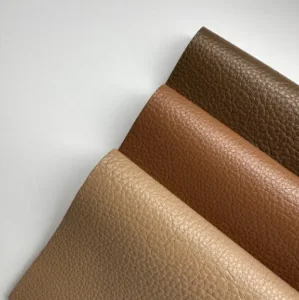 Custom RCS Recycled Synthetic Leather-9078 (Apparel Grade)
-
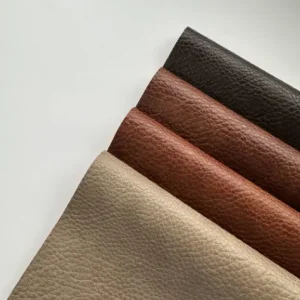 Custom RCS Recycled Synthetic Leather-9088 (Footwear Series)
-
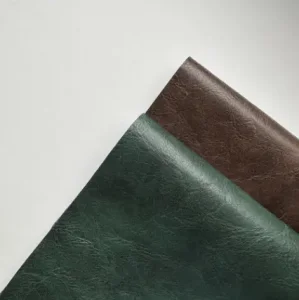 RCS Certified Sustainable Recycled Synthetic Leather-9240
-
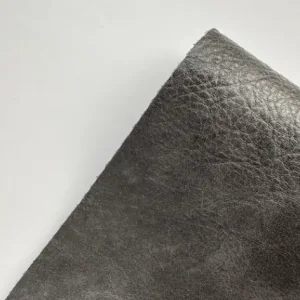 OEM RCS Qualified Eco-Friendly Synthetic Leather-9271
-
 RCS Certified Recycled Sustainable Synthetic Leather-0138
-
 Wholesale RCS Verified Sustainable Synthetic Leather-2058
-
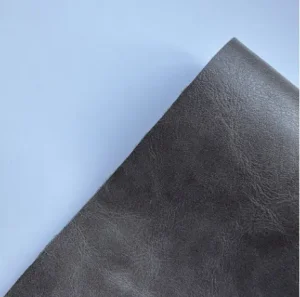 OEM RCS Verified Recycled Content Synthetic Leather-0084
-
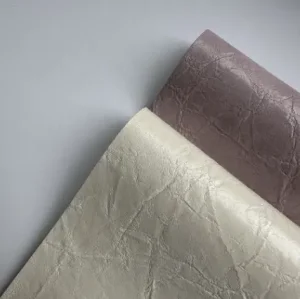 High-Quality RCS Approved Recycled-Content Synthetic Leather-0212
Secure Certified Material Pipeline for Your Next Collection
Request custom lab dips, physical touch swatches, and certified test reports direct from our engineering specialists.