
High-Spec RCS Synthetic Leathers for Greek Applications
Engineered for high tensile stability, UV endurance under Mediterranean sun exposure, and guaranteed chain of custody documentation.
-

Wholesale RCS Recycled Synthetic Leather for Greek Marine & Furnishing
Explore Article -
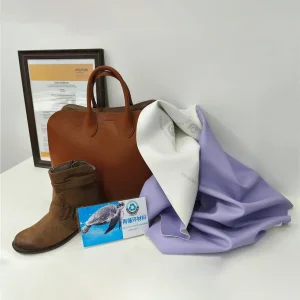
OEM RCS Certified Recycled Sustainable Synthetic Leather - Hospitality Series
Explore Article -
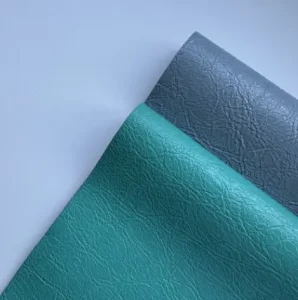
OEM RCS Recycled Synthetic Leather-9213 for Footwear & Accessories
Explore Article -
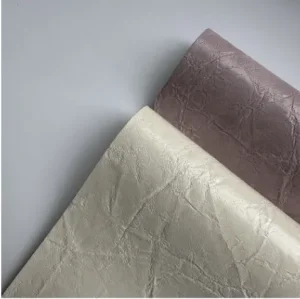
High-Quality RCS Recycled Synthetic Leather-0212 Greek Market Edition
Explore Article
The Decarbonization Mandate in Greece's Industrial Ecosystem
Strategic shift toward certified circular polymers driven by EU taxonomy, national climate targets, and high-end commercial renewal.
Hospitality CapEx Alignment
Greece’s premium resort sector across Crete, Rhodes, and the Cyclades is aggressively pursuing LEED and BREEAM certifications. Hoteliers are transitioning away from high-VOC traditional polymers toward verified RCS upholstery to satisfy ESG commitments mandated by institutional hospitality investors.
Piraeus Maritime & Yachting Outfitting
With Piraeus serving as the eastern Mediterranean’s premier maritime hub, yacht refurbishment yards demand high-performance synthetic materials that balance salt-spray hydrolysis resistance with strict recyclability verification required by modern superyacht charter registries.
Greek Footwear & Leather Goods Relaunch
Boutique fashion manufacturers in Athens and Thessaloniki are modernizing Greek leathercraft. Integrating RCS-certified PU allows artisanal and industrial brands to access affluent European export markets without failing escalating EU Corporate Sustainability Due Diligence thresholds.
Localized Engineering Formulations for Greek Operating Environments
Addressing intense UV indices, marine humidity, and intensive tourist turnover through tailored polymer chemistry.
| Target Sector | Operational Challenge | Material Engineering Resolution | Regulatory / Compliance Mapping |
|---|---|---|---|
| Aegean Marine & Yachting | Extreme solar degradation (UV Index >9), continuous salt aerosol, and hydrostatic pressure on sunpads and salon benches. | Multi-layer aliphatic polyurethane with UV stabilizers (QUV accelerated weathering >1000h) on 100% post-consumer recycled PET scrim. | IMO FTP Code Part 8 fire retardance; RCS Scope Certification; zero migration of hazardous heavy metal stabilizers. |
| Boutique Island Resorts | Aggressive disinfection routines (hypochlorite & alcohol cleaning agents) causing plasticizer embrittlement and surface cracking. | Cross-linked, solvent-free topcoats configured for high-abrasion resilience (>100,000 Martindale cycles) with chemical micro-barrier sealants. | REACH SVHC Candidate List clearance; OEKO-TEX Standard 100 Class I; compliance with LEED v4.1 low-emitting indoor materials. |
| Attica Luxury Leathercraft | Need for authentic grain retention, skiving efficiency, and supple hand feel comparable to historical tanneries without animal inputs. | Microfiber-reinforced substrates utilizing r-PET nanofibers mimicking collagen matrix bundle networks, paired with bio-content surface films. | Textile Exchange Chain-of-Custody (Transaction Certificates); V-Label Vegan Certification; zero 6P phthalate formulations. |
| Thessaloniki Urban Seating | High footfall friction in high-temperature urban retail environments requiring rapid thermal dissipation and tactile comfort. | Breathable, open-pore microporous PU structures bonded to water-based recycled backings, reducing surface heat retention. | EN 1021 Part 1 & 2 cigarette/match ignition defiance; ISO 14001 factory governance oversight. |
Evolutionary Trajectory: Circularity Horizons (2025–2030)
A structured technical progression from mass-balance recycling to fully depolymerizable bio-synthetic hybrids.
Post-Consumer r-PET Scrim Integration
Standardized deployment of 30% to 70% certified recycled material. Primarily focusing on mechanically recycled poly-ethylene terephthalate backing fabrics coupled with high-solids waterborne polyurethane face skins to eradicate conventional solvent emissions.
Bio-Hybrid Chemically Recycled PU
Transitioning beyond mechanical shredding to chemically depolymerized polyols derived from ocean-bound polymers, merged with non-food agricultural waste polyols to drive total non-fossil content past 85% while matching high-tear engineering tolerances.
Mono-Polymer Closed Loop (True Depolymerization)
Next-generation mono-material PU matrices engineered for enzymatically catalyzed depolymerization at end-of-life, enabling full material-to-material recovery within European municipal recycling frameworks without downcycling.
Industrial Scalability: The JX.ECO Production Advantage
Decoupling Greek supply lines from volatile boutique European tanneries via integrated Chinese manufacturing scale.
Vertical Integration & Rapid Prototyping
From initial flake polymerization, needle-punched nonwoven backing manufacturing, through precision dry/wet PU casting lines, our 135,733 m² campus maintains end-to-end sovereignty. Greek design teams can move from custom emboss/grain concepts and Pantone color approval to sample yardage dispatch in under 96 hours.
Solar-Powered Cost Stabilization
With an on-site 4.68 MW rooftop photovoltaic array generating clean electricity, our facility protects downstream Greek partners from energy surcharge volatility common in the Mediterranean market, delivering consistent container-level pricing alongside verifiable Scope 2 carbon reductions.
Macro Dynamics: Navigating the International Polymer Transition
The global synthetic leather market is rapidly bifurcating between uncertified legacy synthetics and audited chain-of-custody materials.
EU Green Deal & ESPR
The Ecodesign for Sustainable Products Regulation (ESPR) mandates digital product passports (DPPs) across EU borders. RCS standards provide the unambiguous chain-of-custody documentation required to satisfy these forthcoming tracing frameworks.
Anti-Greenwashing Directive
Vague terminology like "eco-leather" or "vegan hide" now invites immediate regulatory penalties in the EU unless backed by ISO-compliant LCA data and independent third-party auditing, establishing RCS certification as a commercial prerequisite.
Fossil Carbon Phase-Out
International luxury groups are systematically setting 2030 deadlines to eliminate virgin fossil-based PU. Sourcing RCS materials from verified high-volume producers secures strategic allocation ahead of anticipated raw material bottlenecks.
End-to-End Compliance Assurance for Greek Importers
We provide comprehensive certification packs that protect Greek enterprises against customs delays, environmental fines, and brand audits.
Transaction Certificates
Official batch-specific RCS Transaction Certificates (TCs) generated by authorized certification bodies with every commercial shipment.
REACH Annex XVII
Certified non-detection of SVHCs, DMFa (Dimethylformamide) < 5ppm, banned arylamines, and regulated organotin compounds.
Higg FEM Audited
Annual verified Higg Index facility scorecards documenting chemical management, wastewater treatment, and GHG mitigation.
Custom Logistics Support
Direct sea freight corridors to Piraeus and Thessaloniki ports, handled with optimized HS code classification to eliminate customs friction.
Engineered RCS Material Portfolio for Greek Converters
Explore specialized textures, grain depths, and structural compositions engineered to your exact brand specifications.
-
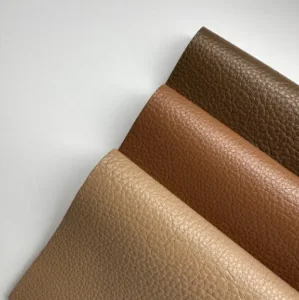
Custom RCS Recycled Synthetic Leather-9078 for Greek Retail Brands
Explore Article -
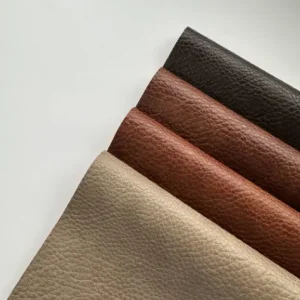
Custom RCS Recycled Synthetic Leather -9088 Yachting Interior Grade
Explore Article -
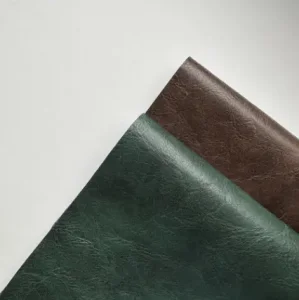
Sustainable Recycled Leather with Official RCS Certification-9240
Explore Article -
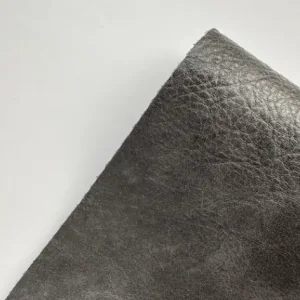
OEM RCS Qualified Recycled Eco-Friendly Synthetic Leather-9271
Explore Article -

High-Quality RCS Certified Recycled Leather-0138 Resort Collection
Explore Article -

Wholesale RCS Verified Recycled Sustainable Synthetic Leather-2058
Explore Article -
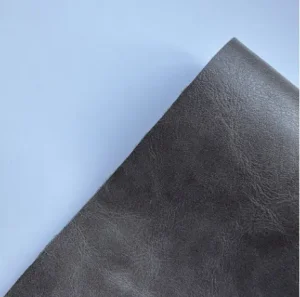
OEM RCS Verified Recycled Content Synthetic Leather-0084 Spec
Explore Article -
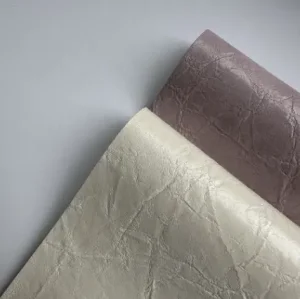
High-Quality RCS Approved Recycled‑Content Synthetic Leather-0212
Explore Article
Frequently Asked Technical & Commercial Questions
Clear, unhedged engineering and compliance answers for sourcing directors and product architects.