
Flagship Recycled Polymeric Substrates for Philippines OEM Production
Engineered to satisfy high-throughput manufacturing hubs across Luzon, Visayas, and Mindanao with certified post-consumer recycled content.
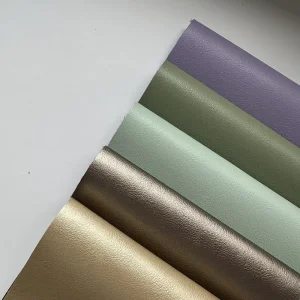
Philippines Wholesale RCS Recycled Synthetic Leather
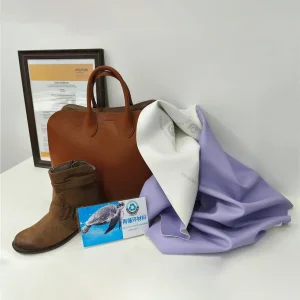
OEM RCS-Certified Sustainable Leather for Philippines Assembly
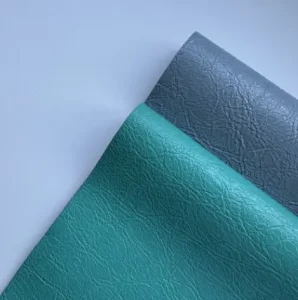
OEM RCS Recycled Synthetic Leather-9213 Philippines Edition
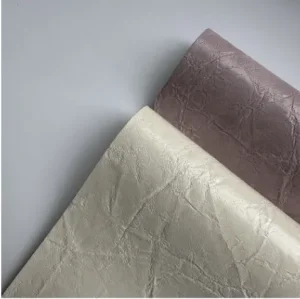
High-Quality RCS Recycled Synthetic Leather-0212 Marikina Grade
The State of Sustainable Manufacturing & RCS Leather in the Philippines
A comprehensive examination of industrial modernization, regulatory pressures under the EPR Act, and tier-one OEM transitions within PEZA special economic zones.
1. Macroeconomic Context: The Philippine Manufacturing Renaissance
The Republic of the Philippines has emerged as one of Southeast Asia's most dynamic assembly and manufacturing export platforms. Historically celebrated for artisanal craftsmanship in footwear clusters like Marikina City and high-end leathergoods fabrication in Cebu, the country’s industrial landscape is undergoing a massive paradigm shift. Propelled by strategic initiatives from the Department of Trade and Industry (DTI) and institutional infrastructure fostered by the Philippine Economic Zone Authority (PEZA), the archipelago has systematically evolved from basic cutting-and-sewing sub-contracting into advanced, compliance-driven original equipment manufacturing (OEM) and original design manufacturing (ODM).
Industrial clusters across Cavite, Laguna, Batangas, Clark Freeport Zone, and Subic Bay are actively onboarding next-generation polymer substrates to satisfy multinational contract obligations. Global brand conglomerates spanning North America, the European Union, and East Asia are forcing tier-one contract manufacturers in the Philippines to phase out virgin fossil-derived synthetic leather (such as low-grade PVC and standard petroleum-based PU) in favor of certified circular substrates. This macro-transition is accelerated by domestic statutory imperatives, specifically Republic Act No. 11898—the Extended Producer Responsibility (EPR) Act of 2022—which penalizes plastic packaging and polymer waste generation while legally incentivizing enterprises to integrate certified post-consumer recycled (PCR) and post-industrial recycled (PIR) materials into their domestic value chains.
2. Understanding the Recycled Claim Standard (RCS) in B2B Value Chains
The Recycled Claim Standard (RCS), maintained and governed by Textile Exchange, serves as the global industrial benchmark for chain-of-custody tracking of recycled feedstocks. Unlike unsubstantiated marketing declarations or generic "eco-friendly" verbiage, RCS establishes a transparent, forensic paper trail from the raw recycled collector to the chemical recycling plant, the wet/dry synthetic leather coater, and ultimately into the hands of the OEM factory in the Philippines.
In synthetic leather engineering, RCS verification is categorized fundamentally into two benchmarks:
- RCS Blended (5% – 94% Recycled Content): Applied when technical performance limits require blending high-tensile virgin structural fibers with recycled polymers, common in heavy-duty commercial seating or high-flex tactical footwear.
- RCS 100 (95% – 100% Recycled Content): Utilized for luxury leathergoods, high-end automotive dash linings, and premium athletic uppers where virgin matrix input is systematically engineered down to negligible residual fractions.
Every legitimate production batch destined for Philippine export lines is validated via an official Transaction Certificate (TC) issued by accredited international certification bodies (e.g., Control Union, Intertek, SGS). The TC details the gross and net weight of certified recycled polyester (rPET) backing cloths, recycled polyurethane resin skins, and post-consumer recycled nylon fibers, ensuring total defense against greenwashing accusations, import audits by the Bureau of Customs (BOC), and compliance reviews by international apparel coalitions.
Forensic Supply Chain Security
Every meter of material manufactured for the Philippines market carries lot-specific traceability tied to accredited Transaction Certificates (TCs), ensuring verifiable Scope 3 corporate reporting.
Zero-Solvent Closed-Loop Synthesis
Formulated with waterborne polyurethane (WPU) and solvent-free dry transfer systems, eradicating dimethylformamide (DMFa), toluene, and toxic plasticizers from the workshop floor.
Tropical Hydrolysis Stabilization
Polymer backbones engineered specifically for high-humidity Philippine climates, passing 5-to-10-year Jungle Tests without surface peeling, mold colonization, or micro-cracking.
3. Global Procurement Pressures vs. Philippine Manufacturing Realities
Procurement directors and sourcing executives operating within major global lifestyle and automotive groups face strict mandates to de-fossilize their material inventories. The European Union’s Corporate Sustainability Due Diligence Directive (CSDDD) and upcoming digital product passport (DPP) regulations require tier-one assemblers in the Philippines to demonstrate end-to-end carbon auditing. If an export manufacturer located in Laguna Technopark or Clark cannot produce verified third-party documentation attesting to the post-consumer provenance of their synthetic leather trims, they risk wholesale exclusion from multinational vendor matrixes.
Simultaneously, Philippine production lines encounter aggressive operational constraints: high electrical tariffs in regional grids, stringent humid heat during monsoon cycles, and logistics sensitivities when consolidating goods across sea routes between Manila and provincial industrial estates. Synthetic leather materials must therefore demonstrate exceptional mechanical reliability:
- Bally Flex Resistance: Capable of enduring >100,000 cycles at 20°C and >50,000 cycles at -10°C without epidermal layer rupture.
- Hydrolysis Resistance: Formulated using polycarbonate-based or high-grade polyether-based polyurethane systems that withstand standard 10-week Jungle Testing (70°C, 95% Relative Humidity), neutralizing tropical delamination.
- Colorfastness to Perspiration & UV: Certified to ISO 105 standards, guarding against UV degradation during coastal shipping and localized storage.
Need Custom RCS Formulation for Your Philippine Line?
Request bespoke caliper samples (0.5mm to 2.2mm), tailored embossing rollers, or custom color matching for your brand tech pack.
4. Technical Architecture: Solvent-Free Chemistry & Material Matrix
Modern RCS-certified synthetic leather is a multi-layered composite marvel. The traditional process—which relied upon dissolving polyurethane resins in N,N-Dimethylformamide (DMFa) and washing the coagulated sheet in massive water tanks—is being phased out by our advanced R&D engineering divisions. In its place, our modern manufacturing facility serving the Philippines implements two ultra-clean production methodologies:
| Technical Property | Legacy Synthetic Leather (PVC/PU) | Advanced RCS-Certified Polymeric Leather | Validation / Test Protocol |
|---|---|---|---|
| Feedstock Origin | 100% Virgin Petrochemical (Crude Oil) | Certified Post-Consumer rPET & Recycled PU Resins | Textile Exchange Chain of Custody |
| Volatile Organic Residues | DMFa > 30 mg/kg, Phthalates > 1000 ppm | Zero Detectable DMFa, Zero Phthalate Plasticizers | GC-MS / ISO 18218-2 Chemical Screening |
| Tropical Hydrolysis Stability | 1 to 3 Years (Prone to sticky peeling) | 5 to 10+ Years Polycarbonate-Polyether Blend | Jungle Test (70°C & 95% RH, 5-10 Weeks) |
| Carbon Footprint Index | High baseline baseline (15.8 kg CO2e / linear meter) | Reduced by 42% – 58% (Rooftop PV Powered Synthesis) | Higg Facility Environmental Module (FEM) |
| Tensile & Tear Strength | Standard tensile (Warp: 350N, Weft: 280N) | Reinforced micro-twill rPET (Warp: >750N, Weft: >620N) | ASTM D2261 / ISO 13937-2 |
The base substrate consists of recycled yarn derived from mechanically shredded, washed, and re-extruded post-consumer polyethylene terephthalate (PET) beverage bottles. This circular microfiber or knitted backing cloth provides extraordinary dimensional stability, crucial for automated CNC die-cutting and high-tension computerized sewing setups installed in high-output Philippine factories.
5. Localized Logistics, Free Port Ingress, and Tariff Optimization
Sourcing synthetic leather into the Philippines involves intricate customs navigation and trade agreement structuring. When tier-one Philippine contractors import RCS-certified fabrics, our supply chain integration offers distinct logistical advantages:
- PEZA Duty & Tax Exemptions: Materials shipped to registered enterprises inside Special Economic Zones (such as Lima Technology Center in Batangas or Hermosa Ecozone in Bataan) move seamlessly under automated bonded warehousing protocols, eliminating upfront import duties and Value Added Tax (VAT).
- ACFTA Preferential Tariffs: Leveraging the ASEAN-China Free Trade Area (ACFTA), orders are fulfilled with Form E Certificates of Origin, driving standard import customs duties down to 0% for qualified tariff codes.
- Direct Port Entry: Consolidated sea freight routing directly into the Port of Manila (South Harbor / MICT), Subic Bay International Port, or the Port of Cebu significantly cuts domestic transport delays, eliminating multi-stage inland cargo bottlenecking.
6. Technical Roadmap & Future Outlook: 2025–2030 Circularity Milestones
The roadmap for synthetic leather engineering across Southeast Asia transcends standard mechanical recycling. As the Philippine industrial market scales up its commitments under the UN Sustainable Development Goals, our ongoing technological pipeline incorporates several cutting-edge innovations:
- Bio-Recycled Hybrids: Combining RCS-certified post-consumer rPET backing cloths with plant-derived renewable polyols (derived from non-edible corn stover or agricultural sugarcane waste). This creates a dual-accredited substrate boasting verified ASTM D6866 bio-carbon content coupled with official RCS transaction tracking.
- Chemical Molecular Recycling: Transitioning from mechanical thermomechanical extrusion to molecular depolymerization, allowing complex polyurethane-coated textile scraps from Philippine shoe cutting rooms to be chemically broken back down into raw polyols and pure monomeric precursors.
- AI-Driven Surface Quality Inspection: Utilizing automated high-resolution optical computer vision systems across coating lines to identify microscopic pinholes, grain deviations, or resin variations before rolls are palletized, guaranteeing >99.5% cutting yields for precision Philippine automotive and footwear die-cutters.
7. Frequently Asked Questions (FAQ) for Sourcing Managers
How does RCS certification protect Philippine manufacturers against greenwashing penalties?
Can your RCS synthetic leather endure the tropical heat and humidity of the Philippines?
What is the standard Minimum Order Quantity (MOQ) and lead time for shipments to Manila or Cebu?
How does our enterprise handle PEZA documentation and Form E tariff preferences?
Is your RCS-certified leather entirely solvent-free and compliant with international RSLs?
High-Performance RCS-Certified Synthetic Leather for Philippine Industry
Explore our full spectrum of specialized grains, reinforced backings, and precision calibers engineered for demanding export applications.
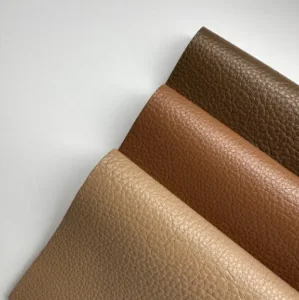
Custom RCS Recycled Synthetic Leather-9078 for Philippines Footwear
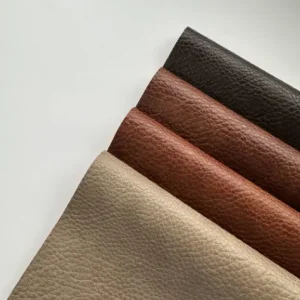
Custom RCS Recycled Synthetic Leather-9088 Cebu Leathercraft Series
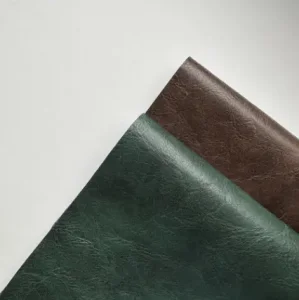
High-Quality Sustainable Recycled Leather with Official RCS-9240
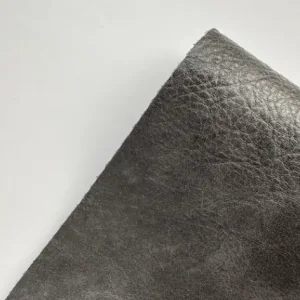
OEM RCS Qualified Eco-Friendly Synthetic Leather-9271 PEZA Spec

High-Quality RCS Certified Recycled Leather-0138 Automotive Tier

Wholesale RCS Verified Recycled Leather-2058 Contract Grade
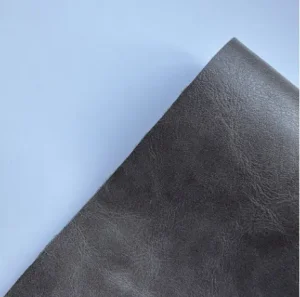
OEM RCS Verified Recycled Content Synthetic Leather-0084
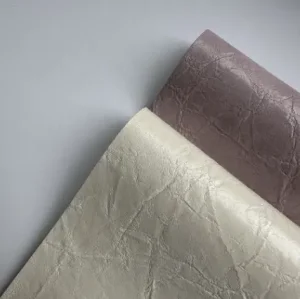
High-Quality RCS Approved Recycled-Content Leather-0212 Export Spec
Initiate Your Custom RCS Leather Development Program
Connect directly with our polymer materials laboratory and export compliance division. We deliver full physical swatch decks, formal test reports, and certificate chains directly to your facility anywhere in the Philippines.