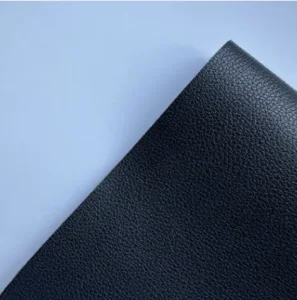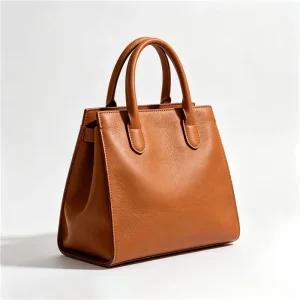
Direct OEM/ODM Specifications
High-Performance Sustainable Substrates for Barcelona Creators
Curated technical leather collections formulated for low-VOC emission compliance, superior haptic feedback, and extreme durability under Iberian Mediterranean conditions.
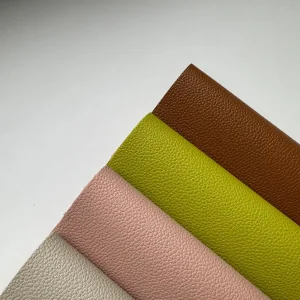
Catalan Footwear Spec: High-Quality Sustainable Eco-Friendly Faux Leather
View Tech Specs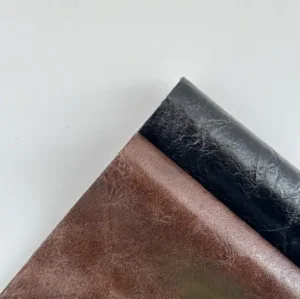
Contract Interior 0212: Wholesale Eco Sustainable Synthetic Leather
View Tech Specs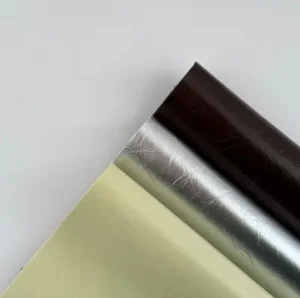
Port Vell Marine Grade 0195: OEM Sustainable Eco Faux Leather
View Tech Specs
Regional Industrial Analysis
The Barcelona & Catalonia Market: Structural Transition to Circular Surfaces
Analyzing the confluence of historical textile heritage, strict EU ecodesign mandates, and forward-looking design industries shaping synthetic leather procurement across the Iberian Peninsula.
The industrial ecosystem of Barcelona and the broader autonomous community of Catalonia represents one of Europe's most distinctive intersections of design sophistication, manufacturing history, and stringent environmental stewardship. Historically anchored by traditional tanning and textile manufacturing corridors along the Anoia and Llobregat rivers—such as the historic leather district of Igualada—the region is undergoing an unprecedented structural transition. Contemporary consumer pressures, stringent requirements from the Catalan Waste Agency (Agència de Residus de Catalunya), and European Union level directives are collectively compelling industrial developers, luxury design ateliers, and automotive engineers to seek high-fidelity, non-animal leather alternatives that do not carry the ecological baggage of chrome tanning, heavy water effluent, and greenhouse gas intensive livestock chains.
In this dynamic landscape, the demand for eco-friendly synthetic leather in Barcelona is defined by three high-growth commercial pillars:
The El Born & Eixample Fashion Axis
Independent fashion designers and established Iberian fashion groups headquartered in Barcelona and Arteixo demand vegan leather formulations that mimic fine calfskin, exhibiting natural temper, drape, and edge-paint retention without hazardous plasticizers.
The Martorell Automotive Hub
Situated in the Barcelona metropolitan rim, tier-1 automotive seating and trim contractors require low-emission, solvent-free Polyurethane (PU) substrates fulfilling strict German and Spanish OEM interior air quality specifications (VDA 278 VOC and FOG tests).
Mediterranean Nautical Refits
Operating around Marina Port Vell and MB92 Barcelona, yacht retrofitters demand specialized technical synthetics exhibiting multi-year hydrolysis resistance, antifungal barriers, and UV colorfastness against intense saline-coastal radiation.
Furthermore, European legislative milestones—most notably the Ecodesign for Sustainable Products Regulation (ESPR) and the Corporate Sustainability Due Diligence Directive (CSDDD)—have made transparency non-negotiable. Procurement specialists across Catalonia can no longer accept opaque supply chains or unsubstantiated green claims. Every square meter of synthetic leather imported into the Port of Barcelona must provide quantifiable data: traceable recycled content certifications, bio-based isotopic verification scores, and clear Life Cycle Assessments (LCA) verifying lowered global warming potential (GWP).
16M+
Meters Annual Global Capacity
100%
Solvent-Free & DMFa-Free Capable
4.68MW
Solar-Powered Clean Manufacturing
<0.5ΔE
Precision Color Tolerance Matching
Material Science Innovations
Global Technological Trends: Phasing Out Fossil Solvents for Waterborne & Bio-Polyols
How state-of-the-art clean-tech chemical synthesis is solving the historic durability, tactile, and environmental trade-offs in modern polymer chemistry.
The global synthetic leather industry is currently undergoing its most profound technological shift since the commercial introduction of PVC and traditional wet-process coagulation polyurethane in the mid-20th century. For decades, traditional PU manufacturing relied heavily on organic solvent carriers—predominantly Dimethylformamide (DMFa), Dimethylacetamide (DMAc), and Toluene. While effective at creating micro-porous foam structures, these volatile organic compounds (VOCs) introduce severe occupational health concerns, require energy-intensive recovery distillation systems, and leave trace residues that increasingly fail European REACH Substances of Very High Concern (SVHC) thresholds.
In response, modern high-tier synthetic leather production has divided into two cutting-edge technological pathways that our manufacturing campus has perfected:
1. 100% Waterborne Polyurethane (WPU) Systems: By dispersing polyurethane prepolymers into demineralized water using internal ionic emulsifiers, we completely eliminate toxic organic solvents from the coagulation and dry-lamination lines. The resulting micro-porous architecture allows natural water-vapor transmission, granting finished shoes and garments the breathability and thermal dissipation characteristic of luxury full-grain leathers, while keeping VOC emissions below detectable laboratory limits.
2. Bio-Based Polyol Feedstock Engineering: Traditional polyurethane relies on petroleum-derived polyols reacted with diisocyanates. Our next-generation biobased synthetic leathers substitute up to 75% of fossil-fuel polyols with renewable agricultural derivatives—including non-food grade industrial corn starches, castor oil polyols, and agricultural byproduct lipids. Verified through ASTM D6866 radiocarbon (C14) dating, these materials dramatically reduce cradle-to-gate carbon emissions while maintaining identical tensile strength, flex-fatigue cycles (Bally flex resistance >100,000 cycles), and resistance to aging.
Technical Comparison: Conventional PU vs. Next-Gen Biobased Solvent-Free PU
Procurement criteria audited by European buyers importing through Catalonia ports.
| Parameter | Traditional Wet-Process PU | JX.ECO Solvent-Free Biobased PU |
|---|---|---|
| Solvent Carrier | DMFa / Toluene (Hazardous) | Water / Zero Solvent (Eco-safe) |
| Biobased Carbon Content | 0% (100% Fossil Petroleum) | 20% – 75% (ASTM D6866 Certified) |
| VOC Odor Rating (VDA 270) | Grade 4.0 – 5.0 (Pungent chemical odor) | Grade 1.5 – 2.0 (Virtually odorless) |
| Substrate Backing Options | Virgin Polyester / Rayon | RCS / GRS Recycled rPET, Organic Cotton |
| Hydrolysis Resistance (Jungle Test) | 3 – 5 Years | 8 – 12+ Years (Polycarbonate Diol Resin) |
Localized Use Cases
Engineered Application Scenarios for Barcelona's Core Industries
Aligning resin chemistry, grain embossing, and structural backing fabrics with the operational demands of Catalonia's leading design and engineering sectors.
01
Bespoke Leather Goods & Luxury Handbags
Tailored for high-end fashion design studios situated in the historic craft quarters of Barcelona. Engineered with dense, non-woven microfiber substrates that provide natural leather-like edge-burnishing capability, crisp skiving, and structural resilience without sagging under daily use.
02
Performance Footwear & Urban Sneakers
Supplying technical athletic footwear, espadrilles, and boot manufacturers across Catalonia and Alicante. Characterized by high flex fatigue endurance (over 100,000 cycles at -10°C), breathable water-borne microporous layers, and high tear-propagation resistance along stitch lines.
03
Mediterranean Yachting & Maritime Trim
Formulated for luxury yacht refit shipyards at Port Vell and coastal cruiser builders along the Costa Brava. Features specialized anti-pink stain treatments, resistance to saltwater degradation, and advanced fluorocarbon-free oleophobic surface coatings that repel sun oils.
04
High-Traffic Architectural & Hotel Hospitality
Engineered for high-end boutique hotels, dining lounges, and corporate workspaces in Barcelona's 22@ Innovation District. Delivers superior stain resistance against wine, coffee, and sanitizing wipes while meeting Spanish UNE 23.727 Class M2 and European EN 1021 fire safety standards.
Industrial Roadmap
Macro Supply Chain Solutions & Technical Roadmap (2025–2030)
Addressing the technical, regulatory, and logistics milestones required for frictionless import, verification, and end-of-life circularity.
For brands and industrial converters in Catalonia, procurement success depends on three foundational capabilities: continuous chemical auditing, rapid color-and-grain prototyping, and dependable logistics integration into Western Europe. JiangXin New Material (JX.ECO) pairs an expansive 135,733 m² production campus with dedicated global service protocols to guarantee that raw material shipments clear customs smoothly at the Port of Barcelona.
Phase 1: Present
Total Solvent Decoupling & RCS Recycled Post-Consumer Backings
Elimination of DMFa across all primary export lines. Scaling up Recycled Claim Standard (RCS) certified rPET knit and non-woven substrates derived from certified post-consumer plastic bottles. Full compliance with OEKO-TEX Standard 100, RoHS, and EU REACH Annex XVII.
Phase 2: 2025–2027
High-Index Agricultural Bio-Carbon & Direct Lignin Functionalization
Commercialization of 60%–80% bio-content PU resins utilizing European and Asian non-edible plant waste streams. Integrating bio-based pigments and natural mineral flame retardants, eliminating halogenated chemical additives while achieving Class 1 flame retardancy.
Phase 3: 2028–2030
Digital Product Passports (DPP) & Closed-Loop Thermoplastic Recycling
Roll-level molecular QR tracking compliant with EU Ecodesign Digital Product Passport architecture. Launching mono-material thermoplastic polyurethane (TPU) leather assemblies engineered for 100% mechanical de-polymerization and circular re-pelletization at end-of-life.
Procurement & Technical FAQ
Frequently Asked Technical Questions for Iberian Sourcing Teams
In-depth responses covering laboratory testing, EU customs clearance, chemical restrictions, and customized manufacturing timelines.
How does your factory ensure synthetic leather shipments comply with EU REACH and Spanish chemical regulations?
Every batch of synthetic leather produced for our European partners undergoes exhaustive Restricted Substance List (RSL) screening. Our formulations are certified free from Dimethylformamide (DMFa < 5 ppm), Organotin compounds, Polycyclic Aromatic Hydrocarbons (PAHs), Short-Chain Chlorinated Paraffins (SCCPs), and heavy metals. We supply third-party test reports from international laboratories (SGS, TÜV, or Intertek) along with detailed Safety Data Sheets (SDS) matching EU REACH Annex XVII entries.
What are the typical sea freight transit timelines and logistical arrangements to the Port of Barcelona?
Shipments leaving our Guangdong manufacturing facility depart via modern container terminals in Shenzhen or Guangzhou directly to the Port of Barcelona (Terminal de Catalunya / APM Terminals Barcelona). Typical ocean transit requires approximately 26 to 32 days under normal maritime routing. For urgent sampling, seasonal capsule lines, or tech-pack validations, we dispatch express swatches and roll samples via DHL/FedEx air freight within 3 to 5 business days directly to your design studio in Barcelona.
How is biobased renewable content measured and verified for brand sustainability disclosures?
Bio-based content is measured using standard ASTM D6866 radiocarbon isotopic analysis. This method measures the ratio of radioactive Carbon-14 to stable Carbon-12 within the polymer matrix, clearly distinguishing biological carbon from petroleum-derived carbon. This test data supports formal labeling under the USDA BioPreferred Program, enabling brands to make defensible hangtag claims such as "Contains 45% Plant-Based Bio-Carbon" without risk of greenwashing liabilities under emerging EU consumer transparency laws.
What is the Minimum Order Quantity (MOQ) for custom color-matching and specialized embossing grains?
For catalog reference standards in our active running lines, our baseline MOQ is 300 to 500 linear meters per color. For bespoke customer development—including proprietary Pantone color matching (Delta E < 0.5), custom roller embossing grains, or tailored technical backings (such as recycled microfibers or flame-retardant weaves)—the typical production run minimum is 1,000 meters. We offer full lab-dip sample swatches (30x30 cm) and 10-meter sample reels for structural prototype verification prior to bulk production.
Can your synthetic leather withstand the intense UV and thermal radiation of coastal Mediterranean climates?
Yes. Our marine-grade and contract exterior articles incorporate specialized hindered amine light stabilizers (HALS) and antioxidant chemistries. In laboratory Xenon-arc weatherometer testing (ISO 105-B02 / ASTM G155), our technical synthetic leathers achieve Grade 4.5+ colorfastness after 1,000 hours of continuous high-intensity irradiation. In addition, our polycarbonate-based polyurethanes pass extended 10-week "Jungle Room" tests (70°C at 95% relative humidity), simulating more than a decade of tropical/coastal exposure without surface delamination or tackiness.
What documentation do you provide to verify Recycled Claim Standard (RCS) chain-of-custody for customs and brand audits?
Every production batch ordered under our RCS program is backed by an official Transaction Certificate (TC) issued by an accredited international auditing body (such as Control Union). The TC tracks the post-consumer recycled rPET polyester fibers from the initial bottle recycling stages straight through yarn spinning, weaving, and coating lamination. This provides your compliance department with an ironclad paper trail ensuring smooth customs entry and total audit defense.
Connect With Our Material Engineers for Barcelona Projects
Request physical swatch books, ASTM D6866 bio-carbon test reports, and factory direct quotations tailored to your exact technical specifications.
Send Inquiry Now
Comprehensive Catalog Selection
Specialized Sustainable Substrates for Iberian Sourcing Managers
Explore our extended catalog of eco-conscious synthetic leather references, certified for international export and immediate sampling for your technical design teams.
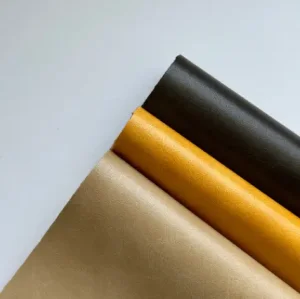
Barcelona Studio 0251: Custom Eco-Friendly Sustainable Synthetic Leather
View Tech Specs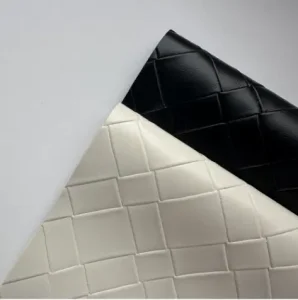
Catalonia Green Grade 9338: Custom Sustainable Man-Made Leather
View Tech Specs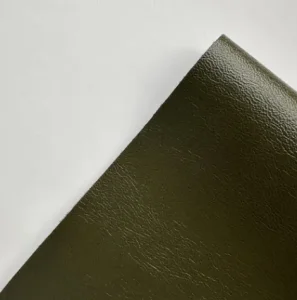
Iberian Marina 0230: Custom Eco Sustainable Synthetic Leather
View Tech Specs
Barcelona Runway 9081: High-Quality Eco Sustainable Leather
View Tech Specs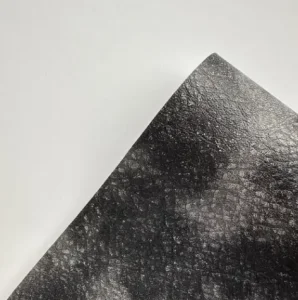
Martorell Auto 0045: Wholesale Low-Carbon Sustainable Synthetic Leather
View Tech Specs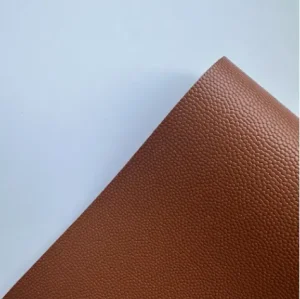
Contract Seating 9142: Wholesale Sustainable Eco Synthetic Leather
View Tech Specs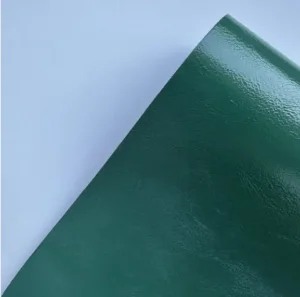
Iberian Sneaker 9333: High-Quality Low-Impact Green Synthetic Leather
View Tech Specs