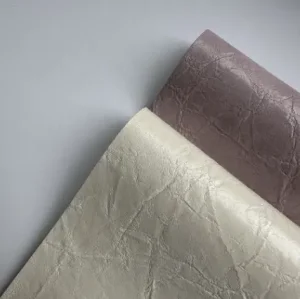
High-Spec RCS Synthetic Leather Formulations for Hungary
Engineered to satisfy the stringent physical and chemical requirements of Hungary’s automotive corridors (Győr, Debrecen, Kecskemét) and contract seating fabricators.
-
Automotive & Contract Grade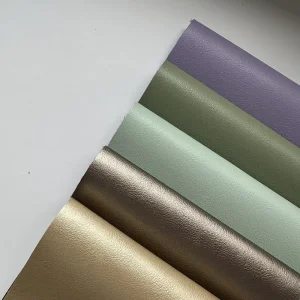
-
Custom Grain & Substrate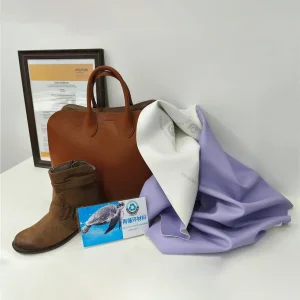
-
Micro-Perforated Comfort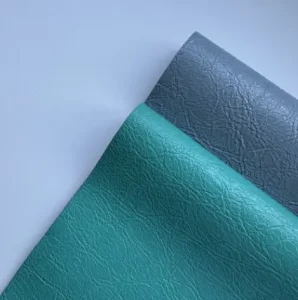
-
High-Abrasion Formulation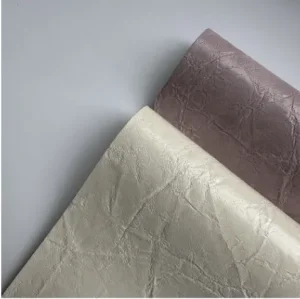
The Strategic Decarbonization of Hungary’s Manufacturing Heartland
Analyzing the intersection of Central European manufacturing clusters, European Union circular directives, and third-party verified Recycled Claim Standard materials.
Hungary’s Ascendance as Europe’s Next-Gen Mobility & Engineering Node
Hungary has undergone an extraordinary structural transition, consolidating its position as one of the European Union's premier automotive and technical industrial powerhouses. The nation hosts core assembly and manufacturing complexes for world-leading OEMs—including Audi Hungaria in Győr (the world's largest engine factory and major EV assembly facility), Mercedes-Benz Manufacturing Hungary in Kecskemét, Magyar Suzuki in Esztergom, the landmark BMW Group Plant in Debrecen, and BYD’s landmark European passenger car production facility in Szeged. Surrounding these apex enterprises is a sophisticated ecosystem of Tier-1 and Tier-2 interior trim integrators, seat trimmers, steering wheel wrapping specialists, and cut-and-sew operations.
Historically, these Tier-1 suppliers relied on conventional fossil-based virgin Polyvinyl Chloride (PVC) and Polyurethane (PU) substrates. However, the regulatory environment across the European continent has fundamentally transformed. With the implementation of the European Green Deal, the Corporate Sustainability Due Diligence Directive (CSDDD), and aggressive Scope 3 carbon reduction mandates imposed by major German, Japanese, and international automakers, Hungarian Tier-1 converters can no longer source non-traceable synthetic materials.
The Recycled Claim Standard (RCS 2.0), overseen by the Textile Exchange, has emerged as the definitive certification protocol. Unlike unverified "green" marketing labels, RCS mandates complete chain-of-custody (CoC) validation from post-consumer recycled plastic bottles (rPET) or post-industrial polyurethane polymers directly to the rolled yardage arriving at factory doors across Budapest, Győr, or Debrecen.
- Transaction Certificates (TCs): Every order supported by batch-specific TCs tracing raw scrap polymers back to accredited mechanical recycling facilities.
- EU REACH Annex XVII Compliance: 100% compliant with Substances of Very High Concern (SVHC), zero DMFa (< 5 ppm custom options), zero phthalates, and no restricted heavy metals.
- Logistical Resiliency: Rapid intermodal transit lanes delivering container shipments to Budapest dry ports and bonded logistics hubs seamlessly.
Why RCS Certification Matters Under EU Law
The European Commission's Directive on Green Claims rigorously penalizes unsubstantiated sustainability claims. For synthetic textiles and coated fabrics entering the Hungarian customs zone, claims of "recycled content" must be verified by ISO/IEC 17065 accredited certification bodies.
Our factory integrates recycled polyethylene terephthalate (rPET) backings and bio-based/recycled polyurethane surface coats. Each linear meter delivers quantifiable Life Cycle Assessment (LCA) data, providing Hungarian purchasing directors with exact Product Carbon Footprint (PCF) metrics to report directly into OEM sustainability portals (such as Catena-X).
Engineering Benchmarks: RCS Synthetic Leather vs. Industry Standards
Rigorous mechanical, chemical, and organoleptic testing calibrated to VDA, DIN, and ISO automotive/contract standards.
| Performance Characteristic | Test Standard / Method | Standard Synthetic Leather | JiangXin RCS Custom Formulation | Hungary/EU Target Standard |
|---|---|---|---|---|
| Recycled Polymer Content | ISO 14021 / Textile Exchange RCS 2.0 | 0% (Virgin Petrochemical) | 30% – 75% Certified Post-Consumer rPET | ✓ Meets EU Circular Mandates |
| Martindale Abrasion Resistance | ISO 12947-2 (12 kPa load) | 30,000 – 50,000 Cycles | 100,000 – 200,000+ Cycles (Zero Breakdown) | ✓ Exceeds Heavy Contract/Auto |
| Bally Flexometer Fatigue | ISO 5402-1 (-10°C & 23°C) | 30,000 Flexes (Micro-fissures) | 150,000 Flexes Dry / 50,000 Flexes at -15°C | ✓ Severe Winter Performance |
| Hydrolysis Resistance (Jungle Test) | 70°C, 95% Relative Humidity | 3 – 5 Weeks until peeling | 7 – 10+ Weeks Premium Polycarbonate/Polyether | ✓ 10+ Year Vehicle Lifespan |
| Residual Solvent (DMFa Concentration) | DIN EN ISO 18218 / VDA 278 | > 200 – 500 ppm | < 50 ppm (Solvent-Free Options < 5 ppm) | ✓ Strictest EU REACH Standard |
| Odour & Fogging Characteristics | VDA 270 (Odour) / DIN 75201 (Fogging) | Grade 4.0 (Noticeable odour) | Grade 2.5 – 3.0 / Gravimetric Fogging < 2 mg | ✓ Premium German OEM Approved |
| Flame Retardancy | FMVSS 302 / ISO 3795 / EN 1021-1&2 | Standard burn rate > 100 mm/min | Self-Extinguishing (Burn rate < 40 mm/min) | ✓ Global Interior Safety Pass |
Water-Borne Polyurethane (WPU)
Eliminating traditional volatile organic solvents, our Hungarian market formulations leverage aqueous dispersion systems. By using water as the primary dispersion medium rather than dimethylformamide (DMF) or methyl ethyl ketone (MEK), we ensure non-toxic fabrication floors and zero toxic emissions for end-users.
100% Solvent-Free Hot Melt Coating
Utilizing multi-roller reactive hot-melt coating technology, our solvent-free lines apply 100% solid polyurethane prepolymers directly onto post-consumer recycled microfibre or woven fleece. This creates impenetrable inter-layer bonding strength while saving up to 60% process energy.
Engineered Microfibre Substrates
The structural integrity of synthetic leather rests upon its base. We utilize ultra-fine sea-island microfibre structures manufactured from recycled PET chips, yielding a 3D stereoscopic cross-linked matrix identical in density, tensile rebound, and drape to premium Scandinavian calfskin.
Localized Applications Across Hungary’s Primary Industries
From the automated assembly lines of Győr to designer workshops in Budapest, our materials satisfy strict sector-specific protocols.
Automotive Seating & Cockpit Interior Modules
Engineered specifically for Tier-1 seat manufacturers, door-panel laminators, center consoles, and instrument panel wrapping across Hungarian assembly hubs. Featuring enhanced UV stability (QUV 1,000+ hours without color shift), extreme scratch resistance, and low fogging to preserve windshield optical clarity in high-temperature summer conditions.
Central European Contract & Healthcare Furniture
Designed for high-traffic hospitality suites, educational complexes, and institutional facilities throughout Hungary and the wider Visegrád Group (V4). Treated with permanent non-leaching antimicrobial coatings, stain-resistant crosslinkers (resistant to hospital-grade disinfectants, alcohol, and betadine), and dual-certified to EN 1021 Part 1 & 2 fire standards.
Luxury Consumer Goods, Footwear & Leathergoods
For Central European luxury brands, sustainable fashion ateliers, and technical footwear producers requiring supple drape, buttery surface haptics, and crisp edge-creasing properties. Compatible with high-frequency embossing, computerized automated laser cutting, and solvent-free bonding agents.
End-to-End Enterprise Solutions for Hungarian Sourcing Hubs
A structured, risk-mitigated technical roadmap ensuring continuous supply, full legal traceability, and zero production stoppages.
Solving Regulatory Friction Under EU CBAM & CSRD
As European manufacturers face the stringent auditing rules of the Corporate Sustainability Reporting Directive (CSRD) and the phased implementation of the Carbon Border Adjustment Mechanism (CBAM), sourcing departments cannot accept opaque tier-3 declarations. A single non-compliant textile batch can halt vehicle type approvals or generate substantial financial penalties under European chemical compliance laws.
JiangXin provides an enterprise-level regulatory shielding solution for Hungarian corporate clients:
- Official Certification Packets: Direct transfer of third-party Scope Certificates (SC) and batch-specific Transaction Certificates (TC) generated via accredited registries.
- Digital Product Passport (DPP) Integration: Full readiness for upcoming EU DPP standards, with QR-coded and batch-serialized rolls detailing chemical composition, exact recycled ratio, and carbon footprint.
- Custom Physical Engineering: In-house masterbatch color-matching (Delta E < 0.5 under multiple illuminants D65/TL84/A), custom silicone topcoats for stain immunity, and adjustable elongation for high-speed automated sewing lines.
Technical Roadmap (2025–2030)
Transitioning from recycled PET backing substrates only to integrating chemical recycling polyols into the functional polyurethane surface resin layer itself, pushing total recycled content above 65%.
Combining USDA/DIN-certified agricultural non-food biobased polyols with post-consumer rPET substrates to decrease product fossil reliance down to under 20% total mass.
Engineering pure 100% TPU (Thermoplastic Polyurethane) skin, foam, and backing systems that can be entirely re-melted and re-pelletized at vehicle end-of-life without de-lamination.
Frequently Asked Questions for Hungarian B2B Importers
Direct answers addressing procurement, compliance, customs tariffs, logistics, and technical validation.
What is the definitive distinction between RCS and GRS certification for the Hungarian market?
How are Transaction Certificates (TCs) issued for deliveries arriving in Hungary?
What are the typical lead times and logistics routes to industrial hubs like Győr, Budapest, and Debrecen?
How does JiangXin synthetic leather perform against German automotive OEM testing criteria (VDA 278, VDA 270)?
Can you customize backing fabrics to match our automated die-cutting and vacuum thermoforming lines?
What are the Minimum Order Quantities (MOQ) for custom color-matching and bespoke textures?
RCS-Certified Recycled Synthetic Leather Series
Explore our complete technical catalog of certified recycled synthetic leather formulations, available for global and Hungarian contract orders.
-
Ref 9078 · Traceable Recycled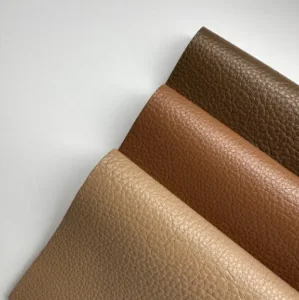
-
Ref 9088 · Matte Luxury Grain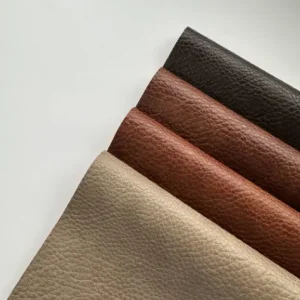
-
Ref 9240 · Official RCS Certified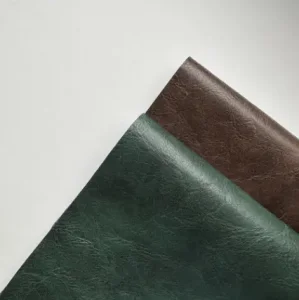
-
Ref 9271 · Solvent-Free Matrix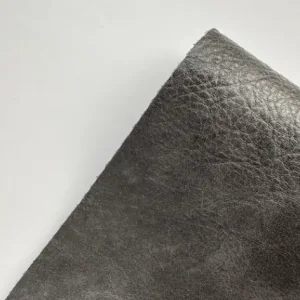
-
Ref 0138 · Hydrolysis Resistant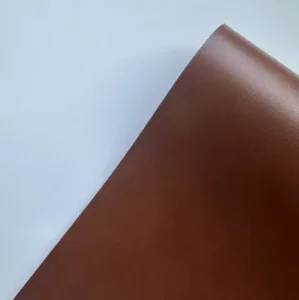
-
Ref 2058 · Heavy Contract Grade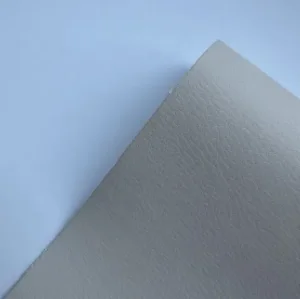
-
Ref 0084 · Microfibre Supple Base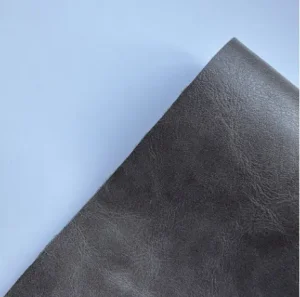
-
Ref 0212 · Flame Retardant Spec