
High-Spec Sustainable Materials for Victorian Commercial Developers
Engineered to balance tactile luxury with low-VOC environmental requirements, our flagship bio-circular grades meet stringent Australian fire and abrasion benchmarks.
-
OEM Production
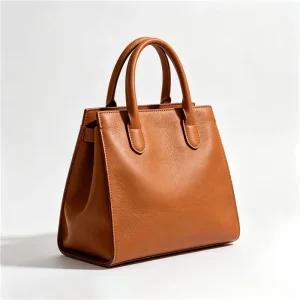
-
Commercial Grade
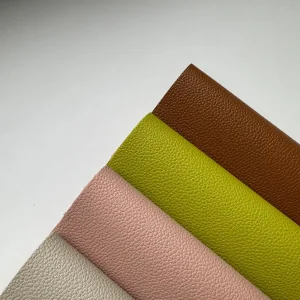
-
Bio-Circular 0212
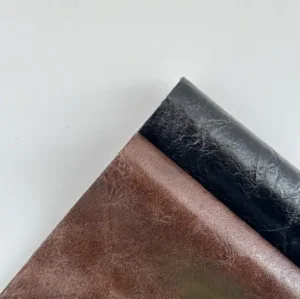
-
Waterborne System
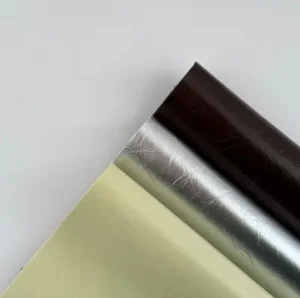
Navigating Melbourne’s Sustainable Manufacturing & Design Renaissance
Melbourne stands at the nexus of Australasia's design, retail fashion, and architectural sectors. From boutique apparel houses centered around Fitzroy and Collingwood to tier-1 interior architecture firms on Collins Street and commercial transport refitters along the Dandenong corridor, the demand for sustainable, circular-economy materials has shifted from an optional marketing differentiator to an absolute tender requirement.
Victoria's aggressive circular economy initiatives—including mandated embodied carbon reduction benchmarks across commercial builds and ESG compliance across retail supply chains—place severe pressure on traditional petroleum-derived vinyls (PVC) and toxic dimethylformamide (DMF) solvent-based polyurethanes. Sourcing professionals across Melbourne require certified, verifiable alternatives that maintain aesthetic warmth and mechanical endurance without chemical toxicity.
- Strict VOC Mitigation: Zero DMF, formaldehyde, or plasticizer migration, enabling compliance with Green Building Council of Australia (Green Star) ratings.
- Australian Climate Resistance: High UV resistance and thermal stability tailored to endure Victoria's erratic weather patterns and intense oceanic UV index.
- Direct Sea Freight Logistics: Rapid, consolidated container shipments routed directly to the Port of Melbourne from our solar-powered manufacturing base in Guangdong.
Engineered Material Architectures: From Polymerization to Roll
We replace legacy petroleum chains with bio-based chemistry and post-consumer polymers without compromising physical touch, tensile capacity, or processing ease on CNC cutting tables.
Bio-Based Polymer Synthesis
By extracting polyols from non-food agricultural biomass (such as industrial corn and castor beans), we substitute up to 40%-65% of petrochemical inputs in the polyurethane resin layer. Measured accurately via ASTM D6866 carbon isotopic dating, this process drastically trims upfront cradle-to-gate carbon emissions for Melbourne fashion and product designers.
RCS Certified Circular Backings
Our composite substrates integrate 100% GRS/RCS-certified post-consumer recycled polyethylene terephthalate (rPET) derived from oceanic and municipal plastic waste. This circular integration guarantees structural tear resistance and structural elongation identical to virgin polyesters while fulfilling procurement mandates under Australia's Packaging and Waste Covenant frameworks.
Zero-VOC Waterborne Surface Chemistry
Conventional synthetic leathers rely on toxic solvents like dimethylformamide (DMFa), toluene, and methyl ethyl ketone (MEK). Our proprietary water-based PU dispersion (PUD) lines eliminate hazardous solvents entirely, yielding an odorless roll that satisfies strict airborne VOC standards for luxury hotel retrofits in Melbourne and automotive cabin spaces.
Engineering Specifications vs. Conventional Substrates
A rigorous side-by-side comparison for Melbourne material engineers, procurement managers, and production developers comparing environmental PU with legacy synthetics and genuine leather.
| Performance / Attribute Parameter | JX.ECO Biobased & RCS PU | Conventional Solvent PU | Standard PVC (Vinyl) | Traditional Bovine Leather |
|---|---|---|---|---|
| Embodied Carbon Index (kg CO₂e/m²) | Low (1.8 – 3.2) | High (6.5 – 8.8) | Very High (9.0 – 12.0) | Extremely High (25.0 – 42.0) |
| VOC Content & Chemical Solvents | Zero DMF / Solvent-Free | Residual DMFa (10–300 ppm) | High Phthalate Plasticizers | Chromium VI / Tanning Residues |
| Martindale Abrasion (ISO 12947-2) | 100,000+ Cycles | 40,000 – 60,000 Cycles | 30,000 – 50,000 Cycles | Variable by hide split (40k–80k) |
| Hydrolysis Resistance (Jungle Test) | 5 to 10 Years Tropical Sim. | 2 to 4 Years | High (Hardens / Cracks) | Susceptible to mold/humidity |
| Cutting Yield Efficiency | 98% – 100% Uniform Roll | 95% – 98% Roll | 98% – 100% Roll | 65% – 75% (Flaws, edge waste) |
| Global & AU Regulatory Compliance | AS 1530.3, REACH, RoHS, USDA | Limited REACH Pass | Non-compliant with Green Star | Traceability / Deforestation risks |
Reliable Localized Support & Rigorous Compliance Assurance
Entering Australian retail, architectural, and commercial transportation sectors requires meticulous third-party verification and dependable, cross-ocean technical coordination.
AS 1530.3 Fire Rating Readiness
Commercial architectural fitouts across Victoria must meet strict early fire hazard properties under Australian Standard AS/NZS 1530.3. Our technical team formulates customized non-halogenated, eco-safe flame retardants into the resin surface, preventing flame spread and noxious smoke generation in public gathering spaces, hotels, and mass transit interiors.
Direct Melbourne Sample Hubs
Accelerating time-to-market is crucial for fast-paced sampling seasons. We provide 48-hour dispatched express physical sample books, lab dip swatches, and grain texture portfolios directly to design studios and procurement offices throughout Greater Melbourne, Geelong, and regional Victoria.
Complete Chain of Custody (TC)
For brands targeting verified sustainable claims under the Recycled Claim Standard (RCS) or Global Recycled Standard (GRS), our QA department generates transaction certificates (TC) matched to specific roll barcodes, ensuring total audit defense during corporate ESG reporting or customer sustainability reviews.
Technology Roadmap: The Future of Synthetic Leather Science
How our continuous R&D investments bridge current commercial demands with the next decade of absolute circularity, biodegradable chemistry, and energy-neutral manufacturing.
High-Percentage Bio-Content Commercialization
Expanding non-food agricultural biomass carbon replacement levels beyond 50% across our entire core catalog. Developing drop-in bio-coatings that require no machinery recalibration for Melbourne footwear lastmakers, fashion cutters, or CNC industrial upholstery stitchers.
Enzymatic & Industrial Monomer Recyclability
Engineering mono-material polyurethane structures where surface coatings and woven backings share identical chemical baselines. This breakthrough enables closed-loop depolymerization at end-of-life, allowing discarded garments or automotive seats to be converted back into raw monomers without downcycling.
Carbon-Negative & Bio-Degradable Matrices
Integrating CO₂-capture polyols directly synthesized from industrial flue gas emissions, coupled with biodegradable aliphatic polyesters that safely breakdown in controlled composting facilities, eradicating microplastic permanence in Australian marine and terrestrial biomes.
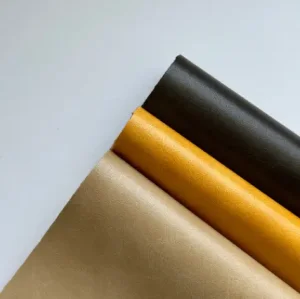
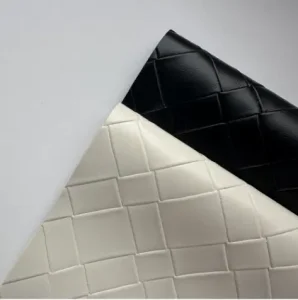
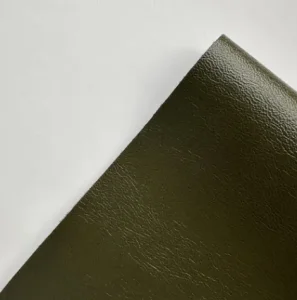
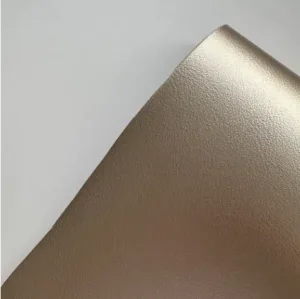
Engineered Reference Range: Custom Specifications & Roll Orders
Explore our complete selection of production-proven references. Every single article can be tailored to meet your required thickness, backing knit, flame retardancy level, and custom Melbourne Pantone colorway.
-
Series 0251
-
Series 9338
-
Series 0230
-
Series 9081
-
Series 0045
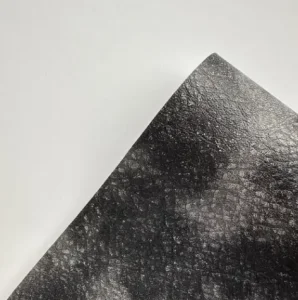
-
Series 9142
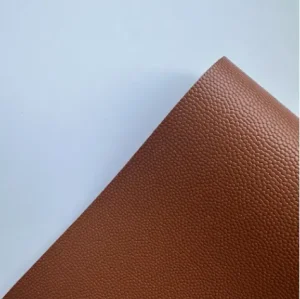
-
Series 9333
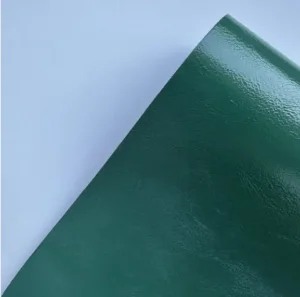
-
Series 9077
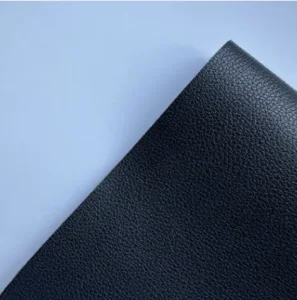
Frequently Asked Technical & Sourcing Inquiries
Transparent technical, regulatory, and logistics details to assist procurement officers and design directors across Melbourne and Australia.
How does JiangXin manage logistics and customs clearance into the Port of Melbourne?
Can your synthetic leather fabrics meet Australian commercial flame retardancy standards (AS 1530.3)?
How is the biobased percentage verified, and what proof is supplied for Australian sustainability auditing?
What Minimum Order Quantities (MOQ) and lead times apply for custom Pantone color matching?
Why is solvent-free waterborne PU superior to conventional PVC in Victoria's climate?
Have a technical question not addressed here or require custom roll formulation specs?
Send Inquiry Now