
Curated Material References for Tokyo Designers
Direct OEM manufacturing solutions engineered to exceed Tokyo's demanding tactile feel, zero-VOC specifications, and rigorous mechanical tolerances.
-
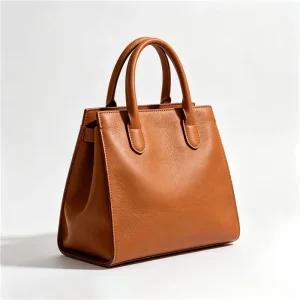 Tokyo Apparel Standard: OEM Eco-Friendly Sustainable Synthetic Leather
OEM Eco-Friendly Sustainable Synthetic Leather Manufacturer, Factories
-
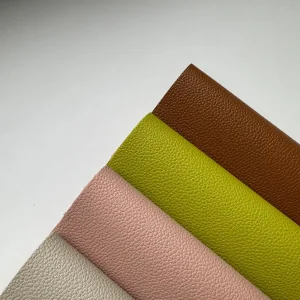 Tokyo Luxury Footwear: High-Quality Sustainable Eco-Friendly Faux Leather
High-Quality Sustainable Eco-Friendly Faux Leather Supplier, Suppliers
-
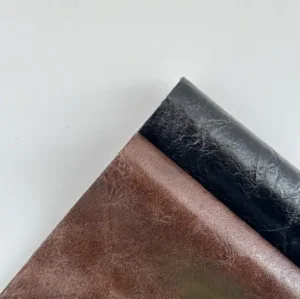 Ginza Retail Edition: Wholesale Eco-Friendly Sustainable Synthetic Leather-0212
Wholesale Eco-Friendly Sustainable Synthetic Leather-0212 Manufacturer, Suppliers
-
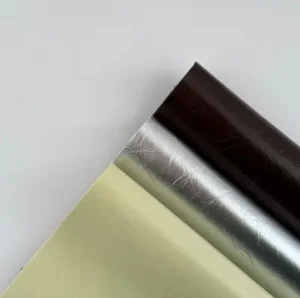 Tokyo Accessories Line: OEM Sustainable Eco-Friendly Faux Leather-0195
OEM Sustainable Eco-Friendly Faux Leather-0195 Manufacturers, Supplier
Tokyo Market Landscape: The Circular Economy Transition
An in-depth analysis of regulatory pressures, consumer expectations, and decarbonization mandates driving artificial leather innovation in the Greater Tokyo Area.
Zero-Carbon Tokyo 2050 Mandates
Under the Tokyo Metropolitan Government's aggressive climate initiatives, tier-1 luxury brands in Ginza, Shibuya, and Omotesando are phasing out virgin petroleum-based PVC and DMF-reliant PU leather in favor of certified plant-based and waterborne matrix alternatives with documented carbon handprints.
Strict Low-VOC & Odorless Demands
The Japanese consumer market maintains the world's most unforgiving sensory standards. Interior synthetic leather items—such as high-end furniture in Minato-ku corporate offices and automotive interiors—require strictly non-detectable solvent odors, zero formaldehyde, and complete DMF/DMAC elimination.
Supply Chain Diversification
Tokyo commercial buyers are aggressively shifting from volatile, slow domestic batch-tanneries toward integrated high-capacity manufacturers in southern China, ensuring uninterrupted scale, rapid lab-dip turns, and auditable Recycled Claim Standard (RCS) tracking.
The Chinese Factory Advantage for Tokyo Enterprises
Combining world-scale polymer synthesis with advanced low-carbon engineering to deliver bespoke material excellence with rapid delivery to Tokyo and Yokohama ports.
Cost-to-Performance Superiority
By leveraging massive upstream chemical clusters and integrated knitting plants for recycled PET backing substrates, JiangXin reduces production expenditures by 30–45% compared to Japanese domestic synthetics, without sacrificing micro-texture fidelity or grain depth.
Rapid 48-Hour Swatch Customization
Our dedicated R&D prototyping facility delivers custom color lab-dips, bespoke grain embossings (including micro-pebble and toothpick textures), and customized hand-feel finishes to Tokyo-based design studios within 3 to 5 business days via express international air freight.
Full Chain-of-Custody Traceability
We provide comprehensive Transaction Certificates (TC) under the Recycled Claim Standard (RCS), along with third-party radiocarbon reports (ASTM D6866) validating up to 60% biobased renewable carbon content—vital for corporate ESG filings on the Tokyo Stock Exchange (TSE Prime).
Engineering Matrix: Comparing Synthetic Leather Technologies
A data-backed comparative breakdown of chemical foundations, lifecycle carbon footprints, and mechanical specifications designed for procurement directors.
| Evaluation Parameter | Legacy PVC / Solvent PU | JX Biobased Eco-Leather | JX RCS Recycled PU Leather |
|---|---|---|---|
| Raw Material Feedstock | 100% Fossil Hydrocarbons / Toxic Plasticizers | Plant-Derived Bio-Polyols (Corn / Castor Oil) | Traceable Post-Consumer rPET + Recycled Microfiber |
| VOC & Odor Level | High (Contains VOCs, DMFa, Phthalates) | Near Zero (Waterborne / Solvent-Free) | Ultra-Low (Meets Tokyo Automotive Standards) |
| Bally Flexometer Life | 30,000 – 50,000 cycles | 150,000+ cycles at room temp (-20°C: 80k+) | 100,000+ cycles (High resilience matrix) |
| Hydrolysis Resistance (Jungle Test) | 1 - 3 years equivalent | 7 - 10 years (10 weeks at 70°C, 95% RH) | 5 - 8 years standard |
| Environmental Certifications | Often fails EU REACH / RoHS | USDA BioPreferred (ASTM D6866), OEKO-TEX 100 | RCS (Textile Exchange Chain of Custody), GRS |
Tokyo Market Custom Applications & Case Scenarios
Engineered to adapt to precision manufacturing across Japan's most demanding product sectors.
Next-Gen EV Interiors
Supplying waterborne, non-glare, anti-scratch synthetic leather tailored for dashboard surfacing, steering wheel wrapping, and seating skins for Japanese electric vehicle programs requiring high flammability resistance (FMVSS 302).
Harajuku & Ginza Fashion Leathergoods
Delivering high-tensile, supple-drape vegan leather for premium handbags, minimalist wallets, and avant-garde footwear. Available with custom mill grains, high stitch-tear strength, and authentic wax-pull-up effects.
Tokyo Hospitality & Contract Seating
Engineered for high-traffic luxury restaurants, boutique hotels in Roppongi, and corporate headquarters. Formulated with stain-resistant, antimicrobial, and alcohol-cleanable barrier finishes that resist degradation over years of intensive usage.
Frequently Asked Questions for Tokyo Sourcing Teams
Clear, direct answers regarding compliance, material testing, shipping schedules, and production customization.
How does your material comply with Japan's Industrial Standards (JIS) and Chemical Regulations?
What is the realistic shipping lead time from your Guangdong campus to Tokyo port?
Can JiangXin provide official Recycled Claim Standard (RCS) Transaction Certificates?
What is the Minimum Order Quantity (MOQ) for custom color and grain development?
How do your biobased leathers maintain durability compared to fossil-based PU?
Comprehensive Catalog of Eco-Synthetic Solutions
Explore our full range of certified sustainable surfaces engineered for global export and Japanese manufacturing specifications.
-
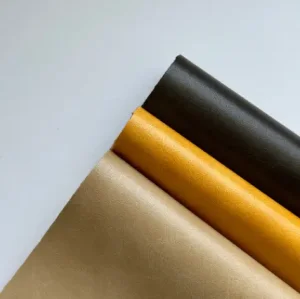 Tokyo Line: Custom Eco-Friendly Sustainable Synthetic Leather-0251
Custom Eco-Friendly Sustainable Synthetic Leather-0251 Suppliers, Factories
-
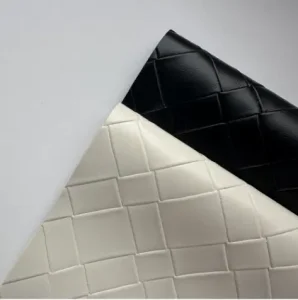 Tokyo Urban Series: Custom Green Sustainable Man-Made Leather-9338
Custom Green Sustainable Man-Made Leather-9338 Manufacturers, Suppliers
-
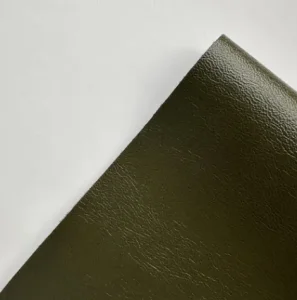 Tokyo Modern Classic: Custom Eco-Friendly Sustainable Synthetic Leather-0230
Custom Eco-Friendly Sustainable Synthetic Leather-0230 Manufacturer, Suppliers
-
 Tokyo Spec: High-Quality Eco-Friendly Sustainable Synthetic Leather-9081
High-Quality Eco-Friendly Sustainable Synthetic Leather-9081 Manufacturer, Factory
-
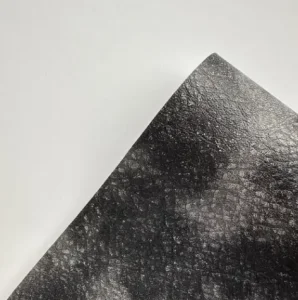 Low-Carbon Tokyo: Wholesale Low-Carbon Eco Sustainable Synthetic Leather-0045
Wholesale Low-Carbon Eco Sustainable Synthetic Leather-0045 Manufacturers, Factory
-
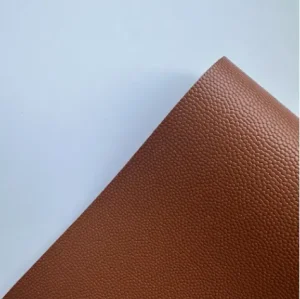 Eco-Conscious Tokyo: Wholesale Sustainable Eco-Conscious Synthetic Leather-9142
Wholesale Sustainable Eco-Conscious Synthetic Leather-9142 Manufacturer, Supplier
-
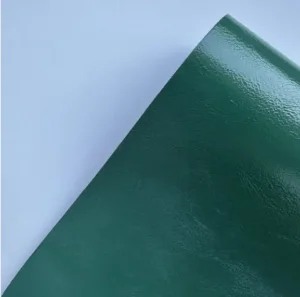 Tokyo Premium: High-Quality Low‑Impact Green Sustainable Synthetic Leather-9333
High-Quality Low‑Impact Green Sustainable Synthetic Leather-9333 Manufacturers, Factories
-
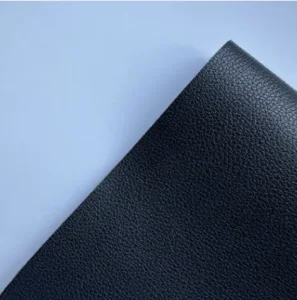 Zero-Carbon Tokyo Goal: High-Quality Green Low‑Carbon Sustainable Synthetic Leather-9077
High-Quality Green Low‑Carbon Sustainable Synthetic Leather-9077 Suppliers, Factories