
High-Performance Eco Synthetic Leathers: Core Lineup
Direct supply from our Yingde smart manufacturing campus. Every reference integrates molecularly locked pigments, solvent-free PU backings, and verified renewable content.
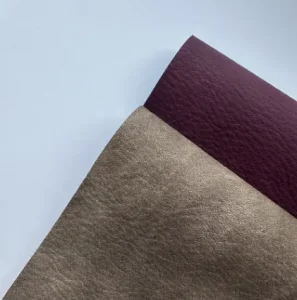
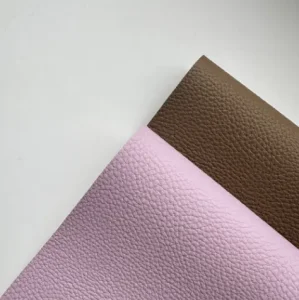
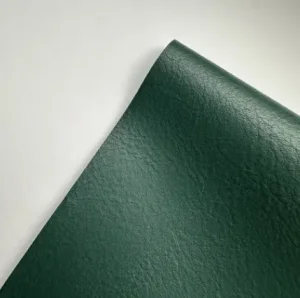
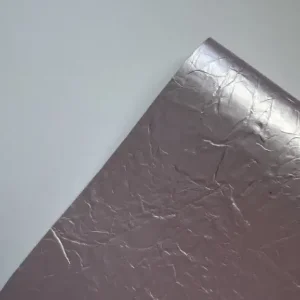
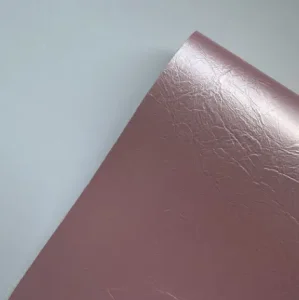
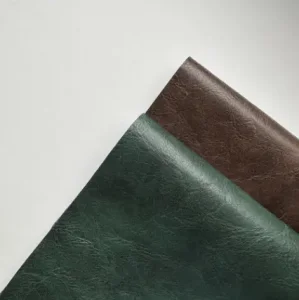
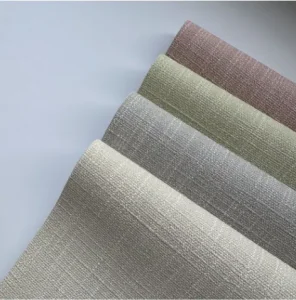
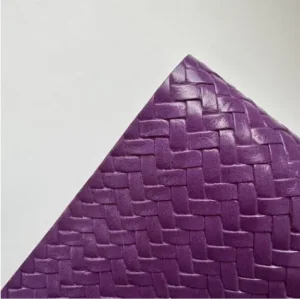
Macro Industry Drivers & Next-Gen Vegan Leather Systems
The global luxury, automotive, and sports footwear industries are transitioning from legacy PVC and solvent-borne PU toward carbon-neutral, plant-based chemistry and circular materials.
Overcoming the Fossil Carbon Paradigm in Modern Synthetics
Legacy artificial leather relies heavily on petroleum distillates, producing significant VOC emissions and non-degradable microplastics upon disposal. JiangXin New Material operates at the intersection of polymer science and industrial ecology. By substituting petrochemical monomers with agricultural renewable feedstocks (corn, soy, and agricultural byproducts), our bio-based polyurethane achieves up to 45% bio-carbon content verifiable under ASTM D6866. Furthermore, our closed-loop aqueous and solvent-free production processes eliminate harmful solvents like DMFa, meeting the strictest global limits for tier-1 fashion and transport applications.
Bio-Based Polymers
Polyols derived from renewable plant matter create a supple, microporous structure that delivers the natural breathe-through and sensory characteristics of animal grain while reducing the cradle-to-gate carbon footprint by up to 38%.
RCS Recycled Substrates
Textile Exchange certified Recycled Claim Standard (RCS) backings turn post-consumer polyester bottles and upcycled leather scraps into heavy-duty structural matrices with verified chain-of-custody documentation.
100% Solvent-Free Aqueous PU
Our water-borne polyurethane (WPU) coating technology completely replaces organic solvents with water during synthesis, avoiding toxic evaporative emissions and keeping finished articles DMF/DMAC-free.
International Regulatory Assurance & Regional Compliance
Enterprise buyers require verifiable compliance data to meet evolving global regulations, including the EU Deforestation Regulation (EUDR), the Corporate Sustainability Due Diligence Directive (CSDDD), and international Restricted Substance Lists (RSLs).
EU REACH & SVHC
Certified free from over 230 Substances of Very High Concern (SVHC), complying with European chemicals regulations for garment, footwear, and consumer gear imports.
RCS Chain of Custody
Full transaction traceability through Textile Exchange accredited third parties, providing clear chain-of-custody documentation for consumer-facing recycled content claims.
Higg FEM Verification
Our Yingde facility actively reports through the Sustainable Apparel Coalition's Higg Facility Environmental Module (FEM), verifying air emissions, water use, and chemical stewardship.
US CA Prop 65 & TSCA
Screened to meet North American market entry standards, including heavy metal bans (Lead, Cadmium, Hexavalent Chromium) and flame retardant restrictions.
| Material Category | Bio/Recycled Carbon Content | Substrate Technology | Tensile Strength (N/3cm) | Taber Abrasion (Cycles) | Primary Certification |
|---|---|---|---|---|---|
| Bio-Based Series 9237 | 30% - 45% Bio-Polyol | Ultra-Fine Recycled Fiber | ≥ 450 N | > 50,000 (ASTM D3884) | USDA BioPreferred / ASTM D6866 |
| Circular RCS Recycled 9240 | ≥ 50% Post-Consumer PET | Mechanical Upcycled Matrix | ≥ 520 N | > 80,000 (Martindale) | Textile Exchange RCS 2.0 |
| Solvent-Free Eco PU 0212 | 0% Volatile Emitted | Solvent-Free Aqueous Backing | ≥ 400 N | > 40,000 (Dry/Wet Flex) | REACH / OEKO-TEX Eco-Passport |
| Extreme Wear High-End 9344 | 25% Renewable Content | High-Density Bio Microfiber | ≥ 650 N | > 100,000 (Wyzenbeek) | ISO 9001 / Higg FEM Index |
Engineered Application Scenarios & Physical Demands
Tailored physical formulations meet the rigorous demands of industrial design, from flex-crack resistance in cold footwear climates to UV-stable automotive surfaces.
Athletic Footwear & Sneakers
Engineered for high dynamic stress. Offers multi-directional elongation, cold-flex resistance past -20°C (Bally Flex > 100,000 cycles), and moisture-wicking micro-porosity to maintain structural performance under rigorous athletic use.
Luxury Handbags & Small Leather Goods
Provides uniform drape, edge-paint compatibility, and clean debossing performance. Formulations resist cosmetic transfer, everyday skin sebum contact, and dye migration for luxury aesthetics.
Automotive Interiors & Commercial Contract
Meets stringent cabin air safety thresholds with minimal fogging values (DIN 75201) and low odor (VDA 270). Incorporates halogen-free flame retardants (FMVSS 302) alongside superior UV resistance (QUV 1000h).
JiangXin Technology Roadmap: 2026 - 2030
We are advancing bio-polymer research from partial plant substitution to fully circular, enzymatic recycling, helping reduce long-term dependencies on non-renewable fossil inputs.
Next-Gen Bio-Polyols
Scaling commercial plant-derived polyols up to 45% bio-carbon, utilizing non-food agricultural waste to avoid competing with food agriculture.
Zero-Solvent Waterborne Systems
Transitioning lines to 100% water-dispersed PU and high-solid solvent-free formulations to remove processing VOCs and optimize line safety.
Post-Industrial Closed Loop
Deploying mechanical and chemical scrap repolymerization to reintroduce trimming waste directly back into virgin backing substrates.
Bio-Assimilable PU Matrices
Collaborating with university researchers to develop enzymatic-degrading bio-polyurethane structures for safe industrial composting at end-of-life.
Frequently Asked Procurement Questions
Direct technical answers addressing physical performance, commercial certifications, minimum order quantities, and batch-to-batch testing.
How does bio-based synthetic leather maintain structural durability?
Bio-based synthetic leather substitutes petroleum-derived polyols with engineered vegetable polyols at a molecular cross-linking stage. The urethane segments retain the tensile strength, scratch tolerance, and hydrolysis resistance of conventional PU, achieving 5 to 10 years of hydrolysis resistance under tropical jungle test conditions (70°C, 95% RH).
What is the official validation protocol for bio-carbon content?
We verify bio-carbon percentage using radiocarbon isotope analysis via ASTM D6866. This process measures contemporary Carbon-14 (¹&sup4;C) vs fossil carbon, providing buyers with verifiable USDA BioPreferred testing records for brand hangtags and sustainability disclosures.
Can you provide batch-level RCS Transaction Certificates (TC)?
Yes. Because our chain of custody is certified under the Recycled Claim Standard (RCS), we issue genuine Transaction Certificates (TCs) through our certification body for qualifying bulk orders, ensuring supply chain integrity for commercial tier-1 audits.
What are your typical production minimums and sample lead times?
Sample meter yardage is supplied rapidly within 3 to 7 working days from our custom color and grain lab. Bulk order Minimum Order Quantities (MOQ) typically start at 500 to 1,000 meters per color/grain/thickness, supported by our 16-million-meter annual facility capacity.
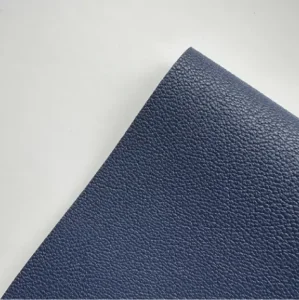
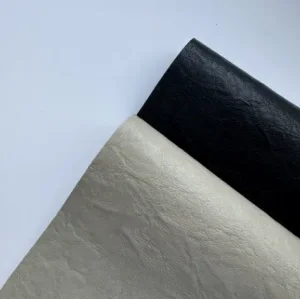
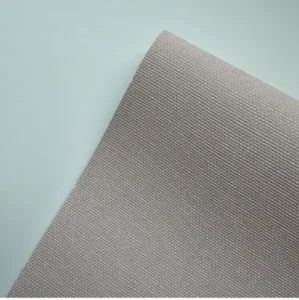
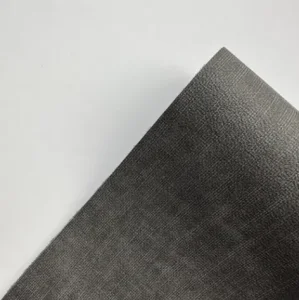
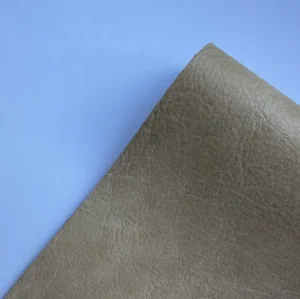
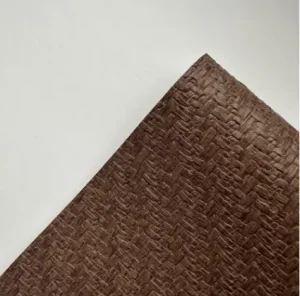
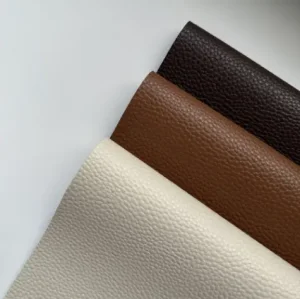
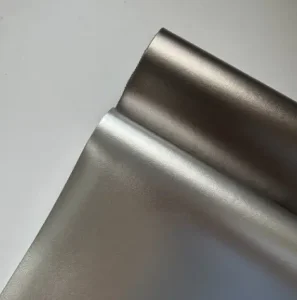
Circular & Plant-Derived Leather Portfolio
Explore additional verified material references engineered for durable performance and low carbon impact across footwear, apparel, and lifestyle accessories.
Accelerate Your Brand's Transition to Clean Materials
Connect with our technical R&D team to request sample yardage, obtain full physical test reports, or schedule an on-site audit of our 135,733 m² clean-tech production campus.
Initiate Sourcing Consultation