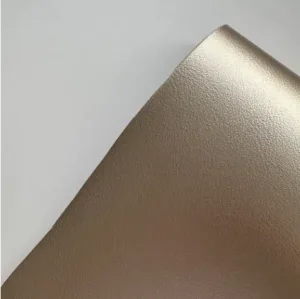
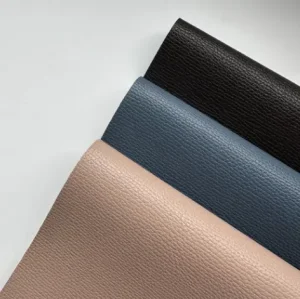
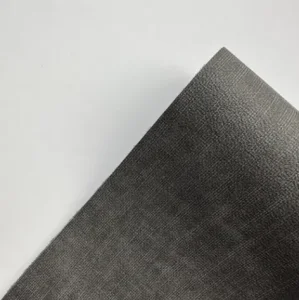
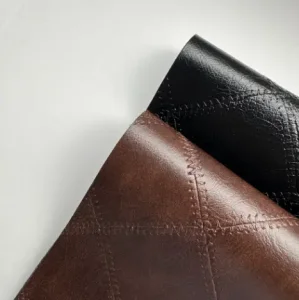
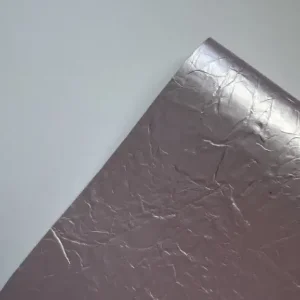
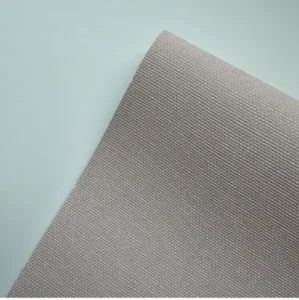
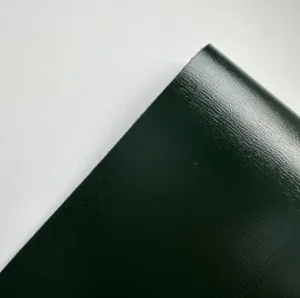
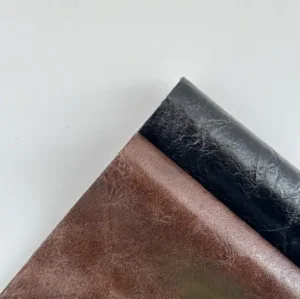
High-Performance Bio-Based & RCS Certified Series
Explore our laboratory-tested, commercial-grade vegan cactus leather and recycled synthetics. Engineered with solvent-free aqueous matrices and customized grain profiles for world-class product runs.
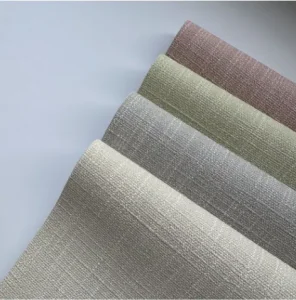
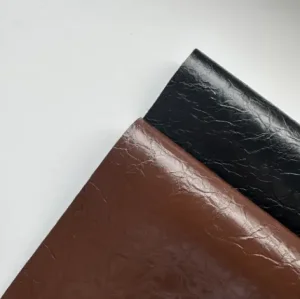
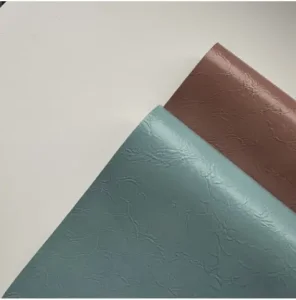
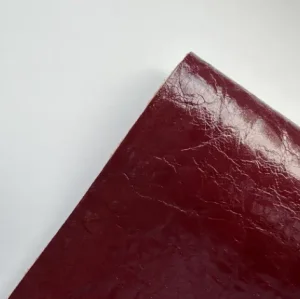
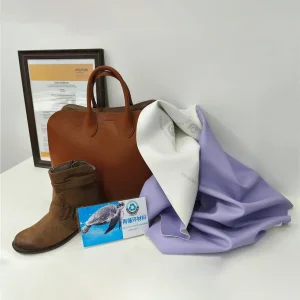
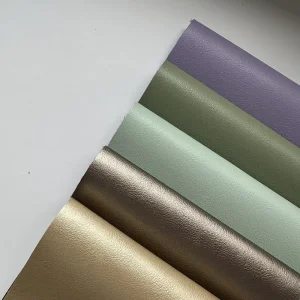
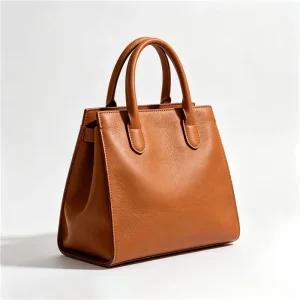
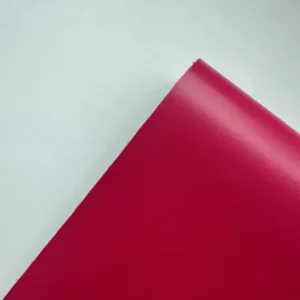
The Paradigm Shift in Bio-Based Cactus Leather Manufacturing
As the international leathergoods, footwear, and mobility sectors navigate mandatory carbon disclosures and chemical phase-outs, commercial-grade cactus leather (derived from the fibrous parenchyma of Opuntia ficus-indica) combined with bio-attributed polyols has emerged as the definitive high-yield, cruelty-free alternative to animal hides and pure fossil-based PVC/PU.
Direct Factory Verification: Beyond Greenwashing via ASTM D6866
Enterprise procurement requires verifiable chemistry, not unsubstantiated claims. At Yingde City JiangXin New Material Co., Ltd. (JX.ECO), our vegan cactus leather platforms incorporate cultivated cactus biomass with water-dispersible polyurethane resins over post-consumer recycled (RCS-certified) backing textiles. Every batch undergoes accelerated radiocarbon isotope analysis (ASTM D6866) to determine genuine biogenic carbon fraction versus fossil origin, enabling brands to substantiate Scope 3 greenhouse gas offsets with complete forensic transparency.
Why Tier-1 Global Brands Source Cactus Leather in China
The convergence of advanced fine chemical synthesis, automated continuous coating lines, and comprehensive raw material verticality positions our Guangdong manufacturing complex at the apex of global sustainable synthetic leather production.
Upstream Bio-Polymer Compounding
Unlike secondary converters who purchase generic bio-pastes, our on-site polymer compounding laboratories synthesize customized bio-polyols directly modified with micro-milled cactus leaf powder. This prevents phase-separation, ensures stable viscosity during knife-over-roll coating, and preserves natural organic breathability throughout production runs.
135,733 m² Eco-Industrial Infrastructure
Established on June 2, 2017, in Yingde Industrial Park, Guangdong, our factory operates with modern petrochemical layout standards. Natural daylight tempered-glass manufacturing bays, an integrated 4.68 MW rooftop photovoltaic array, and closed-circuit wastewater treatment systems dramatically suppress the embedded cradle-to-gate carbon footprint of every square meter fabricated.
Total Substrate & Finish Integration
We produce the entire composite stack in-house: from yarn spinning and knitting of recycled polyester/organic cotton bases to the formulation of non-toxic crosslinkers and anti-scratch waterborne surface lacquers. Eliminating external tolling reduces lead times from twelve weeks to twenty-five days while securing batch-to-batch Delta-E color tolerances under 0.8.
Enterprise Technical Specs & Quality Rater Verification
Enterprise procurement teams cannot afford premature material failure in field environments. Our vegan cactus leather compounds are continuously validated across mechanical, environmental, and toxicity vectors against ISO and ASTM protocols.
| Physical / Chemical Test Vector | Governing Standard | Enterprise Specification Range | Laboratory Observed Result | Compliance State |
|---|---|---|---|---|
| Biogenic Carbon Fraction | ASTM D6866-22 Method B | ≥ 30% - 65% Bio-based Carbon | 42% - 58% (Article Dependent) | PASSED / VERIFIED |
| Martindale Abrasion Resistance | ISO 12947-2 / ASTM D4966 | ≥ 50,000 Dry Rub Cycles @ 12kPa | > 100,000 Cycles (No Breakdown) | PASSED / VERIFIED |
| Bally Dynamic Flex Endurance | ISO 5402-1:2017 | ≥ 100,000 Cycles @ 23°C / 30,000 @ -20°C | 150,000 Cycles Zero Surface Fissure | PASSED / VERIFIED |
| Jungle Hydrolysis Test | ISO 1419 Tropical Chamber (70°C, 95% RH) | 5 - 10 Weeks Minimum Spec | Passed 8-10 Weeks (Grade 4-5) | PASSED / VERIFIED |
| Tear Strength (Trouser Tear) | ISO 13937-2 / ASTM D2261 | ≥ 35 N (Footwear/Apparel) / ≥ 55 N (Auto) | 48 N - 72 N (Customized Backing) | PASSED / VERIFIED |
| Restricted Chemical Screening | EU REACH Annex XVII / RoHS / 6P Free | < Reporting Limits (SVHC < 0.1% w/w) | ND (Non-Detectable Phthalates/DMFa) | PASSED / VERIFIED |
Localized Support & Cross-Border Regulatory Assurance
Exporting sustainable synthetic materials into Europe, North America, and East Asia demands rigorous alignment with fast-evolving green taxonomy frameworks, circularity decrees, and mandatory corporate supply chain due diligence.
EU REACH & Zero DMFa Mandate
All coating compounds utilize aqueous or high-solids solvent-free formulations. N,N-Dimethylformamide (DMFa), N,N-Dimethylacetamide (DMAc), and banned phthalate plasticizers (DEHP, DBP, BBP, DINP, DIDP, DnOP) remain non-detectable under GC-MS analysis, fulfilling EU Entry 72 & Entry 51 stipulations without exemption.
California Proposition 65 & PFAS Exemption
Designed for immediate retail authorization in the North American market. Our vegan cactus synthetics are formulated without intentionally added per- and polyfluoroalkyl substances (PFAS/PFOS/PFOA) for stain proofing, satisfying California AB 1817 and Prop 65 consumer defense requirements.
EPR & Digital Product Passport (DPP) Readiness
We provide full compositional teardown dossiers, upstream polymer bills of materials (BOM), and life cycle inventory (LCI) carbon datasets. This turnkey documentation empowers brand partners to instantly generate compliant Digital Product Passports under the European Ecodesign for Sustainable Products Regulation (ESPR).
RCS Chain of Custody & TC Issuance
For hybrid constructions pairing cactus polyols with post-consumer recycled substrates, our facility maintains active Recycled Claim Standard (RCS) accreditation through approved certification bodies, providing official Transaction Certificates (TC) per shipment lot.
Tailored Application Profiles Across Global Sectors
A single synthetic formulation cannot satisfy the diverse mechanical profiles required by footwear flex fatigue, automotive solar-load stability, and apparel drape. We tune our polymer density and backing modulus to exact application profiles.
Luxury Handbags & Leather Goods
Formulated for distinct dimensional edge paint adhesion, high stitch-tear resistance, and an authentic warm, buttery hand-feel. Provides luxury designers with flawless surface uniformity, zero flank wastage, and exceptional emboss definition for pebble, saffiano, or toothpick grains.
Performance Footwear & Sneaker Uppers
Engineered to endure repetitive high-stress flexing and aggressive scuffing. Features breathable bio-membranes that regulate microclimate vapor transfer while offering superior adhesion to vulcanized rubber, EVA, and TPU midsoles in automated lasting machines.
Automotive Seating & Interior Cabins
Specially stabilized against prolonged UV irradiance, high-temperature cockpit baking, and severe soiling. Conforms to stringent automotive low-VOC emission parameters and flammability metrics (FMVSS 302) without toxic halogenated retardants.
Precision OEM/ODM Workflow: Concept to Container
From initial design intent to physical master rolls, our five-stage manufacturing deployment process guarantees strict adherence to client technical packages, certification protocols, and on-time global logistics.
Technical Brief & Analysis
Procurement teams provide end-use criteria, target bio-content percentage, target grain code, hand feel (temper), and specialized RSL restrictions.
Custom Swatch & Lab-Dip
Our lab formulates pilot batches within 5-7 business days, generating spectrophotometer color-matched swatches and customized grain strikes.
Physical & RSL Testing
Pre-production pilot yardage undergoes rigorous physical testing: tensile pull, cold crack, hydrolysis, and chemical testing for buyer sign-off.
Automated Production
Approved formulations are locked into our continuous lines. Inline optical sensors monitor gauge consistency across the entire width.
Quality Audits & Export
Every roll is 100% inspected under the 4-point system, shrink-wrapped with barcoded tracking, and paired with COA and compliance documentation.
Industry Evolution: The Next Frontier of Plant-Based Synthetics
The first generation of synthetic leathers relied on petroleum polymers, while early bio-alternatives struggled with hydro-stability and peeling. Today, molecular engineering is driving deep technical breakthroughs.
Second-Generation Bio-Polyols
Moving beyond simple blending of dried organic matter, next-gen cactus chemistry utilizes enzymatically degraded cactus cellulose and mucilage converted directly into polyether polyols. This enables complete integration at the polymer chain level, producing materials with up to 75% biogenic carbon without compromising mechanical flex life.
True Monomaterial Recyclability
The historic bottleneck in composite leathergoods recycling has been separating polyurethane topcoats from polyester base fabrics. JX.ECO's ongoing circularity trials engineer chemically matched thermoplastic bio-polyurethane (Bio-TPU) layered over 100% recycled polyester (rPET) fibers, permitting mechanical regrinding at product end-of-life.
Accelerated Scope 3 Decarbonization
With corporate carbon disclosure frameworks becoming mandatory across the EU (CSRD) and US SEC jurisdictions, brands are tracking Life Cycle Assessments (LCA) at the SKU tier. Substituting animal-derived leather with our solar-powered cactus synthetic yields an estimated 78% reduction in CO₂ equivalent emissions per square meter.
Frequently Asked Questions by Sourcing Directors
Clear, direct technical answers regarding minimum order quantities, compliance verification, lead times, and custom physical property engineering.
How does cactus leather compare to traditional leather and fossil-based PU?
Traditional bovine leather carries an intense environmental burden in land degradation, cattle methane emissions, and chrome-tanning wastewater. Fossil-based PU, while cruelty-free, relies 100% on petrochemical feeds. Vegan cactus leather bridges this gap by substituting 30% to 65% of petrochemicals with renewable Nopal cactus biomass, offering luxurious grain touch, superior cut yield (>95%), and a drastically reduced carbon footprint without animal cruelty.
What is the standard production lead time and factory Minimum Order Quantity (MOQ)?
For catalog reference articles with established emboss rollers, our standard MOQ is 500 linear meters per color/grain. Custom color formulations (matched to Pantone codes) and specialized backings (such as recycled microfibers or organic cotton twill) typically carry a 1,000-meter MOQ. Lab swatches take 5-7 business days, with mass production runs completing in 20-25 calendar days.
Can you provide batch-level certification for bio-based content and recycled claims?
Yes. For every commercial production run, we can supply analytical Certificates of Analysis (COA) cross-referencing ASTM D6866 bio-carbon tests. If your purchase specification incorporates our recycled backing materials, we provide Textile Exchange Recycled Claim Standard (RCS) Transaction Certificates (TCs) verifying unbroken chain of custody from recycler to your designated factory port.
How does the material perform in humid or tropical export environments?
Inferior synthetic leathers degrade rapidly in warm, humid regions due to ester bond hydrolysis. Our cactus leather series is formulated with specialized polycarbonate or polyether modified water-based polyurethane polymers that reliably pass 8 to 10 weeks of Jungle Chamber testing (ISO 1419 at 70°C and 95% relative humidity), simulating over 5 to 7 years of real-world ambient performance without surface tackiness or delamination.
Traceable Bio-Derived & Low-Carbon Impact Materials
Review our specialized low-carbon impact eco synthetics, plant-sourced polyurethane finishes, and certified traceable rolls engineered for luxury apparel, high-turnover footwear, and commercial contracts.