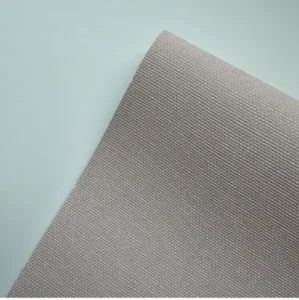
Heavy-Gauge Engineered Leather Articles
Procure directly from our Yingde smart factory. These 8 flagship formulations combine structural tensile integrity, tailored emboss grains, and strict chemical restricted-substance compliance.
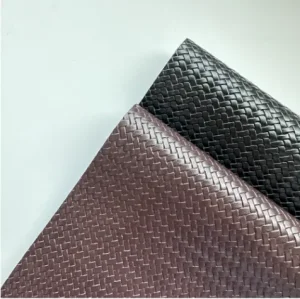
OEM Eco-Friendly Sustainable Synthetic Leather-9348 Manufacturers, Suppliers
Source Specification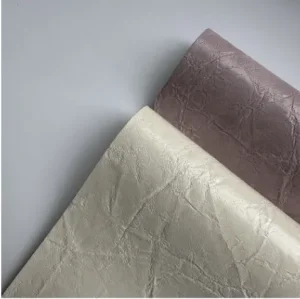
High-Quality RCS Recycled Synthetic Leather-0212 Manufacturer, Factory
Source Specification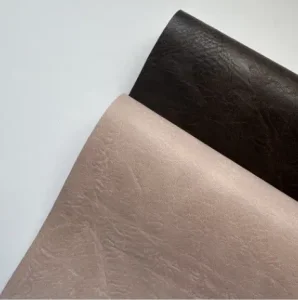
Custom RCS Recycled Base Vegan Synthetic Leather-0163 Manufacturer, Supplier
Source Specification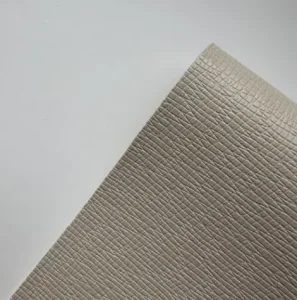
Custom RCS‑Verified Recycled‑Content Sustainable Synthetic Leather-9265 Manufacturers, Suppliers
Source Specification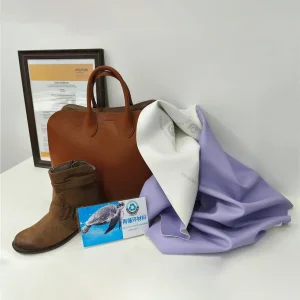
OEM RCS Certified Recycled Sustainable Synthetic Leather Supplier, Factory
Source Specification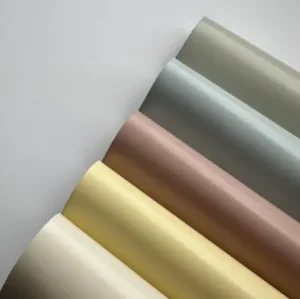
High-Quality RCS Qualified Recycled Green Synthetic Leather-2056 Manufacturers, Supplier
Source Specification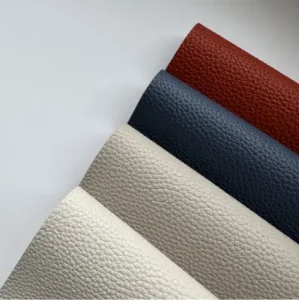
OEM RCS Certified Recycled Sustainable Synthetic Leather-9163 Suppliers, Factories
Source Specification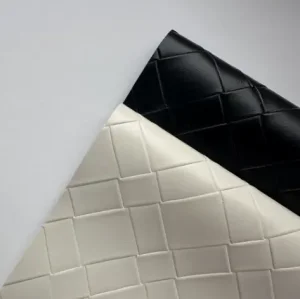
OEM Natural Plant-Derived Bio-Based Synthetic Leather-9338 Supplier, Factory
Source SpecificationEngineering Architecture of Thick Synthetic Leather (1.2mm – 3.5mm)
Standard apparel faux leathers (0.6mm–0.8mm) fail under high-torque tensile strain, deep embossing pressures, and extreme flex stresses. JiangXin engineers thick-gauge faux leathers through an integrated triple-layer co-extrusion matrix.
1. Polycarbonate & Bio-Polyol Skin Layer
The working surface (0.25mm to 0.65mm) utilizes cross-linked aliphatic polycarbonate or USDA-verified biobased polyurethane resins. Aliphatic systems prevent yellowing under extreme UV radiation while resisting chemical degradation from sweat, sunscreen, and industrial disinfectants.
- Hydrolysis Resistance: 5 to 10-year Jungle Test pass (70°C, 95% RH)
- Martindale Abrasion: Exceeding 100,000 cycles (ISO 12947-2)
- Taber Abrasion Resistance: H-18 wheel, <30mg mass loss at 1,000 cycles
2. Micro-Cellular Cushioning Foam Layer
For leathers spanning 1.5mm to 3.5mm, a high-density, closed-cell polyurethane intermediate layer provides full recovery from compressive loads. This internal micro-cellular foam dampens mechanical shock while replicating the fleshy, plump hand-feel of heavy full-grain steer hide.
- Compression Set Resistance: <5% residual deformation at 50% deflection
- Cold-Crack Threshold: Zero cracking under Bally Flexometry down to -30°C
- Emboss Retention: Maintains deep-milled, saddle, or toothpick grains
3. Heavy-Duty Backing Substrates
Tensile and tear properties are anchored by specialized backing textile backings. We engineer dense brushed tricot, woven twills, sea-island microfibers, or needle-punched non-woven substrates formulated using Recycled Claim Standard (RCS) post-consumer polyester fibers.
- Tensile Strength: >1200 N / 5cm warp and weft (ISO 1421)
- Tear Strength (Trouser): >85 N minimum threshold (ISO 4674-1)
- Peel Adhesion: >50 N / 5cm solvent-free fusion bond
Chinese Factory Supply Chain Mastery: Yingde Mega-Campus
Operating from Yinghong Industrial Park in Yingde City, Guangdong Province, Yingde City JiangXin New Material Co., Ltd. (JX.ECO) operates an expansive 135,733 m² solar-powered manufacturing base designed for global wholesale fulfillment.
Vertical Integration from Resin to Roll
Unlike finishing converters who purchase raw PU skins and outsource backing lamination, JiangXin conducts synthesis, compounding, casting, coagulation, and dry-line coating completely in-house. Upstream control over bio-polyol synthesis and rPET yarn processing shields global buyers from volatile price spikes and guarantees batch-to-batch physical uniformity.
Our localized supply network in Guangdong ensures raw polyester yarns, pigment dispersions, and cross-linking agents reach our lines within a 2-hour logistics radius, lowering raw stock lead times to under 48 hours.
Clean-Tech Industrial Infrastructure
Built in accordance with national petrochemical safety benchmarks, our clean-tech facility incorporates floor-to-ceiling tempered-glass workshops, automated thermal energy reclamation arrays, and an on-site closed-loop wastewater processing plant that cleans and recycles over 92% of industrial water.
A massive 4.68 MW rooftop photovoltaic solar system powers over 35% of total factory operations, significantly lowering the embodied carbon footprint (kg CO₂ eq per linear meter) of all heavy-gauge PU articles supplied to overseas ESG programs.
Heavy-Gauge Physical & Chemical Performance Matrix
When engineering thick faux leather fabrics for structural seating, automotive interiors, or heavy safety footwear, sourcing managers must balance weight, gauge tolerance, flexural endurance, and flammability parameters.
| Evaluation Parameter | Test Standard | Standard Commercial Vinyl (PVC) | Standard Thin PU Fabric | JiangXin Heavy-Gauge PU (1.2–3.5mm) |
|---|---|---|---|---|
| Caliper (Thickness) Range | ISO 2589 / ASTM D1813 | 0.70 mm – 0.95 mm | 0.60 mm – 0.85 mm | 1.20 mm – 3.50 mm (±0.04mm) |
| Tensile Strength (Warp/Weft) | ISO 1421 / ASTM D5034 | 400 N / 350 N | 550 N / 450 N | >1200 N / >1100 N |
| Tear Resistance (Tongue/Trouser) | ISO 4674-1 Method B | 35 N / 30 N | 45 N / 40 N | >90 N / >85 N |
| Flex Fatigue Resistance | ISO 5402-1 (Bally Flex) | 30,000 cycles (Room Temp) | 50,000 cycles (Room Temp) | >150,000 cycles (-20°C Cryogenic) |
| Hydrolysis Chamber Stability | Jungle Test (70°C, 95% RH) | Prone to plasticizer bloom (2 yrs) | 3 to 5 weeks equivalent | 8 to 10 weeks (10-Year Equivalent) |
| Flammability Certification | FMVSS 302 / CAL 117 / EN 1021 | Requires heavy antimony trioxide | Melts rapidly, toxic drips | Self-Extinguishing, Halogen-Free FR |
| Chemical Compliance Limits | REACH / RoHS / OEKO-TEX 100 | Contains phthalates & organotins | Traces of solvent DMFa residue | Zero DMF, Zero 6P, SVHC <0.1% |
Global Enterprise Compliance & Local Sourcing Assurance
Enterprise procurement teams cannot afford shipment recalls, port border seizures, or ESG brand damage. JiangXin backs every meter with complete chain-of-custody documentation and international laboratory test certificates.
Textile Exchange RCS / GRS Trackability
Our Recycled Claim Standard (RCS) certification proves that backing yarns originate from validated post-consumer PET plastic water bottles. We issue official Transaction Certificates (TCs) for every wholesale order, allowing fashion houses and interior contractors to verify their sustainability hangtags.
USDA BioPreferred & ASTM D6866
We replace petrochemical diols with plant-derived polyols sourced from non-food-crop biomass. Verified via radiocarbon isotopic testing under ASTM D6866, our bio-synthetic leathers deliver between 25% and 60% verified biobased carbon, lowering Scope 3 supply chain greenhouse emissions.
REACH, RoHS & Zero-DMF Standards
Meeting European Union Regulation (EC) No 1907/2006 (REACH) Annex XVII, all formulations test free of banned phthalates (6P / 16P free), cadmium, organotin compounds, and azo dyes. We formulate using 100% solvent-free dry transfer systems, ensuring DMFa content falls strictly below detectable thresholds (<5 ppm).
Higg Index FEM & amfori BSCI Social Audit
JiangXin is annually audited under amfori BSCI to verify fair labor wages, occupational health, and ethical working conditions. Environmental metrics are tracked via the Higg Facility Environmental Module (FEM), ensuring verified chemical scoring, energy metering, and water management transparency.
Emerging Trends Reshaping the Heavy-Gauge Synthetic Leather Sector
The synthetic leather market is rapidly shifting away from legacy polyvinyl chloride (PVC) and traditional solvent-based polyurethanes toward non-toxic, low-carbon engineering polymers.
1. 100% Solid Solvent-Free Polyurethane
Traditional PU production utilizes Dimethylformamide (DMF) or Dimethylacetamide (DMAC) as carrier solvents, requiring intensive baking towers and emitting VOCs. The industry is rapidly adopting 100% solid solvent-free PU coatings, which eliminate organic solvents entirely, reduce factory energy consumption by over 40%, and achieve superior tear resistance in thicknesses above 2.0mm.
2. Upcycled Bio-Feedstocks & Non-Food Agriculture
The next evolution in biobased synthetics moves beyond first-generation starch polyols toward agricultural side-streams, including industrial hemp hurds, apple peel pomace, coffee grounds, and discarded castor bean oils. These feedstocks don't compete with food supplies and yield durable microporous structures with natural tactile warmth.
3. Digital Product Passports & Traceable LCA
Global brands operating in the EU are preparing for mandatory Digital Product Passports (DPP) under the Ecodesign for Sustainable Products Regulation (ESPR). Modern factories must provide audited Life Cycle Assessment (LCA) data tracing raw polymer synthesis, kWh electricity consumption per roll, and freight carbon emissions from the factory gate to overseas ports.
Engineered Real-World Application Profiles
Thick faux leather fabrics must be custom-tuned for specific mechanical stress profiles. Our chemical engineers formulate distinct polymer topcoats and backings for diverse sector applications.
Automotive Seating & Door Panels
Formulated to 1.35mm–1.80mm calipers. Backed with high-stretch circular knit polyester for tight concave stitching around bolster cushions. Compliant with FMVSS 302 flame resistance, DIN 75201 windshield fogging limits (<2mg condensable constituent), and SAE J2527 outdoor xenon arc weathering.
Commercial & Healthcare Upholstery
Engineered to 1.50mm–2.20mm calipers for corporate auditoriums, airport waiting terminals, and medical clinic treatment tables. Formulated with biocidal silver-ion additives preventing MRSA bacterial growth (ISO 22196) and resisting bleach disinfectants (1:10 sodium hypochlorite dilution).
Luxury Structured Luggage & Travel Bags
Calipers spanning 1.80mm–3.00mm. Backed with needle-punched non-woven microfiber for zero edge-fraying during raw-edge skiving and automatic edge-inking. Provides firm rigidity for self-supporting hard luggage cases while resisting scuffs and baggage conveyor abrasions.
Heavy Safety Boots & Work Footwear
Calipers from 2.00mm–3.50mm. Formulated with cryogenic plasticizers and dense polyurethane elastomers to survive continuous industrial flex testing (200,000 Bally flex cycles). Resists mineral oil immersion (ASTM D471) and features water penetration thresholds exceeding 180 minutes.
Five-Stage Sourcing & Quality Control Workflow
From initial design brief and digital lab dip to finished container dispatch, JiangXin implements a rigorous stage-gate protocol guaranteeing that bulk rolls mirror the approved golden swatch precisely.
Technical Brief & Catalog
Client shares required gauge (e.g. 1.8mm), backing preference (microfiber/twill), target flame rating, and color swatches.
Custom Lab Swatching
Color matching under D65 light cabinets within Delta E <0.8. Grain embossing rollers chosen from over 1,200 archive textures.
Laboratory Stress Screening
Pre-bulk testing for flex crack, peel adhesion, hydrolysis acceleration, and restricted chemical substance screening.
Continuous Line Coating
Bulk execution on automated co-extrusion dry-lines with online infrared thickness scanning measuring gauge every 50 meters.
Roll-by-Roll Optical QC
100% human-plus-optical surface defect review, double-wrapped in moisture-barrier PE film, and packed with full batch inspection sheets.
Frequently Answered Technical Questions for Procurement Teams
Direct answers from our senior chemical engineers and export documentation specialists to streamline your factory audit and supply agreements.
1. How does JiangXin ensure thickness consistency across 3.0mm+ heavy-gauge rolls?
2. What is the fundamental difference between thick PVC leather and thick PU leather?
3. What backing fabrics do you recommend for heavy-duty structural applications?
4. How do you verify and document Recycled Claim Standard (RCS) content?
5. Can thick faux leather meet CAL 117 and British Standard BS 5852 fire barriers without toxic halogens?
6. What is your standard Minimum Order Quantity (MOQ) and production lead time?
Advanced Bio-Based & Circular Synthetic Leathers
Complete your procurement evaluation with our specialized line of plant-derived polyols, waste-upcycled circular polymers, and low-carbon PU formulations.
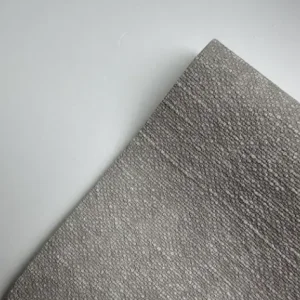
High-Quality Plant‑Derived Bio‑Based Synthetic Leather-9020 Manufacturer, Supplier
Source Specification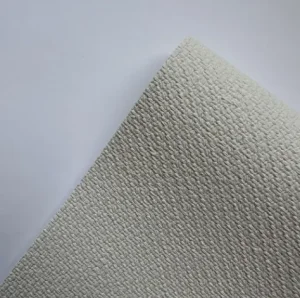
High-Quality Circular Recycled Synthetic Leather-9321 Manufacturer, Suppliers
Source Specification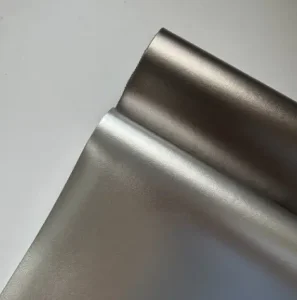
Wholesale Eco Plant-Based Renewable Synthetic Leather-2056 Supplier, Factories
Source Specification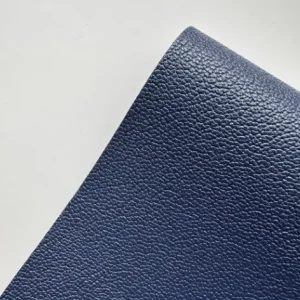
OEM RCS Certified Recycled Sustainable Synthetic Leather-9168 Manufacturers, Manufacturer
Source Specification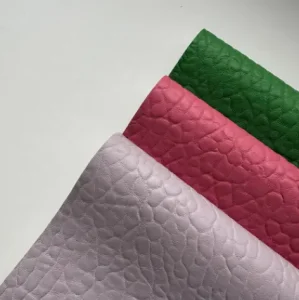
Wholesale Bio-Based Renewable Synthetic Leather-9293 Supplier, Factories
Source Specification
OEM Plant-Derived Renewable Bio-Based Synthetic Leather-2071 Manufacturers, Factory
Source Specification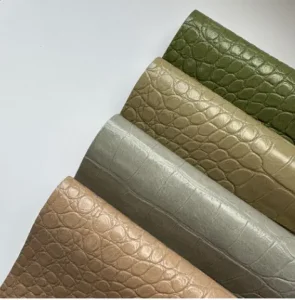
Wholesale Waste-Upcycled Recycled Synthetic Leather-9355 Manufacturers, Factories
Source Specification