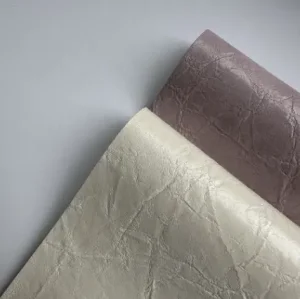
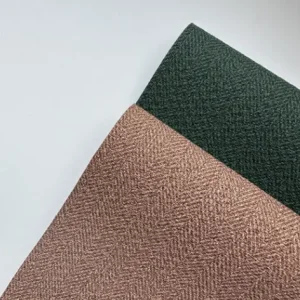
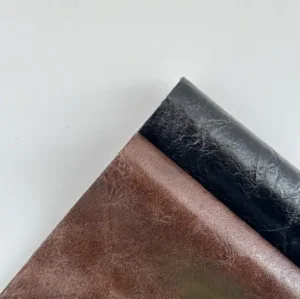
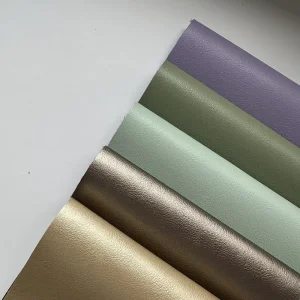
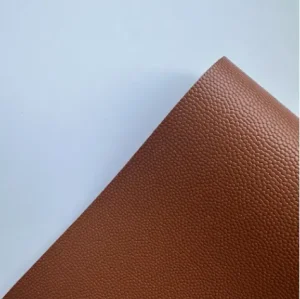
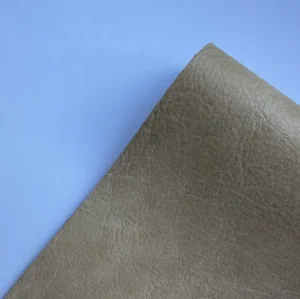
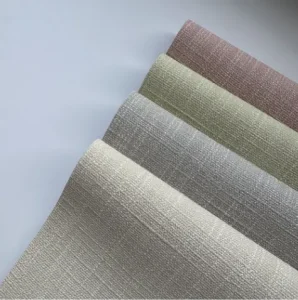
High-Performance Synthetic Leather Catalog (Batch A)
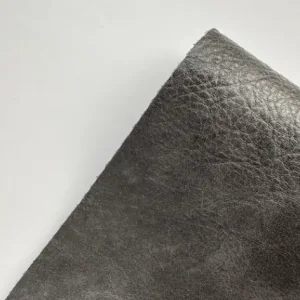
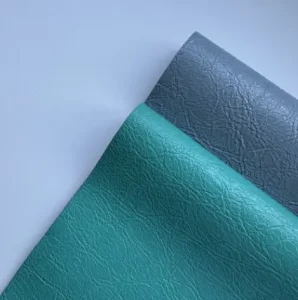
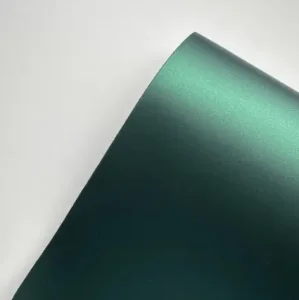
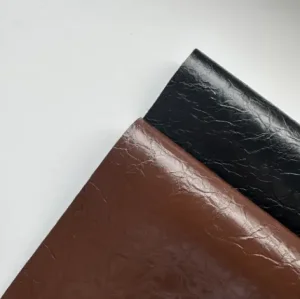
Direct factory wholesale articles engineered for structural footwear uppers, heavy-duty automotive trimming, luggage, and luxury goods with strict adherence to RCS and ASTM bio-content baselines.
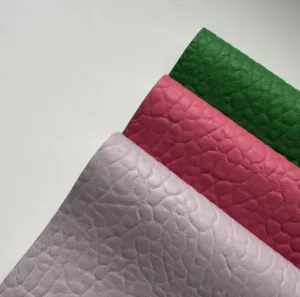

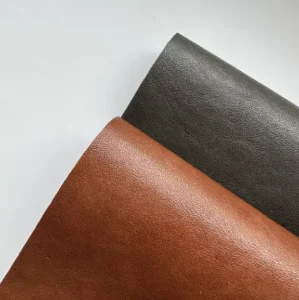
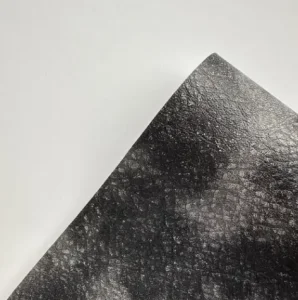
Macro-Industrial Landscape of Global Polyurethane Leather Production
The transition from solvent-laden polyurethane systems toward bio-attributed resins and closed-loop circularity across international automotive, technical apparel, and contract interior ecosystems.
Annual capacity (Linear Meters) backed by integrated compounding lines
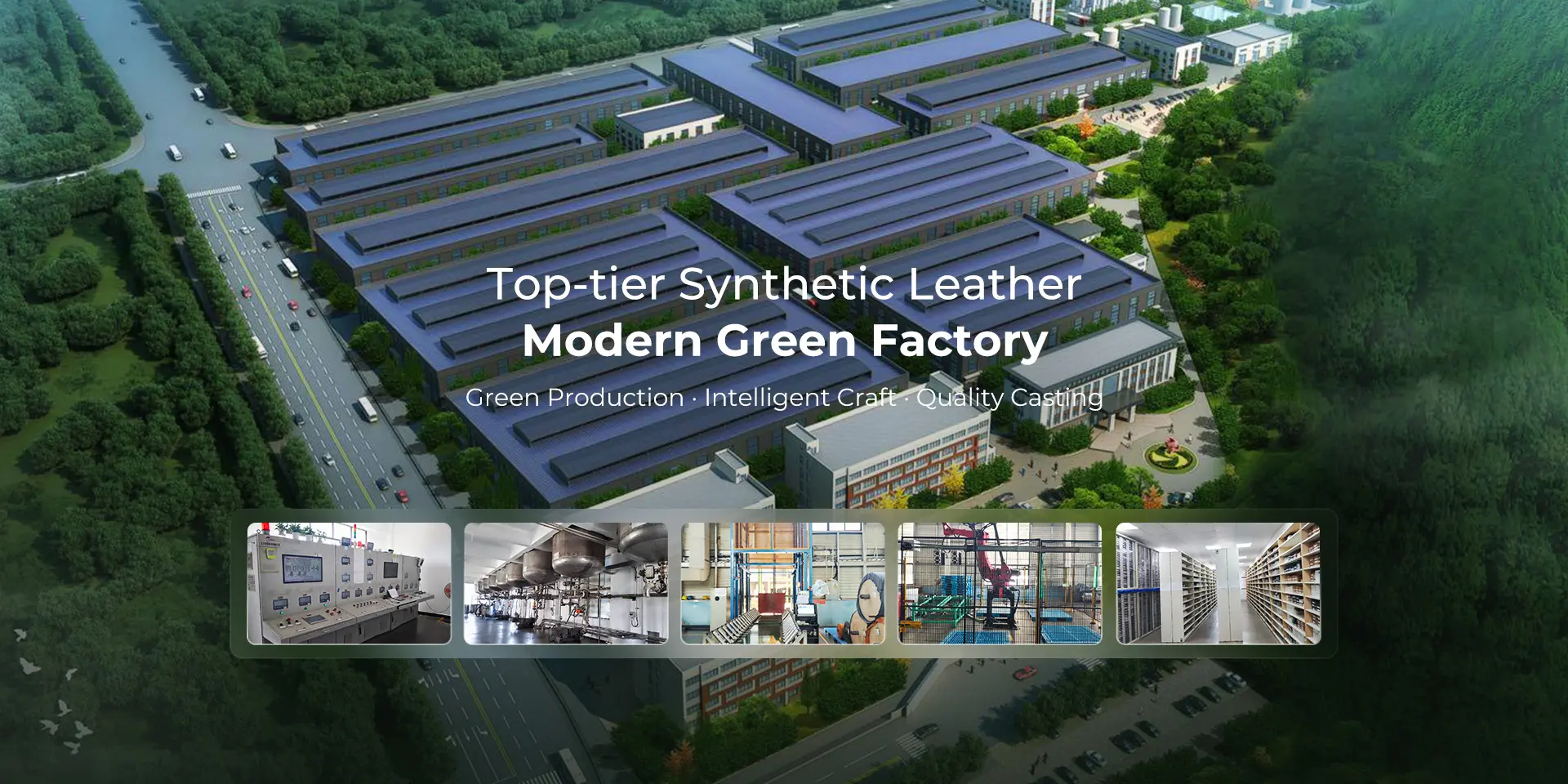
Standardized manufacturing footprint in Yingde Industrial Park, Guangdong
Rooftop solar photovoltaic capacity powering clean-energy coagulation
Direct-tier export destinations with localized compliance clearing
Solvent-Free & Water-Borne PU (WBPU) Mandates
Traditional wet-spinning coagulation relying heavily on N,N-Dimethylformamide (DMFa) faces severe regulatory sunset clauses under EU REACH Annex XVII restriction rules. Tier-1 wholesale PU leather suppliers are transforming production lines toward 100% waterborne polyurethane dispersions (PUD) and solvent-free reactive hot-melt technology to guarantee non-detectable residual VOC levels (<5 ppm).
Supply Chain Chain-of-Custody (RCS & GRS)
Global brands are deprecating unverified claims of "eco-friendly vegan leather" in favor of strict third-party custody audits. Sourcing synthetic leather requires full Recycled Claim Standard (RCS) and Global Recycled Standard (GRS) Transaction Certificates (TCs) covering post-consumer recycled (PCR) polyester backings, rPET microfiber substrates, and circular polymer coatings.
Decarbonization Via Biobased Polyols
Synthesizing polyurethane resin using renewable carbon sources derived from non-food agricultural biomass (castor bean seed, corn oil, and starch derivatives) allows wholesale suppliers to deliver up to 30% to 75% bio-based carbon mass. Verified via radiocarbon isotopic testing (ASTM D6866), biobased PU decouples procurement from crude fossil volatile indexing.
Industrial Scaling: The JiangXin New Material (JX.ECO) Facility
Founded in 2017 in the Yinghong Industrial Park, Yingde City, Guangdong Province, Yingde City JiangXin New Material Co., Ltd. (JX.ECO) represents an advanced generation of synthetic polymer manufacturing. Spanning 135,733 square meters, the site was constructed to benchmark strict petrochemical containment protocols and European thermal-recovery specifications.
Equipped with high-precision dry-process coating, solvent-free transfer units, micro-gravure finishing, and continuous foaming reactors, the facility delivers a reliable capacity exceeding 16 million linear meters per annum. An integrated 4.68 MW rooftop photovoltaic solar grid directly powers electric heating elements and low-temperature drying ovens, substantially lowering product-level embodied carbon (kg CO₂e / m²).



Localized Engineering Use Cases & Performance Tuning
Mechanical stress, hydrolysis exposure, flex fatigue, and cold temperature vary by target sector. We customize tensile properties, base polymers, and protective surface treatments accordingly.
Performance Athletic & Safety Footwear
Uppers must withstand repeated dynamic deformation without micro-cracking or grain delamination under prolonged sweat and soil exposure.
- Bally Flexometer: Over 100,000 dry cycles & 50,000 wet cycles (-10°C to 23°C)
- Hydrolysis Resistance: 5 to 10 weeks Tropical Jungle Test (70°C, 95% RH)
- Substrates: Ultra-fine high-density microfiber, recycled woven twill, or circular jersey
Luxury Handbags, Leather Goods & Accessories
Demands suppleness, drape, edge-paint compatibility, stitch-hole tear resistance, and tactile fidelity mimicking full-grain Nappa or calfskin.
- Grain Retention: Non-flattening embossed tooth-pick, pebble, or saffiano grains
- Tear Resistance: > 35 N/mm (ISO 3377-2 double hole tear test)
- Chemical Safety: Oeko-Tex Standard 100 Class I (safe for skin contact), zero phthalates
Automotive Seating & Heavy Contract Interiors
Interiors face extreme thermal cycles, intense UV irradiation, and repeated friction, requiring specialized flame retardants and UV absorbers.
- Martindale Abrasion: > 100,000 rubs (ISO 12947-2, 12 kPa load)
- UV & Heat Aging: Xenon arc fastness grade 4-5 (ISO 105-B06)
- Flammability Specs: FMVSS 302, BS 5852 Crib 5, and California TB 117-2013
Macro Industry Solutions: Technical & Compliance Frameworks
Comprehensive turnkey packages designed to mitigate regulatory non-compliance, technical failures, and extended prototype lead times.
Track 01: Turnkey Green Material Systems
We supply a fully verified ecological material stack combining post-consumer recycled textile backing cloths (certified by Textile Exchange) with bio-based aliphatic PU resin topcoats. This provides an audit-proof chain of custody that lets downstream brands substantiate zero-deforestation, vegan, and carbon-reduction claims without greenwashing risks.
Track 02: Customized Functional Formulations
Customization must address end-product physical stresses. We alter hard and soft segment polymer ratios to calibrate shore hardness, tensile elongation, and low-temperature flexibility down to -30°C. Surface modifications incorporate fluorocarbon-free oleophobic additives, silver-ion antibacterial barriers, and self-cleaning cross-linkers.
Track 03: Global Export Compliance Packages
We provide full analytical testing packages before lot dispatch, assuring swift customs and brand RSL approval. Every container release is accompanied by batch-level GC-MS testing reports ensuring strict non-detection of regulated plasticizers, azo dyes, heavy metals, and persistent organic pollutants.
Technology Roadmap & Synthetic Material Horizon (2025–2030)
The convergence of material science, green chemistry, and digital traceability is reshaping the next generation of artificial leather manufacturing.
100% Waterborne Substitution
Phasing out solvent recovery loops in favor of 100% water-dispersed polyurethane chemistry across all base-layer coagulation processes, cutting direct scope 1 factory emissions by 85%.
High Bio-Fraction Monomers
Commercializing next-generation bio-succinic acid, vegetable polyester polyols, and algae-based plasticizers to push total verified biobased carbon past 60% in heavy-duty commercial applications.
Mono-Material Circularity
Developing all-polyurethane or all-polyester monomaterials (polyurethane coating on PU microfibers, or rPET film on rPET textiles) enabling mechanical re-granulation without manual layer separation.
Digital Product Passports (DPP)
Integrating molecular isotopic markers and roll-level encrypted QR hashes verifying plant-origin feedstock percentages, chemical batches, and Life Cycle Assessments (LCA) for EU import passports.
Frequently Asked Questions by Industrial Sourcing Teams
In-depth responses compiled by chemical process engineers and export compliance directors.
What is the technical difference between Biobased PU and Traditional PU Leather?
Traditional PU is derived almost entirely from petrochemical feedstocks (isocyanates reacting with petroleum polyols). Biobased PU substitutes fossil polyols with bio-polyols synthesized from renewable agricultural mass (e.g., castor plant oil). This preserves physical strength, flex fatigue, and hydrolytic stability while lowering fossil depletion and product-level cradle-to-gate carbon footprints.
How is biobased carbon percentage verified independently?
Biobased content is quantified through radiocarbon dating under ASTM D6866 or ISO 16620-2 protocols. Because living plants incorporate atmospheric 14C isotopes while fossil feedstocks have zero active 14C, accelerated mass spectrometry measures the exact ratio of renewable bio-carbon versus petroleum carbon, providing data needed for USDA BioPreferred labeling.
How does JiangXin manage RCS chain-of-custody documentation?
As an audited mill under the Textile Exchange Recycled Claim Standard (RCS), every batch containing post-consumer or post-industrial recycled yarn undergoes material balance accounting. Upon wholesale bulk orders, we submit procurement and conversion invoices to the accredited certification body to issue official Transaction Certificates (TCs) tying your order directly to the raw plastic recovery source.
Can your wholesale synthetic leather formulations clear EU REACH SVHC lists?
Yes. Every formulation is engineered to strictly surpass EU REACH (EC 1907/2006) regulations, RoHS directives, and Proposition 65 thresholds. Our solvent-free and water-based lines eliminate banned solvents (DMFa, DMAC, NMP), phthalate plasticizers (DEHP, DBP, BBP, DINP), organotin compounds, and azo colorants, with test reports supplied prior to shipment.
What are your manufacturing capabilities and export packaging specifications?
Operating from our 135,733 m² campus in Yingde, Guangdong, our multiple automated coating lines achieve an annual run rate exceeding 16 million linear meters. Standard roll packaging includes waterproof plastic inner wraps, heavy-duty woven poly outer casings, reinforced cardboard core protection, and moisture-absorbing silica packs suitable for multi-week ocean transport.
What parameters can be customized for bespoke tech-pack developments?
We configure thickness (0.5mm to 3.0mm), backing fabrics (circular knit, brushed polyester, microfiber, non-woven, recycled cotton canvas), surface emboss patterns (via custom release paper or steel rollers), surface hand-feel (dry, waxy, silken, rubberized), color-matching (Pantone or physical swatch), and functional finishes like flame retardancy, antimicrobials, and anti-fogging.
High-Performance Synthetic Leather Catalog (Batch B)
Advanced bio-based, plant-origin, and traceable recycled synthetic leather articles ready for sample yardage development and commercial wholesale production.