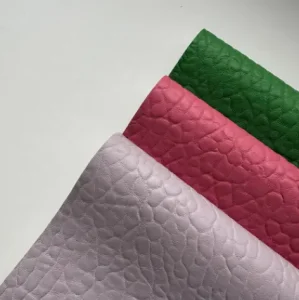
Core Engineered Biobased & RCS Upholstery Materials
Selected low-VOC, high-abrasion synthetic leather swatches validated for hospitality, workplace, and domestic sofa manufacturing.
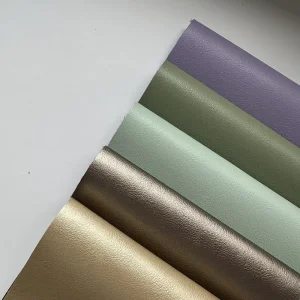
Wholesale RCS Recycled Synthetic Leather Manufacturer, Suppliers
Explore Reference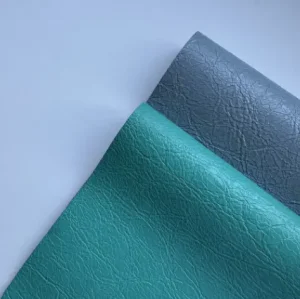
High-Quality Plant‑Derived Renewable Bio‑Based Synthetic Leather-9213 Supplier, Suppliers
Explore Reference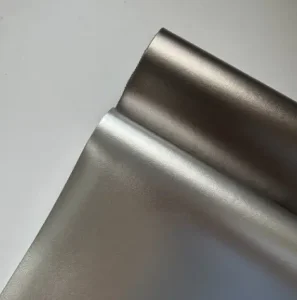
Wholesale Eco Plant-Based Renewable Synthetic Leather-2056 Supplier, Factories
Explore Reference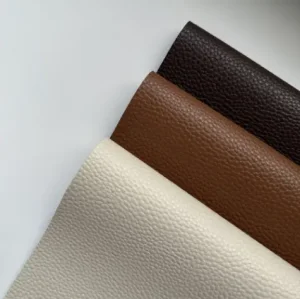
High-Quality Sustainably Upcycled Recycled Synthetic Leather-9027 Suppliers, Factories
Explore Reference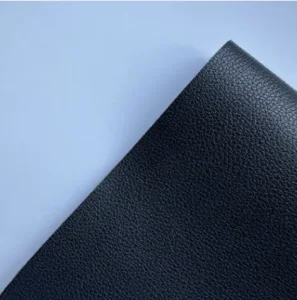
High-Quality Green Low‑Carbon Sustainable Synthetic Leather-9077 Suppliers, Factories
Explore Reference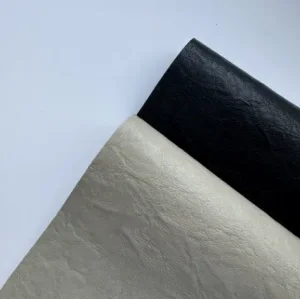
Custom RCS Recycled Substrate Synthetic Leather-9193 Supplier, Suppliers
Explore Reference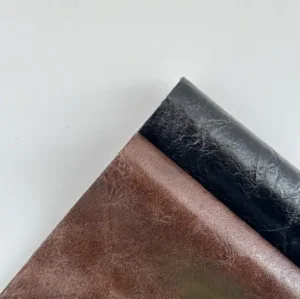
Wholesale Eco-Friendly Sustainable Synthetic Leather-0212 Manufacturer, Suppliers
Explore Reference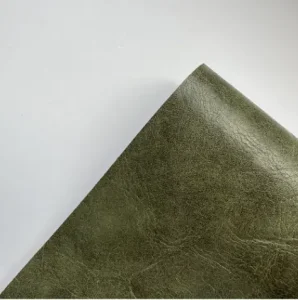
OEM Eco-Renewable Plant-Based Bio Synthetic Leather-9240 Factory, Factories
Explore ReferenceDecarbonizing Upholstery: The Next-Generation Green Material Sofa
A rigorous examination of polymer innovations, Scope 3 supply chain reduction, and heavy contract seating compliance.
As the global residential and contract furniture market faces unprecedented regulatory and institutional ESG demands, sofa manufacturers and Tier-1 upholstery design studios are systematically replacing petroleum-derived polyvinyl chloride (PVC) and conventional dimethylformamide (DMF)-based polyurethane (PU). Yingde City JiangXin New Material Co., Ltd. (JX.ECO), established on June 2, 2017, operates at the forefront of this industrial transition. Spanning an engineered 135,733 square meter campus in Yingde, Guangdong, our infrastructure delivers over 16 million meters of high-specification sustainable artificial leather annually to contract sofa brand programs across more than 50 export destinations.
The Paradigm Shift in Sofa Manufacturing: Modern upholstered seating demands an uncompromising convergence of physical endurance (Wyzenbeek >100,000 double rubs, Martindale >120,000 cycles), non-toxic fire retardancy (CAL TB 117-2013, BS 5852 Crib 5), and verifiable renewable carbon verification under ASTM D6866 and Recycled Claim Standard (RCS) chain-of-custody protocols.
Upholstered seating poses severe chemical and structural challenges rarely encountered in lightweight apparel or footwear. Sofas endure sustained compressive loads, localized shear stresses along welted seams, exposure to aggressive human sebum, household sanitizers, and stringent indoor air quality (IAQ) testing protocols. Conventional PU leather relies on solvent evaporation that leaves trace hazardous VOCs, while petrochemical plasticizers in PVC migrate over time, resulting in surface embrittlement, micro-cracking, and off-gassing. JX.ECO’s proprietary green material sofa platforms resolve this trade-off by combining waterborne polyurethane dispersions, 100% solvent-free hot-melt reaction technology, and agricultural bio-based polyols derived from non-food botanical oils.
Enterprise Solutions for Global Furniture Brands
Aligning raw material sourcing with international circularity standards, EU Green Deal mandates, and Scope 3 reporting.
Scope 3 Carbon Accounting
Upholstery textiles and foams account for over 64% of a sofa's total lifecycle carbon emissions. By substituting fossil-origin polyether polyols with non-edible plant feedstocks and post-consumer recycled PET backing fabrics, sofa brands achieve up to a 48% reduction in product carbon footprint (PCF) verified via Life Cycle Assessment (LCA) ISO 14040/44 methodology.
EU Ecodesign & ESPR Compliance
The European Union's Ecodesign for Sustainable Products Regulation (ESPR) and Digital Product Passport (DPP) framework impose stringent durability, reparability, and circularity mandates. Our synthetic leather formulations ensure zero intentionally added toxic forever chemicals (PFAS/PFCs free), phthalate zero-tolerance (6P compliant), and full traceability back to chemical raw batch numbers.
Hospitality & Contract Reliability
Hotel lobbies, airport executive lounges, and high-density commercial interiors experience intense mechanical wear and daily chemical sanitization. Our sofa covering systems integrate cross-linked organosilicon or water-based aliphatic polyurethane surface barriers, providing anti-stain resistance (wine, mustard, ink), disinfectant bleach endurance (1:10 dilution), and 10-year hydrolysis resistance.
Material Science: Technical Roadmap from Bio-Synthesis to Micro-Porous Comfort
How JiangXin replaces crude-oil monomers with renewable carbon without sacrificing softness, drape, or tensile strength.
Traditional synthetic sofa upholstery has historically relied on petroleum extraction to synthesize 1,4-butanediol (BDO) and adipic acid, which polymerize into polyester and polyether polyols. JX.ECO’s research and development engineering division breaks this cycle by deploying plant-derived polyols derived from non-food agricultural biomass. Through enzymatic conversion and biocatalytic fermentation, renewable starches and seed oils are transformed into high-purity biological monomers with biobased carbon content varying between 20% and 85%, verified by Accelerator Mass Spectrometry (AMS) according to ASTM D6866 standards.
| Technology Platform | Feedstock / Chemistry | Bio / Recycled % | Tensile & Tear Strength | Target Furniture Application |
|---|---|---|---|---|
| Bio-Based Plant Series | Agricultural bio-succinic acid & bio-propanediol (PDO) | 25% – 60% ASTM D6866 | Warp: >750N / Weft: >620N (ISO 1421) | Premium residential sofas, lounge recliners, luxury headboards |
| RCS Certified Upcycled | Post-consumer rPET bottles & regenerated PU matrices | 30% – 70% RCS GRS Scope | Warp: >900N / Weft: >800N (ISO 13937-2) | High-traffic commercial lounges, airport seating, auditoriums |
| Solvent-Free 100% Solid PU | Direct 2-component reaction cast without DMF/DMAC/Toluene | Zero solvent emissions | Flex resistance >200,000 cycles (-20°C) | Healthcare waiting areas, marine upholstery, clean-room seating |
| Circular Closed-Loop Microfiber | Sea-island ultrafine polyamide with bio-polyurethane core | Up to 40% Bio / Recycled | Tear strength >110N (ISO 3377-2) | Executive ergonomic armchairs, modular sectionals, deep-welt sofas |
Solvent-Free Mechanical Coating
Unlike traditional wet-coagulation processes consuming hundreds of tons of process water and solvent recovery distillation units, our 100% solid PU extrusion lines apply thermal polymerization directly to base substrates, eliminating VOC emissions, plasticizer volatility, and chemical odor.
Micro-Porous Breathability Matrix
Seating comfort depends fundamentally on water vapor permeability (WVP). Through precise micro-cellular thermal foaming, our sofa skins achieve water vapor transmission rates exceeding 800 g/m²/24h (JIS L1099 A1), preventing the clammy sensation typical of legacy faux leathers.
Engineered Substrate Backings
A sofa cover is only as durable as its textile backing. We engineer custom substrates using RCS-certified recycled polyester circular knits, organic brushed cotton twill, and non-woven microfiber substrates that ensure perfect shape recovery without seam slippage or sagging.
China Factory 4.0: Supply Chain Resilience, Automation & Scale
Touring Yingde City JiangXin New Material Co., Ltd.: Integrated clean production, photovoltaic power, and lab-to-line stability.
Sourcing executives managing global furniture portfolios frequently encounter supply bottlenecks, batch-to-batch color shifting, and hidden environmental liabilities with non-compliant tier-2 processing mills. JiangXin New Material was intentionally constructed from greenfield conception in Yingde, Guangdong to address these vulnerabilities through complete vertical integration and intelligent automation.
4.68 MW Solar Campus
Our 135,733 m² roof architecture houses a 4.68 megawatt photovoltaic generation installation, supplying clean, renewable electricity to our continuous coating and curing ovens, minimizing grid dependence and factory carbon intensity.
Automated Tension Lines
Sofa upholstery requires exceptional roll flatness and width consistency. Our computerized roll-to-roll continuous coating lines employ digital laser micrometers and automated closed-loop web tension systems preventing edge curl or elongation.
In-House Water Treatment
Equipped with an advanced multi-stage biological membrane bioreactor (MBR) wastewater facility, process water is reclaimed, filtered, and continuously circulated, meeting zero-direct hazardous effluent discharge mandates.
Lab-to-Bulk Color Lock
Utilizing high-precision spectrophotometers and computerized slurry dispensing, lab hand-swatches are mathematically transferred to 10,000-meter production batches with color tolerance ΔE < 0.6 under D65, TL84, and Incandescent A lighting.
Localized Support & Rigorous Compliance Assurance
Safeguarding brand equity with international restricted substance list (RSL) clearance and mechanical fire safety certifications.
Cross-border shipments of finished sofas face immediate customs interdiction or severe legal liability if cover textiles fail localized flammability, toxicity, or environmental verification audits. JX.ECO maintains dedicated compliance documentation libraries, providing full batch transaction certificates (TCs) and third-party laboratory test reports for major global destination markets.
Fire Retardancy (FR) Without Halogens
Meeting American and British contract seating fire codes often exposes brands to dangerous brominated or chlorinated flame retardants. Our sofa materials achieve CAL TB 117-2013, NFPA 260 Class 1, and BS 5852 Source 0/1/Crib 5 compliance through non-toxic phosphorus-nitrogen synergistic barriers incorporated directly into the molecular backbone.
Chemical Safety & Clean Air
Our production formulations comply strictly with EU REACH Regulation (EC) No 1907/2006 concerning 240+ Substances of Very High Concern (SVHC), RoHS, and California Proposition 65. Products achieve Greenguard Gold and OEKO-TEX Standard 100 Class I/II ratings, ensuring ultra-low total VOC emission for enclosed spaces.
Social & Facility Responsibility
JX.ECO operates under audited ethical labor conditions certified by amfori BSCI, adhering to fair wage structures, workplace safety, and zero forced labor. The facility operates under certified ISO 9001 (Quality Management), ISO 14001 (Environmental Management), and ISO 45001 (Occupational Health & Safety) frameworks.
Global Enterprise Sourcing: Tailored OEM & ODM Capabilities
From custom embossed grain replication to containerized roll logistics: how we support procurement directors and design studios.
Contract furniture brands require agile material customization without the punitive lead times or exorbitant minimum order quantities (MOQs) typical of traditional tanneries. JX.ECO’s engineering team collaborates directly with client tech packs to calibrate tactile hand-feel, structural elasticity, and grain aesthetics.
Bespoke Texture & Grain Library
Select from over 500 cataloged steel embossing rollers or engineer custom textures—from supple full-grain Nappa, classic pebbled bovine, and pull-up vintage leather effects to modern architectural micro-textures. Dual-tone tip-printing and dulling top-coats yield an authentic, matte surface finish without plastic glare.
Calibrated Thickness & Elasticity
Sofa fabrication encompasses delicate decorative pleating, tight corner pulling, and deep tufted buttoning. We precisely tune material calipers between 0.8mm and 1.6mm, balancing elongation (warp 20-35%, weft 45-65%) to eliminate upholstery telegraphing and corner seam tearing.
Rapid Sampling & Flexible MOQs
Sample swatches and 5-meter strike-off rolls are dispatched within 5 to 7 working days. Commercial production batches start at accessible minimum orders per colorway, backed by roll-by-roll optical inspection, batch test reports, and maritime container packaging.
Frequently Asked Questions: Sourcing Green Material Sofa Upholstery
Definitive answers directly from our factory polymer engineers, compliance officers, and export sales directors.
How does biobased synthetic leather compare to genuine leather in sofa longevity?
Our biobased PU formulas exceed genuine leather in consistency, yield, and resistance to environmental degradation. While animal leather suffers from natural flank inconsistencies, scar defects, and water vulnerability, JX.ECO's plant-derived materials provide 100% usable roll cutting yields, superior scratch resistance, and endure over 100,000 Martindale cycles without cracking or peeling.
What is the verification process for biobased carbon claims?
Biobased content cannot be verified by simple weight ratios; it requires radiocarbon dating via ASTM D6866 (or ISO 16620). This method measures the ratio of Carbon-14 (present in modern plant biomass) to fossil carbon (where Carbon-14 has completely decayed). Every certified production grade we ship comes backed by certified AMS test data from accredited laboratories.
Can you provide official RCS Transaction Certificates (TCs) for sofa programs?
Yes. Yingde City JiangXin New Material Co., Ltd. is fully certified under the Recycled Claim Standard (RCS). For qualifying production orders utilizing recycled substrates or rPET fibers, we submit batch records to our accredited third-party certification body to issue official Transaction Certificates verifying chain of custody from recycler to container port.
How does the material perform against hydrolysis (the Jungle Test)?
Hydrolysis is the chemical breakdown of polyurethane in humid, warm climates. Standard commercial furniture PU deteriorates within 2 to 3 years. JX.ECO's solvent-free and waterborne systems undergo accelerated tropical testing (70°C at 95% relative humidity). Our sofa grades withstand 5 to 10 weeks of continuous exposure, correlating to 7 to 10+ years of real-world ambient performance.
Are flame-retardant (FR) additives safe for indoor domestic use?
Yes. We refuse to use chlorinated paraffin, polybrominated diphenyl ethers (PBDEs), or decaBDE flame retardants. Our engineering formulations employ non-migrating, reactive organophosphorus and melamine polyphosphate chemistry that binds within the polymer chain. This satisfies CAL TB 117-2013 and BS 5852 Crib 5 without releasing toxic airborne particulates.
What is the standard production lead time and typical MOQ for customized sofa fabrics?
Standard laboratory swatches take 3 to 5 working days; custom sample yardage takes 7 days. For bulk production orders with tailored embossing grains, thicknesses, and Pantone-matched color shades, our standard turnaround is 15 to 20 working days. Standard MOQs are typically 500 to 1,000 meters per colorway, depending on backing complexity.
High-Performance Eco-Friendly Synthetic Leather Catalogue
Explore additional verified plant-sourced, low-impact, and upcycled reference grades engineered for commercial upholstery contracts.
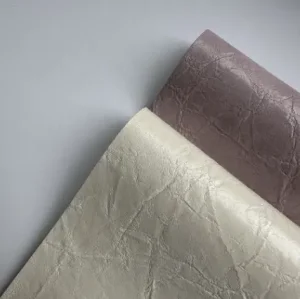
High-Quality RCS Approved Recycled‑Content Synthetic Leather-0212 Suppliers, Factories
Explore Reference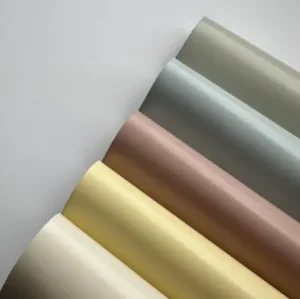
High-Quality RCS Qualified Recycled Green Synthetic Leather-2056 Manufacturers, Supplier
Explore Reference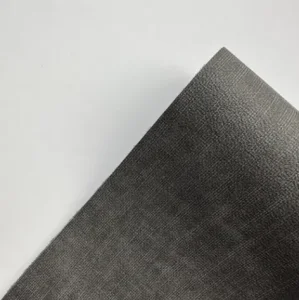
High-Quality Plant-Sourced Bio-Based Renewable Synthetic Leather-9103 Suppliers, Factories
Explore Reference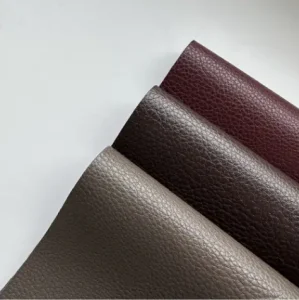
High-Quality Bio-Based Renewable Synthetic Leather -9078 Manufacturer, Suppliers
Explore Reference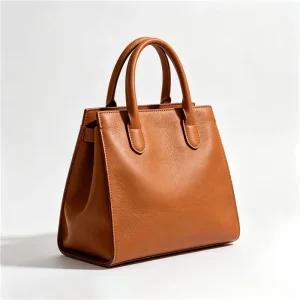
OEM Eco-Friendly Sustainable Synthetic Leather Manufacturer, Factories
Explore Reference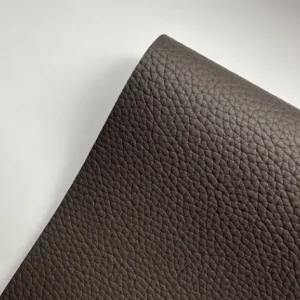
OEM Low-Impact Sustainable Synthetic Leather-9299 Factory, Factories
Explore Reference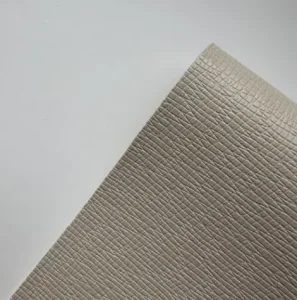
Custom RCS‑Verified Recycled‑Content Sustainable Synthetic Leather-9265 Manufacturers, Suppliers
Explore Reference