
Featured OEM Bio-Derived & Recycled Leather Substrates
Direct factory-locked formulations balancing bio-carbon content, mechanical tensile matrix, non-toxic waterborne dispersion, and strict restricted substance list (RSL) clearance for mass manufacturing.
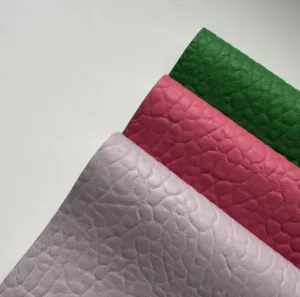
High-Quality Eco-Friendly Sustainable Synthetic Leather-9239 Supplier, Suppliers
Explore Specifications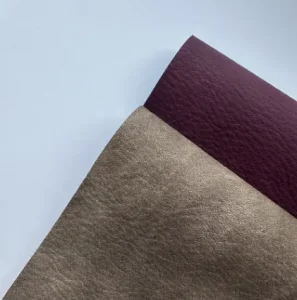
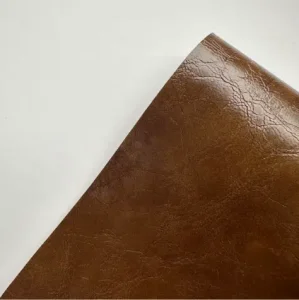
High-Quality RCS Recycled Grain Synthetic Leather-0216 Manufacturers, Supplier
Explore Specifications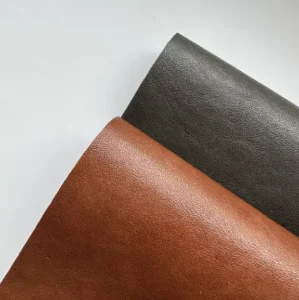
Wholesale Eco-Friendly Sustainable Synthetic Leather-9309 Manufacturers, Suppliers
Explore Specifications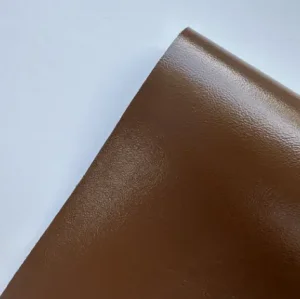
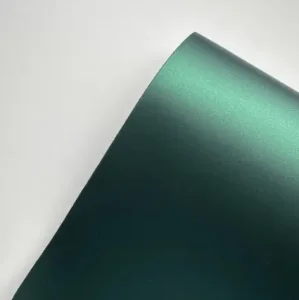
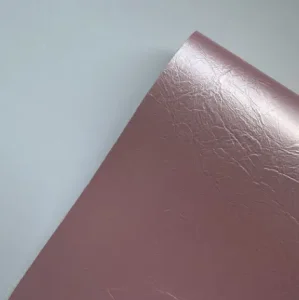
Custom Plant-Derived Bio-Based Synthetic Leather-0195 Manufacturers, Factories
Explore Specifications
Navigating the Global Decarbonization Imperative in Synthetic Leather
Industrial supply chains face seismic shifts driven by carbon boundary adjustments, stringent anti-deforestation standards, and consumer-led demands for audited, animal-free circular polymer formulations.
Regulatory Compliance Pressures (EUDR & CBAM)
The European Union Deforestation Regulation (EUDR) has added unprecedented friction to bovine hide supply chains, penalizing leather derived from contested pasture ecosystems. In tandem, the EU Corporate Sustainability Due Diligence Directive (CSDDD) holds luxury and footwear parent conglomerates strictly accountable for environmental destruction in upstream tiers.
Bio-based and recycled synthetic polymers manufactured under ISO 14001, Higg FEM, and certified chain-of-custody protocols provide audited zero-deforestation compliance out of the box.
Corporate ESG Targets & Circularity Mandates
Multinational brand houses across Paris, Milan, Portland, and Tokyo have established ambitious milestone targets: phasing out virgin fossil-derived polymers (virgin PVC and petroleum PU) by 2030 in favor of bio-attributed feedstocks and post-consumer recycled substrates.
Procuring OEM vegan synthetic leather engineered with USDA BioPreferred certifications and Textile Exchange Recycled Claim Standard (RCS) credentials directly insulates product developers from greenwashing litigation and non-compliance fines.
Chemical Safety & Non-Toxic Chemistry
Legacy solvent-based polyurethane relies heavily on dimethylformamide (DMFa), toluene, and methyl ethyl ketone (MEK). Modern OEM factories must pioneer solvent-free hot-melt reaction casting and 100% waterborne polyurethane (WPU) dispersion systems.
These green chemical formulations satisfy the zero-discharge mandates of ZDHC MRSL Level 3, EU REACH SVHC lists, and CPSIA 6P phthalate-free requirements, protecting shop-floor workers and end consumers alike.
The Evolution of Vegan Synthetic Leather Architectures
From first-generation toxic petrochemistry to fifth-generation regenerative biopolymers: an engineering breakdown of polymer backbones, cellular microstructures, and sustainable substrates.
| Generation | Core Chemistry | Backing Substrate | Environmental Vector | Industrial Viability & Application |
|---|---|---|---|---|
| Gen 1.0: Conventional PVC | Polyvinyl Chloride + Phthalate Plasticizers | Virgin Woven Polyester | High VOC emissions, brittle aging, hazardous dioxin on incineration. | Phased out across major apparel and footwear brands; relegated to budget protective covers. |
| Gen 2.0: Traditional Wet/Dry PU | Solvent Polyurethane (DMFa / MEK solvents) | Standard Polyester / Rayon Knit | Superior drape and micro-grain; hazardous occupational DMFa exposure risk. | Widely used historically; facing progressive import ban sanctions in European union cosmetics and fashion. |
| Gen 3.0: Solvent-Free & Waterborne PU | 100% Solid Hot-Melt / Aqueous PUD dispersions | Recycled Polyester (rPET) / Recycled Cotton | Zero organic volatile solvents, zero DMFa, reduced carbon footprint by ~45%. | Modern standard for performance athletic footwear uppers, high-frequency embossing, and baby goods. |
| Gen 4.0: Bio-Based Polyurethane | Plant-derived Polyols (Corn Starch, Castor, Palm oil bypass) | RCS-Certified Recycled Microfiber / Organic Bamboo | 20% to 75% renewable bio-carbon content, certified by ASTM D6866 radiocarbon testing. | Premier OEM tier for luxury automotive seating, designer accessories, and sustainable streetwear collections. |
| Gen 5.0: Regenerative & Circular Hybrids | Microbial Cellulose, Pure Mycelium Hybrids, Closed-Loop Depolymerizable PU | Circular Agriloop Nonwovens | Near net-zero carbon, potential for biological compostability or infinite chemical recyclability. | Emerging pilot programs; commercial scaling currently enabled through bio-PU compounding hybrids. |
Bio-Carbon Polyol Synthesis
In our proprietary bio-based material stream, conventional petroleum-derived polyethers and polyesters are substituted with bio-polyols extracted from industrial non-food castor seed derivatives and renewable corn syrups. Through catalytic transesterification, these bio-monomers deliver molecular chains with equivalent tensile elongation, cold-flex resistance (-30°C Bally Flex > 50,000 cycles), and superior hydrolysis stability (10-week Jungle Test resilience).
RCS-Certified Closed-Loop Microfibers
True material sustainability extends beyond the surface skin. JiangXin pairs its bio-PU coatings with precision-engineered non-woven microfiber backings formed from 100% post-consumer recycled polybutylene terephthalate (rPET) derived from traceable beverage containers. Certified under the Recycled Claim Standard (RCS), each square meter of backing diverted plastic bottles away from marine landfills while offering genuine suede hand-feel.
Advanced Precision Embossing Textures
Utilizing high-precision Italian and German cast release papers alongside in-house laser-engraved calender rolls, we replicate the natural hair-cell grain, full-aniline pebble textures, and micro-linear toothpick patterns without relying on solvent skinning. Surface topography is locked via controlled temperature zoning, preventing grain relaxation or delamination during downstream thermoforming and vulcanized lasting.
Engineered Performance Across High-Value OEM Sectors
Different applications impose radically different stress profiles. Our clean-tech laboratory formulates specific resin viscosity, backing density, and surface crosslinkers matched to exact localized stress modes.
High-Performance Footwear Uppers
Athletic and lifestyle sneakers require hyper-tensile durability, high peel strength (>3.5 kg/3cm), and resistance to continuous mechanical bending. Our bio-PU footwear series sustains 100,000+ flex cycles at room temperature and 50,000 cycles at sub-zero temperatures (-20°C).
Engineered for seamless computerized cutting, high-frequency thermal welding, and hot-melt adhesive compatibility without blistering.
Luxury Handbags & Small Leather Goods
Designer leather goods mandate luxurious tactile hand-feel, rich drape, crisp edge-paint retention, and dimensional stitch holding. Our low-odor bio-based and RCS-recycled grain leathers provide identical roundness and fullness to high-end Italian calfskin.
Formulated with stain-repellent fluoro-free topcoats, the surface repels oily cosmetics, denim indigo dye transfer, and daily abrasive contact.
Automotive Interiors & EV Cockpits
Electric vehicles demand ultra-low VOC emissions to prevent windscreen fogging, paired with extreme UV photo-oxidation resistance. Our automotive-grade bio-vegan PU complies with stringent OEM specifications including VDA 278 (organic emissions) and DIN 75201 (fogging behavior).
Resists 5 years of intense Xenon arc solar exposure without discoloration, cracking, or surface tackiness.
Smart Consumer Electronics & Wearables
Phone cases, tablet covers, and wearable watch straps require thin caliper precision (down to 0.5mm), high tear strength, and non-sensitizing skin contact certifications. Our non-toxic waterborne formulas eliminate all trace sensitizers, clearing ISO 10993 cytotoxicity standards.
Engineered to endure human sebum, sweat erosion, and repeated 75% isopropyl alcohol hospital wipe disinfection cycles.
Contract Hospitality & Commercial Seating
High-traffic public venues like luxury hotels, airports, and marine cruise liners require heavy commercial abrasion resilience. Our industrial contract vegan leathers exceed 200,000 double rubs on the Wyzenbeek cotton duck rating and 150,000 cycles on Martindale abrasion tests.
Pre-treated with permanent non-leaching antimicrobial barrier finishes that curb bacterial proliferation and mildew stains.
Technical Outerwear & Fashion Apparel
Apparel requires exceptional drape, quiet low-noise movement, lightweight construction, and dry-cleanable resilience. By applying micro-porous polyurethane casting, our apparel-grade vegan leathers permit internal perspiration vapor transmission while blocking external wind and rainfall.
Maintains soft, butter-like handfeel without stiffening or delaminating over seasonal climate variations.
Guangdong Manufacturing Scale, Vertical Integration & Clean Energy
Operating from our 135,733 m² mega-campus in Yingde, Guangdong, JiangXin combines upstream polymer chemistry synthesis with high-speed coating lines to deliver unmatched supply predictability.
4.68 MW Solar Photovoltaic Grid
Our facility harnesses over 4.68 megawatts of clean rooftop solar power, generating green megawatt-hours that run our coating lines, cooling chillers, and automated packaging. This infrastructure eliminates thousands of tons of grid CO2 annually, providing verified lower Product Carbon Footprint (PCF) accounting to our brand partners.
Vertical Feedstock Integration
Unlike converters who purchase raw resins on spot markets, JiangXin controls resin polyol formulating, base fabric knits, waterborne coating, surface grain transfer, and post-finishing in house. This vertical integration buffers our clients from raw material market shocks, guaranteeing price predictability and roll-to-roll consistency.
Rapid R&D Prototyping Engine
Leveraging computerized color spectrometers, digital micro-dosing dispensers, and rapid pilot coating lines, our technical engineering team formulates custom Pantone color matches, tactile temper adjustments, and custom emboss trials within 48 to 72 hours, drastically shrinking brand design calendar lead times.
Rigorous QA & Defect Control
Our multi-tier inspection protocols feature automated 4-point camera vision scanning paired with veteran QC inspectors. Every batch is evaluated for tensile yield, seam rupture, hydrolytic breakdown, and lightfastness. Detailed inspection and Certificate of Analysis (COA) dossiers travel with every export container.
International Regulatory Audits, Certifications & On-Site Sourcing Assurance
We de-risk cross-border procurement for compliance directors, procurement officers, and tier-1 assembly factories located throughout Vietnam, Indonesia, Mexico, Europe, and the United States.
Verified Certifications You Can Audit
Our manufacturing plant operates under certified management systems: ISO 9001 (Quality), ISO 14001 (Environmental), and amfori BSCI (Ethical Labor). Finished leather lines carry USDA Certified Biobased Product labels, Recycled Claim Standard (RCS) chain-of-custody Transaction Certificates (TC), OEKO-TEX Standard 100 Class I (safe for infant contact), and verified Higg Index Facility Environmental Modules (Higg FEM).
Dedicated Field Technical Support
OEM success requires flawless integration on cutting dies, stitching machines, and vulcanizing conveyors. JiangXin deploys seasoned technical service engineers who interface directly with your contract manufacturing facilities across Southeast Asia and the Americas, troubleshooting edge-creasing, adhesive curing, and needle perforation spacing to maximize cutting yield above 95%.
Export Logistics & Customs Optimization
Positioned within two hours of major Pearl River Delta container ports (Guangzhou, Shenzhen, Hong Kong), we support diverse international trade terms: FOB, CIF, DDP, and bonded zone deliveries. Our export documentation team manages all Free Trade Agreement (FTA) Certificates of Origin, helping global buyers optimize customs tariffs and avoid unexpected demurrage costs.
5-Stage Structured OEM / ODM Development Workflow
A transparent, ISO-disciplined development roadmap engineered to align cross-functional brand developers, chemical compliance managers, and factory production heads from initial swatch to full container dispatch.
01. Technical Brief & RSL Review
Brand submits technical specs: base resin type, biogenic target (%), target backing (microfiber/knit), grain reference, thickness (0.5mm - 2.2mm), and corporate Restricted Substance List (RSL).
02. Lab Dip & Grain Match
Spectrophotometer-assisted color lab dips (D65, TL84, A light sources) and textured A4 swatch hand samples are formulated and dispatched within 3 business days for tactile validation.
03. Physical & Chemical Testing
Trial yardage is subjected to in-house testing: Bally flex, Taber abrasion, peel adhesion, cold crack, seam fatigue, and third-party lab verification (SGS/TÜV/Intertek) for REACH and ASTM D6866.
04. Pilot Run & Bulk Locking
Upon sample sign-off, formulation recipes, oven thermal curves, and roll tension settings are locked into our automated ERP system. Bulk trial rolls are cut to verify factory line throughput.
05. Bulk Inspection & TCs
100% optical inspection and lot testing. Every export roll is barcode-tracked and shipped with official RCS Transaction Certificates, compliance dossiers, and protective moisture-barrier crating.
Engineering Q&A: Biobased Content, Certifications & Production Specs
Direct technical answers addressing chemical composition, chain-of-custody documentation, minimum order quantities, and test compliance from our chief materials engineers.
What is the exact scientific difference between Bio-Based PU, RCS Recycled Leather, and Solvent-Free PU? +
RCS Recycled Leather utilizes post-consumer or post-industrial recycled polymers (typically rPET from recycled plastic bottles or recycled fiber substrates) verified through Textile Exchange chain-of-custody standards.
Solvent-Free PU refers to the elimination of hazardous volatile carrier solvents like Dimethylformamide (DMFa), Methyl Ethyl Ketone (MEK), and Toluene during coating, utilizing 100% solid polyurethane reactions or waterborne dispersion systems. JiangXin excels at compounding all three technologies into a single composite material.
How is biobased carbon percentage verified, and what proof can our brand present to auditors? +
JiangXin provides clients with official third-party radiocarbon test certificates from certified labs (such as Beta Analytic), accompanied by our USDA Certified Biobased Product verification. Brands can legally print the USDA BioPreferred label and precise biogenic percentage on hangtags, product packaging, and corporate sustainability disclosures.
Can JiangXin issue official RCS (Recycled Claim Standard) Transaction Certificates (TC) for our purchase orders? +
We issue official lot-specific Transaction Certificates (TCs) that trace the recycled fiber content from raw flake to your finished rolls, satisfying strict brand-level Textile Exchange audits.
What mechanical and durability standards does JiangXin synthetic leather meet for footwear and automotive use? +
- Hydrolysis Resistance: 5 to 10 weeks under continuous Jungle Test conditions (70°C, 95% Relative Humidity), equivalent to 5–10 years real-world lifespan.
- Flex Resistance: Over 100,000 cycles at 20°C and 50,000 cycles at -20°C (Bally Flexometer, ISO 5402).
- Abrasion Durability: Exceeding 100,000 cycles on the Martindale tester (12kPa) and 150,000 double rubs on Wyzenbeek cotton duck (ASTM D4157).
- Adhesion / Peel Strength: Up to 4.0 kg/3cm across microfibers and specialized knit backings.
- VOC / Fogging: Compliant with automotive DIN 75201 and VDA 278 low-odor standards.
What are the factory's standard production lead times, MOQ requirements, and lab-dip turnaround? +
- Custom Lab Dips & A4 Swatches: 3 to 5 business days from receiving Pantone code or physical color target.
- Pilot Sample Rolls (30–50 meters): 7 to 10 working days.
- Bulk Production: 15 to 20 working days for containerized shipments.
- Minimum Order Quantity (MOQ): 500 linear meters per color and thickness for standard running substrates; custom emboss grains with dedicated release paper require 1,000 linear meters.
How does JiangXin ensure compliance with global chemical and export safety frameworks? +
In-house GC-MS (Gas Chromatography-Mass Spectrometry) equipment pre-screens every raw polymer shipment before release onto mass production lines.
Specialized Bio-Sourced & Recycled Content References
Request reference sample yardage or custom tech-pack adjustments across these validated eco-friendly synthetic leather articles.
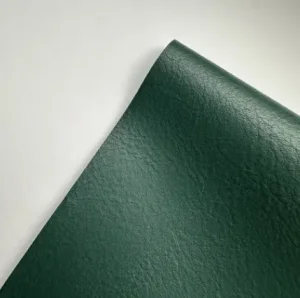
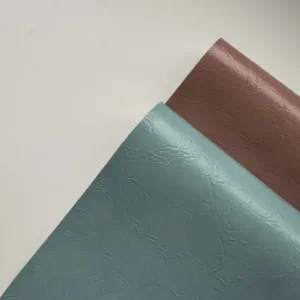
OEM Industrial-Grade Bio-Derived Renewable Synthetic Leather-0177 Suppliers, Factories
Explore Specifications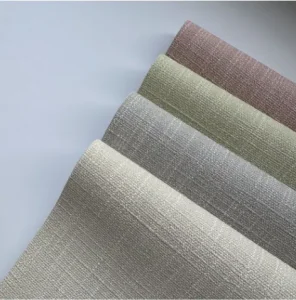
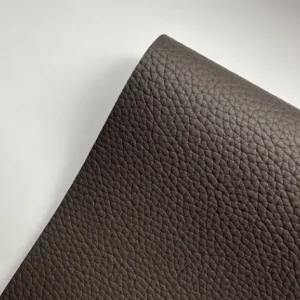
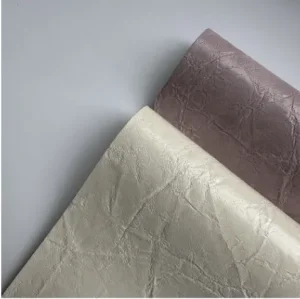
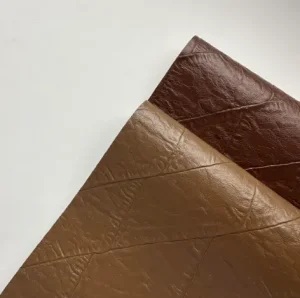
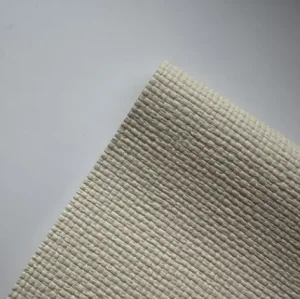
High-Quality Bio-Sourced Renewable Plant-Based Synthetic Leather-9116 Manufacturer, Supplier
Explore Specifications
High-Quality RCS Approved Recycled-Content Synthetic Leather-0212 Suppliers, Factories
Explore SpecificationsAccelerate Your Brand's Sustainable Material Transition
Connect directly with our senior polymer engineers and export compliance specialists. Request custom swatches, ASTM D6866 bio-carbon validation reports, and audited RCS chain-of-custody documentation tailored for your upcoming season.