
High-Performance Textured Synthetic Leathers
Engineered roll-to-roll consistency with validated mechanical shear, high peeling strength, and tailored grain structures for international brand programs.
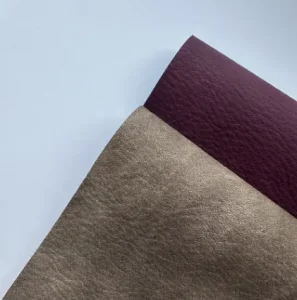
OEM Low Odor Bio-Based Vegan Leather-9237
Request Specification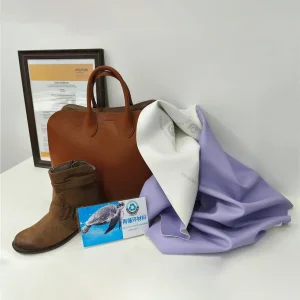
OEM RCS Certified Recycled Sustainable Synthetic Leather
Request Specification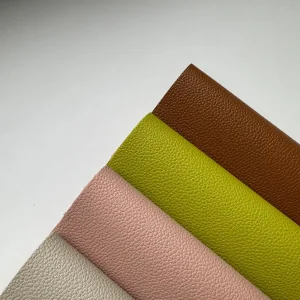
High-Quality Sustainable Eco-Friendly Faux Leather
Request Specification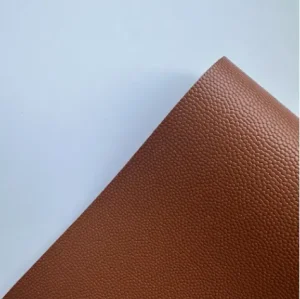
Wholesale Sustainable Eco-Conscious Leather-9142
Request Specification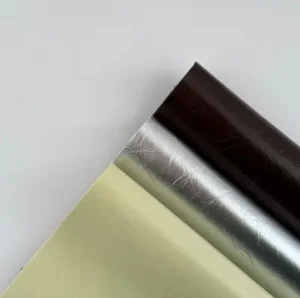
OEM Sustainable Eco-Friendly Faux Leather-0195
Request Specification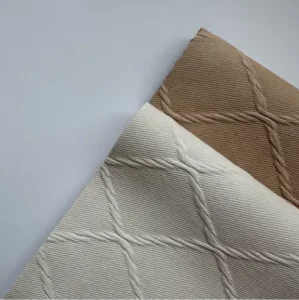
Wholesale Bio-Based Renewable Leather-9016
Request Specification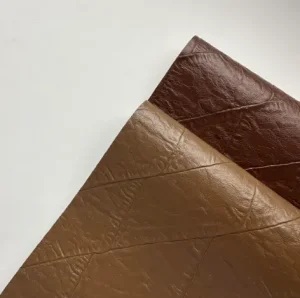
OEM Non-Toxic Vegan Eco Synthetic Leather-9266
Request Specification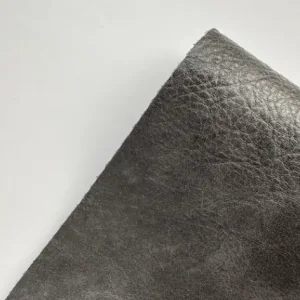
OEM RCS Qualified Recycled Leather-9271
Request SpecificationMacro Dynamics of the Textured Faux Leather Industry
The global shift toward animal-free, bio-derived, and solvent-free artificial fabrics is radically transforming polymer science, procurement policies, and automated assembly operations.
Supply Chain Realignment
Global original equipment manufacturers (OEMs) and contract brands face escalating pressure to displace traditional animal tanning and early-generation PVC substrates. Regulatory scrutiny regarding carbon accounting, supply-chain transparency, and Scope 3 greenhouse gas reporting demands direct mill-level accountability and verifiable raw materials.
Zero-VOC & Water-Based PU
Traditional dimethylformamide (DMFa) solvent routes are rapidly being phased out globally. High-end industrial buyers are transitioning to waterborne polyurethanes (WPU) and 100% solvent-free hot-melt extrusion technologies. These next-generation systems eliminate solvent residues, drastically reduce airborne VOCs, and guarantee worker-safe manufacturing environments.
Tactile Micro-Engineering
Modern consumers and automotive tier-suppliers refuse to accept synthetic compromises. Through precision laser-etched texture roll engraving, variable-frequency mechanical tumbling, and micro-embossed release papers, OEMs can achieve haptic depths that match full-grain leather, nappa hides, and heavy pebbled textures with total defect-free roll consistency.
Technical Specification & Performance Roadmap
Textured faux leather must withstand intense mechanical stress, flex fatigue, thermal cycles, and chemical cleaners. Below is an engineering comparison of industry polymer systems.
| Performance Characteristic | Standard PVC Leather | Conventional Dry-PU | JiangXin Water-Based / Bio-PU | Testing Standard |
|---|---|---|---|---|
| Bally Flex Resistance (-10°C) | < 15,000 cycles (cracks) | > 50,000 cycles | > 100,000 cycles (zero cracks) | ISO 5402 / ASTM D6182 |
| Martindale Abrasion (Dry/Wet) | 15,000 / 8,000 revs | 35,000 / 20,000 revs | > 50,000 / 35,000 revs | ISO 12947-2 / ASTM D4966 |
| Residual Solvents (DMFa / Toluene) | High (> 300 ppm) | Moderate (30-100 ppm) | Non-Detectable (< 2 ppm) | EN 17131 / GC-MS |
| Bio-Based Carbon Content | 0% (Petroleum fossil) | 0% | 20% - 45% Plant Derived | ASTM D6866 Radiocarbon |
| Hydrolysis Resistance (Jungle Test) | 3 - 5 Years equivalent | 5 - 7 Years | 7 - 10+ Years (tropical humid) | ISO 1419 Method C (70°C, 95% RH) |
| Flame Retardancy Formulation | Halogenated (heavy smoke) | Requires additive treatment | Custom Halogen-Free / Low Smoke | FMVSS 302 / CAL 117 / EN 1021 |
Commercial Application Scenarios for Textured Artificial Leather
From luxury retail shelves to demanding public transportation cabins, textured polymer leathers deliver uniform density, optimized yield, and predictable cost structures.
Footwear & Athletic Uppers
Engineered for high tension lasting, vamp creases, and seam-burst strength. Features microporous waterborne layers that provide enhanced breathability for sneakers, work boots, and safety footwear.
Luggage, Handbags & SLGs
Delivers structured skiving, edge-paint retention, and clean die-cutting performance. Resistant to everyday oil transfer, cosmetic spills, and scuffing across tote bags, briefcases, and wallets.
Automotive Interiors
Exceeds demanding automotive OEM testing protocols for anti-fogging (DIN 75201), extreme heat aging (120°C), UV color fastness, and flame retardancy for door cards, headrests, and seating trims.
Contract Furnishings
Built for commercial hospitality and healthcare environments. Features stain-shield topcoats impervious to hospital-grade disinfectants, alcohol wipes, and heavy Martindale rubbing cycles.
End-to-End Enterprise Solutions for Global Supply Chains
Eliminate production friction, reduce scrap generation, and secure regulatory clearances with JiangXin's fully integrated production infrastructure in Guangdong, China.
Full Compliance Auditing
All production lots comply with strict international regulatory regimes including EU REACH, RoHS, 6P Phthalate-free criteria, OEKO-TEX Standard 100, and full chain-of-custody Transaction Certificates (TCs) for Recycled Claim Standard (RCS) articles.
Substrate & Backing Customization
Achieve exact draping, structural tensile resistance, and stitch tear retention by configuring backing textiles: recycled RPET polyester tricot, bio-cotton twill, ultra-microfiber non-wovens, or spunlace interlinings calibrated to your specifications.
Clean-Tech Solar Operations
Manufactured inside our 135,733 m² advanced campus equipped with 4.68 MW rooftop photovoltaic solar panels, centralized heat recovery loops, and on-site industrial wastewater treatment. Lower your enterprise Scope 3 carbon footprint at the source.
Specialized OEM Textured & Sustainable Series
Explore our extended series of bio-based, circular, and performance-tuned eco-leather rolls designed for large-volume industrial cutting tables.
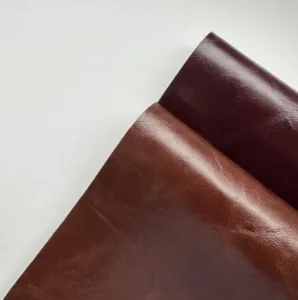
Wholesale High‑Performance Eco‑Engineered Leather-0255
Request Specification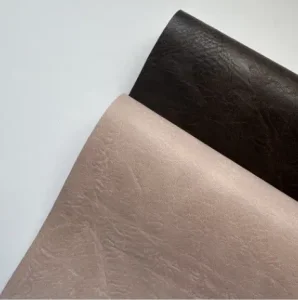
Custom RCS Recycled Base Vegan Leather-0163
Request Specification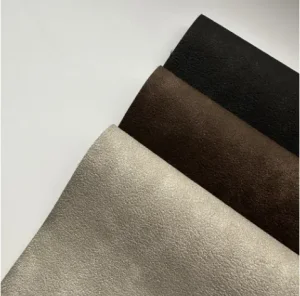
Custom Low‑Impact Green Synthetic Leather-0004
Request Specification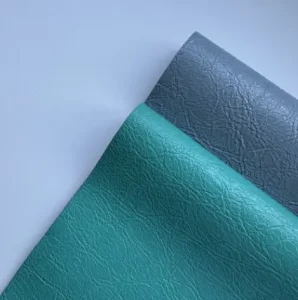
OEM RCS Recycled Synthetic Leather-9213
Request Specification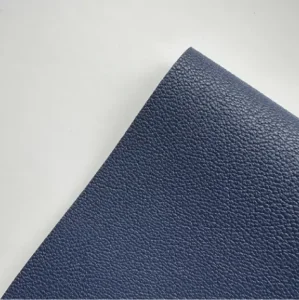
Wholesale Green Circular Synthetic Leather-9168
Request Specification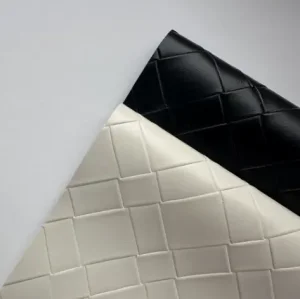
OEM Natural Plant-Derived Leather-9338
Request Specification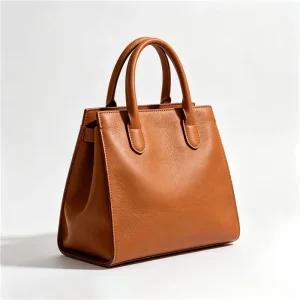
OEM Eco-Friendly Sustainable Synthetic Leather
Request Specification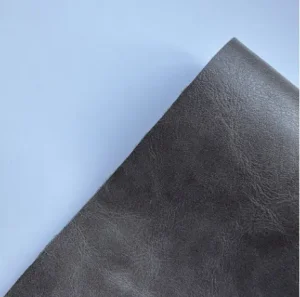
OEM RCS Verified Recycled Leather-0084
Request SpecificationFrequently Asked Questions by Industrial Sourcing Teams
Key information regarding physical testing, chemical safety limits, production minimums, and custom grain prototyping.